Generator Hookup for Well Pumps: Keep the Water Flowing in a Blackout
The power fails and your well pump stops. You need water now.
This guide covers choosing a generator with enough muscle, wiring it safely to avoid shock or fire, and starting the pump correctly to prevent damage.
I’ve connected more generators to pumps than I can remember on service calls and at my own place. Get the wattage wrong and you’ll blow a circuit or cook the pump motor.
Generator and Pump Safety: The Non-Negotiables
Backfeeding is not just a bad idea. It is a killer. When your generator sends power back through your home’s wiring into the utility grid, it energizes lines that workers think are dead. This mistake can electrocute and kill line crews trying to restore your power.
Your first action is always the same. Go to your home’s main electrical panel and flip the main circuit breaker to the OFF position. Do this before you even wheel the generator outside. Turning off the main breaker isolates your house from the grid and is the only safe way to connect a portable generator.
Placement matters for life and safety. Run your generator outside only. Position it far from your house, windows, doors, and dryer vents. I keep mine at least 20 feet away. Always set it on a dry, level surface. A wet patio or grass can lead to shock or generator failure.
You must ground most portable generators. The National Electrical Code (NEC) typically requires a grounding electrode, like a copper rod driven into the earth. Check your generator’s manual, as the rules vary, but ignoring proper grounding invites a dangerous shock hazard.
Your safety gear is simple but critical. You need a heavy duty, outdoor rated extension cord that can handle your pump’s wattage. Look for a rating like 12-gauge. Always wear dry, insulated gloves when handling plugs and connections, especially in damp conditions.
Choosing the Right Generator for Your Well Pump
Start at your pump. Find the nameplate or the control box mounted on your pressure tank. Look for the amperage (A or FLA) and horsepower (HP). This information is your roadmap. If the sticker is faded, the model number can help you look it up online.
You need to do the math. Use the formula Watts = Volts x Amps. A standard 240-volt, 10-amp pump runs on about 2400 watts. But that’s not the whole story. A well pump needs a huge burst of power to start, called surge or starting wattage, which is 3 to 5 times its running wattage. That same pump might need 7200 to 12000 watts just to kick on.
So, can a 5500 watt generator run a well pump? Often, yes. A typical 1 horsepower submersible pump requires about 3000 to 4000 starting watts. A 5500 watt generator can handle that surge and run the pump. You must verify your pump’s specific surge requirement, but a 5500 watt unit is a common and capable choice for many homes, offering a good balance between power and efficiency.
You have two main types of portable generators. Standard generators are less expensive but produce power with more fluctuations. Inverter generators are quieter and deliver clean, stable electricity like grid power. For modern pumps with sensitive electronic controls, an inverter generator is safer and less likely to cause damage.
For a permanent solution, consider a whole house standby generator. These units install outside your home and automatically turn on during an outage. They’re powered by natural gas or propane and can run your well pump, furnace, and essentials without you lifting a finger.
Getting Connected: Your Hookup Options
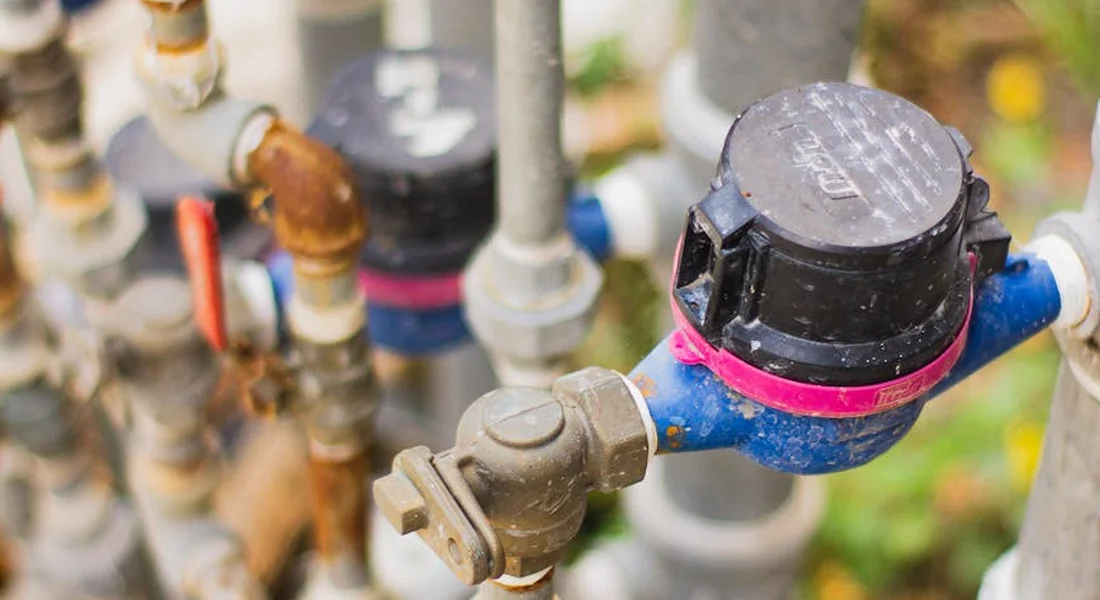
You have three safe paths to connect a generator to your well pump. One is the best practice, one is a solid DIY choice, and one is a simple direct line. Your goal is to keep your home’s electrical system isolated from the utility grid. This prevents your generator’s power from feeding back into the lines and electrocuting a utility worker. When connecting your generator, it’s crucial to follow proper safety guidelines.
1. Manual Transfer Switch (The Pro Standard)
This is a separate electrical panel installed next to your main panel. You choose which essential circuits (like your well pump and fridge) to wire into it. A physical switch moves these circuits from utility power to generator power.
A transfer switch is the only method that is universally code-compliant and considered the gold standard by electricians.
It’s the safest option because it physically prevents your generator and utility power from ever connecting.
2. Interlock Kit (The Smart DIY Choice)
An interlock is a metal plate installed on your main circuit breaker panel. It creates a mechanical lockout. You can only turn on the generator breaker when the main utility breaker is off, and vice versa.
This lets you backfeed power through a designated breaker to your entire panel. It’s more affordable than a transfer switch. Many panels have compatible kits. You must ensure your panel brand and model have a UL-listed interlock kit available.
Installation involves a pro or a very confident DIYer, as you’re working inside the main service panel.
3. Generator Inlet Box (The Dedicated Line)
This is a heavy-duty outdoor outlet. You wire it directly to a single, dedicated circuit-like the one for your submersible pump. You plug the generator into this box with a special cord.
It’s a simple, clean setup for running just your pump. You still need to turn off the main breaker to isolate your home. This method doesn’t let you power other circuits easily.
The Critical Warning: No Backfeeding
Do not plug a generator into a dryer or range outlet with a homemade cord. This practice, called “backfeeding,” is extremely dangerous.
Backfeeding bypasses all safety mechanisms and can send generator power out to the utility lines, creating an electrocution hazard for neighbors and repair crews.
It can also overload your home’s wiring and damage your generator when utility power returns. It’s illegal in most areas. Just don’t do it.
Gear You’ll Need
For a safe, permanent hookup, you’ll need a few key items. Gather these before an outage hits.
- Connection Method: A manual transfer switch, a compatible interlock kit, or a generator inlet box.
- Proper Wire: The gauge depends on your generator’s output. A 30-amp circuit typically needs 10-gauge wire. A 50-amp circuit needs 6-gauge. Your generator manual will specify.
- Conduit: Metal or PVC conduit to protect the outdoor wiring run to the inlet box or transfer switch.
- Generator Power Cord: A heavy-duty cord with the correct plug ends (like L14-30 for 30-amp) to connect your generator to the inlet.
- Basic Tools: A non-contact voltage tester, screwdrivers, wire strippers, conduit bender, and a drill.
FAQ: How do you connect the generator to the pump’s system?
Here’s a basic overview of installing a manual transfer switch, which is the most thorough method.
- Turn off the main breaker at your service panel. Confirm power is off with your voltage tester.
- Mount the transfer switch enclosure next to your main panel.
- Run conduit and the correct gauge wires from the transfer switch to a new generator inlet box on your home’s exterior.
- Inside the main panel, you will move the wires for your chosen circuits (well pump, etc.) from the main panel breakers to new breakers in the transfer switch.
- New “feed” wires are then run from the original main panel breaker spaces back to the transfer switch to supply utility power to those circuits.
- The switch itself has a movable carriage that connects the circuits to either the utility feed or the generator feed wires. It cannot connect to both.
This is not a beginner project. If you’re not comfortable working inside an electrical panel, hire a licensed electrician. Getting this wrong has serious consequences.
The Power-Up Sequence: Starting Your System Safely
When the lights go out, follow this exact order. Rushing can damage your pump or generator.
- Go to your main electrical panel. Turn OFF the main circuit breaker. This is the non-negotiable first step. It isolates your home from the grid.
- Turn OFF all the individual branch circuit breakers, especially the one for your well pump. This reduces the startup load on your generator.
- Roll your generator outside, at least 20 feet from your home with the exhaust pointing away. Never run it in a garage or basement.
- Connect your heavy-duty generator cord to the inlet box on your house and to your generator’s outlet.
- Start the generator. Let it run for a minute or two to stabilize voltage and frequency.
- Go to your transfer switch or interlock. Switch it to the “Generator” or “Standby” power position.
- Back at the main panel, turn the main breaker back ON. You are now powering your panel with the generator.
- Turn ON the breaker for your well pump last. Listen for it to start normally. You should hear water flow into the pressure tank.
- You can now turn on other essential breakers one at a time, like the refrigerator. Don’t exceed your generator’s rated wattage.
Guarding Against Power Surges
Generators can produce “dirty” power with voltage spikes. This is hard on pump motors.
Your best defense is a generator with a built-in inverter or automatic voltage regulation (AVR). These provide clean, stable power similar to utility electricity.
You can also install a whole-house surge protector at your main electrical panel. It acts as a sacrificial shield, absorbing spikes before they reach your pump and appliances.
Fuel and Runtime
Know your limits. A typical 1 HP submersible pump needs about 3000 watts to start and 1500 watts to run. A 5000-watt (5kW) generator can handle this.
Check your generator’s fuel consumption chart. At half load (2500 watts), a common 5-gallon portable generator might run for about 7 to 8 hours.
Always refuel a portable generator when it is completely OFF and cooled down. Spilling gas on a hot engine can cause a fire.
Plan your water use. During an extended outage, you might run the pump for 30 minutes every few hours to refill your pressure tank, instead of letting it cycle continuously. This saves fuel.
Troubleshooting Common Generator and Pump Problems

Your generator is running, but the water isn’t. This is when you need a quick, logical plan. Follow this red flag guide to find the issue.
Symptom: Generator Runs, Pump Hums But Won’t Start
You hear a low hum from the pump or control box, but it never kicks on fully. This is almost always a power problem.
- Most Likely Cause: An undersized generator or long extension cords can’t deliver the voltage surge (inrush current) your pump motor needs to start.
- What to Check: Verify your generator’s running and starting watts exceed your pump’s requirements. For a typical 1 HP submersible, you need at least a 4,000-watt continuous generator. Plug the pump directly into the generator outlet using a proper, heavy-gauge cord under 50 feet long.
If the generator is correctly sized, the hum could also point to a failing start capacitor in the pump’s control box, which is a separate repair.
Symptom: Pump Cycles On and Off Rapidly
The pump starts, runs for just a few seconds, stops, and immediately starts again. This is hard on your pump and points to the pressure system.
- Most Likely Cause: A waterlogged pressure tank (no air cushion) or a faulty pressure switch.
- What to Check: Shut off power and drain all water from the system. Check the tank’s air charge using a tire gauge on the Schrader valve. It must be 2-3 PSI below the pump’s cut-in pressure (e.g., 38 PSI for a 40/60 switch). If air comes out with the water or the reading is zero, the tank’s bladder is bad.
Symptom: Generator Shuts Off Under Load
The generator starts fine, but the moment the pump tries to kick on, the generator stalls or trips a breaker.
- Most Likely Cause: The generator is overloaded, or it has a fault that prevents it from handling the load.
- What to Check: First, ensure you’re not running other high-wattage appliances (like a water heater) at the same time as the pump. If the load is correct, check the generator’s own circuit breakers and ensure its engine is running at the proper RPM to produce 60Hz frequency. A clogged air filter or old fuel can also cause power loss under load.
FAQ: Can a Generator Damage a Well Pump?
Yes, a cheap generator can slowly damage your pump. The issue is “dirty power” or high Total Harmonic Distortion (THD), which can affect the electrical specs and amperage of your well pump.
Think of clean grid power as a smooth, perfect wave. An inverter generator produces this clean wave, but many traditional budget generators produce a choppy, distorted wave that causes the pump motor to run hotter. Over time, this extra heat degrades the motor’s insulation and windings, leading to premature failure. Investing in a low-THD or inverter generator is cheaper than replacing a deep well pump.
Five Simple Checks Before You Panic
- Verify every electrical connection from the generator outlet to the pressure switch is tight.
- Check the pressure tank’s air pre-charge with the system fully drained.
- Inspect the pressure switch for debris or corrosion on the electrical contacts.
- Look for and reset any tripped breakers on the generator’s control panel.
- For submersible pumps, listen at the control box. A loud hum or click often points to a capacitor issue.
Generator and Pump System Maintenance Roadmap
Reliability comes from regular care, not luck. Follow this combined schedule so both systems are ready when the lights go out.
Generator Maintenance (Your Quarterly Ritual)
Treat your generator like your car. It needs to run under a real load, not just idle.
- Monthly: Start it and let it run for at least 30 minutes with a load connected. I plug in a portable heater or my well pump to actually exercise the engine.
- Per Engine Hours (consult manual): Change the oil. This is the single most important engine task. Keep spare oil and a filter on hand.
- Fuel Care: Always use fuel stabilizer. Run the generator until it stalls to empty the carburetor if storing for more than a month, or use a fuel shutoff.
- Air Filter: Check and clean/replace as needed. A dirty filter chokes the engine.
- Battery (Electric Start): Keep it on a smart battery maintainer year-round.
Pump and Pressure System Check (Your Annual Tune-Up)
Do this during fair weather, not when a storm is forecast.
- Pressure Switch Operation: Watch the gauge while running water. The pump should cut in and cut out at the correct pressures (e.g., 40 and 60 PSI). Listen for a crisp click.
- Pressure Tank Pre-Charge: As detailed in troubleshooting, drain the system and check the air charge. Adjust with a compressor if needed.
- Control Box (Submersible Pumps): Visually inspect the box for burned marks or bulging capacitors. A capacitor tester can check microfarad values, but replacement is cheap insurance if it’s over 5 years old.
Label your generator cord and inlet now. Fumbling in the dark during a storm wastes precious time and creates a safety hazard. I label mine with bright tape and keep the cord coiled next to the generator.
This maintenance isn’t optional if you depend on a well. An hour of peaceful prep work prevents days of crisis when the power fails.
Understanding Well Pump Power: A Quick Science and Code Check
Powering your well pump with a generator is different than plugging in a few lights. You are dealing with a powerful motor, and if you get the power wrong, the pump won’t start. The first step is understanding two key numbers: running watts and starting watts.
Water Science Snippet: The Cruising Speed vs. The Stalled Car Push
Think of your submersible pump motor like a car. Once it’s moving, it takes a certain amount of energy to keep going. That’s its running wattage.
But getting it moving from a dead stop takes a huge, brief burst of power. That’s its starting surge (often called Locked Rotor Amps or LRA).
- Running Wattage: The steady power it uses to keep pumping water. A typical 1 HP pump might use about 1500 watts while running.
- Starting Surge: The massive, 2-3 second burst needed to overcome inertia and start the motor spinning. That same 1 HP pump can need 4500 to 6000 watts to start.
Your generator must be able to handle the massive starting surge, not just the running wattage, or the pump will simply hum and not start. Make sure to choose the right size for your sump pump.
Why Pumps Are Harder on Generators Than Light Bulbs
Your well pump is an inductive load. The motor has coils of wire that create a magnetic field to spin. Building that magnetic field from scratch requires that big surge of current.
A light bulb is a simple resistive load. It uses power steadily and doesn’t have a starting surge. This is why a 5000-watt generator can easily run twenty 60-watt light bulbs (1200 watts total) but might struggle to start one 1 HP pump that needs a 5500-watt surge.
The Code Check: NEC Article 702 and Transfer Switches
For safety and legality, how you connect the generator matters. The National Electrical Code (NEC), specifically Article 702 for Optional Standby Systems, provides the rules.
Backfeeding your house by plugging a generator into a dryer outlet is illegal and extremely dangerous. It can electrocute utility workers and fry your home’s electrical system.
The code-approved method is a transfer switch. It physically disconnects your home from the utility grid before connecting the generator. You have two main choices:
- Manual Transfer Switch: A sub-panel that powers selected circuits (like your well pump and fridge). You flip a switch to change the power source. This is the most common and cost-effective DIY-friendly option.
- Automatic Transfer Switch (ATS): Used with whole-house standby generators. It senses a power outage and switches to generator power automatically.
Installing a transfer switch typically requires a permit and should be done by a licensed electrician to ensure it meets local code.
Your Action Step: Find Your Pump’s Nameplate
Before you shop for a generator, you need your pump’s real numbers. Go to your well’s pressure switch or control box and find the motor nameplate. It lists the wiring type and voltage for your pump, which helps you pick a compatible generator.
Write down:
- Horsepower (HP)
- Voltage (V) (e.g., 230V)
- Full Load Amps (FLA) or Running Amps
- Locked Rotor Amps (LRA)
If you only have HP and voltage, you can estimate. A 1 HP, 230V pump typically needs about 1500 running watts and a 5000-watt surge. A 1/2 HP pump needs about 1000 running watts and a 3000-watt surge. Always size your generator for the worst-case starting surge, not the average running load.
A proper generator hookup for your well isn’t a luxury. It is a critical system that maintains a safe, functional water supply for drinking, sanitation, and basic needs when the grid fails. Getting the power and the connection right is non-negotiable.
Quick Answers
What type of fuel is best for extended generator operation?
Propane is the best fuel for long-term storage and reliability, as it doesn’t degrade. For gasoline models, use a stabilizer and rotate your fuel supply every few months. Always store fuel safely outside your home in approved containers.
How do I ensure my portable generator is properly grounded?
First, check your generator’s manual, as some modern inverter models don’t require a separate ground rod. If one is needed, drive an 8-foot copper grounding rod into the earth and connect it to the generator’s grounding terminal with heavy-gauge copper wire. This prevents dangerous stray voltage.
What’s the best way to protect my pump from generator power surges?
Use an inverter generator, which produces clean, stable power. For additional protection, install a hardwired whole-house surge protector at your main panel. Avoid plug-in surge protectors on the generator outlet, as they can’t handle the pump’s starting surge. Also, verify the well pump’s voltage requirements to ensure the generator and panel can supply the correct voltage safely. Matching the voltage helps prevent overloads during startup.
What generator maintenance is crucial right before storm season?
Test it under load for 30 minutes, checking for smooth operation. Change the oil and replace the air filter if needed. Most critically, ensure you have fresh, stabilized fuel in the tank and a full spare container.
My generator is running, but my pump gets no power. What’s the first thing to check?
Verify that the circuit breaker on the generator itself hasn’t tripped. Then, double-check that your transfer switch or interlock is fully engaged in the “Generator” position. These simple oversights are the most common culprits.
Final Tips for Generator-Powered Pumps
Always size your generator to exceed your pump’s surge wattage to prevent motor damage. Test the full setup during fair weather so you’re prepared when the storm hits. As hurricane season approaches, prep your sump pump for heavy rain. A quick pre-season check helps ensure reliability during storms.
Written by Bob McArthur. Bob is a an HVAC and plumbing industry veteran. He has professionally helped homeowners resolve issues around water softeners, heaters and all things related to water systems and plumbing around their homes. His trusted advice has helped countless of his clients save time, money and effort in home water systems maintenance and he now here to help you and give you first hand actionable advice. In his spare time, Bob also reviews home water systems such as tankless heaters, water softeners etc and helps home owners make the best choice for their dwelling. He lives around the Detroit area and occasionally consults on residential and commercial projects. Feel free to reach out to him via the contact us form.