GFCI Rules for Sump Pumps and Well Pumps: What Homeowners Must Know
Why didn’t your sump pump restart after that last storm? If it’s not on a GFCI outlet, you’re playing with fire. Get this wrong and you’re risking a dangerous shock or a flooded basement.
We will cover what a GFCI actually does, the specific code requirements for sump pumps and well pumps, and the correct way to install or upgrade your setup.
I’ve replaced my own failed basement pump after a near miss. The rule is simple: if it’s near water and plugs into a wall, it needs GFCI protection. No exceptions.
The Simple Reason You Need GFCI Protection: Water and Electricity Don’t Mix
Think of a GFCI outlet as a lifeguard for your electrical circuit. It constantly watches the flow of electricity. If it senses even a tiny amount leaking out where it shouldn’t, it cuts the power in a fraction of a second.
Here’s a simple way to picture it. Imagine your electrical wires are a garden hose, and the current flowing through them is the water. Under normal conditions, all the water that goes in one end comes out the other. A GFCI monitors this flow. If it detects a “leak” where current is escaping the wire, it knows that electricity might be traveling through water, damp concrete, or even a person. It instantly shuts off the hose.
Any plug-in pump that operates in or near water or in a damp area needs GFCI protection. This isn’t a suggestion. It’s the fundamental rule for keeping you safe.
The consequence of ignoring this is straightforward. Without a GFCI, that electrical fault doesn’t get stopped. If you touch a faulty pump or stand in the water around it, you become the path to ground. The result can be a severe shock or electrocution.
GFCI Rules for Sump Pumps: Basements, Crawl Spaces, and Outdoors
Are GFCI outlets required for sump pumps? Yes. In any modern home built or updated to current code, the answer is absolutely yes for both electrical requirements and building permits.
The National Electrical Code (NEC) is very clear. It mandates GFCI protection for all 125-volt, 15- and 20-amp receptacles in specific areas. For a sump pump, two locations matter most: to ensure they are installed correctly and provide reliable protection.
- Damp or Wet Locations: This includes unfinished basements, crawl spaces, and the sump pit itself. If the area can become damp from humidity, flooding, or pump operation, it needs GFCI protection.
- Outdoors: Any receptacle installed outdoors must be GFCI-protected.
This leads to the big worry. Are sump pumps ok to be on a GFCI? Technically, they must be. But homeowners fear the GFCI will trip during a storm and fail to turn on, causing a flood. This nuisance tripping is a real concern with older or lower-quality pumps that have worn motors, which are among the common sump pump failure causes.
The solution is to use a high-quality, modern sump pump designed to work on a GFCI circuit without causing false trips. Do not bypass the GFCI. Test the GFCI monthly by pressing its “Test” button and make sure your pump kicks on again when you reset it. This monthly check is your best defense. To keep it running safely, regularly maintain the sump pump. Always disconnect power before any inspection or service.
Rules for outdoor pumps are even stricter. A pump used for yard drainage, outdoor fountain drainage, or handling a sump pump’s discharge line must be plugged into a GFCI-protected outlet. These outlets also require special weatherproof enclosures called “in-use” covers to protect them from rain while something is plugged in.
Your local building code is the final word. Some states or municipalities adopt codes that are stricter than the base NEC. For example, when people ask “are GFCI outlets required on sump pumps in NC,” they need to check with their local inspector. North Carolina uses a modified version of the NEC that may have specific amendments. Always check your local requirements before finalizing any installation.
GFCI Rules for Well Pumps: From the Pressure Tank to the Sprinkler
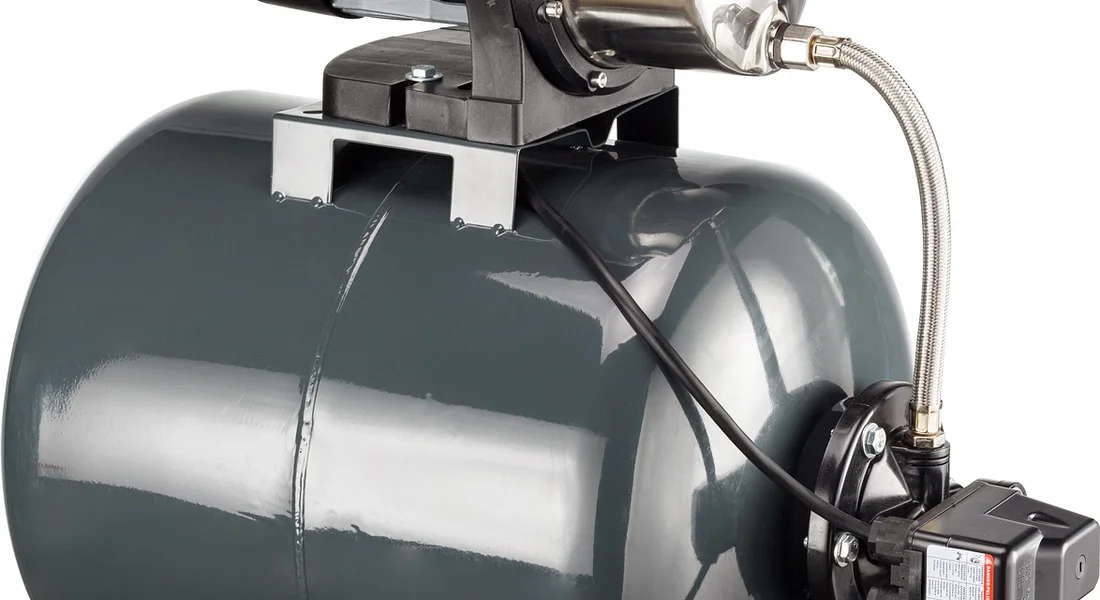
What are the GFCI requirements for well pumps? It depends entirely on the pump type and location.
You need to know what you’re working with. A submersible well pump lives down in the well casing, submerged in water. A jet pump sits in your basement or pump house, pulling water up from the well. The electrical rules treat them differently.
Submersible well pumps are almost always connected to a dedicated circuit with a standard circuit breaker, not a GFCI outlet at the point of connection. The motor controller or pressure switch is hardwired. The National Electrical Code (NEC) generally does not require GFCI protection for these hardwired pumps. The risk of a person coming into contact with the wiring inside the sealed well is considered low.
The story changes for jet pumps and location.
- If your jet pump or its pressure switch is installed in a garage, an unfinished basement, an outbuilding, or any area the NEC defines as a “damp or wet location,” it likely needs GFCI protection. This often means the 120V outlet it’s plugged into must be a GFCI outlet.
- For pumps supplying an irrigation or sprinkler system, the rules get specific. The outdoor receptacle that powers the irrigation controller or pump must be GFCI-protected. If the pump is hardwired, local code will dictate if it needs a GFCI breaker.
Dedicated circuits for well pumps are a standard, smart practice. They prevent other appliances from tripping the breaker and killing your water. GFCI protection adds another layer of safety on that circuit if the code requires it for your pump’s location. Think of it this way: the dedicated circuit keeps the pump running, and the GFCI keeps you safe if something goes wrong.
How to Install or Retrofit GFCI Protection the Right Way
You have two main choices for adding GFCI protection: swapping the outlet or changing the breaker.
Installing a GFCI outlet is a common DIY project for a plug-in pump, giving protection at that specific location. A GFCI circuit breaker protects every outlet on that entire circuit from the main panel. Here’s a quick comparison.
| GFCI Outlet | GFCI Circuit Breaker |
| Protects only that outlet (and any downstream outlets wired to it). | Protects all outlets and fixtures on the entire circuit. |
| Easier and cheaper for a single location. You can test and reset it locally. | More comprehensive. Requires working in the main electrical panel. |
| If it trips, you just hit the reset button on the outlet. | If it trips, you must go to the panel to reset it. |
First, check your existing setup. Find the circuit breaker that controls your pump and turn it OFF. For a plug-in pump, remove the outlet cover to see if it’s a standard or GFCI outlet. For a hardwired pump, look at the wiring at the pressure switch or motor. If you see a green or red “Test” button, you already have GFCI protection.
Can you plug your sump pump into a GFCI outlet? Yes, and you should if the outlet is in a basement, garage, or crawlspace. Use a direct, heavy-duty plug. Do not use an extension cord. Make sure the outlet is above the flood level, and the pump cord has a drip loop so water runs down and away from the plug. However, be aware that sometimes sump pumps can trip GFCI outlets, which may require troubleshooting.
What about running other receptacles off your sump pump’s GFCI? You can daisy-chain other outlets from the “LOAD” terminals of a GFCI outlet. This protects them all. You must calculate the total load on that circuit to avoid overloading it and causing nuisance trips during a storm when the pump kicks on. Add up the wattage of everything that could be on. A sump pump alone can draw 800-1500 watts. A shop vacuum or dehumidifier on the same circuit might push it over the edge. To align with sump pump electrical circuit safety requirements, consider dedicating a separate circuit for the pump rather than sharing it with other outlets. If in doubt about local codes, consult a licensed electrician.
When should you call an electrician? Call one if you need to install a GFCI breaker, if you’re unsure about wiring a GFCI outlet correctly, or if your pump is hardwired and you need to change its protection. A confident DIYer with experience swapping outlets can handle installing a GFCI receptacle after shutting off the correct breaker and testing for power.
Water Science Snippet: Why Dampness is the Real Enemy
Pure, distilled water is a poor conductor of electricity. The water in your sump pit or well is far from pure. It’s full of dissolved minerals like calcium, magnesium, and salts from the soil and rock. This gives it a high Total Dissolved Solids (TDS) level.
Water with high TDS conducts electricity easily, creating a dangerous path for current if a faulty wire or connection gets wet.
Sump pit water is often mineral-rich from leaching through concrete and soil. Well water’s TDS can be very high depending on your geology. This science is the key reason the electrical code is so strict about “damp locations.” It’s not the water itself, but what’s in it, that dramatically increases the risk of a severe shock. GFCI devices are essential because they detect the tiny current leak through this conductive, mineral-laden water and cut power in milliseconds.
Fixing a Tripping GFCI: It’s Not Always the Pump

Your pump stops. The GFCI outlet is tripped. Your first thought is the pump is bad. Before you buy a new pump, you need to follow a simple process of elimination. The problem could be the GFCI itself, the wiring, or finally, the pump motor.
Troubleshoot Step-by-Step: Is it the Pump, the Wiring, or the GFCI Itself?
Start simple and work toward complex. Always turn off the circuit breaker before touching any wiring.
- Unplug the pump from the GFCI outlet.
- Press the “Reset” button on the GFCI. If it won’t reset, the GFCI device is likely faulty and needs replacement.
- If it does reset, plug a small lamp or radio into the outlet. Turn it on and press the “Test” button. The lamp should turn off and the “Reset” button should pop out. If this test works, your GFCI is functioning.
- With the pump still unplugged, visually inspect its power cord from end to end. Look for cuts, crimps, or chew marks from pests.
- Check where the cord enters the pump housing. This is a common spot for the seal to fail, letting moisture in.
If the GFCI tests good and the cord looks fine, the fault is probably inside the pump motor or the wiring between the outlet and the breaker panel.
How to Test the GFCI Device and the Pump Motor for Ground Faults
For the GFCI, use a plug-in GFCI tester from any hardware store. It gives you a definitive pass/fail. If you don’t have one, the lamp test above is a good substitute.
Testing the pump motor for a ground fault requires a multimeter. Set it to measure resistance (Ohms).
- With the pump unplugged and the breaker off, remove the plug cover to access the prongs.
- Place one multimeter probe on the round ground prong of the plug.
- Place the other probe on the narrower flat prong (hot), then on the wider flat prong (neutral).
A reading of zero or very low resistance (like 0.5 Ohms) between the ground prong and either power prong means the motor windings are shorted to the casing. This is a ground fault, and the pump needs repair or replacement. You should see “OL” or a very high number for a good motor.
Practical Tips to Prevent Nuisance Trips During a Storm
This is critical for sump pumps. A tripped GFCI during a downpour means a flooded basement.
- Use a dedicated outlet. Never plug your sump pump into a GFCI outlet that also serves other appliances, like a freezer or dehumidifier. A fault in another device will kill your pump.
- Keep it dry and high. Use a weatherproof “in-use” cover if the outlet is in a damp location. Mount the outlet high on the wall, at least a foot above the flood level.
- Install a GFCI circuit breaker instead of an outlet. It protects the entire circuit and is less prone to physical damage and moisture than a basement wall outlet.
- Get a pump with a built-in alarm. Many models have an alarm that sounds if the pump stops, giving you a chance to check the GFCI before water rises.
A Quick Story from a Service Call
I got called out for a “dead” sump pump. The homeowner had already bought a new one. The GFCI in the crock wouldn’t reset. I unplugged the pump, and the GFCI reset immediately. The problem was a two-inch section of cord, right where it went over the edge of the sump pit. Over years, vibration had worn through the insulation. When the pit filled, the water completed the path to ground and tripped the outlet. A simple cord replacement saved them the cost of a whole new pump. Always inspect the entire length of the cord. The fix is often that simple. Keep an eye out for warning signs of sump pump failure and use a quick diagnosis to head off bigger problems. Signs like frequent tripping, odd noises, or slow drainage deserve prompt attention.
Your GFCI and Pump Maintenance Roadmap
Treat your pump and its GFCI protection like any other critical home system. A little routine attention prevents big problems.
Monthly
Press the “Test” button on the GFCI outlet or breaker. You should hear a click, and the “Reset” button will pop out. Now press “Reset.” You should hear another click. This verifies the internal mechanism works. While you’re there, listen for any unusual noise from the pump when you simulate a cycle.
Seasonally (Spring/Fall)
Inspect the pump’s power cord and plug for cracks, brittleness, or discoloration. Clean out the sump pit or well house area. Remove debris like gravel, silt, and roots that can abrade the cord or jam the pump float. Keeping the sump pit clean is essential for preventing debris from circulating and ensuring reliable operation. A clean sump pit helps protect the pump and prolong its life.
Every 3-5 Years
GFCI devices have a finite lifespan. The components that sense tiny current imbalances can degrade. If your GFCI is old, feels loose, or shows any signs of heat damage (discoloration), replace it proactively. A new outlet or breaker is cheap insurance.
At Pump Replacement
When you install a new pump, this is your chance to verify the entire electrical setup. Make sure the GFCI protection is present. If you’re replacing an old standard outlet with a GFCI, have a licensed electrician do the work to ensure proper grounding. Test the new GFCI with the new pump before you consider the job done.
Quick Answers
1. Does my pump need a GFCI outlet AND a GFCI breaker?
No, you only need one or the other. A GFCI outlet protects itself and any outlets wired downstream from it. A GFCI breaker in your main panel protects the entire circuit. For a single plug-in pump, a GFCI outlet is often the simplest, most cost-effective solution.
2. What’s the main risk difference between a sump pump and a well pump?
You are far more likely to physically interact with a sump pump in a wet basement, making GFCI protection critical for personal safety. Sump pumps are usually hardwired but still require GFCI protection because they operate in wet environments. A submersible well pump is sealed in a casing underground, which is why hardwired models often don’t require a GFCI. Always assume any pump you can touch needs GFCI protection.
3. Can other appliances share my sump pump’s GFCI circuit?
It’s possible, but I strongly advise against it. A dedicated circuit is best. If you must share, you must calculate the total power draw. A sump pump starting under load can cause a voltage drop that might trip a GFCI powering other sensitive devices, leaving you unprotected.
4. I have a hardwired pump. How do I know if it’s GFCI protected?
Check your main electrical panel. Look for a circuit breaker with a “TEST” button on it for the pump’s circuit. If it’s a standard breaker without a button, you likely do not have GFCI protection. A licensed electrician can install a GFCI breaker if required for your pump’s location.
5. My outdoor pump outlet has a special cover. Is that enough?
The weatherproof “in-use” cover is required but is not a substitute for GFCI protection. It keeps rain off the outlet. The GFCI device inside the outlet (or at the breaker) is what protects you from a shock. You need both: a GFCI outlet with a proper weatherproof cover for any outdoor pump.
Final Tips for Safe Pump Operation
Check every pump plug to confirm it’s in a GFCI outlet. Test that outlet monthly-press the button, listen for the click, and reset it to know you’re protected.
Written by Bob McArthur. Bob is a an HVAC and plumbing industry veteran. He has professionally helped homeowners resolve issues around water softeners, heaters and all things related to water systems and plumbing around their homes. His trusted advice has helped countless of his clients save time, money and effort in home water systems maintenance and he now here to help you and give you first hand actionable advice. In his spare time, Bob also reviews home water systems such as tankless heaters, water softeners etc and helps home owners make the best choice for their dwelling. He lives around the Detroit area and occasionally consults on residential and commercial projects. Feel free to reach out to him via the contact us form.