Water Softener Installation: Your Guide to Piping, Drains, and the Bypass Valve
Hard water wrecking your fixtures? Installing the softener yourself saves cash and cuts out the plumber’s wait.
We’ll walk through cutting into your main water line, running the drain to a standpipe or floor drain, and installing the bypass valve for easy maintenance.
I’ve piped these into a dozen homes, including mine. Skip the flex lines; hard pipe it right and you won’t be fixing leaks next year.
What You Need to Gather Before You Start
Rushing to the store mid-job is frustrating. Get everything on this list first. It saves time and a major headache.
Your Toolkit
You don’t need a truck full of gear. These are the essentials.
- Two Pipe Wrenches: One holds the pipe, the other turns the fitting. A 14-inch wrench is a good all-around size.
- Tubing Cutter: For copper or PEX. It gives you a clean, square cut which is vital for a leak-free connection.
- Deburring Tool: After you cut pipe, the inside edge is sharp. This tool smooths it out so it doesn’t shred your O-rings.
- Cordless Drill/Driver: For securing the unit to the floor if needed, or assembling mounting brackets.
- Hacksaw: A backup for cutting pipe in tight spots where a rotary cutter won’t fit.
- Adjustable Wrench and Slip-Joint Pliers: For tightening hose clamps and drain line fittings.
- Tape Measure and Level: For planning your layout and ensuring the softener sits perfectly flat.
Materials and Supplies
Buy a little extra. A missing 90-degree elbow will stop your project cold.
- 1-inch Flexible Copper or PEX Tubing: This is your bypass and connection piping. Flexible lines are forgiving and easier to work with than rigid pipe. Match your home’s main pipe size, which is often 1 inch.
- Brass or Plastic Fittings: You’ll need shut-off valves, unions, elbows, and couplings. I prefer brass for durability, but certified plastic (like Schedule 80 PVC) works and is cheaper. Make sure all fittings are rated for potable water.
- Pipe Thread Sealant: Use Teflon tape (for metal threads) or pipe dope (for plastic or metal). Do not use tape on plastic threads, it can cause cracking.
- Hose Clamps: Stainless steel clamps for securing the drain line hose.
- Drain Line Tubing: Typically 1/2-inch or 5/8-inch vinyl tubing. Get at least 10 feet more than you think you need to route it properly to a drain or standpipe.
Two Critical Pre-Installation Checks
Skip these, and you might install the softener in the wrong place or buy the wrong parts.
First, find and test your main water shutoff valve. It’s usually where the water line enters your house, near the water meter. Turn it off. Go inside and open a few faucets to confirm the water pressure stops. If that valve is old and seizes, call a pro before you do anything else. You must have a reliable way to kill the water to your whole house.
Second, confirm your water pressure and pipe size. Your softener manual will list a maximum inlet pressure, often around 80 PSI. You can check pressure with a simple gauge that screws onto a hose bib. While you’re at the main shutoff, measure the pipe’s outer diameter. A 1-inch copper pipe will measure about 1 1/8 inches across.
Installation Day Checklist
Print this. Check each box before you cut a single pipe.
- Main water shutoff valve located and tested
- Water pressure verified (ideally 40-80 PSI)
- Main pipe size confirmed
- All tools from list gathered
- All materials and fittings from list gathered
- Softener and brine tank unpacked, manuals on hand
- Path to drain and power outlet planned
Choosing and Prepping the Perfect Spot
Where you put the softener is almost as important as how you hook it up. A bad location makes every future service call miserable.
Install the unit as close to where the main water line enters your house as possible. This ensures all the water in your home gets softened. You also need to be within about 15 feet of a dedicated drain, like a floor drain, utility sink, or washing machine standpipe. Finally, you’ll need a standard 110V electrical outlet within reach of the power cord.
Leave space around the unit. You need at least a few inches of clearance on all sides, but more is better. You must have clear access to the brine tank lid for adding salt and to the control valve for programming. Think about the future. Can you get a bag of salt to the tank? Can you easily remove the valve head if it needs service? In my own basement, I left a full 24 inches in front of my softener. It’s worth the extra floor space.
Never install a water softener where it will freeze. This means an unheated garage, crawlspace, or outdoors is a hard no. The plastic valve components and tanks can crack. Even a conditioned space next to an exterior wall in a cold climate can be risky. Pick a spot that stays above 40°F year-round.
Before you set the tanks down, sweep the area clean. Once in position, you must level the softener tank. Use your level side-to-side and front-to-back. An unlevel tank can cause the internal piston to wear unevenly and malfunction. Shim under the base with plastic shims if your floor is uneven. Don’t skip this. A five-minute leveling check prevents weird noises and premature failure years down the road.
The Step-by-Step Installation Process
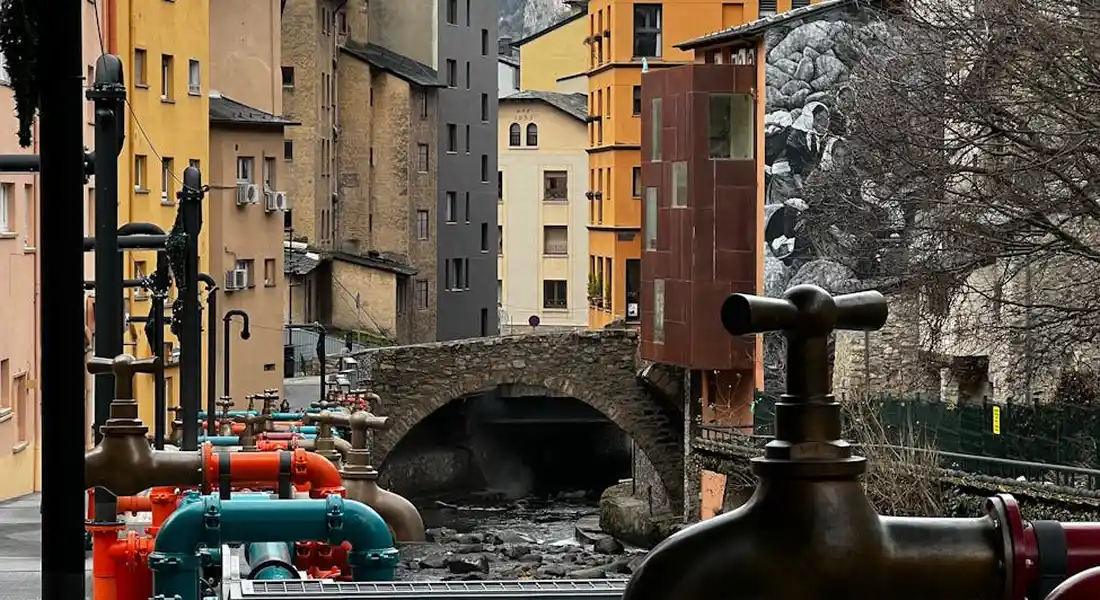
Get your tools ready. You need two pipe wrenches, a tubing cutter, a hacksaw, Teflon tape or pipe thread sealant, and a bucket. Start with the most important safety step.
Shut off the main water supply to your house. Open the lowest faucet in your home, like a basement sink or an outdoor hose bib, to drain the pressure from the lines. Open a few other faucets upstairs to let air in and help the water drain faster. You want the pipes empty.
Now, find the main cold water line where you want to install the softener. It should be before your water heater. Use your tubing cutter or hacksaw to cut a section out of that pipe. Make the cut clean and straight. This is your permanent connection point, so measure twice and cut once. Have that bucket ready for any leftover water in the line. From here, you’ll route the softener’s connections into the main line and coordinate any filtration or heater ties. This is a key step in installing water lines heater, softener, and filtration.
Step 1: Installing the Bypass Valve
Think of the bypass valve as a detour for your water. It lets you send water around the softener for maintenance or if the unit fails. Can you bypass your water softener? Yes, that’s the whole point of this valve. Without it, you have no water if the softener needs service.
Your bypass valve has three or four ports: ‘in’ from the main, ‘out’ to the house, and two for the softener. Connect it directly between the two open ends of the main water line you just cut. Use the correct fittings for your pipe type (copper, PEX, CPVC).
- Wrap male pipe threads clockwise with Teflon tape or apply pipe thread sealant.
- Tighten fittings firmly with two wrenches-one to hold, one to turn. Do not over-torque.
- Over-tightening cracks plastic fittings and deforms brass, guaranteeing a future leak.
Step 2: Making the Main Inlet and Outlet Connections
Hooking up the softener is straightforward. The water must flow in the right direction. The bypass valve’s port labeled ‘to softener’ or ‘in’ connects to the softener control valve’s ‘in’ port. This is water coming from the main. If you’re planning to install or relocate the softener, refer to the install relocate water softener guide for detailed steps. It covers placement, valve connections, and ensuring correct flow direction.
The softener control valve’s ‘out’ port connects to the bypass valve’s ‘from softener’ or ‘out’ port. This sends treated water back to your house lines. I always use flexible stainless-steel braided connectors for these final links.
Flexible lines let you nudge the unit into its final position without straining the pipes, and they are much easier to disconnect later if needed. Double-check that every connection is tight and the bypass valve handles are in the normal operating position (open to the softener).
Step 3: How to Set Up the Drain Line for a Water Softener
The softener flushes grit and salt brine to a drain. You have options: a dedicated standpipe, a floor drain, a laundry sink, or a utility sink. The rule is you must have an air gap. An air gap is a physical space between the end of your drain hose and the drain entrance. For well water, also plan for hardness and iron removal needs. Ensure the drain setup complies with local codes.
This gap prevents dirty drain water from being sucked back into your softener, which is a serious health code violation. You can buy an air gap fitting or simply route the hose above the rim of the standpipe.
- Use the specific vinyl tubing recommended by your softener’s manufacturer.
- Secure it to the drain valve and the air gap with stainless steel hose clamps.
- Run the hose as directly as possible. It must have a continuous downward slope the entire way to the drain.
Any dip or loop that holds water will cause draining problems and can lead to a messy flood. In my basement, I have the line zip-tied to a floor joist to keep that slope perfect.
Step 4: Connecting the Brine Line and Adding Salt
Locate the small flexible tube that came with your unit. This is the brine line. One end pushes onto a fitting on the brine tank’s float assembly or grid. The other end connects to the nipple on the control valve, usually marked ‘brine’ or ‘salt’. It just pushes on; you might need a small clamp.
Now add salt to the empty brine tank. Use pellets specifically for water softeners. Avoid rock salt or pellets with rust inhibitors if you have a newer softener. Fill the tank about half-full to start.
Keep the salt level above the water level at all times, but never overfill the tank so much that salt blocks the float. Keep the area around the tank clean and dry. Spilled salt attracts moisture and can cause rust or mess. I sweep up any pellets around my unit immediately.
Code & Compliance Check for a Safe Install
Before you cut a single pipe, you need to think about the rules. Skipping this step can lead to failed inspections, unsafe conditions, or damage that voids your warranty. I’ve seen homeowners have to re-do entire drain lines because they used the wrong fitting. Let’s get it right the first time.
Install a Plumbing Code-Approved Air Gap on the Drain Line
This is non-negotiable. Your softener’s drain hose cannot just be stuck down a drain pipe. You must use an air gap fitting. It’s a simple device that creates a physical break between the end of your hose and the drain, preventing dirty sewer water from being sucked back into your softener if a backup occurs. An air gap is your cheapest insurance against contaminating your home’s water supply.
Here’s how to do it:
- Drill a hole in the top of your standpipe or utility sink.
- Insert the air gap fitting from above and secure it with the provided nut.
- Connect one end of a hose to the softener’s drain elbow and the other end to the top of the air gap.
- Use a second hose to connect the bottom of the air gap fitting down into the drain.
This two-part connection is what creates the critical air break. Most hardware stores sell air gap kits designed for this exact purpose.
Use a Properly Grounded Electrical Outlet
Your water softener’s control valve needs power. Plug it into a standard, three-prong grounded outlet. Never use an extension cord or a two-prong adapter as a permanent solution. The grounding protects the electronic components from power surges and is a basic safety requirement. If you don’t have an outlet nearby, hire an electrician to install one before you proceed with the softener install.
Choose Fittings and Tubing That Meet NSF/ANSI 61 Standards
Not all pipes and fittings are created equal. Anything that touches your drinking water should be certified to NSF/ANSI Standard 61. This means the materials have been tested and won’t leach harmful chemicals into your water. Look for this marking on the product or its packaging, especially when selecting products like water filters.
- Good to Use: NSF/ANSI 61 certified copper tubing, PEX-A or PEX-B tubing, and brass or plastic fittings with the certification mark.
- Do Not Use: Standard garden hose, uncertified plastic tubing, or any galvanized steel fittings (they rust).
When I replumbed my own house, I used only certified PEX and brass fittings. It costs a little more, but you’re guaranteeing water quality.
Check Your Local Plumbing Codes
My rules in Texas might be different from yours in Minnesota. Local codes can dictate things like:
- Required permit or inspection for the installation.
- Specific types of pipe allowed (some areas prohibit certain plastics).
- Exactly how far the air gap must be above the flood rim of the drain.
The easiest way to check? Call your city or county building department. Ask, “What are the requirements for installing a residential water softener?” A ten-minute phone call can save you a full day of rework later. I learned this after a friend failed his inspection for using the wrong type of shut-off valve. The inspector made him replace all of them before signing off. It’s one of the essential water softener installation and repair considerations.
Startup, Testing, and Programming
The pipes are connected and the drain hose is secure. Now we bring your softener to life. This phase is about patience and verification.
Slowly Opening the Bypass Valve
Do not just crank the bypass valve open. You will send a surge of water and air into the softener tank, which can damage the internal distributor tube.
Instead, follow this method. First, ensure all household faucets are closed. Find the bypass valve on your softener. It typically has three positions: Service, Bypass, and a center Off position. It should currently be in Bypass.
- Turn the valve handle slowly toward the Service position just until you feel resistance and hear water start to flow into the unit.
- Stop. Let the softener tank fill for five minutes. You will hear the sound change from a rush to a trickle.
- Now, slowly turn the valve handle the rest of the way to the full Service position.
This slow-fill process prevents water hammer and protects the internal components from stress. Listen closely for any hissing or dripping at the plumbing connections you just made.
Running a Manual Regeneration Cycle
Do not use soft water yet. We must test the system’s plumbing and controls. Every softener has a way to start a manual regeneration. Consult your manual, but it often involves holding a Regen button or cycling through a menu. Also, watch the regen cycle for timing and valve actions. If anything seems off, reference the regeneration troubleshooting guide.
Start the cycle. The unit will go through its stages: backwash, brine draw, slow rinse, fast rinse. Your job is to be a detective.
- Watch every connection you made-inlet, outlet, drain hose clamp, brine tank line. A small drip here means a fitting isn’t tight enough.
- Listen to the drain hose. You should hear a strong, consistent flow during the backwash and rinse cycles. A weak flow can indicate a kinked hose or a clog.
- Check the brine tank. During the brine draw stage, you should see water being pulled down from the salt tank. No movement means an issue with the brine line or the control’s injector.
If you find a leak, tighten the fitting a quarter-turn more. If it persists, shut the bypass valve off and re-make that connection, checking the pipe thread tape or seal. I keep a small bucket and towels under my unit during this first test for this exact reason.
Programming the Control Head
Your softener is now leak-free. Time to tell it how to work for your home. You need three key numbers.
- Hardness: Set this to the grains per gallon (GPG) number from your water test. If you don’t have a test, a local water softener company can often give you the municipal number. Setting this too low means your water won’t be soft; setting it too high wastes salt and water.
- Time: Set the current day and time accurately. The softener uses this to schedule regenerations for the middle of the night (like 2:00 AM).
- Capacity: This is often pre-set based on the resin tank size. Do not change this unless you know your specific resin volume. The unit uses this with the hardness setting to calculate when it needs to regenerate.
Most modern units have a “learning” or “demand” mode. Choose this. It regenerates based on actual water usage instead of just a calendar.
Can I Leave My Water Softener on Bypass?
Yes, absolutely. The bypass valve is your best friend for maintenance and vacations.
For service, like replacing a faucet or working on plumbing downstream, turn the valve to Bypass. This sends hard water through your house but isolates the softener completely, ensuring you can turn off your water softener safely.
For vacations longer than a week, I also put my unit on bypass. This prevents the softener from trying to regenerate while you’re away, guarding against potential drain line issues or a brine tank overflow if something fails. When you return, simply turn the valve back to Service. The water will be hard for the first few gallons until the resin bed is working again, then it will be back to normal.
Leaving it in bypass for a short trip is not necessary. The system is designed to run unattended.
Your Red Flag Troubleshooting Guide
Even a perfectly installed softener can act up. When it does, don’t panic. Start here. This list covers the five most common problems I see on service calls.
No soft water? Check if unit is in bypass mode or needs salt.
You turn on the tap and the water still feels hard. Your first move is simple. Go look at the softener. Is the bypass valve handle pointing in the line flow direction? If it’s turned 90 degrees, you’re in bypass mode. The water is going around the unit. Turn it back.
If the bypass is correct, lift the lid on your salt tank. Is there salt in there? It should be at least one-third full. No salt means no regeneration, which means no soft water. Fill it with pellets, not crystals. Crystals can cause mush.
Still no good? Manually start a regeneration cycle. If the unit doesn’t run, you have an electrical or control head issue. If it runs but you still get hard water afterward, the resin tank may be exhausted or the valve piston could be stuck.
Water on floor? Likely a loose drain line or brine line connection.
A puddle is never a good sign. The most common culprit is the drain line hose. It connects from the control valve to your drain standpipe or washing machine box. That connection uses a hose clamp. Over time, it can loosen. Tighten it with a screwdriver.
Next, check the brine line, the smaller tube that runs from the salt tank to the control valve. Push the quick-connect fittings on both ends to make sure they are fully seated. A loose brine line will leak during the brine draw cycle. I keep a spare O-ring kit for these fittings in my toolbox.
If the leak is coming directly from the valve body itself, you have a bigger issue like a cracked seal or valve. That usually means a rebuild.
Low house water pressure? Look for kinked lines or clogged pre-filter.
Your shower pressure drops after installing the softener. This points to a flow restriction. First, inspect the flexible supply lines you installed. Make sure they have a smooth curve, not a sharp kink. A kinked line can cut pressure in half.
If your system includes a sediment pre-filter, it is likely clogged. This is the most common cause of post-installation pressure loss. The filter did its job and caught a bunch of debris from your pipes. Check the filter housing’s pressure gauge if it has one, or simply unscrew the canister to inspect the filter cartridge. Replace it if it’s dirty.
Also, ensure your main home shutoff valve and the softener’s bypass valves are fully open. It sounds obvious, but I’ve fixed many “problems” by just giving a valve another quarter-turn.
Salt tank always full? You likely have a salt bridge; break it up.
You add salt, but the water level never goes down. The salt has formed a hard crust or “bridge” over the water. It creates an empty cavity underneath so the system can’t make brine. This happens with high humidity or the wrong salt type.
Do not use a metal tool to break the bridge. You could punch a hole in the brine tank. Use a broom handle or a piece of wooden dowel. Gently push down around the edges of the tank to break the crust. You’ll feel it give way.
To prevent it, don’t let the salt level get too low before refilling, and use high-purity salt pellets. In my own basement, I use a salt with rust inhibitor because my well water has iron.
Strange noises from valve? May indicate a clog or need for a rebuild.
Clicking, buzzing, or a grinding sound from the control valve is a call for help. A rhythmic click-click-click often means the valve is trying to move but can’t. There might be a small rock or debris clogging a port inside the valve.
First, try a manual regeneration to see if the noise continues through all cycles. If the sound is a loud buzz or hum that stops after a minute, the motor may be jammed or failing. Turn off power to the unit for 30 seconds to reset it.
If strange noises persist, the internal seals and spacers are probably worn or the piston is scratched. This is common after several years. You need a rebuild kit. They are easy to find online but can be tricky to install if you’re not handy with small parts. For a persistent grinding, the gear drive might be stripped. At that point, a rebuild or valve replacement is your only real fix.
Recommended Products for a Reliable Job
Using the right parts from the start saves you from leaks, clogs, and service calls later. I learned this the hard way on a few early jobs. Skip the trip to the general hardware store aisle and get these specific items.
Brass Compression or SharkBite Fittings (for DIY ease)
You will connect the softener to your home’s main water line. For copper or PEX pipe, you have two great choices. If you choose PEX, make sure to follow the PEX water line installation guide.
- Brass Compression Fittings: These are the professional standard. You tighten a nut that compresses a brass ring (ferrule) onto the pipe. They create a permanent, reliable seal. You need two wrenches and some muscle.
- SharkBite Push-to-Connect Fittings: These are the DIY hero. You simply push the fitting onto the pipe until it clicks. No soldering, glue, or special tools needed beyond a cutter and a deburring tool. They are removable with a simple disconnect clip.
My rule is this: if you are comfortable with basic tools, use brass compression for a forever fix; if you want the simplest, fastest, and most foolproof connection, SharkBites are worth the extra cost per fitting. I keep both in my service truck, but at my own house, I used brass.
Reinforced Vinyl or Polyethylene Drain Tubing
This is the hose that carries wastewater from the softener’s control valve to your drain. The wrong tubing will kink, collapse, and cause a flood in your utility room.
- You need reinforced vinyl (often called “washer drain hose”) or flexible polyethylene tubing that is 1/2″, 5/8″, or 3/4″ inner diameter (check your softener manual).
- The reinforcement (usually a wire or plastic coil inside the wall) prevents kinking under suction when the softener backwashes.
Always install the drain line with a continuous downward slope, with no sags or loops, to the drain point. A high loop (creating an upside-down “U” near the softener) is often required by code to prevent drain water from siphoning back. Secure it with clamps or zip ties.
NSF-certified Polyethylene Brine Tubing
This small line runs from the salt tank (brine tank) to the softener’s control valve. It must be safe for salt water (brine).
Only use tubing marked as “NSF-certified” for potable water and brine line use. Standard vinyl tubing from a fish tank will degrade quickly in salt and contaminate your system. It will also become brittle and crack. NSF-certified polyethylene brine line is cheap insurance. It’s usually 3/8″ OD (outside diameter) and comes in a long roll. Cut it to length with a sharp utility knife.
High-Purity Evaporated Salt Pellets (to minimize maintenance)
What you put in the brine tank matters. Cheap rock salt or crystals contain high levels of insoluble minerals like gypsum (calcium sulfate). This sludge builds up in the bottom of your brine tank, gums up the brine valve, and reduces softening efficiency.
- Evaporated salt pellets are over 99.5% pure sodium chloride. They leave virtually no residue.
- Look for pellets labeled “clean,” “high-purity,” or “iron fighter.” The pellet shape is harder and dissolves slower than cubes, which gives you a more consistent brine strength.
Using high-purity pellets means you’ll only need to clean the sticky, muddy sludge out of your brine tank every few years instead of every year. I use them in my home softener and only do a quick rinse during my annual check. The extra few dollars per bag saves an hour of messy cleaning.
Quick Answers
Can I safely share a drain with my washing machine?
Yes, you can use the same standpipe, but you must install a dedicated air gap fitting for the softener above the washer’s hose connection. Do not simply tee the hoses together inside the pipe. This maintains the required air break and prevents cross-contamination.
Is it okay to use flexible supply lines instead of hard pipe?
For the final connections to the softener valve, yes-use braided stainless steel flex lines. They allow for adjustment and easy removal. For the main bypass valve loop, I strongly recommend hard piping (copper, PEX, or CPVC) for a durable, leak-free long-term installation.
What’s the single most important safety step for the drain line?
Installing a code-approved air gap. Never let the drain hose terminate below the flood rim of a drain. This physical break is non-negotiable for preventing sewer backup into your softener and your home’s drinking water.
When should I absolutely use the bypass valve?
Use it anytime the softener needs service or if you’ll be away for more than a week. Turning it to bypass isolates the unit, preventing an unexpected regeneration from causing a leak while you’re gone. It also ensures you have water if the softener fails.
My water pressure is high (over 80 PSI). What should I do?
Install a pressure reducing valve (PRV) on your main line before the softener. High pressure can damage the softener’s internal components and household plumbing. This is a critical step often overlooked in DIY installs.
Secure Your System Before the First Drop
Before you restore water pressure, methodically check every fitting and the drain hose connection for leaks. Setting the bypass valve correctly and confirming a dry floor are the true marks of a finished job.
Bob McArthur
Bob is a an HVAC and plumbing industry veteran. He has professionally helped homeowners resolve issues around water softeners, heaters and all things related to water systems and plumbing around their homes. His trusted advice has helped countless of his clients save time, money and effort in home water systems maintenance and he now here to help you and give you first hand actionable advice. In his spare time, Bob also reviews home water systems such as tankless heaters, water softeners etc and helps home owners make the best choice for their dwelling. He lives around the Detroit area and occasionally consults on residential and commercial projects. Feel free to reach out to him via the contact us form.