How to Light or Relight Your Gas or Propane Water Heater Pilot Light
Your pilot light is out and you need hot water. Let’s get it burning again without any fuss.
We will cover critical safety checks, exactly where to find the pilot, the lighting steps for common models like AO Smith and Rheem, and how to fix a pilot that won’t stay lit.
I’ve lit more pilot lights than I can count on service calls and in my own basement. The short takeaway: if you smell gas, stop and call a pro immediately.
First, Figure Out What You’re Dealing With
Before you grab a match, you need to know which ignition system your water heater uses. This determines your entire relighting process.
There are two main types: the old-school standing pilot and modern electronic ignition.
Standing Pilot Light Systems
These are common in heaters over 10-15 years old. They have a small, constant flame that stays lit to ignite the main burner when needed.
Look for a gas control valve on the front, near the bottom. It will have a knob with three settings: On, Off, and Pilot. You will also see a red reset button nearby. There’s a small access panel you remove to see the pilot assembly itself.
Electronic Ignition Systems
Newer heaters use one of two electronic methods. They do not have a constantly burning flame.
- Hot Surface Ignition (HSI): A small silicon carbide or nitride element heats up electrically to light the gas.
- Intermittent Pilot (Direct Spark): A spark plug creates a spark to light a small pilot flame only when the heater calls for heat.
You identify these by the lack of a “Pilot” setting on the gas knob. The control panel will look more digital or have a simple power switch. Removing the access panel reveals wiring and an igniter, not a traditional pilot tube.
Brands like AO Smith and Rheem make both types. The label on your heater’s side will have the model and serial number. A quick online search of that model number will tell you the ignition type if the visual checks don’t confirm it.
You have no hot water. Is the pilot light out, or is it something else?
- If you have a standing pilot, a simple relight often fixes it.
- If you have an electronic ignition, the problem is likely a failed component, a tripped limit switch, or a power issue. You can’t “relight” it manually.
- Check other gas appliances. If your stove also won’t light, you may have a wider gas supply problem.
- Listen. Do you hear the gas valve clicking when it should start? That’s a clue your electronic ignition is trying but failing.
My own basement has an older AO Smith with a standing pilot. It’s gone out twice in ten years, both times after a major pressure spike from the city main.
The Non-Negotiable Safety Steps Before You Start
Gas is safe when handled correctly. This is the part you don’t skip. Ever.
- Clear the area around the water heater of any boxes, rags, cleaners, or anything flammable.
- Check for the smell of gas before you open any panels. Sniff near the floor and around the base.
- Ensure the room is well-ventilated. Open a nearby door or window.
- Know where the main gas shutoff valve is for your home.
What does it mean if I smell gas when trying to light the pilot, and what should I do?
If you smell gas at any point-before, during, or after attempting to light the pilot-stop immediately. This indicates a leak in the gas line, valve, or fittings. A pilot light should ignite the gas instantly; a lingering smell means unburned gas is escaping.
Here is your action plan:
- Do not create any spark. Don’t flip light switches, use a phone, or plug anything in.
- Turn the gas control knob on the water heater fully to OFF.
- Shut off the gas supply valve serving the water heater.
- Open windows and doors to ventilate the area.
- Leave the house and call your gas company or a licensed plumber from outside.
Your tools matter. You need a long fireplace match or a utility lighter with a long nozzle. A regular short lighter forces your hand too close to the ignition point. I keep a long BBQ lighter on my water heater shelf for this exact reason.
Burning gas creates carbon monoxide (CO). Proper venting is your lifeline. Before starting, visually check that the exhaust flue pipe is connected and looks clear. After you light the pilot, ensure you see the flame being drawn up into the draft hood. A lazy, wavering flame can signal a venting blockage, which is a serious CO hazard.
Finding the Pilot Light Assembly
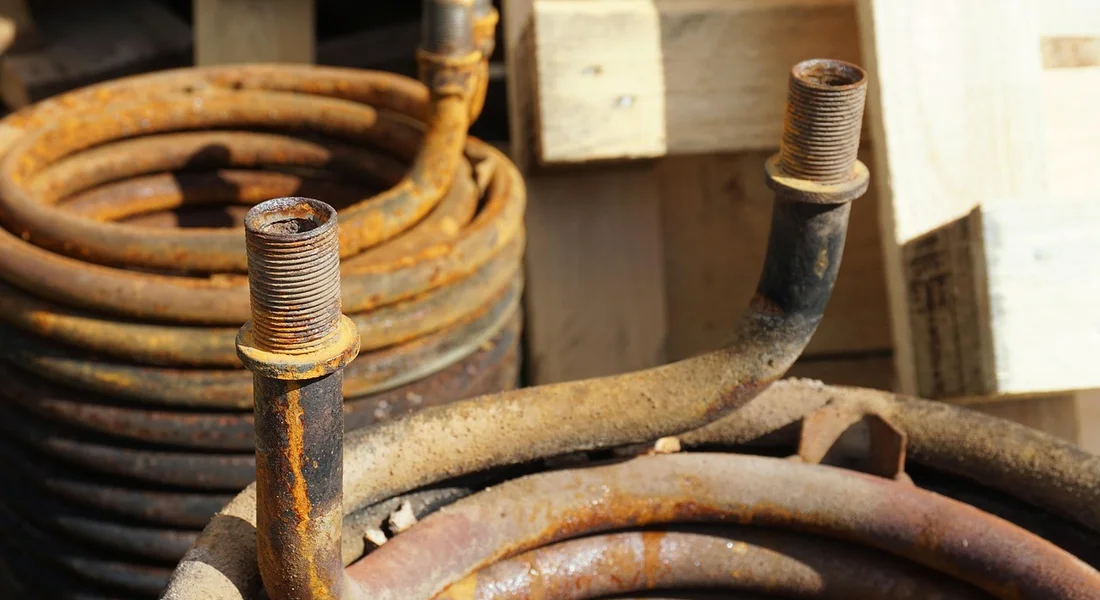
Start at the bottom of your water heater. You’re looking for a small, rectangular metal door. It’s usually held shut by one or two screws. This is the access panel to the combustion chamber. Open it up. Inside, you’ll start identifying the burner, gas valve, and other components. For a full walk-through of each part, refer to our water heater parts guide identifying components.
Inside, you’ll see the gas control valve. This is the brain of the operation. It has a knob with settings like ON, OFF, and PILOT. Right next to it, you’ll spot a small copper tube, thinner than a pencil. That’s the pilot tube. It feeds gas to the tiny flame.
Look for a small glass or plastic window near these parts. That’s your viewing port to see if the pilot is on. On many models, including common AO Smith and Rheem units, you’ll also see a thin metal rod bent right into where the flame should be. That’s the thermocouple, a critical safety sensor.
If you don’t see a viewing window and knob, you likely have an electronic ignition system, not a standing pilot light.
The DIY vs. Pro Verdict: Is It Safe For Me To Do This?
Here’s my straightforward take. Difficulty for simply relighting a pilot you know worked before: 4 out of 10. Difficulty for diagnosing and fixing a pilot that won’t light or stay lit: 8 out of 10.
The line is clear. Pushing a button to light a known-good pilot is a common, simple DIY task. Figuring out why it won’t stay lit is almost always a job for a licensed pro.
If the pilot lights but goes out when you release the button, the thermocouple is likely bad. You can replace it yourself, but if you’re not comfortable, call someone. If you smell gas at any point other than the few seconds while lighting, turn the gas off at the valve and call a professional immediately.
Tampering with the gas line connections or disassembling the gas control valve is not a DIY project. In most areas, that work legally requires a licensed technician to meet plumbing and fuel gas code. Don’t risk it.
How to Light a Standard Standing Pilot (The Step-by-Step)
Let’s get your hot water back. Yes, you can manually light your gas water heater with a long match or lighter. The process is almost the same for every brand with a standing pilot. Here is the universal method. If the pilot light won’t stay lit, our quick water heater pilot light troubleshooting guide can help with common causes and safety checks. It outlines simple steps to try before you call a plumber.
- Find the gas control valve. It’s the box with a knob on the front of your water heater, near the bottom.
- Turn the knob to the “OFF” position. This shuts off all gas to the main burner and the pilot.
- Wait five full minutes. This is a critical safety step. It allows any lingering gas in the combustion chamber to completely dissipate.
- Turn the knob to the “PILOT” setting.
- Press down the knob firmly and hold it. You are now manually opening the gas line to the pilot tube.
- While holding the knob down, use a long match or grill lighter to ignite the pilot. The pilot tube is right next to the burner assembly at the base of the tank. You should see a small, steady blue flame.
- Keep holding the knob down for 60 seconds after the pilot is lit. This “hold down” period heats up the thermocouple, a small safety device that tells the valve it’s safe to keep gas flowing.
- After 60 seconds, slowly release the knob. The pilot should remain lit. If it goes out, the thermocouple may be bad or not heated enough. Repeat steps 4-7, holding longer.
- Finally, turn the knob from “PILOT” to the “ON” setting. You should hear the main burner ignite. Your water heater is now running.
Specifics for AO Smith Standing Pilot Models
AO Smith units follow the standard steps closely, but they have a couple of common quirks. First, look for a separate red or black button near the gas control knob. On many models, you press this button instead of the knob itself to open the pilot gas line. The label will say “Pilot” or have a flame icon.
AO Smith often prints the exact lighting instructions on a sticker right on the side of the water heater. Always check there first, as it’s the official guide for your specific unit. For broader reference, the AO Smith water heater manuals guide offers model-specific instructions and safety tips. It can also serve as a handy resource for troubleshooting steps.
Their gas control valves have been made by different companies over the years (like Honeywell). Having your model number handy lets you look up the precise manual online if the sticker is missing. The core steps don’t change, but the button location might.
Specifics for Rheem Standing Pilot Models
Rheem models often include a convenience feature: a built-in spark igniter. Instead of a match, you’ll see a red button labeled “Spark Igniter,” “Ignite,” or “Pilot.” The procedure changes slightly.
- Turn the knob to “PILOT,” press and hold it down.
- Repeatedly press the red “Spark Igniter” button until you see the pilot light catch and stay lit.
- Continue holding the main knob down for 60 seconds, then release and turn to “ON.”
If the igniter button fails, can you light a Rheem water heater with a lighter? Yes. Just ignore the red button. Follow the universal steps using a long lighter at the pilot tube. It works every time.
Rheem’s gas valves have a distinct look, often with a larger, shinier metal knob. Recognizing this can help you identify the brand quickly if the label is worn off.
What If It’s an Electronic Ignition System?
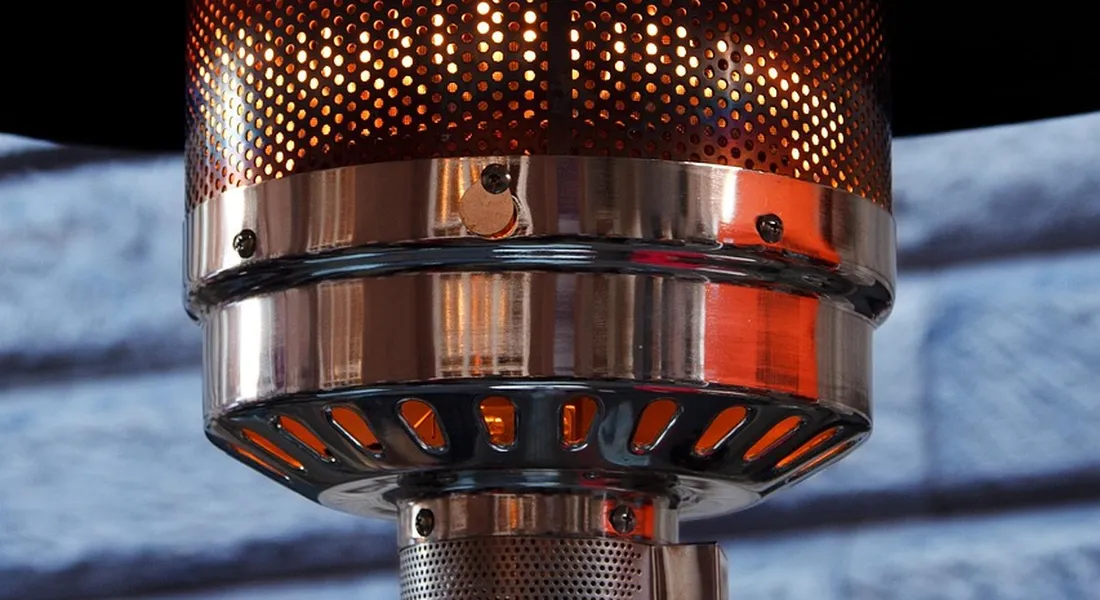
First, understand this. Your newer water heater is different. If you’re looking for a small pilot flame with a gas knob that says ON, OFF, and PILOT, you won’t find it. These modern units use an electronic ignition system. There’s no standing pilot light to manually light or relight. Trying to do so is impossible and can be dangerous.
Think of it like the difference between an old car you had to crank and a modern one with a push-button start. The system does the work for you. When it needs heat, an electric igniter sparks automatically to light the main burner gas. No constant flame, which saves energy.
How to Restart an Electronic Ignition System
The process is usually straightforward. Your goal is to reset the system and let it try its automatic lighting sequence.
- Find the gas control valve. It will have a knob, typically with settings like OFF, ON, and sometimes VACATION.
- Turn the knob to the OFF position. Wait for five full minutes. This critical step allows any stray gas in the combustion chamber to safely dissipate.
- After waiting, turn the knob from OFF to ON. Do not force it. It should turn smoothly.
- Listen carefully. You should hear a series of fast clicks from the spark igniter. You might see a small spark through the viewport. After a few seconds, the main burner should whoosh to life.
If you hear the clicking but the burner does not ignite, turn the knob back to OFF immediately and call a professional. This indicates a deeper problem with gas flow or the ignition module itself.
When the Electronic System Fails
If turning the knob produces no sound, no click, no spark, and no flame, your troubleshooting options are very limited. A failed electronic ignition is almost always a job for a licensed technician.
The issue is usually one of two expensive components sealed inside the unit:
- The ignition control module.
- The integrated gas control valve.
You cannot repair these parts. They must be replaced as an assembly. Diagnosing which one is faulty requires specialized tools and knowledge of gas appliance codes. On my own service calls, I’ve seen well-meaning homeowners cause hundreds of dollars in extra damage by trying to bypass these systems. It’s not a DIY fix.
Your safest and most reliable move is to schedule a service call. Explain to the technician that the electronic ignition sequence is not initiating. They will have the proper part and the expertise to get your hot water back safely.
The “Red Flag” Troubleshooting Guide: When Lighting Fails
You followed the steps but the pilot won’t stay lit. This is where real troubleshooting starts. The two most common questions I get are what to do if it won’t stay lit, and why it keeps going out, and the answer usually points to the same few culprits. First, always wait five full minutes for gas to clear if your initial attempts fail. Then start this checklist. There’s a gas water heater troubleshooting guide you can follow for those exact checks. It highlights common culprits and safe next steps.
Check the thermocouple. It’s that thin copper rod the pilot flame should wrap around. If it’s loose, bent away from the flame, or coated in soot, the gas valve won’t get the signal to stay open. Tighten it gently with an open-end wrench. Clean it lightly with fine steel wool. A misaligned or dirty thermocouple is the number one reason a pilot lights but dies when you release the button. If you see an orange flame and the water isn’t heating, that’s another sign of combustion or burner issues related to the thermocouple or gas supply.
Feel for a draft. A strong draft from a nearby vent or even a slammed door can blow out a pilot. Make sure the water heater’s access panels are fully sealed and the area is free from gusts. On my own unit, I had to add a simple draft guard to a basement window nearby.
Listen to the burner compartment. Do you hear a constant, slight hiss of gas even with the knob off? Do you smell gas outside of the lighting procedure? If you smell gas at any time other than when you’ve deliberately purged the line during lighting, turn the knob to OFF, leave the area, and call your gas company or a pro from outside.
Signs You Must Stop and Call a Professional
Some problems are not for DIY. If you see any of these five red flags, your job is to turn the gas control knob to OFF and make a phone call.
- Pilot lights but goes out when you release the button. You’ve checked the thermocouple alignment and connection. If it still fails, the thermocouple itself is likely bad or the gas valve’s internal magnet is shot. Replacing these requires shutting off gas and water lines.
- Pilot flame is weak, yellow, or lazy instead of a strong, sharp blue. A healthy flame should be blue with a slight blue tip. A yellow, soft flame means incomplete combustion. This is often a dirty pilot orifice or a problem with the gas pressure, which needs a technician with a manometer to test.
- You hear a strong gas smell *without* the control knob in “pilot”. This indicates a leak in the valve or a supply line. Do not attempt to light anything. Evacuate the area if the smell is strong and call for emergency service.
- The pilot won’t light at all, and you’ve purged the line for a full minute. You hear no gas hiss at the pilot assembly. This points to a fully blocked pilot tube (I’ve found spider webs and rust flakes) or a failed gas control valve. Both require disassembly you shouldn’t do.
- You see soot or scorching around the burner assembly. This is a serious sign of poor combustion or venting. Exhaust gases are not leaving properly, which can lead to carbon monoxide backing into your home. This requires immediate professional inspection of the flue and burner.
When NOT to Try This Yourself
Lighting a pilot light is a basic skill, but your first job is to recognize when the situation is beyond basic. Your safety checklist starts before you ever open the access panel.
If any of these red flags are present, close the panel, walk away, and call a licensed professional immediately.
- You smell gas. Not a faint whiff, but the distinct rotten egg odor of mercaptan. If you smell it strongly near the unit, do not light any flame or even flip a light switch. Evacuate the area and call your gas company from outside.
- The heater or basement is flooded. Water and the electrical components or gas valve of a water heater do not mix. This is an electrocution hazard and can cause severe corrosion inside the gas control system.
- You see visible damage. Look for cracked or corroded gas lines, a damaged gas valve, or heavy rust on the burner assembly. Physical damage means a part has failed and needs replacement, not just a relight.
- You’ve followed the correct procedure twice and it still fails. One failed attempt might be user error. Two solid tries with no pilot means something is wrong-a blocked pilot tube, a bad thermocouple, or a faulty gas valve. Continuing is pointless and risks flooding the combustion chamber with unburned gas.
An improperly adjusted or malfunctioning gas water heater is a genuine fire and carbon monoxide risk. Carbon monoxide is odorless and deadly. A faulty valve can leak gas or allow the burner to run incorrectly. This isn’t scare talk, it’s the mechanical reality of working with combustible fuel. In homes, carbon monoxide risks from water heaters are a real concern. Regular venting checks and maintenance reduce these dangers.
Lighting a pilot is simple if your system is sound. If it’s not, knowing when to stop is the smartest DIY move you can make. A pro will diagnose the real issue, often for the cost of a standard service call, and you’ll have hot water again without the gamble.
Quick Answers
How do I locate the pilot light on my gas or propane water heater?
Look at the bottom of the unit for a small metal access panel. Remove it to reveal the gas control valve and a thin copper tube (the pilot tube). If you see a knob with “Pilot,” you have a standing pilot. No knob? You likely have an electronic ignition system.
What are the general safety precautions before attempting to light the pilot light?
Clear flammable materials from the area and ensure good ventilation. Before opening any panels, sniff for gas. Always use a long match or lighter, and know where your main gas shutoff valve is located. If you smell gas, stop and call a pro.
My water heater has an electronic ignition system; how do I restart it?
You don’t manually light it. Turn the gas knob to OFF, wait five minutes, then turn it to ON. Listen for the automatic sparking sequence. If you hear clicks but no ignition, or no sound at all, turn it off and call a technician-it’s not a DIY fix.
What should I do if the pilot light won’t stay lit after following the instructions?
This usually points to a faulty thermocouple. Ensure it’s clean and positioned directly in the pilot flame. If it’s correctly aligned and the pilot still dies, the thermocouple or gas valve likely needs replacement. This is typically a job for a professional.
Is it safe to light the pilot light myself, or should I call a professional?
Relighting a known, accessible standing pilot is a common DIY task. However, if you smell gas, see damage, or the pilot refuses to stay lit after two proper attempts, your safest move is to shut off the gas and call a licensed plumber immediately.
Keeping Your Pilot Light Lit and Safe
Always start by finding the detailed lighting diagram on your water heater’s label or in the owner’s manual for your exact model. If the pilot goes out repeatedly, clean and maintain the thermocouple and verify it’s properly positioned before considering a replacement part.
Bob McArthur
Bob is a an HVAC and plumbing industry veteran. He has professionally helped homeowners resolve issues around water softeners, heaters and all things related to water systems and plumbing around their homes. His trusted advice has helped countless of his clients save time, money and effort in home water systems maintenance and he now here to help you and give you first hand actionable advice. In his spare time, Bob also reviews home water systems such as tankless heaters, water softeners etc and helps home owners make the best choice for their dwelling. He lives around the Detroit area and occasionally consults on residential and commercial projects. Feel free to reach out to him via the contact us form.