Is Your Sump or Well Pump Too Loud? Here’s How to Diagnose and Fix It
A loud bang, groan, or screech from your pump is more than annoying. It means something is wrong and you need to fix it before you have bigger problems.
We will cover the most common reasons pumps get loud, how to troubleshoot them yourself, when it’s time to call a professional, and the right way to dampen the noise.
I’ve got years in the field as a tech and my own basement has seen its share of noisy pumps. A loud pump is never a good sign. Ignoring it usually means a bigger, wetter, more expensive problem later.
The First Step: Listen and Locate the Noise
All pumps make sound when they work. A steady, low hum from your sump or well pump is normal. Listen for new, loud, or strange noises because those are your best clues that something needs attention. If the sump pump alarm keeps sounding, that’s a clear signal to check for possible clogs, wiring, or power issues. These quick checks will help you address the problem before flooding becomes a risk.
Figure out where the sound starts. Is it coming from the sump pit in the basement, the pressure tank on the wall, or the pipes running through your house? Sound can travel, so get close to each part. Crouch by the sump pit, then put your ear near the pressure tank, and finally follow the discharge pipe.
Homeowners often ask, are sump pumps supposed to be loud? A healthy pump has a consistent hum or buzz. Banging, grinding, or screeching means your pump is not operating correctly and needs troubleshooting.
Use this simple trick to find the exact source. Turn off other appliances like furnaces or dehumidifiers. While the pump is running, gently place your hand on the pump housing, the pressure tank, and the pipes. Feel for vibrations. The component with the strongest, most intense vibration is usually where the problem noise originates.
What That Loud Noise Usually Means
Match the sound you hear to a common problem. This turns noise from a nuisance into a useful diagnostic tool.
A grinding or gravelly noise typically means the pump’s impeller is worn or damaged. The impeller is the spinning fan that moves water. When its blades wear down or something gets stuck in it, it sounds rough. You will likely need to clean the pump or replace the impeller.
Hammering or loud banging in your pipes is often caused by air in the system. This is called water hammer. It happens when a valve closes quickly or the pressure tank loses its air charge. Air in the pressure tank or pipes causes shockwaves that sound like someone is hitting the pipes with a hammer. Check and recharge your pressure tank’s air bladder.
Rattling and clanking usually point to loose hardware. The discharge pipe that carries water away from the pump can vibrate against floor joists or wall straps. Secure any loose pipe clamps or hangers to eliminate simple rattling noises. Tighten them with a screwdriver or wrench.
A high-pitched screech or whine is a serious warning. This often means the pump is running dry, without enough water to cool and lubricate it. A pump running dry can overheat and burn out its motor in minutes. Check the water level in your sump pit or well pump’s intake immediately.
Compare these sounds to a healthy pump. A good pump has a smooth, mechanical hum. If yours sounds like a struggling appliance, it is failing. People ask about brand quality, like are Zoeller sump pumps quiet? Reputable brands build durable pumps, but no pump is silent. Even a top tier pump will be loud if it is poorly installed, sitting on a loose base, or connected to rattling pipes. Focus on the installation, not just the brand name.
Your Red Flag Troubleshooting Guide
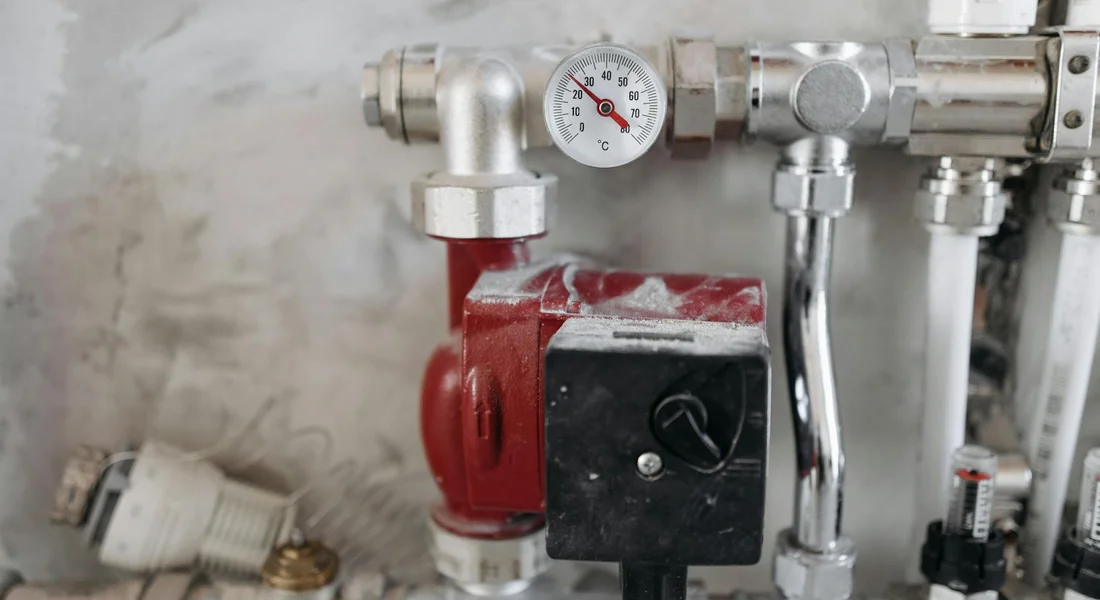
Some pump noises are annoying. Others mean you have a serious problem that needs a professional. Here is when to stop troubleshooting and call for help.
- The motor hums but the pump doesn’t run. This usually means the impeller is jammed with debris. Trying to force it can burn out the motor completely.
- You smell burning plastic or electrical odor. This is a sign the motor is overheating or shorting out. It is a fire hazard.
- The pump runs non-stop, even when no water is present. This often signals a failed float switch or a massive water inflow. It will burn out the pump.
- There is a major leak at the pit or around the pressure tank. Water where it shouldn’t be can mean a cracked pit, a failed seal, or a broken pipe fitting.
Before you touch anything for a closer look, always go to your electrical panel and turn off the breaker for the pump. Water and electricity are a deadly combination. Your safety is more important than a quick diagnosis.
Is It the Sump Pump or Well Pump?
Figuring out which pump is making noise is your first step. They work for different reasons and live in different places. The table below breaks it down.
| Feature | Sump Pump | Well Pump (Submersible) |
|---|---|---|
| Main Job | Removes groundwater from a sump pit to prevent basement flooding. | Pumps water from your well into your home’s pressure tank for use. |
| Typical Location | In a pit in your basement or crawlspace. | Submerged deep in your well. The pressure tank is usually in a basement, garage, or well house. |
| What Makes It Run | Rainfall or snowmelt raising the water level in the pit. | You using water in the house, which drops pressure in the tank. |
| Common Noise Source | Vibration against the pit, loose pipes, check valve “slam.” | Vibration from the pressure tank or pipes, water hammer from the pump cycling. |
Can you hear a sump pump working? Yes, a normal hum or pump sound from the basement is common when it kicks on during a storm.
Can you hear a well pump running? Often, yes. You usually hear the pressure tank clicking on and the water surging through pipes inside your house, not the pump itself at the bottom of the well.
Quick Fixes You Can Do in 10 Minutes
If the noises are more annoying than alarming, try these simple checks. They solve a lot of common vibration and rattling problems.
- Check and secure loose discharge pipes. The pipe that carries water away from the pump is a major noise culprit. Hold it. If it shakes, secure it to a joist or wall with pipe hangers or strapping. A loose pipe bangs around and amplifies every pump vibration.
- Ensure the pump is sitting level and clear. Look at the pump in the pit. It should sit flat on the bottom and not touch the sides. If it’s tilted or rubbing, gently reposition it. A pump touching the pit wall turns the whole pit into a speaker.
- Listen for the check valve slap. When the pump shuts off, you might hear a loud thud in the pipes. That’s the check valve closing hard to stop water from flowing back. You can install a “soft-close” or “silent” check valve. The one in my own basement made a huge difference.
These simple steps address the most frequent causes of loud pump operation and cost very little to fix. If the noise continues after this, the issue may be internal to the pump or motor.
How to Diagnose and Troubleshoot the Problem
Ignore the quick fixes for a minute. Your pump is telling you something is wrong, and you need to listen. This is where we stop guessing and start checking. A good diagnosis saves you time and money. Follow these two stages: first, find the exact source of the noise, then apply the correct repair.
Step-by-Step Diagnosis
Do these checks in order. Grab a flashlight and put your ear to work.
- Power cycle the pump. Turn it off at the circuit breaker, wait a full minute, then turn it back on. This resets the motor and controls, clearing a temporary electronic hiccup.
- Look inside the sump pit or at the well tank. Check for mud, gravel, or sticks that could jam the impeller. See if the float switch moves freely. A float tangled in a wire or stuck against the wall causes loud, irregular cycling.
- Listen for where the sound starts. When the pump kicks on, kneel down. Is the grinding or humming coming directly from the motor housing? Or is it a banging that echoes through the pipes? This tells you if the problem is internal or in the plumbing.
- Find and clean the inlet screen. Many submersible pumps have a screen at the bottom. Shut off the power, pull the pump up if you can, and brush off any silt or debris. A clogged screen makes the pump work harder and louder.
- Check the check valve. Listen for a loud thud right after the pump shuts off. This often means the check valve on the discharge pipe is stuck or failing. You can sometimes feel the pipe shudder.
This systematic approach points you to the real culprit, whether it’s a simple clog or a dying pump.
Common Repairs for Common Noises
Match the sound you heard during diagnosis to one of these fixes. I keep spare pipe straps and an arrestor in my toolbox because these are common jobs in my own home.
For rattling pipes, add strapping or foam insulation where the pipe contacts joists or walls. The vibration from the pump travels. Use metal pipe straps to anchor the discharge line securely every four to six feet. For a simpler fix, slip a piece of foam pipe insulation around the pipe where it rattles.
A water hammer bang requires a small water hammer arrestor on the discharge line near the pump. It works just like the one on your washing machine. The arrestor has an air chamber that absorbs the shock when water flow stops suddenly, silencing that jarring knock.
Grinding from the impeller usually means the pump is done and needs replacement. If the impeller is chewing itself up, the bearings and motor are likely shot. Repair kits exist but are often more hassle than they’re worth for a basic sump or well pump. Replacing the entire unit is the reliable move.
How to Soundproof a Loud Pump (The Right Way)
Think of soundproofing like taking painkillers for a broken arm. It might make the noise more tolerable for a while, but it does nothing to fix the actual problem. A pump that suddenly gets loud is telling you something is wrong. You must diagnose and fix any mechanical issues, like a failing bearing or a clogged impeller, before you even think about sound treatments. Ignoring the root cause will lead to a dead pump and a flooded basement.
Many homeowners see noise and immediately search for acoustic foam. It’s cheap and looks high-tech. But can acoustic foam soundproof a sump pump? The short answer is no, not really. Acoustic foam is designed to absorb high-frequency sound waves bouncing off walls in a recording studio. Your pump’s noise comes from two places: vibrating metal touching concrete, and vibration traveling through the rigid discharge pipe. That foam panel does nothing to stop solid vibrations. It might dampen some slight echo in the pit, but it will not silence the deep hum or loud rattling that keeps you up at night. For that, you need to stop the vibration at its source. While finishing a basement and installing a sump pump, plan for vibration control from the start. Proper mounting and pipe routing can minimize noise before you seal walls.
Effective Sound Dampening Methods
Real sound reduction tackles vibration transmission. Here are three proven methods, from easiest to most involved. I’ve used all of them in my own home and on service calls.
1. Install a Vibration-Absorbing Pump Pad
This is your first and easiest line of defense. Most pumps sit directly on the concrete floor of the sump pit or well tank pad. Every vibration transmits right into the foundation, turning your floor into a giant speaker. A specialized pad goes underneath the pump.
A good pump pad isolates the unit from hard surfaces, turning loud structure-borne noise into a much quieter hum.
- Tools & Parts Needed: A neoprene or high-density rubber pump pad (cut to size), utility knife, simple green or similar cleaner.
- Steps:
- Unplug the pump and disconnect any wiring.
- Carefully lift the pump out of the pit. Have a bucket ready for dripping water.
- Clean the spot in the pit where the pump sat.
- Place the pad in the clean, dry spot. Trim with a utility knife if needed.
- Set the pump back on the pad and reconnect everything.
- Pro Tip: Do not use a piece of scrap foam or an old towel. These will soak up water, promote mold, and decompose. Use a material designed for wet environments.
2. Use Flexible Rubber Couplers on the Discharge Pipe
The loud “water hammer” bang and the constant vibration hum often travel up the rigid PVC discharge pipe. By breaking that rigid connection with a flexible section, you stop the noise in its tracks.
Installing a flexible rubber coupler is a simple plumbing job that cuts down on pipe noise dramatically. I put one on my own basement sump pump line last year and the difference was immediate.
- Tools & Parts Needed: A Fernco or similar shielded rubber coupling (get the correct size for your PVC pipe), two pipe clamps, a hacksaw or PVC cutter, screwdriver.
- Steps:
- Turn off the pump. Mark a section to cut out of the vertical discharge pipe, about 4 to 6 inches above the pump’s discharge outlet.
- Cut out the marked section of pipe with your hacksaw.
- Slip the rubber coupler onto one end of the pipe.
- Align the other pipe end and slide the coupler into the center so it covers both pipe ends equally.
- Tighten the stainless steel clamps on each end of the coupler with a screwdriver.
- Watch Out: Ensure the coupler is rated for pressure. Do not over-tighten the clamps or you can crack the PVC. The coupling must be accessible and not buried.
3. Build a Ventilated Sound Enclosure
For pumps in a utility area, a well-built box around the unit is the gold standard for noise reduction. This addresses airborne sound directly. The key words are “ventilated” and “mass.” A sealed box will cause the pump to overheat. A flimsy box does nothing.
- Tools & Parts Needed: MDF or plywood (1/2″ or thicker), mass-loaded vinyl (MLV), acoustic caulk, ventilation louvers or a small fan, screws, hinges for an access door.
- Steps:
- Build a simple five-sided box frame from wood, sized to leave several inches of clearance around the pump and pipes.
- Line the inside of the box with mass-loaded vinyl, sealing seams with acoustic caulk. This heavy sheet is what actually blocks sound.
- Cut a large hole on the side or top and secure a vent louver over it to allow heat to escape.
- Attach the final side with hinges to create a door for maintenance access. Use weatherstripping around the door edge.
- Place the box over the pump, ensuring no wires or pipes are pinched.
- Critical Safety Note: Ventilation is non-negotiable. Never enclose a pump without a plan for airflow, especially for well pumps with motors that generate significant heat.
| Method | Estimated Cost | DIY Difficulty | Noise Reduction |
|---|---|---|---|
| Pump Pad | $20 – $50 | Easy | Fair. Targets vibration at one source. |
| Flexible Coupler | $15 – $30 | Moderate (requires cutting pipe) | Good. Stops pipe-borne vibration. |
| Sound Enclosure | $100 – $250+ | Hard | Very Good. Addresses airborne sound directly. |
Keeping Your Pump Quiet for Good
The loud pump is fixed. Now, let’s make sure it stays that way. A noisy pump is usually a warning sign of something wearing out. Regular, simple attention is the cheapest repair you will ever do, especially when compared to repair and rebuild costs for a submersible well pump.
Think of it like changing the oil in your car. You do it to prevent a seized engine. For your pump, a small amount of maintenance prevents a flooded basement or a dry well.
Your Simple Pump Maintenance Checklist
You don’t need to be a pro. Set a reminder on your phone and follow these steps. I do this for the pump in my own basement, and it takes less than an hour a year.
Test Monthly (Especially in Dry Seasons)
Your pump can seize if it sits idle for months. Once a month, pour a 5-gallon bucket of water into the sump pit. The pump should kick on, run, and shut off smoothly. For a well pump, start and prime the well pump, then run a faucet and listen for the pressure tank switch to activate the pump. You’re listening for smooth operation, not grinding or struggling.
This monthly test confirms the pump and its switch are still alive and ready for a real storm.
Clean the Pit Annually
This is a fall job for me, before the rainy season. Unplug the pump. Use a wet/dry shop vac to remove water and debris from the bottom of the pit. Clear out any gravel, sand, or silt. Debris in the pit gets sucked into the pump impeller, causing grinding noise and premature failure. Keeping the sump pump pit clean helps prevent clogs and premature wear. A clean sump pump pit makes future maintenance quicker and ensures reliable operation during storms.
While you’re in there, wipe down the pump’s exterior and the float switch rod to ensure nothing is stuck.
Inspect the Check Valve
Listen after the pump shuts off. Do you hear a loud “thump” or the sound of water rushing back into the pit? That’s a failing check valve. Visually inspect the valve on the discharge pipe. Look for mineral buildup or cracks. A weak valve lets water hammer back, straining the pump with every cycle.
Replacing a $25 check valve is far easier than replacing a pump burned out from short cycling.
Listen for Changes in Sound
You know what your quiet pump sounds like. Pay attention. A new hum, rattle, or screech is your first clue something is wrong. Is the sound coming from the pump itself, or the pipes in the wall? This simple act of noticing can help you catch a loose bolt or worn bearing before it becomes a catastrophic failure.
Following this routine is not complicated. It builds a history with your equipment so you know when something is off. A little attention truly does prevent a noisy, wet crisis.
Common Questions
1. Is a loud pump an immediate emergency?
Not always, but certain sounds are serious red flags. A high-pitched screech or a burning smell means you should turn off the pump at the breaker and call a pro right away. Ignoring these can lead to motor failure or a fire hazard.
2. What’s the one thing I should never do when troubleshooting?
Never reach into a sump pit or touch a pump’s wiring without first shutting off its dedicated circuit breaker. Water and electricity are a deadly mix. Your safety is more important than a faster diagnosis.
3. Will wrapping my pump in acoustic foam quiet it down?
No. Acoustic foam absorbs echo, not the solid vibration causing the noise. To truly dampen sound, you must stop vibrations at the source with a pump pad or flexible coupler, but only after fixing any mechanical problem first.
4. How often should I check my pump to prevent noise?
Test it monthly by pouring water into the pit. Do a full clean-out of debris annually. Consistent, simple maintenance is the best way to prevent the wear and tear that leads to loud operation.
5. When is it definitely time to call a professional?
Call a technician if you see major leaks, smell burning, or if the pump runs continuously. Also call if DIY fixes for rattling pipes or a loose pump don’t solve the core noise issue, as the problem is likely internal.
Your Action Plan for a Quiet Pump
Always let the noise guide your first step-a grinding sound means check the impeller, while a loud hum often points to a motor or power issue. After diagnosis, start with the most straightforward fix, like securing loose pipes or cleaning the sump pit, before considering soundproofing mats or professional service.
Bob McArthur
Bob is a an HVAC and plumbing industry veteran. He has professionally helped homeowners resolve issues around water softeners, heaters and all things related to water systems and plumbing around their homes. His trusted advice has helped countless of his clients save time, money and effort in home water systems maintenance and he now here to help you and give you first hand actionable advice. In his spare time, Bob also reviews home water systems such as tankless heaters, water softeners etc and helps home owners make the best choice for their dwelling. He lives around the Detroit area and occasionally consults on residential and commercial projects. Feel free to reach out to him via the contact us form.