
Water Filtration Explained: How Home Systems Remove Contaminants
You want to know what’s really in your water and how to get it out. This guide cuts through the marketing to show you how.
We will cover how sediment filters block particles, why carbon grabs chemicals, and the science behind reverse osmosis.
I’ve installed and repaired these systems for years. Here’s your takeaway: the right filter fixes your specific water issue.
What’s Really in Your Water? Common Contaminants Explained
You can’t pick the right filter if you don’t know what you’re fighting. Think of your water like a road coming into your house. Different stuff travels on it, and you need different tools to clear the path.
Sediments: The Grit and Gravel
These are the physical particles you can sometimes see. Rust flakes from old pipes, sand, silt, and dirt. They’re the gravel in your water’s road. They make water look cloudy, clog faucet aerators, and wear out appliance valves. A simple sediment filter is your first line of defense, like a screen door.
If your sink aerator keeps clogging with black or orange specks, you’re dealing with sediment.
Chemicals: The Unseen Traffic
You can’t see or taste all of these, but they’re there. Municipal water suppliers add chlorine to kill germs. While safe, it gives water that pool smell and taste. More concerning are chemicals like pesticides, herbicides, and industrial solvents (often called VOCs).
Chlorine is a common target for filters, but VOCs require a more specialized approach to remove.
Minerals (Hardness): The Scaling Buildup
This is calcium and magnesium. They’re not unhealthy to drink, but they’re brutal on your home. As hard water heats and evaporates, these minerals solidify. They form the rock-like scale inside your water heater, coffee maker, and on your shower glass.
Hard water doesn’t get filtered out in the traditional sense, it gets removed through a process called ion exchange in a water softener. That white crust on your faucet is the calling card of hard water.
Microbes: The Biological Hitchhikers
Bacteria, viruses, cysts like giardia. These are the unwanted biological hitchhikers. For most city water, chlorine treatment handles this. But if you’re on a well, or there’s a boil-water advisory, microbes are the primary threat. They’re not about taste or scale, they’re about health.
You need a specific purification method, like UV light, to reliably neutralize biological contaminants. I once helped a neighbor with a persistent musty smell in their well water. It turned out to be non-harmful iron bacteria, but it confirmed the need for proper testing.
Identifying which of these contaminants are in your water is the absolute first step in choosing a filter. Get a water test. It’s the roadmap for your filtration project.
The Filtration Lineup: Main Types of Home Water Systems
Filtration is simply the process of trapping or transforming contaminants as water passes through. No single method catches everything. That’s why systems are often combined. Here are the six main players you’ll encounter in the various stages of water purification.
Activated Carbon
Think of a super porous sponge with a massive surface area. As water flows through, chemicals like chlorine, some pesticides, and bad tastes stick to the carbon’s surface. This is the most common filter for improving taste and odor by adsorbing common chemicals. You’ll find it in fridge filters, pitcher filters, and under-sink units.
Reverse Osmosis (RO)
This system uses pressure to force water through a membrane with incredibly tiny pores. The pores are so small they block molecules larger than a water molecule. Reverse Osmosis is a near-complete purification, removing up to 99% of dissolved solids, including many that carbon misses. It’s the workhorse for comprehensive contaminant removal.
Distillation
This is the oldest method. Water is boiled into steam, leaving contaminants behind, then the steam is cooled and condensed back into pure water. Distillation is very effective but slow and energy-intensive, making it less common for whole-house use. You typically see it in countertop appliances.
UV Purification
No physical filter here. Instead, water passes by a special ultraviolet light. The UV radiation scrambles the DNA of bacteria, viruses, and other microbes, rendering them harmless. UV systems are purely for disinfection and do nothing for chemicals, taste, or hardness. They are a fantastic final stage for well water. Some systems pair UV with chemical disinfection to address chemicals UV cannot remove. A quick look at UV purification vs chemical disinfection can help you decide what best fits your needs.
Ceramic Filters
These are physical barriers made of porous ceramic material, often with silver embedded to inhibit bacteria growth. Ceramic filters are excellent for removing sediment and cysts, and they can be cleaned and reused many times. They’re durable but can clog quickly with very dirty water.
Ion Exchange (Water Softeners)
This is how water softeners work. Hard water flows through a tank filled with resin beads coated with sodium ions. The calcium and magnesium ions (which cause hardness) swap places with the sodium ions and stick to the beads. Ion exchange doesn’t filter or physically remove particles, it chemically removes the minerals that cause scale. This is the system that protects your water heater and plumbing from crusty buildup.
Each method has its specialty. Matching that specialty to the contaminants in your water is the key to clean, safe, and problem-free water at home.
Inside the Machine: How Each Filtration Method Works

Activated Carbon: The Chemical Magnet
Activated carbon works through a process called adsorption. Think of it as a sticky trap. The carbon is processed to have a huge number of tiny pores, creating a massive surface area inside the filter. As water flows through, contaminants like chlorine, some chemicals, and bad odors physically stick to the walls of these pores.
It acts less like a net and more like a chemical magnet, grabbing onto impurities as they pass by. A good comparison is a super-powered sponge specifically designed to soak up bad tastes and smells from your water. In my own home, I use a simple carbon filter on my kitchen tap to tackle the chlorine taste from city water, and it makes a noticeable difference for coffee and cooking.
The carbon eventually gets full and must be replaced. You’ll know it’s time when the bad tastes or smells return.
Reverse Osmosis: The Ultimate Strainer
Reverse osmosis (RO) uses pressure to push water through a semi-permeable membrane. This membrane has extremely tiny holes that only water molecules can fit through. Almost everything else, like dissolved salts, metals, and many chemicals, gets left behind and flushed away.
Osmosis is the natural process where water moves through a membrane to balance concentrations. RO reverses this. We apply pressure to force the water from the contaminated side to the clean side, which is the opposite of what nature wants to do. That applied pressure is the key to making reverse osmosis an effective purification method.
A typical home RO system isn’t just one filter. It uses multiple stages. First, water goes through a sediment pre-filter to catch sand and rust. Next, it often passes through an activated carbon pre-filter to remove chlorine, which can damage the delicate RO membrane. Finally, water hits the RO membrane itself. The purified water is stored in a tank, while the wastewater carrying the concentrated contaminants goes down the drain.
Distillation: Boil and Capture
Distillation is a straightforward heat-based process. You boil water to create steam. Since most contaminants don’t vaporize, they are left behind in the boiling chamber. The steam is then cooled and condensed back into liquid water in a separate, clean container.
This method mimics how nature purifies water through the rain cycle: evaporation, condensation, and precipitation. It’s very effective at removing minerals, many bacteria, and viruses. However, it uses a lot of energy to boil the water and doesn’t remove some chemicals that boil at a lower temperature than water, like certain volatile organic compounds (VOCs). I’ve only recommended distillation for very specific situations, like in a home science lab or for an aquarium, due to the high energy cost and slow production rate.
UV Purification: Light as a Disinfectant
UV purification uses ultraviolet light to disinfect water. The water flows past a special UV lamp. The light emits a specific wavelength that penetrates the cells of microorganisms like bacteria and viruses. This illustrates how UV water purification systems work to inactivate microbes as water passes through the chamber. The resulting disinfection helps keep drinking water safe.
This UV light scrambles the DNA inside these microbes. With damaged DNA, the germs cannot reproduce or make you sick, effectively neutralizing them. It’s a powerful disinfectant, but it has a critical limitation. The UV light does nothing to chemicals, heavy metals, or physical particles in the water. The water must be clear for the light to work effectively. On a service call for a well system, I often install a sediment filter before the UV unit to ensure the water is clear enough for the light to do its job.
Ceramic Filters: The Physical Barrier
Ceramic filters work by simple physical filtration. They are made from porous ceramic material, similar to a very fine, hard sponge. The pores are microscopically small, small enough to block pathogens like bacteria and protozoan cysts, as well as sediments like silt and rust.
Water seeps through these tiny pores, but the harmful particles are too big to fit and get trapped on the surface. This is the same basic principle used in biosand water filtration systems, where layers of sand and gravel physically strain out impurities. I keep a ceramic filter candle for my emergency camping kit; it’s a reliable way to get clean drinking water from a stream without any power or complex parts.
Over time, the surface of the ceramic can clog. You simply need to scrub it gently with a brush under running water to clean it and restore flow.
Ion Exchange: The Mineral Swapper
Ion exchange is the science behind every standard water softener. It uses a tank filled with tiny plastic resin beads. These beads are coated with sodium (or potassium) ions, central to water softening techniques.
As hard water flows through the tank, the resin beads perform a swap. They grab onto the hardness minerals, calcium and magnesium ions, and in exchange, release their sodium ions into the water. This process removes the minerals that cause scale buildup, but it adds sodium to the water instead. It is specifically designed for softening, not for comprehensive purification. It won’t remove contaminants like lead, bacteria, or chlorine.
When the resin beads run out of sodium, the system regenerates by flushing them with a salty brine solution, which reloads the beads with sodium and washes the accumulated hardness minerals down the drain. In my basement, my softener does this automatically every few days to keep my appliances scale-free.
What Gets Removed? Your Contaminant Removal Cheat Sheet
First things first, there is no single magic bullet filter. Any company that claims their one filter removes everything is not telling you the whole story. Different contaminants require different tactics.
Think of it like tools in your toolbox. You wouldn’t use a hammer to tighten a bolt. Here is your quick-reference guide.
| Target Contaminant | Best Method(s) to Remove It | How It Works (The Simple Version) |
|---|---|---|
| Sediment & Dirt (Sand, Rust, Silt) | Sediment Filters (String Wound, Pleated, Melt-Blown Cartridges) | A physical mesh or fabric traps particles as water flows through. It’s like a screen door for your water line. |
| Chlorine & Bad Tastes/Smells | Activated Carbon Filters (Granular or Block) | Billions of pores in the carbon grab and hold onto chlorine and organic chemicals. The carbon in my fridge filter does this. |
| Lead, Copper, Mercury | Catalytic Carbon, KDF Media, Reverse Osmosis | These methods use a chemical reaction to swap harmful metal ions for harmless ones or block them entirely with a super-fine membrane. |
| Bacteria & Cysts (Giardia) | Ultraviolet (UV) Light, Sub-Micron Filters (< 1 micron) | UV light scrambles the DNA of microbes. A sub-micron filter is a net so fine it physically traps them. |
| Viruses | Ultraviolet (UV) Light | UV is the most reliable home method. The light penetrates the virus and stops it from reproducing. |
| Nitrates, Fluoride, Arsenic | Reverse Osmosis, Specific Anion Exchange Resins | |
| Calcium & Magnesium (Hardness) | Water Softener (Ion Exchange) | The softener’s resin beads trade sodium or potassium ions for the hard calcium and magnesium ions. |
You will almost always need a combination of these methods for truly comprehensive water treatment. A common and effective setup is a sediment filter to protect equipment, followed by a carbon filter for chemicals, and finally a UV system for biological safety.
Your city’s treatment plant uses this layered approach on a massive scale. They start with coagulation to clump dirt, then filtration through sand and gravel beds, followed by disinfection with chlorine or chloramines. Some even use activated carbon and UV. Their job is to make water safe to the street; your home system’s job is to polish it for your tap.
The Practical Truth: Pros and Cons of Each Method
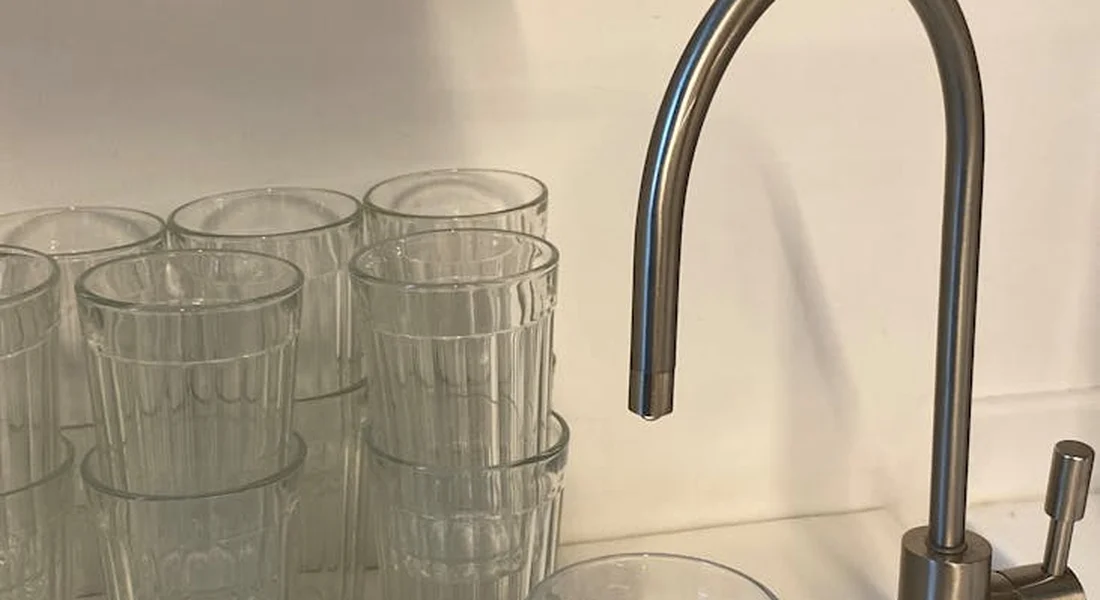
Knowing the science is good. Knowing what it means for your wallet and your Saturday morning is better. Here’s the real world breakdown of each major filtration method.
Mechanical Filtration (Sediment Filters)
Think of this as a screen door for your water. A physical barrier, usually made of spun polypropylene or pleated fabric, catches particles as water flows through.
- Pros: Low upfront cost. Simple to install and replace. Excellent for protecting appliances from sand, silt, and rust.
- Cons: Does not remove chemicals, metals, or dissolved solids. Cartridges clog and need regular replacement. Can slow water flow if too fine.
A sediment filter is your first line of defense, but it doesn’t make water “clean” from chemical contaminants.
Activated Carbon Filtration
This method uses a block or granules of carbon with a massive surface area (like a microscopic sponge). Contaminants stick to the carbon’s surface, a process called adsorption.
- Pros: Very effective at removing chlorine, bad tastes, and odors. Good reduction of many organic chemicals and some pesticides. Improves water taste dramatically.
- Cons: Does not remove minerals, salts, or nitrates. The carbon gets “full” and must be replaced. Can harbor bacteria if not changed on time. Slower flow rate than mechanical filters.
If your main complaint is taste or smell, a quality carbon filter is often the simplest and most cost effective fix.
Reverse Osmosis (RO)
RO pushes water through a semi permeable membrane with holes so tiny only water molecules can fit. Almost everything else gets flushed away as wastewater.
- Pros: Removes a very wide range of contaminants, including dissolved solids, heavy metals, nitrates, and fluoride. Produces exceptionally pure water for drinking.
- Cons: Generates wastewater (3 4 gallons wasted for 1 gallon purified is common). Requires multiple filter stages and a storage tank. Flow to the faucet is slow. Requires more maintenance and has a higher initial cost.
Reverse osmosis is the gold standard for drinking water purity, but you pay for it in wastewater, maintenance, and countertop space.
Ion Exchange (Water Softeners)
This is less about filtration and more about swapping ions. A resin bed trades harmless sodium or potassium ions for the hard calcium and magnesium ions in your water.
- Pros: Eliminates scale buildup in pipes and appliances. Makes soap lather better and prevents spots on dishes. Very effective for its specific purpose.
- Cons: Does not purify water (doesn’t remove bacteria, chemicals, etc.). Adds sodium to water (a concern for some diets). Requires regular salt and occasional resin bed maintenance. Produces brine waste during regeneration.
A water softener solves a hardness problem, not a contamination problem, and it requires a dedicated drain and electrical outlet.
How High Efficiency Water Filtration Systems Work
The most effective systems for whole house or drinking water rarely use one method. They layer them like a toolbox. A common high efficiency setup for drinking water is a three stage system under your sink. Stage one is a sediment filter to catch grit. Stage two is an activated carbon block to grab chemicals and chlorine. The final stage is the reverse osmosis membrane for ultimate purification.
This combination protects the delicate RO membrane from clogging and chemical damage, which makes the entire system last longer and work better. For whole house systems, you might see a sediment pre filter guarding a high capacity carbon tank, or a softener paired with a final carbon “polishing” filter. The key is matching the sequence of technologies to the specific contaminants in your water. You test first, then build the system to target what you found.
A high efficiency system stacks the right methods in the right order, using simpler filters to protect the more complex and expensive ones downstream.
Red Flags: Signs Your Water Filter is Failing
Your water filter won’t last forever. Knowing the failure signs saves you from drinking bad water or causing plumbing damage. Ignoring these warnings is like driving with a check engine light on.
When you spot these red flags, act immediately to diagnose the issue or call for service.
1. Funny Taste or Smell Returns
This is your most direct warning. That chlorine, rotten egg, or metallic taste coming back means the media inside the filter is exhausted. It can’t grab contaminants anymore.
For a simple undersink carbon filter, the fix is a cartridge swap. For a whole-house system like an air injection iron filter, a spent media bed might need backwashing or professional servicing.
First, verify the problem by tasting water from a faucet before the filter (like an outside spigot) and one after it. If they taste the same, your filter is done.
2. Water Pressure Drops Noticeably
Sudden low pressure at all your faucets often points to a clogged filter. As sediment, iron, and particles build up, they block the flow. I’ve seen this turn a good shower into a frustrating trickle.
Check the pressure at a faucet before your whole-house filter (like a basement utility sink) and after. A big difference confirms the clog.
A severe pressure drop can strain your well pump or water heater, so don’t let this go. For cartridge filters, swap it. For tank systems, a manual backwash might clear it, or the control valve may be stuck.
3. Filter Housing is Leaking
A leak is never good. It means a seal has failed, the housing is cracked, or it wasn’t tightened properly. Water damage from a slow drip can rot cabinets and flooring.
For clear sump-style housings, check the O-ring. Lubricate it with silicone grease and re-tighten the bowl by hand-never use a wrench, as you can crack the plastic. If it’s a metal tank leaking at the connection, the threaded fitting may need Teflon tape or a new union.
A crack in the housing itself means a full replacement is necessary; no repair will last. Turn off the water supply to the filter immediately if you find a leak.
4. The System Makes Strange Noises
Filters should be quiet. New sounds are clues. Loud banging or knocking (water hammer) can happen if a clogged filter causes sudden pressure shifts. Gurgling or hissing from a tank often signals an air charge problem or a faulty control valve.
Listen closely. Is the noise coming from the filter tank or the control valve on top? A rhythmic clicking from the valve during a cycle might be normal, but constant hissing is not.
Document when the noise happens-during use, during a recharge cycle, or constantly-to give your technician a precise starting point.
5. Visible Sediment or Discoloration in Your Water
Seeing flecks of black carbon, brown iron, or general cloudiness means the filter is breaking down or has been bypassed. Carbon fines from a new filter can flush out for a bit, but persistent sediment means the cartridge is deteriorating internally.
Fill a clear glass from the cold kitchen tap and let it sit. If particles settle, your filter media is escaping into your pipes.
This debris can clog faucet aerators and appliance valves, leading to a second wave of repairs. Shut off the water downstream of the filter and replace the cartridge or call for a system flush.
Water Science Snippet: TDS, pH, and the Magic of Pores
Total Dissolved Solids: The Stuff in Your Water
Imagine boiling a pot of tap water until it’s completely dry. The chalky white or gritty residue left in the bottom? That’s a visual of Total Dissolved Solids (TDS). It’s all the inorganic salts, minerals, and metals dissolved in your water. Think of TDS as the scorecard for what’s in your water besides H2O. Common culprits are calcium, magnesium, sodium, chlorides, and sulfates.
Most water filters are designed to reduce specific TDS components. A water softener, for example, trades calcium and magnesium (hardness minerals) for sodium, changing the TDS makeup but not necessarily lowering the total number. A reverse osmosis system is one of the few that aggressively reduces overall TDS by forcing water through an extremely fine membrane.
pH Balance: What Most Filters Don’t Touch
pH measures how acidic or alkaline your water is on a scale from 0 (very acidic) to 14 (very alkaline). Pure water is neutral at 7. The key thing to know is that standard mechanical and carbon block filters do not meaningfully alter your water’s pH. They are built to remove particles and chemicals, not to rebalance water chemistry.
If your incoming water is acidic (common with well water), a standard undersink filter won’t fix that. You would need a specific acid-neutralizing filter or calcite contact system. The exception is some specialty remineralization filters, which can add minerals like calcium back into purified water, slightly raising its pH and improving taste.
The Physical Block: How Filter Pores Actually Work
At its most basic, filtration is a game of keep-out. Every filter media, from a simple sediment screen to a complex carbon block, has pores-tiny tunnels and passageways. Contaminants get removed when they are physically larger than the pores they try to pass through. This is called mechanical filtration.
Pore size is measured in microns. One micron is 1/70th the width of a human hair. Here’s what that blocks:
- A 5-micron sediment filter: Stops rust, sand, and silt.
- A 0.5-micron carbon block: Traps cysts like Giardia and Cryptosporidium, and most bacteria.
- A reverse osmosis membrane (approx. 0.0001 microns): Removes dissolved salts, metals, and viruses.
The smaller the pore, the more it restricts water flow. That’s why a whole-house sediment filter has large pores for high flow, while an RO system needs a storage tank because its flow rate is slow. When you change your filters, you’re often replacing media where the pores have become clogged with the gunk they caught, protecting everything downstream.
DIY or Call a Pro? Installation, Maintenance, and Rules
The DIY vs. Pro Verdict: Difficulty Rating
Not every job needs a pro. But some definitely do. I’ve installed all these systems, and here’s my honest rating from 1 (changing a lightbulb) to 10 (full bathroom remodel).
- Under-Sink Filter (Difficulty: 3/10). Most kits are designed for DIY. A handy homeowner can mount the bracket, connect the supply line to the cold valve, and install the faucet.
- Whole-House System (Difficulty: 7/10). This gets serious. You can handle mounting the tank and connecting pre-filter housings. The moment you need to cut and tee into your main ¾-inch or 1-inch water line, you should call a licensed plumber. Getting that wrong floods your basement.
- Reverse Osmosis with Plumbing (Difficulty: 8/10). Mounting the unit and connecting the faucet is fine. The tricky parts are installing the dedicated drain saddle for the wastewater and the saddle valve on the supply line. Mess up the drain connection and you get a slow, smelly leak under your sink.
Any system needing electrical, like a UV sterilizer, requires a licensed professional. Mixing water and DIY electricity is a hard no.
System Maintenance Roadmap: Your Filter’s Schedule
Think of maintenance like an oil change for your water. Skip it, and performance drops. Here’s the simple calendar I follow in my own home.
- Every 6-12 Months: Replace standard sediment and carbon block filters. Your water pressure will tell you when it’s time.
- Every Year: Change the UV bulb, even if it still lights up. Its germ-killing power fades. Refill your water softener’s salt tank.
- Every 2-3 Years: Replace the RO membrane. You’ll notice water production slows and TDS readings creep up.
- As Needed: Gently scrub ceramic filter candles with a soft brush and water. Top off salt in your softener when it gets low.
Set calendar reminders for these tasks. Letting them slide means you’re paying for a system that isn’t working right.
Code & Compliance Check: What to Look For
This isn’t just red tape. Codes keep your water safe and prevent damage to your home’s plumbing.
First, look for NSF/ANSI certifications on any system or filter you buy. This stamp means the product has been independently tested to actually remove the contaminants it claims to. Don’t trust a filter without it.
For installation, local plumbing codes (like the IPC or UPC) are the rule. A key requirement is proper backflow prevention so dirty water can never siphon back into your clean water lines. This often means using approved air gaps or check valves, especially for RO drain lines. A pro will know these rules. If you DIY, you’re responsible for knowing them.
Tools & Material Checklist for Installation
Before you start any job, get your gear ready. Nothing wastes a Saturday like a trip to the hardware store mid-project. Here’s what’s on my workbench.
Basic Tool Kit:
- Bucket (for the inevitable spill)
- Adjustable wrenches (channel locks)
- Tubing cutter for clean cuts on copper or PEX
- Teflon tape (the pink stuff for water is best)
- Screwdrivers
- Drill with bits for mounting brackets
Materials (System Dependent):
- For under-sink: ¼-inch plastic tubing, a saddle or tee valve, mounting screws.
- For whole-house/PEX: PEX tubing, shut-off valves, brass or plastic tee fittings, PEX crimp rings and tool.
- For whole-house/copper: Copper pipe, solder, flux, torch, shut-off valves, tee fittings.
- For RO: A drain saddle clamp for the disposal line and often an air gap faucet to meet code.
Dry-fit everything before making final connections or applying tape. It saves you from redoing work.
Choosing Your System: How to Match a Filter to Your Home
Picking a filter isn’t about finding the “best” one. It’s about finding the right tool for your specific water. Follow these steps.
Step 1: Get the Facts with a Water Test
Guessing wastes money. You need a report. A simple at-home test strip can show hardness and pH, which is a decent start. For a full picture, use a certified lab test. Your local health department or water utility can often recommend one. The lab report tells you exactly what’s in your water, so you can shop for a filter that actually removes those specific contaminants. It’s the difference between buying random medicine and getting a prescription.
Step 2: Identify Your Top Contaminant Concerns
Look at your test report alongside your main complaints. Match the problem to the technology.
- Taste/Chlorine/Sediment: A basic activated carbon filter (pitcher, faucet, or whole-house) often solves this.
- Hard Water (Scale): You need a water softener (ion exchange) or a salt-free conditioner, not a standard filter.
- Lead, Arsenic, Nitrates: You need a targeted system, like a reverse osmosis unit or a special media filter designed for that contaminant.
- Bacteria/Cysts: A UV light system or a filter rated for microbial protection is necessary.
Step 3: Consider Your Home’s Flow Rate Needs
A tiny filter can’t supply a whole house. Flow rate is how many gallons per minute (GPM) a system can deliver without slowing your water to a trickle.
- Point-of-Use (POU): Faucet filters, under-sink RO systems, and pitchers only treat water at one tap. Their flow rate is less critical.
- Point-of-Entry (POE): Whole-house systems (softeners, large carbon filters) must handle all your water at once. Your system’s GPM rating must meet or exceed your home’s peak demand, or you’ll have weak shower pressure when the washing machine runs. A plumber can help calculate this.
Step 4: Budget for the Real, Total Cost
The sticker price is just the beginning. Plan for the ongoing expenses or the project is dead in the water.
| System Type | Typical Upfront Cost | Ongoing Maintenance |
|---|---|---|
| Pitcher/Faucet Filter | $20 – $60 | Filter cartridges every 2-3 months ($10-$40 each). |
| Under-Sink Carbon Block | $100 – $300 | One cartridge per year ($30-$80). |
| Reverse Osmosis (Under-Sink) | $250 – $600 | Pre/post filters yearly, RO membrane every 2-5 years ($100-$200 total). |
| Whole-House Water Softener | $600 – $2,500+ | Salt bags monthly, resin cleaning solution annually. |
Smart Combinations: Stacking Your Defenses
One filter rarely does it all. Professionals layer systems. The most common setup I install is a whole-house sediment filter followed by a water softener. For drinking water, an under-sink reverse osmosis system is gold standard, but it works better with a pre-filter. Pairing a simple carbon block filter before the RO unit protects the expensive RO membrane from chlorine damage, making the whole system last longer and work better. Think of it like using a screen door before your main door to keep the big stuff out.
With your test report in hand and these four steps, you can walk into a store or browse online with confidence. You know what to look for. You can make an informed choice that fits your water, your house, and your wallet.
Common Questions
How do I choose the right water filtration method for my home?
Start by testing your water to identify specific contaminants like hardness or chlorine. Match those issues to targeted methods-carbon for taste, softeners for scale, or RO for comprehensive removal. Always factor in your budget and maintenance routine for a practical fit.
What are the key trade-offs with a reverse osmosis system?
RO delivers exceptionally pure water by removing most dissolved contaminants, but it produces wastewater and requires regular filter changes. It’s ideal for drinking water, but the higher cost and slower flow make it less suitable for whole-house use without careful planning. Considering whole-house needs, key factors include flow rate, maintenance frequency, and total cost. These best whole house water filtration factors help guide your choice in the next steps.
Will a standard carbon filter remove heavy metals like lead?
No, basic carbon filters aren’t designed for heavy metals. For lead, opt for NSF-certified catalytic carbon, KDF media, or a reverse osmosis system. Always verify the filter’s certification to ensure it addresses your specific water test results.
How is a water softener different from a filter?
A softener uses ion exchange to swap hardness minerals for sodium, preventing scale in pipes and appliances. It doesn’t filter out chemicals, sediment, or microbes—it’s a conditioner, not a purifier. Understanding the differences between water filtration softeners and other filtration options helps you pick the right treatment. Install it if hardness is your main issue, but add other filters for comprehensive treatment.
When should I install a UV purification system?
Use UV primarily for disinfection against bacteria and viruses, especially with well water or after a boil advisory. Ensure water is clear with a pre-filter so light penetrates effectively. Remember, UV doesn’t remove chemicals or improve taste-it’s a safety step for biological threats. Many common contaminants—chemicals, metals, and pesticides—can affect health even at low levels. Understanding their health impacts helps guide effective filtration choices.
Making Smart Choices for Your Home’s Water
Test your water first to see what contaminants you actually have. Pick a filtration method that directly targets those specific problems, so you get clean water without wasting money on the wrong system.
Bob McArthur
Bob is a an HVAC and plumbing industry veteran. He has professionally helped homeowners resolve issues around water softeners, heaters and all things related to water systems and plumbing around their homes. His trusted advice has helped countless of his clients save time, money and effort in home water systems maintenance and he now here to help you and give you first hand actionable advice. In his spare time, Bob also reviews home water systems such as tankless heaters, water softeners etc and helps home owners make the best choice for their dwelling. He lives around the Detroit area and occasionally consults on residential and commercial projects. Feel free to reach out to him via the contact us form.