Stop Bugs and Rodents from Coming Up Your Sump Pump or Floor Drain
You’re worried about pests sneaking in through your drains. Let’s fix that.
We will cover spotting the entry points, choosing the right covers, and setting up a simple defense.
I’ve handled this on plenty of jobs and at my own house. Get a tight seal-that’s most of the battle.
Why Pests Use Your Sump Pump and Drains as a Front Door
Your basement is prime real estate for pests. They need three things to survive: water, shelter, and a food source. A damp sump pit or a forgotten floor drain offers all three. It’s dark, often undisturbed, and filled with moisture. For a bug or a rodent, it’s a perfect home.
I’ve seen it on countless service calls. The most common invaders are:
- Drain flies (and their larvae/maggots): These thrive in the organic sludge that coats pipes and pits.
- Cockroaches: They are expert climbers and will travel up pipes seeking moisture.
- Spiders: They follow the bugs that are already there.
- Mice and rats: A mouse can squeeze through a hole the size of a dime. A gap around a pipe is an open invitation.
So, can animals and bugs get in through a sump pump pit or uncovered floor drain? Yes, animals and bugs absolutely can get in through a sump pump pit or uncovered floor drain. This is not a maybe, it’s a common occurrence.
Think of your home’s plumbing like a highway system. The main municipal sewer or storm line is the interstate. Your home’s lateral line is the off-ramp. An open sump pit or a floor drain with a dry trap is an unlocked door at the end of that ramp. Pests travel this path every day.
The Water Science Snippet: What’s in That Sump Pit Water?
That water in your sump pit isn’t clean. As it seeps through the soil around your foundation, it dissolves minerals and picks up organic debris like leaves and dirt. This increases its Total Dissolved Solids (TDS), turning it into a nutrient-rich soup. Achieving ideal dry sump pit conditions helps keep water clearer by reducing soil intrusion. With the right setup, you can minimize contaminants and maintain a drier, more manageable sump.
When this water sits stagnant, bacteria feed on the organic matter. This bacterial action can shift the water’s pH, making it less neutral. For certain pests and their larvae, this slightly acidic or basic, nutrient-dense water is the ideal nursery.
Don’t think of it as just water. Think of it as a bug buffet. It provides everything needed for eggs to hatch and larvae to grow before they become the flies or gnats you see in your basement.
Sealing the Deal: How to Block Every Possible Entry Point
Stopping pests is about building a simple, layered defense. You close one gap, then the next. Here is your action plan.
How to Seal a Sump Pump Pit to Prevent Pests
A lid is non-negotiable. A piece of plywood or a lightweight plastic cover is better than nothing, but it’s like locking your front door with a twist-tie. Gaps around pipes and edges are open highways for pests.
You need a sealed, gasketed lid. Look for durable plastic or aluminum covers designed specifically for sump pits. The best ones have a rubber gasket that sits between the lid and the pit rim, and sealed ports for your discharge pipe and power cord. To ensure a leak-free setup, follow sump pump sealing best practices. Check gaskets and seals regularly as part of maintenance.
Are there specific covers designed for sump pumps to keep pests out? Yes, and you want one that is airtight, sturdy, and has gasketed openings. You can find them at most home improvement stores or online. Measure your pit’s inner diameter before you buy. If you’re handy, consider a DIY sump pump cover for a tighter fit. We’ll outline a simple DIY cover in the next steps.
If your cover doesn’t seal perfectly, use foam weatherstripping tape around the rim. I did this on the custom-fit lid in my own basement. The difference was immediate. The musty smell decreased, and I stopped seeing cellar spiders setting up shop around the pit.
What Materials Are Best for Covering Floor Drains?
A basic screw-down metal grate keeps out leaves and large debris, but it’s useless against tiny bugs. You need a secondary barrier.
Compare your options:
- Screw-down metal grate: Good for heavy objects, bad for bugs.
- Heavy-duty mesh strainer: A stainless steel mesh screen that sits inside the drain bowl blocks insects but needs regular cleaning.
- Specialized drain seal: These are rubber or plastic devices that physically plug the drain opening and only allow water through a one-way valve. They are the most effective solution.
For the best protection, use a grate for structure and a fine-mesh screen (at least 20 mesh) underneath for insect control. To get the right parts, measure the inside diameter of your drain pipe, not just the grate. You can find these items in the plumbing section of any hardware store.
The Critical Role of Check Valves and Traps
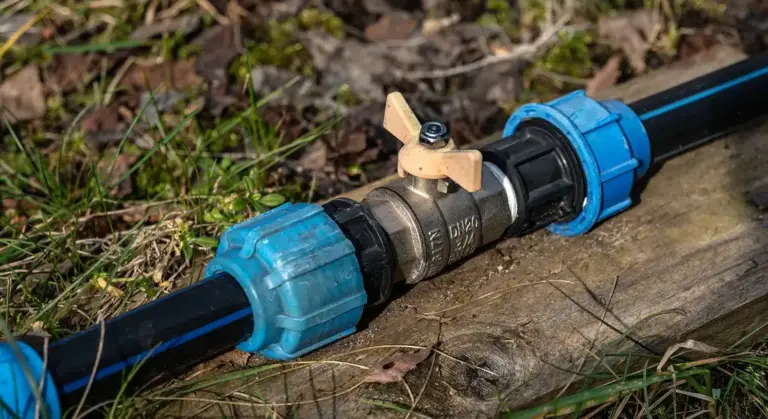
Your first line of defense against sewer line invaders is a check valve, sometimes called a backwater valve. It’s a simple one-way door installed in your discharge or sewer line. Water can push out, but the flapper inside slams shut if anything tries to come back in.
This valve stops more than just water backflow. A properly installed check valve is a key defense against rats and cockroaches trying to swim upstream from the city sewer into your pipes.
For floor drains, the trap is everything. That U-shaped pipe under the drain holds water, creating a seal that blocks sewer gases and pests. If a floor drain is rarely used, the water in the trap can evaporate. A dry trap is an open highway straight into your home.
Pour a gallon of water down every floor drain in your basement or garage every few months. This simple act refills the P-trap and maintains the seal. It’s one of the easiest and most effective pest prevention steps you can take.
The DIY vs. Pro Verdict: What You Can Handle and What You Can’t
Let’s break down the jobs by difficulty. I rate tasks from 1 (easy) to 10 (call a pro).
Installing a sealed sump cover is a 3. It’s mostly measuring, fitting, and screwing things down. Sealing a floor drain is a 2. If you can run a bead of caulk, you can do it. Installing a check valve on the discharge pipe is a 7. This involves cutting pipe, using primer and cement, and getting the orientation right so it actually stops backflow. See our sump pump check valve guide for a quick reference. It covers orientation and testing to prevent backflow.
The line is clear: you can handle covers and seals, but modifying drain lines or adding valves is plumber territory. Messing with the pump’s discharge line risks a flood if it fails, and local plumbing codes often require a licensed pro for this work. I learned this the hard way on an early service call; a DIY valve installation failed and caused several thousand dollars in water damage.
For the jobs you can do, here’s what you’ll need on hand.
- Tape measure
- Phillips-head and flat-head screwdriver
- Adjustable wrench
- High-quality silicone caulk
- Fine wire mesh (for covering vent holes)
- A gasketed, locking sump pit lid
Maintenance and Vigilance: Your Ongoing Pest Patrol
Putting a lid on it isn’t enough. Pests are persistent, and systems shift over time. You need a routine.
Your System Maintenance Roadmap
Follow this schedule. It’s the same one I use in my own basement to keep things trouble-free.
- Monthly: Push down on your sump lid to ensure it’s still snug. Pour about a gallon of water down each floor drain. This refills the trap seal that blocks sewer gases and pests.
- Seasonally (Spring and Fall): Pull off the sump lid. Inspect the pit for leaves, silt, or other debris and remove it. Shine a flashlight to look for new cracks or gaps in the concrete pit liner where insects could crawl through.
- Annually: Test your sump pump by slowly pouring a bucket of water into the pit. It should kick on, pump out the water, and shut off. Listen to the check valve-you should hear a distinct “thump” when the pump stops, confirming it closed.
How often should you inspect for pest entry points? Do a full check every spring and fall, with a quick lid and drain check every month. This catches problems before they become infestations.
Non-Toxic Deterrents and Cleaning
Physical seals are your main defense, but cleaning and deterrents help. A common question is: can dish soap kill fly larvae in a sump pump? It’s important to be cautious when using any chemicals for sump pump maintenance.
Yes, a mix of white vinegar and a few drops of dish soap can drown existing larvae when you clean the pit. The soap breaks the water’s surface tension, so the larvae sink and can’t breathe. This is a treatment, not a prevention. For prevention, you need a tight seal.
Some homeowners use peppermint oil sprays around the sump pit’s exterior or near drain openings. Rodents and insects dislike the smell. It’s a decent extra step, but remember, a strong smell fades. Oils and sprays are deterrents, not a substitute for a physical seal on your pit or drain.
To clean your sump pit safely and remove the organic sludge that attracts pests, follow these steps.
- Unplug the sump pump from the electrical outlet.
- Remove the lid and use a small plastic bucket or a wet/dry vacuum to remove standing water.
- Scoop out any solid debris like gravel, leaves, or sludge from the bottom of the pit.
- For a deeper clean, mix a gallon of warm water with one cup of white vinegar and a squirt of dish soap. Pour it into the empty pit and scrub the sides with a long-handled brush.
- Use your vacuum or bucket to remove the cleaning solution, then rinse the pit with a couple gallons of clean water and remove that too.
- Let the pit air dry for an hour, then plug the pump back in and replace the sealed lid.
Red Flags: Signs Pests Are Already Using Your Plumbing
Think of your drains and sump as secret highways. If pests are using them, they leave clues. Here is your troubleshooting guide. Check each one off your list.
Drain flies or gnats consistently appearing near a floor drain or sump pump. These are not your average fruit flies. Drain flies look like tiny, fuzzy moths. They breed in the slimy biofilm inside pipes. If you see a small cloud every time you walk past a floor drain, that drain is their home. Pour a gallon of hot water mixed with a cup of white vinegar down the drain weekly to break up the grub. If they come back, you need to physically scrub the drain trap.
Finding insect larvae or maggots floating in the sump pump water. This is a sure sign. Your sump pit has become a bug nursery. It means there’s enough organic muck in the water for them to eat. Lift the pump and check the pit. You will likely find a layer of sediment. Scoop it all out and rinse the pit with a hose. A covered sump pit lid stops new bugs from flying in. These observations can be warning signs of sump pump failure and deserve a quick diagnosis. Early detection helps prevent backups and water damage.
Unusual sounds (scratching, scurrying) coming from drains or behind walls near plumbing. Your ears are great tools. At night, listen near floor drains or your main cleanout. Rodents can climb up vertical pipes. That scratching sound behind the washing room wall? Could be a mouse in the drain line. Tap the pipe with a wrench. If the scratching stops and then starts elsewhere, you have a traveler. Do not ignore pipe noises that come and go, pests are checking the route.
Foul, sewage-like smells from a drain that aren’t resolved by cleaning. A stinky drain might seem normal. But if you’ve snaked it and flushed it and the rotten egg smell persists, think bigger. The trap might be dry or cracked, letting sewer gas and critters up. Pour water down infrequently used drains to refill the traps. If the smell remains, a rodent or something worse might have died in the line. That needs a plumber’s camera. In parallel, check and adjust water levels in the toilet and the septic system to rule out simple causes.
Visible rodent droppings or nesting materials near the sump pit or in the basement. This is the final red flag. Droppings look like small, dark grains of rice. Nesting material is shredded insulation, paper, or dry leaves. Rodents can squeeze through a hole the size of a dime. They use the damp, dark sump area as a basecamp. Finding this means they are already inside and your plumbing is their access point. Set traps immediately and find the hole.
When to Call for Backup: Plumber or Pest Control?
You fixed the small stuff but the problem is bigger. Here is how to decide who to call. Getting this wrong wastes money and time.
Call a Licensed Plumber. You need a plumber for physical repairs to the water system itself. This is for installing a backwater valve on your main sewer line to block upstream pests. It is for repairing cracked PVC drain lines or a crumbling sump pit liner. If you suspect a major break in the sewer line under your yard, only a plumber with a camera can confirm it. I had to call one when my basement floor drain backed up with mud. The pipe under the slab had collapsed, creating a rat superhighway.
Call a Pest Control Professional. You call the exterminator when you have an active, living infestation. If you are catching mice every night or see a trail of roaches from a drain, sealing the hole alone will not work. They have already built nests in your walls. Pest control finds those nests and eliminates the colony. They use targeted baits and monitors. Sealing a drain with a family of mice inside just moves the problem into your walls.
Sometimes, you need both. The plumber seals the highway, the exterminator deals with the travelers. Fix the pipe first, then clear out the pests. Do it the other way, and new pests will just find the same open road.
Limitations: When Not to Try This Yourself
Know your limits. Some jobs look simple but have big risks.
- Do not attempt to modify main sewer lines or install complex valves without proper knowledge and permits. Tapping into the city sewer or installing a main backflow valve usually requires a permit. Get it wrong, and you face fines or a sewage backup into your home.
- Do not use harsh chemical pesticides or drain cleaners in your sump pit. These liquids can eat the seals on your sump pump, killing a $200 pump in weeks. Worse, they wash out into the ground, contaminating local water. Use mechanical cleaning or enzyme-based drain treatments instead.
- If you see significant structural cracks in your foundation or sump pit, pest entry is a secondary symptom. A crack wide enough for a mouse is a sign of a shifting foundation. No amount of caulk will fix that long-term. Call a foundation specialist first. The pest problem will come back until the structure is sound.
Common Questions
Can pests really climb up through the plumbing pipes connected to my drains?
Absolutely. Cockroaches and rodents are excellent climbers and can navigate vertical pipes from sewer or storm lines. A dry floor drain trap or a faulty check valve gives them direct access. Your best defense is maintaining water-filled traps and ensuring check valves are installed and functional.
What specific maintenance steps best prevent pest entry via sump pumps and drains?
Your core routine is simple: ensure all covers are sealed tight, pour water down infrequently used floor drains quarterly to keep traps full, and clean debris from your sump pit annually. This removes the shelter, water, and food sources that attract pests in the first place.
Are non-toxic deterrents effective for pests around these entry points?
They can help as a secondary measure. Peppermint oil sprays or vinegar solutions can deter some pests temporarily. However, they are not a reliable barrier. Always prioritize physical seals-a gasketed lid and proper drain covers-as your main, fail-proof defense.
Should I call a professional for pest entry through my water system?
Call a licensed plumber to install or repair physical barriers like check valves, sealed lids, or pipework. Call a pest control professional only if you have an active infestation inside your home that persists after you’ve sealed all the entry points.
What role does a check valve play in pest prevention?
A check valve is a crucial one-way door in your discharge pipe. It prevents not only water backflow but also stops pests like rats from swimming upstream into your sump pit from the exterior discharge line or municipal system. Ensure yours is in good working order, and check the valve’s proper location and installation.
Lock Down Your Drains with These Key Practices
Start by checking every floor drain cover and sump pit seal for gaps or wear each season. Permanent pest prevention hinges on installing tight-fitting, corrosion-resistant barriers and eliminating the damp conditions that attract them.
Written by Bob McArthur. Bob is a an HVAC and plumbing industry veteran. He has professionally helped homeowners resolve issues around water softeners, heaters and all things related to water systems and plumbing around their homes. His trusted advice has helped countless of his clients save time, money and effort in home water systems maintenance and he now here to help you and give you first hand actionable advice. In his spare time, Bob also reviews home water systems such as tankless heaters, water softeners etc and helps home owners make the best choice for their dwelling. He lives around the Detroit area and occasionally consults on residential and commercial projects. Feel free to reach out to him via the contact us form.