Heating System vs. Water Heater: The Hidden Efficiency Battle
Is your water heater struggling to keep up or costing too much? Your home’s heating system might be the culprit.
We will cover shared plumbing pitfalls, temperature conflicts, and direct fixes to boost performance.
I have over fifteen years on service calls. One fact: a misadjusted heating loop can drop your water heater’s efficiency by twenty percent overnight.
The Direct Link Between Your Furnace and Your Hot Water
Your home’s heating system and your water heater are often neighbors in the basement or utility closet. Sometimes they are roommates who share utilities. Their relationship falls into one of two basic setups. Knowing the location of your water heater can help you understand your home’s plumbing better.
The first is an independent system. Your furnace heats air, and a completely separate water heater heats water. They don’t share parts or fuel lines. Most homes with a forced-air furnace use this setup.
The second is an integrated system. Here, your central heater directly provides your hot water. The most common example is a boiler (hydronic system) with an indirect water heater tank. Some homes even have a single “combo” unit that does both jobs in one box. This is where the HVAC water heater systems connection matters, linking your heating and domestic hot water. Understanding the connection helps you assess efficiency and maintenance.
If you have a forced-air furnace with a standalone water heater, placement and venting are your main concerns. Both appliances need to exhaust combustion gases safely. The International Plumbing Code (IPC) and International Fuel Gas Code (IFGC) have strict rules about shared vents and clearances. Your water heater often cannot just vent into an existing furnace chimney. They typically need their own dedicated flue or a properly sized common vent. Stuffing them too close together in a small closet can also cause air intake problems.
Here’s a common question I get on service calls: Can you run the heat if the main house water is shut off? You can usually run your heating if the main house water is off, but your water heater will be empty and could be damaged if you try to use hot water. The furnace or boiler operates independently. But if you open a hot water tap, you’ll draw air into the empty water heater tank. When the water comes back on, the sudden refill can stir up sediment and potentially cause thermal stress on a dry-fired tank.
Figuring out which system you have is the first diagnostic step. Let’s call this a Difficulty Rating: 1. You just need to look.
- Find your water heater. Follow the pipes.
- Do they connect to a large metal tank with its own gas line or electrical connection? That’s likely independent.
- Do the pipes run into or from a boiler or a single tall unit? That’s likely integrated.
How Different Heating Systems Play with Water Heaters
Not all heating systems treat your hot water the same way. Your home’s primary heat source dictates your water heater’s job, efficiency, and common headaches.
Forced Air Furnaces
This is the most common setup in North America. The furnace heats air and blows it through ducts. Your hot water comes from a completely separate appliance-a standard tank or tankless water heater.
The biggest interaction here is competition for space, combustion air, and proper venting. These two appliances are often installed side-by-side. Codes require specific clearances for service and airflow. A cramped utility room can lead to one appliance “starving” the other for oxygen. Shared venting is complex and must be designed correctly; a mismatched installation is a serious safety hazard. Always check for ample space and two distinct, intact vent pipes.
Hydronic Boilers
A boiler heats water that circulates through radiators or baseboards to warm your home. For your tap water, it often uses an indirect water heater. This is a separate storage tank that has a heat exchanger inside. The boiler’s hot water loops through this exchanger, heating the tank water like a kettle on a stove.
With a boiler, you often cannot have hot water without the central heating being on in some systems, but modern ones can. Older boilers had to be in “heating mode” to circulate hot water to the indirect tank. Newer, smarter boilers with priority zoning can heat your domestic water independently, even in summer. If your boiler isn’t heating hot water, the boiler not heating hot water guide can help you troubleshoot common causes. The pitfall? If the boiler fails, you lose both heat and hot water. Maintenance is key-keep that boiler serviced.
What Helped Me: I once inspected an older home where the owner swore they had a “separate” water heater. It was a tall tank next to the boiler. Tracing the pipes, I found it was actually an indirect tank. The system was so old it required the thermostat to be calling for heat to make hot water. The homeowner was baffled why their showers were cold in July. Knowing how to spot the connecting loop pipes saved a lot of confusion.
Heat Pumps (Air Source & Geothermal)
These systems are interesting. A heat pump moves heat from the outside air or ground into your home. For your water, you have two main choices. One option is a heat pump water heater hybrid, which blends heat-pump efficiency with a traditional electric element to meet demand reliably.
The first is a dedicated heat pump water heater (HPWH). It’s a standalone unit that works like an air conditioner in reverse, pulling heat from the room air to heat the water tank. This makes it very efficient. It will cool and dehumidify the space it’s in, which is great for a basement in summer but terrible for a heated closet in winter.
The second is an integrated system, like a geothermal heat pump with a “desuperheater.” This device captures waste heat from the heat pump’s compressor to pre-heat your water. It boosts overall efficiency but doesn’t usually provide 100% of your hot water needs. A traditional water heater acts as a backup.
The Pros, Cons, and Reality of Combined Systems
Sometimes your home uses one machine for two jobs. These are called combo, integrated, or indirect systems. You mainly see two types.
A tankless coil system has a copper coil inside your boiler. Cold water runs through this coil and gets instantly heated by the boiler’s flame before going to your faucets. It’s like having a built-in, on-demand water heater.
A high-efficiency condensing boiler with an indirect tank is different. The boiler heats a special fluid that circulates through a coil inside a separate, insulated water storage tank. That coil heats the domestic water inside the tank. This is what I have in my own basement. It’s two separate tanks plumbed together.
Potential Efficiency Gains
The big appeal is using one efficient heat source for two needs. During the heating season, your boiler is already running. It takes less energy to also heat your water compared to firing up a separate, standalone water heater, especially when combined with an indirect water heater.
You can see better overall fuel efficiency, especially with modern condensing boilers, because they’re designed to squeeze every bit of heat from the combustion gases.
The Major Drawback
This setup creates a single point of failure. Your boiler is the heart. If it breaks down in the middle of winter, you lose both your home heat and your hot water.
There’s no backup. A standalone water heater gives you redundancy. When my furnace motor died last January, we still had hot showers thanks to our separate water heater tank.
Tools & Material Checklist for Pro Evaluation
If you’re buying a home with one of these or having yours serviced, a good pro won’t just look at it. They’ll test it. Here’s what they should use:
- Manometer: Measures gas pressure to the boiler. Incorrect pressure ruins efficiency and can be unsafe.
- Combustion Analyzer: This tool checks the exhaust flue gases. It tells the tech if the boiler is burning fuel completely and efficiently, or if it’s producing dangerous carbon monoxide.
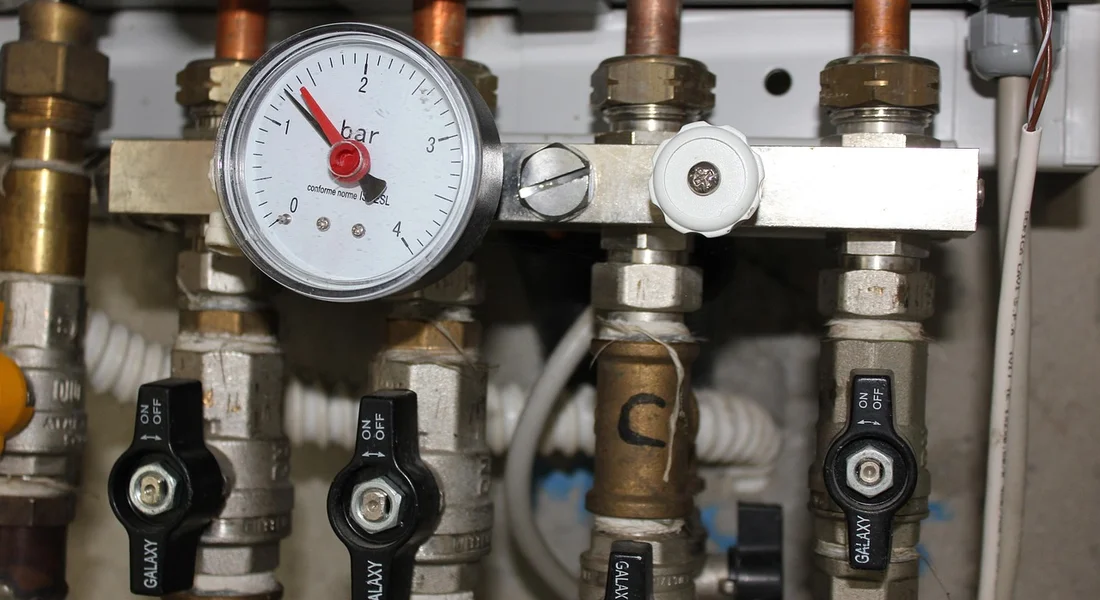
- Pressure Gauge: Checks the water pressure inside the boiler’s closed-loop heating system. Too low and it won’t circulate. Too high and it stresses valves and seals.
DIY vs. Pro Verdict for Servicing Combos
Rating: 9 – Almost always a licensed pro job.
You can handle simple tasks like checking the external pressure gauge or listening for unusual noises. But diagnosis and repair involve gas lines, high-voltage electrical controls, pressurized water systems, and complex combustion analysis. One wrong adjustment affects safety, efficiency, and your warranty. This is not a DIY project.
Maintaining the Duo for Peak Performance
Whether you have a combined system or separate units, they often live in the same mechanical room. Their performance is linked.
System Maintenance Roadmap
| Water Heater (Standalone or Indirect Tank) | Heating System (Furnace or Boiler) |
|---|---|
| Test the temperature & pressure relief valve every 6 months. | Replace furnace filters every 1-3 months. |
| Drain a few gallons from the tank to flush sediment annually. | Vacuum around the furnace/boiler and intake vents seasonally. |
| Check for leaks or corrosion at fittings and connections. | For boilers: check system water pressure monthly with the gauge. |
| Inspect the anode rod every 3-5 years. | Have a professional combustion and safety check annually. |
Connecting the Maintenance Dots
A dirty furnace filter restricts airflow. This forces the furnace fan to work harder and can cause heat to build up in the mechanical room. If your water heater is right next to it, that extra ambient heat makes its burner cycle off less often, hurting its efficiency.
For boiler systems, the quality of the water in the closed heating loop is critical. Poor water pH or high total dissolved solids (TDS) will corrode or scale up the coil inside your indirect water tank. A scaled coil can’t transfer heat. You’ll burn more gas to get less hot water.
Water Science Snippet: pH in Closed Loops
pH measures how acidic or basic water is. Think of a swimming pool. You balance the pH to protect the equipment and make the sanitizer work.
It’s the same inside your boiler’s pipes. Water that is too acidic (low pH) corrodes metal from the inside out. Water that is too basic (high pH) encourages scale minerals to stick to everything. Proper pH in a boiler loop prevents pinhole leaks in pipes and keeps the heat exchanger in your indirect tank clean and efficient. A pro can test and correct this with special inhibitors.
“Red Flag” Troubleshooting Guide
Watch for these signs. They often point to problems that affect both comfort and efficiency.
- Soot or black dust around furnace/boiler vents: This indicates incomplete combustion. It’s wasting fuel and a potential safety hazard.
- Erratic water temperature: Scorching hot then cold could be a failing mixing valve or, in a combo system, a problem with the boiler’s control priority.
- Knocking or banging noises from baseboards or pipes: Often air in the hydronic (boiler) lines or a failing circulator pump. This reduces heating efficiency and hot water delivery.
- Pilot light color (for older systems): It should be a steady, bright blue. A lazy yellow or orange flame means trouble and needs immediate professional attention.
Choosing or Upgrading Your Setup
Before you spend a dime, you need to understand what you already have. Grab a flashlight and look at the data plates on your furnace or boiler and your water heater.
Assess What You’ve Got
Check the installation date or the unit’s age. If it’s over 15 years old, efficiency has likely improved. Next, find the efficiency ratings.
- For your heating system, look for the AFUE (Annual Fuel Utilization Efficiency). This is a percentage. Old units can be 60-70%. New ones are 90% and above.
- For your water heater, look for the UEF (Uniform Energy Factor). A higher UEF number means more hot water per unit of fuel. Compare this to new models.
Fuel type is your biggest constraint-you can’t easily switch a natural gas appliance to propane or electric without a major overhaul. Note whether you have a boiler (for hot water baseboard heat) or a furnace (for forced air). This determines your upgrade path.
The Perfect Upgrade Opportunity
Replacing a 20-year-old furnace isn’t just about warmer air. It’s your chance to fix past mistakes. The previous installer might have crammed the water heater into a cramped closet, making service a nightmare.
When the old unit is ripped out, you have clear access. This is the time to ask: Should the new water heater move to a better spot? Could a tankless model fit here? Is there room for an expansion tank or water softener that you didn’t have before? Think about future serviceability.
I upgraded my own furnace last fall. With the space cleared, I finally added the proper sediment filter and unions to my water heater lines I’d been putting off for years.
A Critical Safety Question
Can you run your home’s heat if the main water is shut off? The answer depends on the system.
For a standard forced-air furnace that heats air, yes. It doesn’t use house water to operate. For a boiler system that heats water for radiators, it’s a closed loop. It uses the same water repeatedly, so shutting off the main house water usually doesn’t affect it.
You must never, ever run a storage water heater without water filling the tank. The heating elements or gas burner will destroy the tank from the intense, dry heat. This is a surefire way to need a full replacement. If the water supply is interrupted or the tank is empty, do not power it on. See our quick guide on how to handle a water heater with no water supply in the next section.
Recommended System Approaches
Your best choice depends on your existing setup and goals. Here are two common, efficient paths.
1. The Integrated High-Efficiency Combo
If you have a boiler for heat, pair a new high-efficiency condensing boiler with an indirect-fired storage tank. The boiler heats a loop of water that then circles through a coil inside the insulated tank to heat your domestic water.
This setup is incredibly efficient because the boiler only fires when the tank calls for heat, and modern boilers extract almost all the energy from the fuel. You get endless hot water and super-efficient space heating from one unit.
2. The Standalone Powerhouse
If you have a furnace (forced air), your water heater is separate. Go for a sealed combustion, high UEF standalone water heater. “Sealed combustion” means it pulls air from outside directly into the burner, making it safer and more efficient, especially for tight indoor spaces.
This is a straightforward swap that doesn’t tie your hot water fate to your heating system. It’s simpler to service and replace down the line.
When NOT to Try This Yourself
Some tasks look simple but carry massive risk. Know your limits.
- Gas Lines: Do not disconnect or reconnect gas lines unless you are a licensed professional. A small leak can lead to explosion or carbon monoxide poisoning.
- Boiler Controls and Wiring: Modern boilers have complex control modules and aquastats. Incorrect wiring can damage the unit or create a safety hazard.
- Permit-Required Work: Any installation of a new gas appliance, major electrical work, or moving plumbing lines typically requires a permit and inspection. Unpermitted work can void your home insurance and create serious legal issues when you sell your house.
My rule is simple: If it involves fuel lines, high-voltage electricity, or the main house plumbing stack, I call a pro. I handle the water softener hookups and filter changes. They handle the life-safety systems. It’s a good division of labor.
Common Questions
How does my heating system type affect my water heater’s workload?
It dictates the strain. With a standalone water heater and furnace, the water heater works alone. In a boiler-with-indirect-tank system, the boiler does the heating, which is often gentler and more efficient for the water tank, extending its life.
Can switching to a combined system save me money?
Potentially, but with a major caveat. A modern, high-efficiency boiler with an indirect tank can be very efficient, especially in winter. However, you create a single point of failure-if the boiler breaks, you lose both heat and hot water instantly.
What’s one linked maintenance task everyone forgets?
Your furnace filter. A clogged filter makes the furnace work harder, raising the ambient temperature in the utility room. This can trick your nearby water heater into cycling less, reducing its efficiency. Change filters seasonally.
Does my system’s age put my water heater at risk?
Yes. An old, inefficient boiler or furnace must run longer and harder to heat your home. This often means more cycling for an integrated water heater, increasing wear. It also raises the risk of a full system failure that takes out your hot water supply.
When upgrading, should I prioritize my heater or my furnace first?
Prioritize the older, less efficient unit. If both are ancient, upgrading a furnace first can create an opportunity to correctly re-position or vent the water heater for better performance and safety. Always consult a pro to evaluate the pair together.
Putting It All Together: Your Action Plan
The single most important point is that your home’s heating system, especially a boiler, can be a hidden source of hard water that quietly damages your water heater. To protect your appliance and your wallet, your first step should be to understand what’s flowing into your water heater tank.
Get a simple test to check your home’s water hardness, and if it’s high, talk to a professional about installing or adjusting a water softener for your entire house.
Written by Bob McArthur. Bob is a an HVAC and plumbing industry veteran. He has professionally helped homeowners resolve issues around water softeners, heaters and all things related to water systems and plumbing around their homes. His trusted advice has helped countless of his clients save time, money and effort in home water systems maintenance and he now here to help you and give you first hand actionable advice. In his spare time, Bob also reviews home water systems such as tankless heaters, water softeners etc and helps home owners make the best choice for their dwelling. He lives around the Detroit area and occasionally consults on residential and commercial projects. Feel free to reach out to him via the contact us form.