
Well Pump Burnout in a Drought: The Causes and Shutdown Damage Explained
Your well pump just died during a dry spell. You need to know why it burned out and what that sudden stop did to your system.
This guide gives you the straight facts. We will cover how low water levels destroy a pump, why constant cycling kills it faster, and the long-term damage a shutdown does to pipes and pressure tanks.
I’ve serviced wells through multiple droughts. Here’s the truth: letting a pump run dry is a surefire way to burn up the motor.
The Hard Truth: What Kills a Well Pump During a Drought
A well pump motor is cooled by the water flowing past it. Think of it like an air-cooled engine, but with water. If that water flow stops, the heat has nowhere to go.
The motor gets hot, fast. The insulation on the windings cooks. Eventually, it just gives up. That’s a burnout.
The Dry Run Scenario
“Running dry” is the classic killer. Your water level drops below the pump’s intake. The pump kicks on, but it’s just spinning air. Without water to carry heat away, the motor overheats in minutes and destroys itself.
Many modern pumps have built-in dry-run protection. It’s usually a sensor that shuts the pump off if it detects no water flow. This is a good feature, but don’t bet your pump’s life on it.
These sensors can fail or be set incorrectly. I’ve seen pumps with “protection” still burn out because the homeowner ignored a sputtering faucet for days. The protection is a safety net, not a license to abuse your system.
Constant Cycling on Low Yield
Can a well pump burn out from constantly cycling on and off when the well yield is low? Absolutely. This is a slow death.
Here’s how it happens. Your well replenishes water very slowly (low yield). You take a long shower. The pump runs, pulls the water level down, and shuts off when the pressure tank is full. But the well hasn’t recovered. You flush a toilet two minutes later. The pump kicks on, finds very little water, runs for 10 seconds, and shuts off. This repeats constantly.
Every time a motor starts, it draws a huge surge of current, creating intense heat. Normally, a long run cycle lets that heat dissipate. With short, rapid cycling, the heat just builds up inside the motor. It never gets a chance to cool down. This thermal overload will fry the windings.
If your pump is running for less than a minute at a time during normal use, your well yield can’t keep up. You need to limit water use or get a different solution, like a larger storage tank.
Sediment and Sand: The Gritty Assassin
Low water levels pull from the very bottom of the well, where sediment and sand settle. Your pump starts sucking in this abrasive grit.
It has two destructive effects. First, it can physically clog the pump intake screen or the impellers. The pump struggles, draws more amps, and overheats. Second, sand acts like liquid sandpaper, grinding away at impellers and seals inside the pump. Worn impellers lose efficiency, forcing the motor to work harder, while worn seals allow water into the motor housing. Both lead directly to failure.
If your water suddenly gets sandy during a drought, it’s a major red flag. You’re pumping from the dregs.
Electrical Gremlins: From Pressure Switches to Short Circuits
Mechanical issues are only half the battle. The electrical side gets mean during a drought, too.
The Pressure Switch Problem
Can a pressure switch burn out a well pump? Yes, and it’s simple. The switch tells the pump when to start and stop. If its contacts get stuck in the “on” position, the pump will run continuously.
It won’t stop at the high-pressure cutoff (usually 60 psi). It will just keep running, trying to reach a pressure that doesn’t exist because a faucet is open or a toilet is running. A pump running non-stop will overheat and burn out, even if there’s plenty of water in the well.
You can often hear this. If your pump runs for over 2-3 minutes without stopping, immediately check all fixtures for leaks. If nothing is running, go tap the side of the pressure switch lightly with a screwdriver handle. Sometimes this frees a stuck contact. If the pump stops, you’ve found the culprit. Replace the switch.
Grid Surges and Brownouts
Hot, drought-strained areas often have strained electrical grids. Air conditioners are running full blast. This leads to power brownouts (low voltage) and sudden surges when load changes.
Well pump motors are sensitive to voltage. Consistently low voltage causes the motor to draw more amps to do its job, leading to overheating. A sudden voltage surge can blow right past the motor’s internal protections and fry components instantly. Using a hard-wired surge protector on your pump’s circuit is cheap insurance for expensive equipment.
Shorting Out Underwater
This is a fatal failure. A pump has a mechanical seal that keeps well water out of the motor compartment. If that seal wears out (often accelerated by sand), water gets in.
The motor windings are now submerged in conductive water. It short-circuits. You’ll typically trip a breaker immediately. When pulled, the pump will have water inside the motor housing. It’s almost never worth repairing. A good seal keeps the motor dry; a failed seal drowns it.
Voltage Drop on Long Runs
This is a technical one homeowners often miss. The longer the electrical wire from your control panel to the pump, the more voltage is lost along the way. For deep wells, this run can be hundreds of feet.
The pump is rated for 230 volts, but it might only be getting 210 volts at the motor terminals. Under normal conditions, it limps along. During a drought, the pump works harder, draws more current, and that voltage drop gets worse. The combination of low voltage and high current is a perfect recipe for overheating and failure. Ensuring your pump wiring is the correct gauge for the depth and distance is critical, especially for deep wells. Knowing the well pump electrical requirements voltage helps ensure the system is fed the correct power level. Keeping voltage within spec minimizes current spikes that lead to overheating and failure.
What Happens When the Pump Finally Shuts Down or Fails
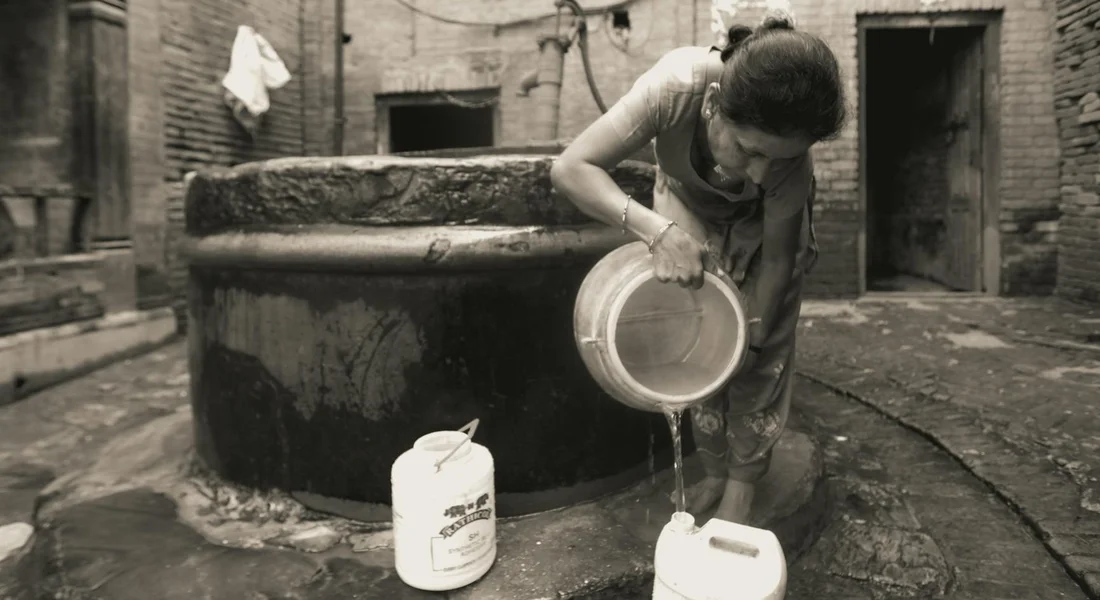
Your well pump burns out. It happens. The first thing you’ll notice is the water pressure at your faucet drops to zero. The house goes quiet. That familiar hum or click from the pump or pressure tank stops completely.
Go listen at your pressure tank. If you don’t hear the pump trying to run, and the pressure gauge reads zero, the pump has likely failed or a safety switch has shut it off.
Loss of Prime and Air Locking
Different pumps fail in different ways.
A jet pump, which sits in your basement or well house, relies on being “primed” with water to create suction. When a well runs dry, this prime is lost. After a shutdown, air gets pulled into the suction line. The pump will just spin, unable to move water, and overheat until it fails.
For a submersible pump, the problem is often an air lock. The pump is submerged, but if the water level drops below the intake, it starts pulling in air and water. This air can get trapped in the pipe or the pump itself, preventing water from moving. The pump overheats trying to push a mixture of air and water. If this issue persists, see our submersible pump not working troubleshooting guide for step-by-step checks. It walks you through verifying the intake, seals, and power supply to restore proper operation.
Can Pipes Burst if the Well Water Pump Is Off?
Homeowners often worry about pressure causing a burst pipe when the pump is off. That’s not the main issue. A standard pressure tank holds the pressure in your lines even when the pump isn’t running.
The real danger is freezing. If your pump fails and the system is inactive during cold weather, water sitting in pipes above ground or in unheated spaces can freeze and expand. That expansion will split copper or crack plastic pipe every time. If you lose your pump in winter, draining your plumbing system is a top priority.
Sediment Settles and Hardens
Well water often has sediment. When water stops flowing, that silt and sand settle to the bottom of your pressure tank and along the bottom of your pipes.
Let this sit too long, and it hardens like concrete in the bottom of your pressure tank. This reduces the tank’s capacity and can ruin the internal bladder. When you finally get the pump running again, this hardened sediment can break loose and clog faucet aerators, water heater valves, and washing machine screens.
Pump Types Side-by-Side: Which Handles Drought Better?
Not all well pumps face drought the same way. Think of them as different athletes running a marathon in extreme heat. Some are built for endurance at depth, others are sprinters that need perfect conditions.
Constant Pressure vs. Standard Systems in a Drought
A standard system uses a pressure switch (like 40/60 psi) to turn the pump on and off. In a low-yield well, this rapid cycling during drought is what kills pumps. It’s especially important to adjust the pressure switch settings to prevent damage.
A constant pressure system, often with a variable frequency drive (VFD), is different. It lets the pump motor slow down to match demand. During a drought, this gentle ramping is easier on the pump than the violent on/off cycling of a standard switch. It can draw water more slowly, which may help it keep up with a slowly recovering well. It’s not a magic solution for a dry well, but it can extend the life of the pump during marginal conditions.
Getting the Water Flowing Again: Your Step-by-Step Plan
Your well pump quit during a drought. Don’t panic. You can check a few things yourself before making the call. Your first move is always to shut off the power to the pump at the main breaker panel. This isn’t a suggestion. It’s the rule. You are dealing with high voltage and water, a deadly combination.
Your Safety and Diagnostic Checklist
- Turn off the pump’s power at the circuit breaker. Verify it is off.
- Locate your pressure tank and pressure switch. The switch is a small rectangular box with wires and a pipe connected to it.
- With the power still off, remove the plastic or metal cover on the pressure switch. Look inside for obvious signs of burning, melting, or debris. Gently tap the small metal armature inside to see if it’s stuck.
- Now, go back to the breaker. Turn the pump’s power back on.
- Listen carefully at the well head or pressure switch. You should hear a distinct click from the switch. Then, you should hear the pump motor trying to start. It might be a hum, a groan, or nothing at all.
- Immediately check the breaker again. Did it trip? If it did, that’s a major clue the pump motor is seized or shorted.
- For systems with a control box (usually for submersible pumps), check for a blown fuse inside that box.
If you heard the switch click but no motor sound, and the breaker holds, you likely have a failed pump or a break in the wire. If the motor hums loudly then trips the breaker, the pump is probably seized or the motor is burned out.
Guiding someone to pull a deep submersible pump is irresponsible. That job requires a professional with a well rig. The risks are too high: dropping the pump, damaging the well casing, or getting seriously injured. Call a pro if your diagnostics point to a pump problem below ground. Sometimes the issue calls for repair and rebuild of the submersible well pump rather than a full pull. A professional can do this safely and get you back online faster.
What the Pro Does: The Repair Process
When you call a well technician, here’s what they will do to fix a clogged or failed pump. I’ve been on both sides of this, as a tech and a homeowner waiting for one. Knowing who to call for well pump service can save you time and stress.
First, they confirm the diagnosis with their tools. They’ll check amperage draw and circuit integrity. If the pump is deep, they bring in a truck-mounted derrick or puller.
- They disconnect the plumbing and wiring at the well head.
- Using the rig, they pull the entire pump assembly up, section by section, as it’s attached to long lengths of pipe.
- Once on the surface, they inspect the pump intake screen. In a drought, it’s often clogged with silt, sand, or scale. They clean it thoroughly.
- They inspect the pump impellers for wear or blockage. A scaled-up or sand-clogged pump has to work much harder, leading to burnout.
- If the motor is burned out, they replace the entire pump unit or just the motor section, depending on the style. They will also replace the check valve and often the wire splices.
- Before lowering it back, they disinfect the well. Then they reassemble everything, lower the pump, and test the system under load to ensure proper pressure and flow.
A professional repair includes a post-repair system test to ensure water quality and flow meet standards. It’s not just about getting the pump wet again.
The Water Science of a Stressed Well

A drought does more than just lower your water level. It changes the water itself. Think of it like reducing a soup. As the water volume (the broth) decreases, the minerals and solids (the ingredients) become more concentrated.
As the water table drops, the concentration of Total Dissolved Solids (TDS) like calcium, magnesium, and iron almost always increases. Your water effectively becomes harder and more mineral-rich.
This concentrated, hard water has a direct consequence for your pump and plumbing. The higher mineral content accelerates limescale buildup. This scale can coat the pump’s intake screen and internal impellers, restricting flow and making the motor overwork. It’s like trying to breathe through a clogged straw.
Lower water levels can also lead to pH swings. The water can become more acidic as it interacts with different rock layers. Acidic water is corrosive. It can slowly eat away at brass fittings, copper wiring, and the steel components of your pump and tank.
Fix the pump and you’re only halfway done. After a severe drought, you should test your water for hardness, iron, and pH. The water coming into your house now might be different than it was a year ago. This tells you if you need to adjust your softener settings, add a neutralizing filter, or install a new sediment filter to handle the changed conditions.
Smart Upgrades and Products to Consider for Next Time
Once you’ve dealt with a burned-out pump, you don’t want a repeat. These upgrades add a layer of smart protection to your system.
Low Water Cutoff and Pump Monitors
Think of a low water level cutoff switch as a safety net for your pump. It installs in the well and automatically shuts off the pump if the water level drops too low, preventing it from running dry and burning up. Installing one is the single most effective hardware upgrade to prevent drought-related burnout. For even more awareness, consider a pump monitor. These devices track pump run time, cycles, and can send an alert to your phone if something looks wrong, like the pump running for an unusually long time.
Dedicated Surge Protection
Your well pump’s control box is full of sensitive electronics. A power surge from a lightning strike or utility grid fluctuation can fry it instantly. A standard whole-house surge protector might not be enough. A dedicated, heavy-duty surge protector installed at the pump’s disconnect panel is specialized insurance for this critical appliance. It’s a one-time cost that is far less than a new pump and control box.
Upsize Your Pressure Tank
A small pressure tank causes the pump to cycle on and off constantly. This is called short cycling. Every start-up puts a strain on the motor. During a drought, your pump is already working harder to draw water up from a lower level. A larger pressure tank holds more water, so the pump runs longer to fill it but starts much less often. Adding an extra 20-gallon capacity tank, or replacing your old one with a larger model, dramatically reduces wear and tear on the pump motor. It’s a simple change with a big payoff.
Check for NSF/ANSI 61 Certification
When you buy any new component that touches your drinking water (like a new pressure tank, pipe, or fitting), look for the NSF/ANSI 61 certification mark. This means the product has been tested and verified not to leach harmful levels of contaminants into the water. It’s your assurance that a replacement part won’t solve one problem only to create a water quality issue. Don’t gamble with uncertified parts from a general hardware store for your well system.
Code Check and Long-Term System Health
Doing things right means following the rules and planning for the long haul. This keeps your system safe and reliable.
National Electrical Code (NEC) Requirements
Well pumps have strict electrical code rules. The NEC requires a dedicated, properly rated disconnect switch within sight of the pump and equipment. It also mandates correct grounding. This is not DIY territory, you need a licensed electrician to ensure this work is done safely and to code. Incorrect wiring can cause pump failure, create a fire hazard, or lead to electrocution. A clearly documented safely shut down procedure helps prevent accidents during service. The next steps will outline how to safely shut down the well pump electrical system.
Local Plumbing Code Compliance
How your well connects to your house is governed by your local plumbing code, either the International Plumbing Code (IPC) or Uniform Plumbing Code (UPC). These codes cover the well seal, pipe materials, and the critical backflow prevention device that stops your house water from siphoning back into the well and contaminating it. Any major well work or pump replacement should be permitted and inspected by your local authority to ensure it meets these safety standards. Check with your county building department.
Post-Drought Maintenance Checklist
After a drought ends and water levels recover, don’t just go back to normal. Your system needs attention.
- Sanitize the Well: Shock chlorinate the well and plumbing to kill any bacteria that may have been introduced during low-water conditions.
- Check the Pressure Tank: Drain the tank completely and check for sediment buildup in the bladder or at the bottom of an older air-over-water tank. Sediment can ruin the tank and cause pump cycling issues.
- Inspect Filtration: Check and replace any sediment filters or cartridge filters on your system. They likely worked overtime during the drought and may be clogged.
The Best Protection: Water Use Habits
The most important factor for your well system’s health is you. Consistent, mindful water use is the best and cheapest form of pump protection, especially in drought-prone areas. Space out high-demand activities like laundry and showers. Fix leaks immediately. Consider water-efficient fixtures. Your pump is designed to run, but not to run non-stop. Giving it breaks extends its life for years.
Common Questions
1. What’s the #1 thing I can do to protect my pump in a drought?
Monitor your water use and listen to your system. If faucets sputter or the pump cycles on/off rapidly, stop using water immediately to let the well recover. Consider installing a low-water cutoff switch; it’s the best automatic defense against a dry run burnout.
2. If my pump shuts down, can I just restart it myself?
First, turn off the power at the breaker. You can check for a tripped breaker or a stuck pressure switch contact. If the pump hums and trips the breaker or does nothing at all, do not attempt to restart it repeatedly. Call a professional, as you may have a seized motor or a serious electrical fault.
3. How does a drought actually damage my pipes and pressure tank?
When water stops moving, sediment in your system settles and hardens like concrete in the bottom of your pressure tank, ruining the bladder. The main shutdown risk is freezing; stagnant water in pipes above ground can freeze and burst them if the pump fails in cold weather.
4. My pump has “dry-run protection.” Can I still burn it out?
Yes. Those sensors can fail or be mis-calibrated. Relying on protection while ignoring a sputtering faucet is asking for trouble. Think of it as a safety net, not an excuse to run the well dry-the best protection is your own awareness and conservative water use.
5. What water conservation strategy is easiest on my pump?
Space out high-demand activities. Instead of back-to-back showers and laundry, give your well an hour to recover between uses. This prevents the rapid, heat-building short cycling that thermally overloads the motor during low-yield conditions.
Protecting Your Pump Through the Dry Season
Test your well’s water yield at the first sign of a drought to stop the pump from running dry and burning out. Have a professional inspect the entire system after any shutdown before you flip the switch back on. Be on the lookout for no water flow, a common indicator of No Water Flow Well Pump Issues that may need prompt attention. Addressing these early can prevent costly repairs and downtime.
Written by Bob McArthur. Bob is a an HVAC and plumbing industry veteran. He has professionally helped homeowners resolve issues around water softeners, heaters and all things related to water systems and plumbing around their homes. His trusted advice has helped countless of his clients save time, money and effort in home water systems maintenance and he now here to help you and give you first hand actionable advice. In his spare time, Bob also reviews home water systems such as tankless heaters, water softeners etc and helps home owners make the best choice for their dwelling. He lives around the Detroit area and occasionally consults on residential and commercial projects. Feel free to reach out to him via the contact us form.