PVC vs CPVC Pipe: The Homeowner’s Guide for Water Heaters, Softeners, and Filters
Using the wrong pipe for your water heater or softener can cause leaks and costly damage. This guide will show you exactly where each pipe belongs.
We will cover the crucial temperature and pressure limits for each material, the best and worst uses for water heaters and treatment systems, and my proven method for leak free connections.
I run service calls for this exact mistake every week. My own home’s water heater is plumbed with CPVC for a reason. Get this choice wrong and you are buying a future leak.
The PVC vs. CPVC Breakdown: What Homeowners Need to Know
Getting the pipe wrong can cause a flood or a code violation. Here’s the simple rule. PVC is for drains and waste. CPVC is for your hot and cold drinking water supply.
The biggest difference is heat tolerance. PVC gets soft and weak above 140°F. CPVC handles temperatures up to 200°F. This single fact dictates where you can use each type. Pressure rating is the other key factor. Both come in Schedule 40 (standard) and Schedule 80 (thicker, higher pressure) wall thicknesses. For most home systems, Schedule 40 is fine. Chemically, they are cousins. CPVC is just PVC that’s been chlorinated. That extra chlorine in the plastic is what gives CPVC its higher temperature rating and makes it safe for potable water.
The “C” stands for Chlorinated. Think of it like hardening the plastic’s backbone. This process raises the glass transition temperature, the point where the plastic starts to soften. That’s why CPVC doesn’t get mushy at your water heater’s output temperature, but standard PVC would be a major risk.
What Are the Temperature and Pressure Ratings?
You need to know the numbers. Standard PVC is rated for continuous use up to 140°F (60°C). CPVC is rated for 200°F (93°C). These are printed on the pipe. Your water heater’s thermostat is usually set between 120°F and 140°F. The water right at the tank’s outlet can spike even higher during heating cycles. PVC at that heat is a gamble you will lose.
Pressure matters too. At room temperature, Schedule 40 PVC might have a pressure rating of around 450 PSI. CPVC might be around 400 PSI. Those numbers drop as temperature rises. Your home’s water pressure is likely between 40 and 80 PSI, so both pipes have a large safety margin for pressure alone. The heat is the real limiter. Always check the printing on the pipe for its exact pressure rating at the temperature you plan to use it.
Water Heater Piping Rules: Safety, Codes, and Direct Connections
For the pressurized hot and cold lines to your tank, CPVC is the standard plastic pipe. It’s code approved and reliable. Some localities use PEX, but CPVC is the traditional choice for a glued plastic system.
Can you connect CPVC directly to the water heater? For an electric heater, yes, but you need a dielectric fitting. The steel threads on the tank and the plastic pipe can cause galvanic corrosion. You use a brass nipple (a short pipe) or a special dielectric union to separate them. For a gas water heater, the flue can get very hot. Most codes require a minimum of 18 inches of metal pipe (copper or galvanized) off the top of the tank before you transition to CPVC to protect it from flue heat.
Never use standard PVC for the pressurized hot water supply line from the heater. The heat will degrade it. It becomes brittle and can crack or shatter without warning. Using PVC on a hot water line is asking for a catastrophic failure inside your walls—especially if it’s not in accordance with water heater safety guidelines.
There is one water heater job where PVC is perfect. The temperature and pressure (T&P) relief valve needs a drain line to direct hot water safely to the floor if the valve opens. That line is not under pressure. The water heater pressure relief valve function is to vent excess temperature and pressure safely when the valve opens. A proper drain path ensures that any discharge is directed away from living areas. Standard PVC pipe is ideal and code compliant for this job. I used 3/4-inch PVC for the T&P drain on my own heater.
The DIY vs. Pro Verdict: Water Heater Connections
I rate connecting a water heater with CPVC a 6 out of 10 for difficulty. Solvent welding (gluing) CPVC is a skill. You have to cut it square, clean and prime it, then apply cement and join it quickly before it sets. A bad glue joint will leak under pressure.
Most homeowners can handle the simpler parts. Draining the tank, connecting the garden hose to the drain valve, and running the new PVC for the T&P relief valve drain line are all very doable.
Hiring a licensed plumber is a smart move for the main supply connections. They guarantee the work, know local codes, and can pull any required permits. If you have to solder copper or make several glued joints in tight spaces, the pro’s experience is worth the cost to avoid a leak behind the drywall.
Plumbing Softeners and Filtration Systems: Cold Supply and Drain Lines
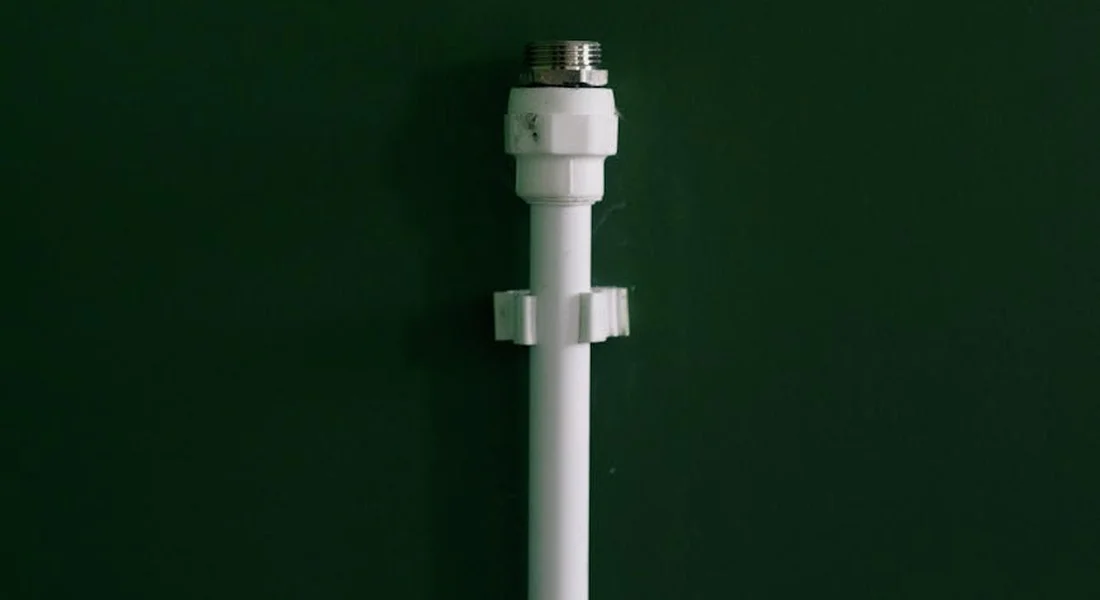
Can PVC be used for the cold water supply to a water softener or filtration system? No. Use CPVC, copper, or PEX for the pressurized lines going in and out of the unit. Standard white PVC pipe is not rated for continuous pressurized water inside your home and using it here is against code. The pressure and potential water hammer can cause it to fail, leading to issues such as water pressure loss in filtration or softener systems.
PVC has the perfect job in this setup, the drain line. Your softener’s regeneration drain line or a filter’s backwash line is a low-pressure, intermittent flow, which is exactly what PVC is built for. I ran 1-inch PVC from my softener to a floor drain in my basement. It handles the surge of brine and rinse water without any issues.
Bypass valve plumbing is part of the main pressurized supply. You plumb it with the same material as your supply lines, which is typically CPVC or copper. The bypass itself is a brass valve, but the pipes connecting it are standard water supply pipe.
For threaded connections on valves or adapters, use Teflon tape. Wrap it clockwise around the male threads. I prefer tape over pipe dope for plastic threads because it’s cleaner and less likely to crack the fitting if you over-tighten. You can use Teflon tape specifically designed for water line threads to ensure a tight seal.
Tools & Material Checklist for Installations
Gather these items before you start cutting pipe. It saves multiple trips to the store.
- CPVC pipe (for hot/cold supply) or Copper/PEX
- PVC pipe (for drain lines only)
- Tubing cutter (for a clean cut) or a fine-tooth hacksaw
- CPVC primer & cement
- PVC primer & cement
- Teflon tape
- Adjustable wrenches
- Pipe wrenches (for gripping, not tightening plastic)
CPVC and PVC cement are NOT interchangeable. Using the wrong one creates a weak joint that will leak. I keep both cans on my shelf, and the orange CPVC cement cap is a clear visual reminder not to mix them up.
Installation Guide: Fittings, Codes, and Transitioning from Old Pipes
You need the right fittings and cement. CPVC fittings are often a light tan or cream color. PVC fittings are usually white or gray. The cement is your biggest clue. CPVC cement is typically orange and comes with a clear primer. Standard PVC cement is gray or purple and comes with a purple primer.
Your local plumbing code (IPC or UPC) is the final rule. Always check with your local building department. CPVC is widely approved for interior hot and cold potable water supply. PVC is generally approved for drain, waste, and vent (DWV) lines and outdoor irrigation, but not for interior pressurized supply lines. When choosing pipes, also consider installation practices that affect performance and longevity. Good installation practices complement material approvals and code requirements.
Transitioning from old galvanized or copper pipes to CPVC is straightforward. Use a threaded adapter. For example, screw a brass “FIPT x CPVC Socket” adapter into the old pipe. Always use a brass fitting as the transition point between metal and plastic threads to prevent galvanic corrosion. Support the new plastic pipe every 32 inches with a strap. Plastic pipe will sag over time if it’s not supported.
Can you use black pipe for a water line? Do not use black iron pipe for water. Black iron pipe is for gas lines, it will rust rapidly with water inside and contaminate your system. If you see black plastic pipe, it’s likely polyethylene for underground irrigation, not for indoor supply.
How Does the Cost of PVC Compare to CPVC?
PVC is less expensive for the pipe itself. Here is a straightforward look at material costs for a 10-foot stick.
| Pipe Type | 1/2″ Size | 3/4″ Size |
|---|---|---|
| PVC | $4 – $6 | $6 – $9 |
| CPVC | $8 – $12 | $12 – $18 |
The specialized cement and generally higher cost of CPVC fittings make a CPVC plumbing project more expensive than a comparable PVC drain project. For a supply line install, budget about 50-75% more for CPVC materials compared to if you were just running a PVC drain.
Long-Term Care, Red Flags, and Making the Final Choice
Your system is installed. Now you need to keep it working for the long haul. A little regular attention stops small issues from becoming big floods. Think of it like checking the smoke alarm batteries, a simple habit that prevents disaster.
System Maintenance Roadmap
For CPVC supply lines, your job is simple. Once a year, take a flashlight and visually inspect every exposed pipe running to and from your water heater, softener, and filters. You are looking for two things: any sign of moisture (beads of water, mineral stains) and any sections that look chalky, discolored, or brittle. Run your hand along the pipe near the water heater outlet; it should feel firm, not flexible.
This annual five minute visual check is your best defense against a slow leak that rots cabinetry or a burst pipe that ruins a basement.
For PVC drain lines from a softener or filter, maintenance is even easier. During the softener’s regeneration cycle, simply watch to ensure water is flowing freely down the drain tube and exiting the pipe. Listen for unusual gurgling. Once a year, pour a gallon of water directly down the drain line to ensure it’s clear of any sludge or salt buildup.
The “Red Flag” Troubleshooting Guide
These are the signs that mean stop and fix. Do not ignore them.
If your CPVC pipe feels extremely soft or is visibly sagging or deforming near the water heater, that’s a critical failure. The pipe is overheating and losing its structural integrity. This is an immediate shutdown and replace situation, as the pipe could rupture at any moment.
Discolored (yellowed or grayed) or cracked PVC drain lines are failing. Sunlight (UV exposure) or chemical damage weakens them. A cracked drain line will leak wastewater, creating a mess and potential health hazard. Replace it with new schedule 40 PVC.
A persistent leak at a solvent welded joint, even a slow drip, indicates a bad glue job. The joint was not properly primed, aligned, or cemented. You cannot just re glue it. The cure is to cut out the failed section and create two new, properly welded joints.
A sudden, unexplained drop in water pressure to a fixture could indicate a failing pipe or fitting has collapsed internally, or a joint is partially blocked with cement. Check other fixtures to isolate the problem run, then inspect the CPVC lines in that section.
Recommended Products for a Reliable Job
Buying the right materials the first time saves headaches and callbacks. Here is what I use in my own home and on professional jobs.
For all hot and cold supply lines to your equipment, use Schedule 40 CPVC pipe and fittings. Do not use thin wall or “schedule 20” pipe for pressure applications. The schedule 40 rating is the standard for a reason, it handles household pressure and temperature safely.
Stick with Schedule 40 PVC for all drain and vent applications, its thicker wall is durable and handles minor debris without clogging.
Do not cheap out on the glue. Use high quality, name brand solvent cements and primers made specifically for the pipe type (CPVC cement for CPVC, PVC cement for PVC). The primer preps the surface and the cement actually melts the plastic to fuse it. Using the wrong one or a generic brand creates a weak joint.
Where you need a threaded connection, like at the water heater tank nipples or a filter housing, use a brass transition fitting. A brass CPVC male adapter is far more robust than a plastic one and is less likely to crack if over tightened. I keep a box of these in my truck for every install.
Common Questions
Are there code restrictions on using PVC or CPVC inside my house?
Yes, and this is critical. CPVC is widely code-approved for interior hot and cold drinking water supply lines. Standard white PVC is generally not approved for pressurized supply lines inside your home and is restricted to drain, waste, and vent (DWV) use. Always check with your local building department, as codes can vary.
Can I use the same cement for PVC and CPVC pipe?
Absolutely not. You must use the correct, purpose-made primer and solvent cement for each material. Using PVC cement on CPVC (or vice versa) creates a weak, unreliable joint that will fail. CPVC cement typically has an orange label, while PVC cement is often gray or purple.
Is CPVC a lot more expensive than PVC for a typical job?
Yes, CPVC costs about 50-100% more for the pipe and fittings than standard PVC. This is because it’s a more specialized, temperature-resistant material. The extra cost is non-negotiable for safety and code compliance on your pressurized water lines. Consider it insurance against a costly failure.
Can I run CPVC directly to the connections on my water heater?
For electric heaters, yes, but use a brass dielectric nipple to separate the plastic from the steel tank threads. For gas water heaters, most codes require the first 18 inches off the tank to be metal pipe (copper or galvanized) to protect the CPVC from the hot flue gases before you transition.
What’s the right way to connect new CPVC to my old metal pipes?
Use a threaded brass transition fitting. Brass prevents galvanic corrosion between the dissimilar metals and plastic. Never thread a plastic adapter directly into old steel or copper; the metal threads can easily crack the plastic. Support the new CPVC pipe every 32 inches with a strap to prevent sagging. Use these fittings when you connect PVC to copper water lines.
Making the Smart Choice for Your Pipes
Check your local plumbing code first, then match the pipe to your water’s temperature. These basics also apply when you plan an install of water lines for a heater, softener, or filtration system. For cold water lines to a softener or filter, PVC is a durable and cost-effective choice. For any line carrying hot water, especially to and from your water heater, CPVC is the required and safe material that won’t fail under heat.