Water Heater Temperature Settings: Get It Right for Safety and Savings
Is your water so hot it scalds or so lukewarm it’s useless? The wrong temperature wastes money and creates a safety hazard.
We will cover the safe temperature to prevent burns, the optimal setting for efficiency, and how to adjust traditional tanks, tankless, and electric units.
I’ve fixed water heaters for over a decade. Start at 120°F. That’s the number that keeps your family safe and your bills in check.
Why Your Water Heater’s Temperature Is a Big Deal
You’re in the shower. Someone flushes a toilet. For a split second, the water turns from comfortably warm to painfully hot. You know that sudden jolt. That’s your water heater’s thermostat calling the shots, and it might be set wrong.
Setting that dial is a constant balance between three things. First, safety. Water that’s too hot can scald you or your family in seconds. Second, health. Water that’s not hot enough can let dangerous bacteria grow inside the tank. Third, your wallet. Every degree higher on that dial adds to your monthly energy bill. Getting this right is a five-minute fix that protects your family and saves you money.
Adjusting your water heater’s temperature is one of the simplest, most effective home maintenance tasks you can do to increase its temperature and capacity.
The Safe Zone: Understanding the 120°F Sweet Spot
For nearly every home, the best place to start is 120 degrees Fahrenheit (49 degrees Celsius). This is the universal recommendation from safety and plumbing experts. Think of it as the center of a target.
At 120°F, the water is hot enough for your dishes and showers but not so hot it poses an immediate scald risk. It also creates an environment that discourages most common bacteria from multiplying rapidly. This temperature directly answers the common question: the recommended temperature setting for a standard tank water heater to prevent bacterial growth while ensuring safety is 120°F (49°C). It’s the practical middle ground. This balance also ties into the best water heater temp safety savings, balancing energy use with safety.
When 120°F Isn’t Enough: Dealing with Legionella
Sometimes, 120°F needs a second look. The main concern is a waterborne bacteria called Legionella. It can cause a serious type of pneumonia known as Legionnaires’ disease. This bacteria thrives in warm, stagnant water. To reduce this risk, follow water heater safety guidelines. They include safe temperature settings and regular system maintenance.
The risk increases significantly when water sits in your tank or pipes below about 122°F. If your home has been vacant, or you have long pipe runs where water cools off, you might consider a slightly higher setting. A temperature below 122°F (50°C) is generally considered too low for a water heater, posing a measurable risk of Legionella bacteria growth in stagnant conditions. For Legionella safety, finding the right safe water heater temperature means balancing reducing bacterial growth with preventing scalding. This is why accurate temperature control matters for water heaters. If you’re concerned, a setting of 125-130°F can be used, but you must install thermostatic mixing valves at fixtures to prevent scalding.
When Hot is Too Hot: The Scalding Danger
On the other end, high temperatures are a clear hazard. Water at 140°F can cause a third-degree burn on adult skin in just five seconds. For a child or elderly person, it happens even faster.
Vulnerable groups include young children, older adults, and anyone with reduced sensitivity due to medical conditions. They may not react in time. This is why cranking the dial to its maximum is a bad idea. Water at 140°F (60°C) is absolutely considered too high for a safe household setting and is the main answer to what temperature is considered too high for a water heater. If you’re wondering how high you can turn up a water heater, remember that most default factory settings are already too high, often at 140°F. Your goal is to turn it down, not up.
Optimal Settings: Tank vs. Tankless Water Heaters
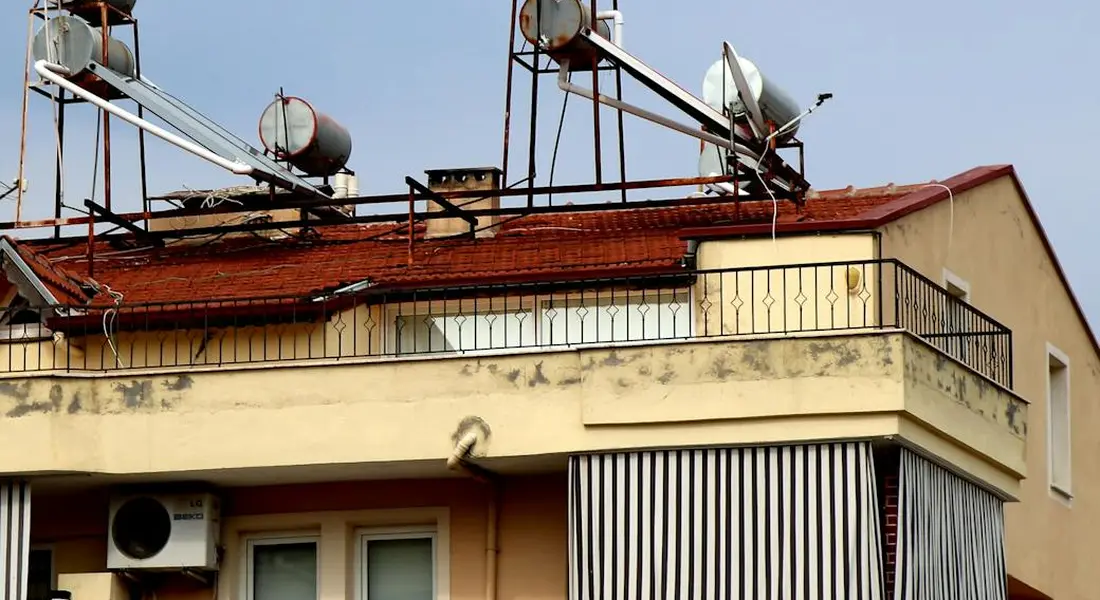
You choose a water heater for its features and your family’s needs. But your temperature setting choice defines your daily experience. The core difference is simple. A tank stores a finite amount of hot water. A tankless unit heats water on-demand as it flows through. This changes how you think about the dial.
A tank heater works to keep 40 or 50 gallons of water hot all the time, ready for you. That’s called standby heat loss. The higher you set the tank’s temperature, the more energy it wastes keeping that reserve piping hot. A tankless heater has no stored water. It only fires up when you open a hot tap. Its setting is about the final output temperature of the water you get right now. That difference matters when you compare tankless vs traditional water heater energy use. On-demand heating means energy is used only when you need hot water, which can lower energy bills.
Your goal with a tank is to find the lowest safe temperature that meets your needs, minimizing wasted energy. Your goal with a tankless is to find the consistent output temperature that feels right, regardless of incoming water temperature. Next, the key is to choose tankless water heater size to maintain that consistent output under peak demand.
Finding the Right Number for a Standard Tank Heater
Look at your tank’s dial. It likely has vague markings like “Hot” or “Very Hot.” Some have numbers. For nearly every home, you should aim for 120 degrees Fahrenheit at the tap.
Here is how you get there.
- Set your tank’s thermostat to the 120°F mark or the mid-point of the “Hot” range.
- Wait at least two hours for the water to fully heat.
- Run only the hot water at a faucet closest to the heater for one full minute.
- Use a cooking thermometer to check the water temperature in a cup.
If the reading is 120°F, you are set. If it’s off, adjust the dial slightly, wait two more hours, and test again. The dials are not always perfectly accurate, so a thermometer is your only truth-teller.
I set my own 50-gallon gas tank to 120°F, and it provides plenty of hot water for back-to-back showers and laundry. You only need to go higher for one specific reason. If your dishwasher does not have its own internal booster heater, you may need tank water hot enough to sanitize dishes. In that case, set the tank to 130°F-140°F.
Understand the trade-off. At 140°F, your water heater works much harder, its standby heat loss is greater, and your energy bills will be higher. It also creates a serious scald risk, especially for children and elderly. If you must use a high setting, install anti-scald devices on your shower and tub valves.
Finding the Right Number for a Tankless Heater
Tankless units typically have digital controls. This lets you set a precise temperature, often in 1-degree increments. The default factory setting is frequently 120°F, and that’s a perfect starting point.
The main variable you must account for is the temperature of your incoming groundwater. In summer, your cold water might be 70°F. The tankless only needs to raise it 50 degrees to hit 120°F. In a harsh winter, that same groundwater can drop to 40°F or lower. Now the unit must raise it 80+ degrees to deliver the same 120°F shower.
If your winter showers suddenly feel lukewarm, your tankless isn’t failing; it’s likely hitting its maximum heating capacity. The fix is simple. Bump the output temperature setting up 5-10 degrees in the winter. This gives the unit the headroom it needs to deliver comfortably hot water when the incoming water is coldest.
A common question is: what is the optimal temperature setting for a tankless water heater to balance efficiency and comfort? The answer is 120°F. At this setting, it maximizes efficiency by minimizing the temperature rise needed. It also provides safe, comfortable water for 99% of household tasks. You only increase it for the seasonal reason above or for a specific high-demand appliance. Unlike a tank, you are not wasting energy on standby loss. You are simply telling the unit, “Make the water this hot when I ask for it.”
On my own natural gas tankless unit, I keep it at 120°F from April to October. When the first cold snap hits, I go into the garage and change it to 125°F. It takes 10 seconds. I change it back in the spring. This keeps performance consistent and energy use as low as possible year-round.
Gas, Electric, and Heat Pump: Any Difference in Dialing It In?
No, the fuel type does not change the numbers. Whether it runs on gas, electricity, or a heat pump, your target for safe, efficient hot water is the same: 120 degrees Fahrenheit. This setting minimizes scalding risk and controls legionella bacteria growth effectively. The science of water heating and safety standards do not shift based on your utility bill.
The real difference is purely mechanical. It’s all about where the thermostat is and what it looks like. You adjust the same temperature, but you get to it in different ways.
Finding and Using the Thermostat
On a standard gas water heater, the thermostat is a dial attached directly to the gas control valve on the front of the tank. You just turn it. It’s simple, but the markings can be vague, often just “Hot” or “Very Hot.”
An electric model has one or two thermostats hidden behind metal access panels on the side of the tank. You must always shut off power at the circuit breaker before removing these panels to avoid shock. If you have two elements, you must set both thermostats to the same temperature, usually starting with the top one.
Heat pump water heaters (hybrid models) typically have a digital control panel. You press buttons to set the temperature and choose operating modes, like “Heat Pump Only” or “High Demand.”
How Does the Temperature Setting Differ Between Gas and Electric Water Heater Models?
The setting itself does not differ, but the process to change it does. For a gas model, you turn a dial on the outside. For an electric model, you perform a small electrical safety procedure.
Here is how you check and adjust each type safely.
For a gas water heater:
- Locate the gas control valve. It’s on the front, near the bottom.
- Look for the temperature dial. It might have numbers or just words.
- Turn the dial to your desired setting, like 120°F or the “Hot” mark.
- Use a cooking thermometer at a faucet to verify the temperature after an hour.
For an electric water heater:
- Go to your home’s circuit breaker panel and shut off the breaker for the water heater.
- Use a screwdriver to remove the access panel(s) on the tank’s side. There is often a second panel underneath the first.
- Peel back the insulation to see the thermostat. Do not touch any wires.
- Use a flat-head screwdriver to adjust the thermostat dial to 120°F. Set any lower thermostat to the same exact setting.
- Replace the insulation and securely screw the access panel back on.
- Restore power at the breaker.
A common pitfall is not setting both thermostats on an electric heater to the same temperature, which can cause one element to overwork and fail. Another is forgetting to turn the power back on. I once left mine off for a day after a adjustment and wondered why my shower went cold.
Regardless of type, always verify your setting with a thermometer at the faucet. The tank’s dial is not always perfectly accurate. Maintenance is simple: check this temperature once a year.
Special Households and Situations
The Safest Setting for Kids and Elderly Family Members
The rule here is simple. Set your water heater to 120°F. Do not go higher. At this temperature, it takes a full shower’s length of time for water to cause a serious burn. At 140°F, that burn can happen in seconds. I see the consequences of this in my service work, and it’s why my own heater has been at 120°F since my kids were born.
120°F is your target because it significantly reduces scald risk while still providing comfortably hot water for household tasks.
For absolute safety, especially if you have a tankless system or an older heater with inconsistent temperature control, install thermostatic mixing valves (TMVs) at key fixtures like showers and tubs. A TMV blends cold water with the hot supply from the heater to deliver a safe, preset temperature right at the tap. It’s a final, mechanical guard against accidental spikes.
What is the safest temperature setting for a household with young children or elderly residents? 120°F is the safest setting. This temperature minimizes scald risk for sensitive skin and slower reaction times. For layered protection, pair this setting with point-of-use thermostatic mixing valves on bathing fixtures.
What to Do With Your Vacation Home Water Heater
Letting a water heater run full-tilt in an empty house wastes money and strains the system. For a weekend cabin or a winter getaway, you have a couple of good options.
For short absences of a week or two, simply turn the thermostat down to its lowest setting. On many gas models, this is a “VAC” or “Pilot” mode that keeps the pilot light on but prevents the burner from firing for hot water. For electric heaters, just dial the thermostat all the way down. This keeps the tank from freezing while using minimal energy.
For a property closed up for an entire season, turn the water heater off completely at the circuit breaker (electric) or gas supply valve (gas), and drain the tank. Stagnant water in a warm tank breeds bacteria. A drained tank avoids this and prevents any leak damage while you’re away. Just remember to refill the tank completely before turning the power back on.
Are there specific temperature guidelines for vacation homes or periodically unused properties? Yes. For brief periods, use the lowest thermostat setting. For long-term closures, shut off the power or gas supply and drain the tank to prevent bacterial growth and conserve energy.
Do You Adjust the Temperature With the Seasons?
For most homes with a standard tank water heater, no. A set-and-forget setting of 120°F works year-round. The thermostat maintains the tank’s internal temperature regardless of the basement or garage air temperature.
Tankless heater owners are the exception. If you notice your shower isn’t as hot during a deep winter cold snap, you might need to bump the setting up about 5°F. Here’s why: a tankless heater heats the incoming cold water. If your groundwater is 40°F in January instead of 70°F in July, the unit has to work harder to reach your set point. A small increase compensates for that colder inlet temperature.
Should the temperature setting be adjusted for different seasons, and if so, what are the guidelines? Typically, no seasonal adjustment is needed for tank water heaters. Tankless unit owners may need to increase the setting by approximately 5°F in winter if they experience a noticeable drop in output temperature due to significantly colder incoming water.
How to Check and Change the Temperature Yourself
Before you touch anything, handle safety. This is not a suggestion.
For electric heaters, find your home’s breaker box and flip the dedicated breaker for the water heater to OFF. For gas heaters, find the gas shut-off valve on the gas line feeding the unit and turn it to the OFF position. It is usually a lever you turn a quarter turn. Your water heater contains scalding hot water under pressure. Always let it sit, with the power or gas off, for at least 2 to 3 hours to cool down before you open any access panels or drain valves. Rushing this step is how people get burned. If you’re going on vacation, turning off the water heater can save energy and prevent leaks while you’re away.
Checking the Actual Water Temperature
The dial on your heater often lies. Sediment buildup, a failing element, or a drifting thermostat can all make the actual water temperature different from the setting. To get the truth, you need to test it at the tap.
Go to the hot water faucet closest to your water heater, like a basement sink or the first-floor bathroom. Turn the tap to full hot and let it run for a solid three minutes. This clears the cool water sitting in the pipes and pulls a fresh, hot sample straight from the tank. Use a standard cooking thermometer. Hold it in the center of the stream of water. The temperature it shows after 30 seconds is your real output.
This reading tells you if an adjustment is even needed or if you have a bigger problem like a broken thermostat.
Adjusting a Standard Tank Heater’s Thermostat
You have your real temperature. Now you can adjust. For a standard tank, you’ll find one or two metal access panels on the side of the unit, held on by screws. Use a screwdriver to remove them. Behind each panel is a plastic or metal insulation cover. Peel it back gently to reveal the thermostat dial.
Think of this dial like a dimmer switch for a light, not a simple on/off button. Turning it clockwise increases temperature, counter-clockwise decreases it. Make small, deliberate changes. Move the dial just a few degrees at a time, maybe from 120°F to 125°F.
Here are the step by step instructions. First, turn off the power or gas and let the tank cool. Second, remove the access panel(s). Third, note the current dial position. Fourth, make your small adjustment. Fifth, replace the insulation cover and screw the access panel back on tightly. Sixth, restore power or gas. Seventh, wait. The heater needs about 3 hours to heat a full tank of water to the new setting. Eighth, go back and re-check the temperature at the faucet using the method above.
Patience is key here, adjusting the dial and immediately checking the water will give you a false reading and lead to constant, frustrating readjustments.
One common pitfall is adjusting both thermostats on a dual-element electric heater to different settings. They should always be set to the exact same temperature. If one is at 130°F and the other at 120°F, your heater will work inefficiently and wear out faster.
Adjusting a Tankless Heater’s Temperature
Tankless heaters are different. There is no tank of stored water, so there’s no access panel with a hidden dial. Temperature control is almost always done through a digital interface right on the unit.
Look for a control panel on the front of your tankless heater. It will have buttons or a dial and an LCD screen. Use the buttons to navigate the menu, find the temperature setting, and adjust it up or down in one-degree increments. The change is immediate for the next time you demand hot water.
Many newer models connect to your home Wi-Fi and have a companion smartphone app. My own unit at home has this. I can adjust the temperature from my couch, which is handy if someone is showering and needs a tweak. Check your manual to see if your model has this feature and how to set it up.
The process is more straightforward than with a tank model, but the rule about small adjustments still applies to avoid surprising anyone in the shower with a sudden temperature swing.
Your Water Heater Maintenance Schedule
Setting the right temperature is one part of the job. Keeping your system running safely and efficiently is the other. This simple schedule is what I follow for my own units and recommend to every homeowner.
| Task | Frequency | Why It Matters |
|---|---|---|
| Flush the Tank | Annually | Removes sediment to prevent damage and maintain efficiency. |
| Check Temp Setting & Pressure Relief Valve | Every 6 Months | Ensures safe operation and verifies your chosen setting. |
| Descale (Tankless Models) | As per manual, often annually | Prevents mineral scale from clogging the heat exchanger. |
Flush the Tank Annually to Remove Sediment
This is the most important thing you can do for a tank-style heater. Minerals in your water settle at the bottom of the tank like sand. This layer insulates the water from the burner or heating elements.
Your unit works harder, costs more to run, and can fail prematurely because of sediment buildup.
Here is how to do it:
- Turn off the power (breaker for electric, gas valve for gas) or set to “pilot” mode.
- Connect a standard garden hose to the drain valve at the bottom of the tank. Run the other end to a floor drain or outside.
- Open a hot water faucet in your house (like a sink) to prevent a vacuum.
- Open the tank’s drain valve and let it flow until the water runs clear. This may take 5-10 minutes.
- Close the drain valve, remove the hose, ensure the tank is full (water stops flowing from the faucet you opened), then restore power or gas.
Check the Temperature Setting and Pressure Relief Valve Every 6 Months
Twice a year, give your heater a quick two-point inspection. It takes five minutes.
First, verify the temperature setting hasn’t been bumped. On a gas unit, the dial is on the gas valve. On an electric unit, you’ll need to remove the access panel(s) (power off first). Use a meat or candy thermometer at a faucet to check the actual output matches your setting.
Second, test the Temperature and Pressure (T&P) Relief Valve. This is a critical safety device that prevents explosions. Locate the valve (usually on the top or side with a discharge pipe). Place a bucket under the pipe outlet. Lift the valve’s test lever for a few seconds until you hear a rush of water or air into the bucket, then release.
If water continues to drip from the valve after you release the lever, or if no water discharged during the test, the valve is faulty and must be replaced immediately.
For Tankless, Descale According to Manufacturer Instructions
Tankless heaters don’t have a tank to collect sediment, but they have a small, intricate heat exchanger. Hard water minerals (scale) can coat it like plaque in an artery. Regular maintenance helps prevent sediment and scale buildup in electric and gas water heaters. Keeping them clean preserves efficiency and extends their life.
Descaling is non-negotiable if you have hard water; skipping it will destroy the heat exchanger.
The process involves circulating a descaling solution (often white vinegar or a commercial product) through the unit with a small submersible pump. You must follow your specific model’s manual to the letter, as the valve configurations vary. For my home’s unit, I do this every 18 months because I have a water softener. Without a softener, you may need to do it yearly.
Following this schedule directly answers the question of maximizing efficiency and lifespan. A sediment-free tank heats faster. A clean tankless unit maintains full flow. A working T&P valve keeps your family safe. This is the basic care that prevents most emergency service calls I go on.
The DIY vs. Pro Verdict: Temperature Adjustment Difficulty
The difficulty rating is a quick guide, but let’s break down what those numbers really mean for your Saturday project.
Difficulty Rating: 2/10 for adjusting a thermostat dial. 4/10 for a full tank flush.
A ‘2 out of 10’ means it’s straightforward. You’re turning a dial or pressing buttons, similar to adjusting your oven’s temperature. For most gas and electric tank models, changing the set point is a simple, one-minute job that requires no tools. The ‘4 out of 10’ for a tank flush is where the real work begins. It involves hoses, water drainage, and dealing with sediment, which can be messy and physically demanding if your tank is in a tight space.
Any homeowner can safely check and adjust the thermostat by following the steps above.
Here is your safe-action checklist. Do these things in this order every time.
- Locate the thermostat access panel on your water heater.
- Turn off the power at the circuit breaker for electric models, or turn the gas control knob to “Pilot” for gas models.
- Use a flathead screwdriver to remove the panel and the insulation behind it.
- Find the thermostat dial. Use a flathead to turn it to your desired setting (like 120°F).
- Replace the insulation and screw the panel back on securely.
- Restore power or turn the gas knob back to “On.”
The only tool you typically need is a screwdriver, and the only skill required is the patience to turn the power off first. For a tankless unit, you’re often just using the digital control panel on the front. In my own home, I keep my standard electric tank at 120°F, and I check that dial once a year when I test the pressure relief valve.
Call a pro if the temperature fluctuates wildly, the dial doesn’t work, or you’re uncomfortable with electrical/gas components.
Knowing when to stop is more important than knowing how to start. A working thermostat will hold a steady temperature. If your water goes from scalding to lukewarm randomly, the thermostat or a heating element is likely failing internally. A broken thermostat dial or a unit that ignores your new setting signals an internal electrical fault that needs professional diagnosis.
If you open the panel and see a nest of wires or smell gas (obviously, do not open a panel if you smell gas), that’s your cue to close it back up. Pros have the meters and training to test live components safely. Paying for one hour of a technician’s time to replace a faulty thermostat is cheaper than repairing water damage from a failed tank or dealing with an electrical injury.
A Sip of Water Science: How Heat Transfer Works in Your Tank
Think of your water heater tank like a tall glass of oil and vinegar dressing you forgot to shake. The hot water, like the oil, wants to stay at the top. The cooler, denser water sinks to the bottom.
Your burner or heating element is always at the tank’s base. It heats that cold bottom layer. As the water warms, it becomes less dense and rises to the top. This creates a slow, steady circulation inside the tank.
Your Thermostat Lives in the Wrong Neighborhood
The thermostat isn’t at the bottom where the action is. It’s positioned in the upper third of the tank. It measures the temperature of the ready to use hot water at the top. This setup is why you sometimes run out of hot water mid shower, even though the thermostat says it’s hot. The top might be perfect, but the middle and bottom could still be lukewarm.
The Silent Killer: Sediment Insulation
Minerals in your water, like calcium and lime, don’t dissolve. They fall out of suspension and collect at the very bottom of the tank, right on top of the heating element or burner plate. This layer of sediment is a fantastic insulator.
Picture wrapping your heating element in a thick blanket. The heat has to work through that gunk before it can even start warming the water. Sediment buildup forces your system to run longer and hotter to satisfy the thermostat, which wastes energy and cooks the sediment into a hard, concrete like slab.
Flush First, Fiddle With Temperature Later
Homeowners often ask about the perfect temperature setting to save money. That’s the wrong first question. Before you touch that dial, you need to deal with the sediment.
An annual flush is the single most effective efficiency task you can perform. Here is a simple check you can do:
- Turn off power to the heater (flip the breaker for electric, turn the gas knob to “pilot” for gas).
- Connect a garden hose to the tank’s drain valve at the bottom. Run the hose to a floor drain or outside.
- Open a hot water faucet in your house to let air into the system.
- Open the tank’s drain valve. Let it run for a minute into a bucket.
If the water is clear, you’re in good shape. If it’s brown, full of sand, or chunks come out, you have your answer. A full flush will clear that out. Removing that insulating layer allows heat to transfer directly into the water again. This simple maintenance often restores heating speed and efficiency more than any minor temperature adjustment ever could.
Common Questions
What is the safest temperature setting for a household with young children or elderly residents?
Set your water heater to 120°F. This temperature significantly reduces the risk of severe scalds, which can occur in seconds at higher settings. For an added layer of protection, consider installing thermostatic mixing valves on showers and tubs.
What temperature is considered too low for a water heater, posing a risk of Legionella bacteria growth?
Consistently storing water below 122°F (50°C) increases the risk, especially in stagnant pipes or tanks. If you must raise the heater’s thermostat above 122°F for health reasons, installing mixing valves at your fixtures is non-negotiable to prevent scalding.
What temperature is considered too high for a water heater, increasing the risk of scalding?
140°F (60°C) is dangerously high, capable of causing a severe burn in under five seconds. Most water heaters ship from the factory set at this risky temperature. Your first task should be to turn it down.
What is the ideal temperature setting for maximizing the efficiency and lifespan of an electric water heater?
120°F is ideal. Every degree higher increases standby heat loss, forcing the elements to cycle on more often and raising your bill. Pair this setting with an annual tank flush to prevent sediment buildup, which is the real enemy of efficiency and longevity.
What are the step-by-step instructions for checking and adjusting the temperature?
First, test your actual water temperature at a faucet with a cooking thermometer. To adjust, always shut off power (electric) or gas first. For tanks, locate the thermostat dial behind an access panel; for tankless, use the digital control panel. Detailed, model-specific steps are in the “How to Check and Change the Temperature Yourself” section above.
Final Settings Check for Your Water Heater
Set your water heater to 120°F for safe, efficient operation that prevents scalding and cuts energy costs. Check the temperature at your taps with a thermometer once a year to confirm it’s holding steady.
Bob McArthur
Bob is a an HVAC and plumbing industry veteran. He has professionally helped homeowners resolve issues around water softeners, heaters and all things related to water systems and plumbing around their homes. His trusted advice has helped countless of his clients save time, money and effort in home water systems maintenance and he now here to help you and give you first hand actionable advice. In his spare time, Bob also reviews home water systems such as tankless heaters, water softeners etc and helps home owners make the best choice for their dwelling. He lives around the Detroit area and occasionally consults on residential and commercial projects. Feel free to reach out to him via the contact us form.