Well Pump Electrical Requirements: Voltage, Amps, and Wiring Explained
Your well pump quit, and you think it’s an electrical problem. Let’s figure out what power it needs so you can fix it fast.
This article gives you the plain facts on well pump electricity. We will cover standard household voltages, how to find the amp rating, correct wire gauge selection, and critical safety checks.
I’ve hooked up and repaired more pumps than I can count, at my place and for customers. Here’s the deal: using the wrong voltage will burn out your pump motor, guaranteed.
The Core Electrical Specs: Voltage, Amps, and Phases
You need a direct answer. Are most well pumps 110 or 220? For residential systems, the standard is 240 volts. People often say 220 or 230 volts, but it’s the same thing. Your well pump will almost certainly be a 240V unit.
The rule is simple: any submersible pump for a deep well, and any deep well jet pump, requires 240V to operate correctly. You might find a small 120V pump for a very shallow well or a booster application, but they are the exception.
Understanding Voltage: 120V vs. 240V
Think of voltage as the water pressure in your electrical wires. A 120V circuit uses one “hot” wire. A 240V circuit uses two “hot” wires, effectively doubling the available pressure. A well pump motor needs that higher pressure (240V) to generate the torque required to push water hundreds of feet vertically. Trying to run a deep well pump on 120V is like trying to run your shower off a low-pressure garden hose. It simply won’t work and will damage the motor.
What Do Amps and Horsepower Really Mean?
Horsepower (HP) is the motor’s power output, like the size of a car’s engine. Amperage (amps) is the electrical current it draws to make that power, like the car’s fuel consumption.
A 1 HP pump is more powerful than a 1/2 HP pump. But to create that 1 HP of mechanical force, the motor will pull more amps from your electrical panel. The motor’s data plate lists its Full Load Amps (FLA). This number is critical. Your circuit breaker and wiring must be sized to handle this amp draw, plus a little extra for safety when the motor starts.
Always check the motor’s data plate for the exact voltage and Full Load Amps; this is your source of truth, not the pump box or a generic chart.
Single-Phase vs. Three-Phase Power for Homes
You can ignore three-phase power. It is for industrial and commercial operations like large farms or factories. Every residential home in the US is wired with single-phase power from the utility pole. Your 240V well pump circuit uses two legs of this single-phase service. If someone asks if you need three-phase for your house, the answer is no.
Electrical Needs by Pump Type: Submersible, Jet, and More
Not all pumps are wired the same. The type of pump you have is determined by your well’s depth, which directly dictates its electrical needs. That includes selecting the right well pump wiring types and voltages. Knowing these details helps ensure safe, efficient operation.
Submersible Well Pump Electrical Requirements
These pumps live deep in your well casing. Are submersible pumps 220v? Almost universally, yes. They need 240V to overcome the immense pressure and friction of lifting water from great depths. A typical 1 HP submersible for a 300-foot well might have a Full Load Amps rating around 10 amps. It will be on a dedicated 240V circuit with a 20-amp double-pole breaker. Their control box is usually mounted in your basement or well house. Breaker size and electrical requirements for well pumps are critical for safe, reliable operation. A dedicated 240V circuit sized to the pump’s current draw and startup surge helps prevent tripping and protects both the pump and home wiring.
Jet Pump (Shallow and Deep Well) Voltages
Jet pumps sit above ground and pull water up. This split is important:
- Shallow Well Jet Pumps: For wells less than 25 feet deep. These can often run on a standard 120V household circuit. They’re simpler and more common for cabins or outbuildings.
- Deep Well Jet Pumps: For wells down to about 110 feet. These always require 240V. They use a two-pipe system to create a pumping action and need the extra voltage for the demanding work.
If your above-ground pump has a large pressure tank and two pipes going into the well, it’s a deep well jet on 240V.
What About Solar or Booster Pumps?
These are specialty cases. A solar-powered well pump typically runs on Direct Current (DC) from solar panels, not your home’s Alternating Current (AC). They use a solar controller and often a battery bank. A booster pump, used to increase water pressure in your home’s pipes, is usually a small 120V unit that plugs into a standard outlet. They don’t lift water from a well, they just push it harder through your plumbing.
| Pump Type | Typical Voltage | Common Well Depth | Key Use Case |
|---|---|---|---|
| Submersible | 240V AC | 100 ft – 400+ ft | Standard modern deep well. |
| Deep Well Jet | 240V AC | 25 ft – 110 ft | Older homes, above-ground setup. |
| Shallow Well Jet | 120V AC | 0 ft – 25 ft | Very shallow wells, outbuildings. |
| Booster Pump | 120V AC | N/A (in-house) | Improves existing home water pressure. |
| Solar Pump | 12V, 24V, or 48V DC | Varies | Off-grid properties, livestock watering. |
Before you touch any wiring, turn off the double-pole breaker for the pump at the main panel and verify the power is dead with a voltage tester. If you’re unsure, hire a licensed electrician. Getting this wrong can destroy a very expensive pump.
How to Check Your Current Well Pump’s Setup
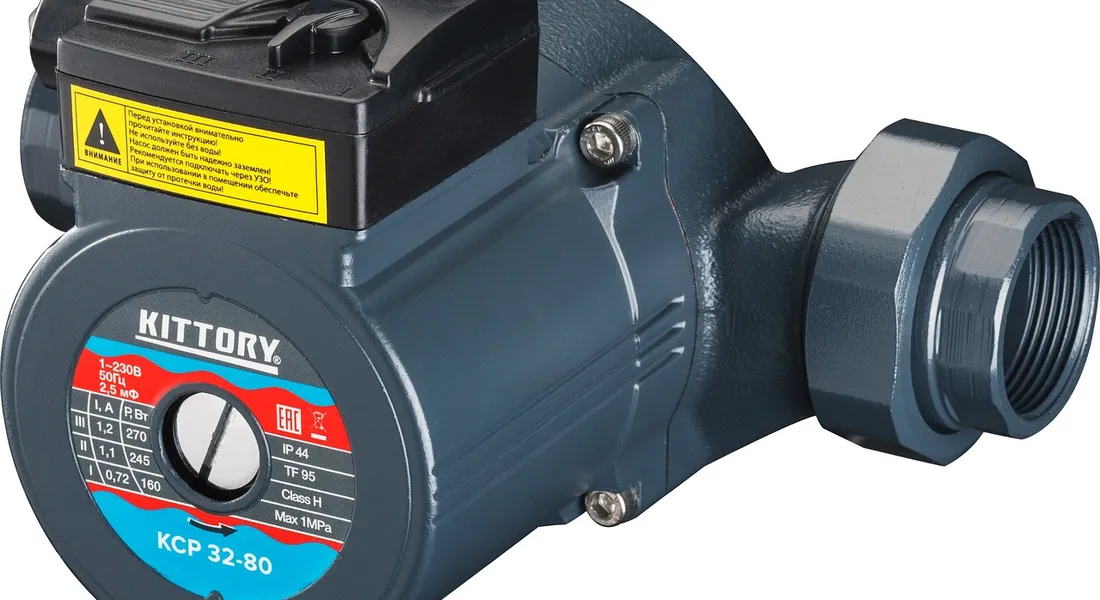
You need to know what you’re working with before you touch a single wire. Here’s how to safely figure out your pump’s voltage and setup without getting shocked.
First, find your pressure tank. The pump’s wiring usually runs to a nearby control box (for a submersible pump) or a pressure switch. That’s your starting point.
Reading the Pump Motor Nameplate
This metal or plastic plate is your pump’s birth certificate. It’s on the motor itself. For a submersible pump, it’s down the well. You don’t need to pull it up. The same information is almost always on the control box mounted on your wall.
Look for these lines on the label:
- Voltage (V or Volts): This is your key number. You’ll see something like 115/230V, 230V, or just 120V. A 115/230V pump can be wired for either voltage. A 230V-only pump needs 240V from your panel.
- Horsepower (HP): Like 1/2 HP or 1 HP. This matters for sizing wire and breakers.
- Amperage (FLA or Amps): Full Load Amps. This tells you how much current the pump draws under load.
Write these three numbers down. They are the holy trinity for any repair or replacement.
Identifying Your Circuit Breaker Type
Go to your main electrical service panel. Do not open it yet. Just look at the labels. Find the breaker labeled “Well Pump” or “Pump.”
If you can’t find a label, look for a double-width breaker (two breakers tied together with a single handle) in a 20, 30, or 40-amp size. That’s likely your pump. If the breaker trips, it could be related to the well pump pressure switch. In the next steps, we’ll explain how the pressure switch interacts with the breaker and what to check.
Now, for the safe check. Put on dry shoes. Get your non-contact voltage tester. Open the panel door carefully. Do not touch anything inside. Hold the tester near the wire coming off the suspected breaker (the thick wires, not the thin ones on the breaker itself). If it beeps or lights up, you’ve found a live circuit.
A double-pole breaker (two spaces tall) almost always means 240 volts. A single-pole breaker (one space tall) typically means 120 volts. This should match what you saw on the pump nameplate.
The Tools You’ll Need for a Safe Check
Gathering the right tools keeps you safe and makes the job clear.
- Non-Contact Voltage Tester: The most important tool. It beeps when near voltage without needing contact.
- Bright Flashlight: To read faded labels in dark corners or the well pit.
- Notepad and Pen: To record voltage, HP, and amp numbers.
- Cell Phone Camera: Take clear pictures of every nameplate and label. You’ll want them later.
With these tools, you can identify your system completely without ever exposing yourself to live electrical connections.
Installation, Wiring, and Critical Safety
This is where most homeowners should stop. Knowing the *what* and *why* helps you hire the right pro and buy the right parts. It also stops you from making a very costly, or dangerous, mistake.
Key Components: Pressure Switches and Control Boxes
Your pump doesn’t just plug in. It’s part of a system.
The pressure switch is the brain. It turns the pump on when pressure drops (you open a faucet) and off when the tank is full. It must match your system’s voltage and amperage. A 240V pump needs a 240V switch.
A submersible pump control box is the nerve center. It houses the starting circuitry for the pump motor. It is not just a junction box. Its purpose is to regulate starting and stopping of the motor. It also protects the pump from overload. This control box ensures the system runs reliably and safely. The box’s HP rating must match your pump’s HP exactly. A 1 HP pump needs a 1 HP control box.
Choosing the Right Wire Gauge and Conduit
Wire is not just wire. Too small, and it overheats, causing a fire hazard. The right size depends on the pump’s amperage and the distance from the panel. Choosing the correct wire size for well and sump pumps is crucial for safety and efficiency.
For a typical residential submersible pump:
- A 1/2 HP, 240V pump at less than 100 feet often uses 12-gauge wire in a 20-amp circuit.
- A 1 HP, 240V pump will likely need 10-gauge wire on a 30-amp circuit.
- Longer runs (over 100 feet) require thicker wire (like 8-gauge) to combat voltage drop.
The wire must be in approved conduit (like PVC or metal) from the panel to where it enters the well seal. This protects it from physical damage and is required by electrical code.
The “Red Flag” Troubleshooting Guide
These signs mean stop. Turn off the pump’s breaker and call a professional.
- Burnt smell at the pressure switch or control box. This indicates arcing, failed contacts, or overheated wires.
- The control box is hot to the touch or the capacitor is swollen/leaking. The start capacitor has failed.
- The pump breaker trips immediately when reset. This is a dead short in the wiring or the pump motor itself.
- You have no 240V power at the pressure switch but the breaker is on. This indicates a failed breaker or a broken leg of power, which needs an electrician.
Tools & Material Checklist for a Pro Installation:
- Correct HP & Voltage Control Box (for submersibles)
- Correct Voltage Pressure Switch (30/50 or 40/60 psi typical)
- Well Pump Wire (UL approved, correct gauge)
- Waterproof Wire Splice Kits (for submersible connections)
- PVC Conduit & Fittings
- Torque Screwdriver (for proper pressure switch terminal tightness)
- Wire Strippers & Circuit Tester
DIY vs. Pro Verdict: Difficulty Rating 9/10
Replacing a pressure switch or swapping a control box is a high-level DIY task for someone very experienced with home electrical work. It involves working in the main panel and handling 240-volt connections.
Making the final wiring connections inside the well casing and connecting the new circuit at the main panel should always be done by a licensed electrician or well professional. Local electrical codes are strict, and a mistake here can flood your well, destroy a very expensive pump, or cause an electrical fire. My rule is simple: if the work requires a permit, you need a pro. Well pump wiring always requires a permit, especially when attempting to install or wire a deep well submersible pump.
Long-Term Care and Electrical Efficiency
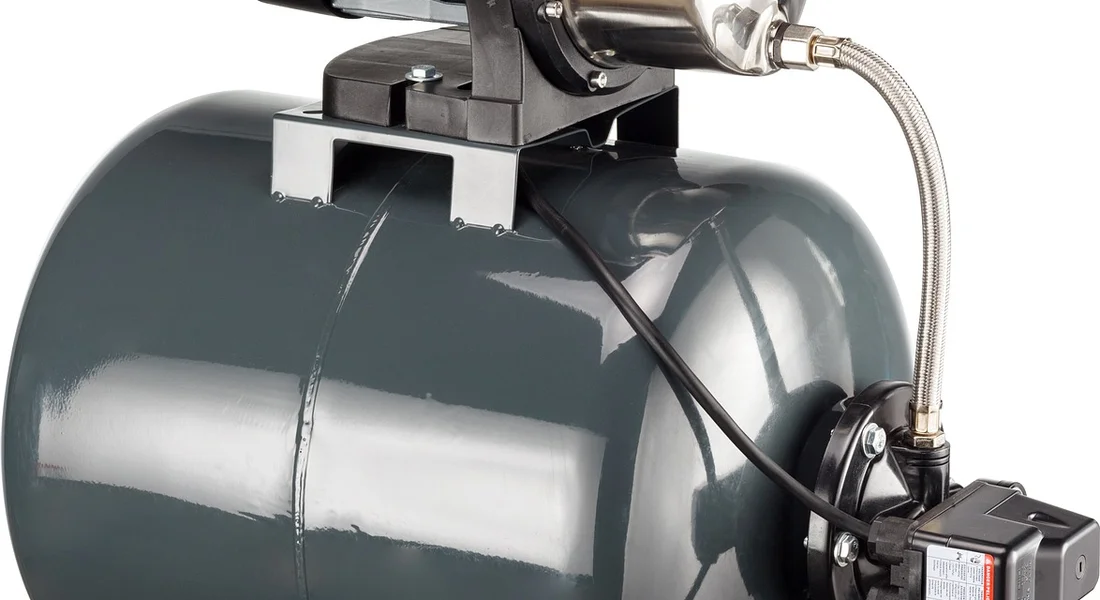
Getting the voltage right is just the start. The real goal is a system that runs for years without trouble and keeps your electric bill in check. A little focused care makes all the difference.
Think of your well pump like the engine in your car. You wouldn’t ignore strange noises or skip oil changes. Your pump needs the same basic attention. Ignoring small signs of strain leads to a dead pump and a much bigger repair bill.
How Proper Sizing Saves Money on Your Bill
A pump that’s too big wastes power. A pump that’s too small runs constantly and burns out. Correct sizing is the foundation of efficiency. Understanding how to calculate pump efficiency helps reduce energy costs. This leads to smarter system design.
An oversized pump delivers more water than your house needs in a short blast. It hits the pressure switch’s cut-off point quickly and shuts down. But a minute later, you use a little water, and the pump has to start all over again. This constant on-off cycling is hard on the motor and uses more electricity over time.
A properly sized pump, matched with a correctly pre-charged pressure tank, runs longer but less often. The tank’s air bladder holds pressurized water, so small demands like flushing a toilet don’t trigger the pump to start. This reduces wear on the motor’s start capacitor and windings, which are the parts most likely to fail from overuse.
It’s like driving your car. Stop-and-go city traffic (short cycling) uses more gas and wears the engine faster than cruising on the highway (a longer, steady run). Your well pump operates on the same principle.
Annual Electrical System Check-Up Steps
Do this once a year, maybe when you change your smoke detector batteries. It takes 15 minutes and can spot problems early.
First, turn off the power at the breaker. Safety is non-negotiable. Once the power is confirmed off, safely shut down the well pump electrical connections, then open the well pump control box or the connection point near the pressure tank.
- Look for discolored, melted, or cracked wire insulation.
- Check for corrosion on terminal connections. A white or green crusty substance means moisture is getting in.
- Ensure all wire connections are tight. A loose connection creates heat and resistance.
Close everything up and restore power. Now, listen.
- Turn on a faucet and let the pressure drop until the pump kicks on. The start should be smooth, not a loud groan or bang.
- Listen as it runs. It should sound steady. Any grinding, screeching, or humming is a red flag.
- Watch the pressure gauge. The pump should stop cleanly at its high-pressure cut-off (often 60 PSI). It shouldn’t “ride the switch,” where the needle bounces rapidly at the cut-off point.
If you see corrosion, hear unusual noises, or notice erratic gauge behavior, call a pro. These are warnings of impending failure.
When to Consider a Pump Upgrade
Repairing an old pump is sometimes like putting a new transmission in a car with 200,000 miles. You fix one thing just for another to break. Knowing when to replace saves money long-term.
Consider a new pump if your old one needs a second major repair in a few years, like a repeated control box or capacitor failure. If the pump motor itself is failing, replacement is almost always the answer. Replacing a motor alone is rarely cost-effective.
This is also the time to think about modern variable speed pumps. A traditional pump is like a light switch, either fully on or off. A variable speed pump uses a smart controller to adjust its motor speed to match your home’s exact water demand.
- It uses less electricity during low-demand periods.
- It provides nearly constant pressure, so you don’t get a shower blast when someone flushes a toilet.
- It starts softly, eliminating water hammer and reducing strain on the system.
Upgrading to a variable speed pump makes the most sense if your electrical costs are high, you have pressure fluctuations, or you’re already facing a major replacement. For a reliable old pump that just needs a minor fix, repair is usually the practical choice.
Common Questions
How can I be sure power is actually reaching my pump?
First, turn off the breaker. Locate the pressure switch and carefully remove its cover. With the breaker back on, use a multimeter to test across the two main terminals-you should see roughly 240V. If you don’t, or you’re uncomfortable, stop and call a pro.
Is proper grounding for the pump really that important?
Absolutely. A correct ground is a critical safety path for stray electricity, protecting you and your pump’s motor from lightning strikes or fault currents. This is not a place for shortcuts; it must be bonded to your home’s grounding electrode system per code.
When is it absolutely time to call an electrician?
Call one if you find burnt wires, frequently tripping breakers, or if you need to run a new circuit from the main panel. Working inside the main panel and dealing with the well seal connection are jobs for a licensed professional to ensure safety and code compliance.
Can my 240V pump run if my home’s voltage is a little low?
Maybe, but it’s harmful. Consistently low voltage (below ~230V) causes the motor to overheat while struggling to do its job, significantly shortening its life. If you suspect this, contact your utility company to investigate your service drop’s voltage.
Does my pump use more electricity when it constantly cycles on and off?
Yes, and it causes more wear. Short cycling stresses the motor’s start components and wastes energy. This is often caused by a waterlogged pressure tank or a faulty pressure switch-two issues you should address promptly for efficiency and pump longevity.
Your Action Plan for Well Pump Power
The most critical step is to always find and match the voltage and horsepower on your pump’s nameplate before you do anything else. When in doubt, hire a licensed electrician to handle the connections and verify your system’s voltage at the pressure switch.
I double-checked my own pump’s nameplate specs last year before upgrading the control box. That five-minute verification saved me from ordering the wrong part and prevented a costly wiring mistake. Treat that little metal tag as your ultimate guide.
Bob McArthur
Bob is a an HVAC and plumbing industry veteran. He has professionally helped homeowners resolve issues around water softeners, heaters and all things related to water systems and plumbing around their homes. His trusted advice has helped countless of his clients save time, money and effort in home water systems maintenance and he now here to help you and give you first hand actionable advice. In his spare time, Bob also reviews home water systems such as tankless heaters, water softeners etc and helps home owners make the best choice for their dwelling. He lives around the Detroit area and occasionally consults on residential and commercial projects. Feel free to reach out to him via the contact us form.