Home Water Purification: Methods and Chemicals Decoded
What’s really in your purified water? Let’s cut through the confusion and get straight to the facts.
This guide walks you through each major cleaning process and what goes into it. We will cover filtration, distillation, reverse osmosis, chemical disinfection, and the key ingredients like chlorine, chloramine, and salt.
I’ve fixed and installed these systems for years. Here’s the takeaway: some methods add chemicals, others strip them out-knowing the difference saves you money and hassle.
How Home Water Purification Really Works: The Core Methods
Forget the textbook definitions. Home water treatment comes down to two basic jobs. You either strain stuff out of the water, or you change the stuff that’s in it. It’s that simple.
Physical methods trap or block particles. Think of a sieve for your water. Chemical methods, including ion exchange, kill or alter contaminants at a molecular level. Understanding this split is your first step to picking the right system.
You’ll hear about TDS, or Total Dissolved Solids. This is a key number. It measures everything dissolved in your water, good and bad, after your purifier does its job. A zero TDS reading isn’t always the goal, but it tells you what your system is actually removing.
What helped me was learning that my old under-sink carbon filter made my water taste great but did zero for the white crust on my showerhead. It removed chlorine but left all the hardness minerals behind. That’s when I realized you often need a one-two punch of methods for truly clean water.
Physical Filtration Methods: Straining Out the Bad Stuff
These are your physical barriers. They don’t add anything to the water, they just take things away.
Sediment filters are your first line of defense. They are like a screen door for your plumbing. String-wound or pleated cartridges catch sand, silt, and rust flakes before they wreck appliances or clog finer filters down the line. You change them when the pressure drops or they look dirty.
Activated carbon filtration uses a bed of specially treated charcoal. This is the workhorse for improving taste and odor because it absorbs chlorine, many chemicals (VOCs), and some pesticides like a sponge. It doesn’t remove minerals, salts, or microbes. The carbon gets “full” and must be replaced, usually every 6-12 months. That taste improvement is a big reason people choose activated charcoal filtration. You’ll notice crisper flavor as chlorine and other compounds are removed.
Reverse Osmosis (RO) is the ultra-fine strainer. Imagine a membrane with holes so tiny only water molecules can squeeze through. Dissolved solids like sodium, nitrates, and lead are left behind and flushed down the drain. RO systems typically have a sediment filter, carbon filter, and the RO membrane in one unit. They reduce TDS dramatically.
UV Light Purification isn’t a filter. It’s a sterilizer. Water passes by a special ultraviolet lamp. The light scrambles the DNA of bacteria and viruses, making them harmless. UV provides no residual protection and does not filter particles, so it’s always installed after a sediment filter. In the overall water purification stages, UV is one filtration step. It typically follows a sediment filter and precedes the final polishing stage.
Chemical and Exchange Methods: Changing What’s in the Water
These processes don’t just trap things, they transform them into something less problematic.
Ion Exchange is the science behind your water softener. A tank is filled with resin beads charged with sodium (or potassium) ions. As hard water flows through, the beads grab the calcium and magnesium ions and release the sodium ions in exchange. The hardness is gone, stuck on the beads. This is ion exchange in action. It softens hard water minerals by swapping calcium and magnesium for sodium. The system regenerates by washing the beads with a salty brine solution to reload the sodium.
Chlorination is the most common chemical disinfectant. Municipal plants use it. Well owners often install chlorine injection pumps and retention tanks. It kills bacteria and provides a protective residual in the pipes. The downside is the taste and smell, which is why many people use a carbon filter after chlorination.
Ozonation is a powerful oxidizer. An ozone generator creates O3 gas (a form of oxygen) and bubbles it into the water. It destroys bacteria, viruses, and organic compounds without adding chemicals. It leaves no taste. These systems are more complex and expensive, but highly effective for certain well water issues.
Bromine is an alternative disinfectant to chlorine, mainly found in pools and hot tubs. It’s more stable in hot water. For home drinking water, it’s rarely used. Stick with chlorine or UV for your potable water disinfection needs.
The Chemicals in Your Water: Safety, Purpose, and Rules
Homeowners often ask, “What chemicals are you putting in my water?” It’s a fair question. The key isn’t the chemical itself, but the dose. The right amount protects you. The wrong amount harms you.
Proper dosing is what separates safe water treatment from a hazard. This is why equipment that injects chemicals must be carefully calibrated and maintained.
Code & Compliance Check: Any system that adds a chemical to your drinking water should be certified to NSF/ANSI Standard 61. This means the materials and the chemical contact are safe for potable water. Look for this certification. Don’t install uncertified chemical feeders.
Common Chemical Disinfectants: Chlorine and Its Cousins
For killing microbes, chlorine is the proven tool.
You’ll typically use liquid sodium hypochlorite (common household bleach) or solid calcium hypochlorite tablets in a feeder. They dissolve and release chlorine into the water stream. You need a test kit to maintain the correct residual level, usually between 0.2 and 2.0 ppm.
Can you use pool chlorine for potable water? No. Never. Pool chlorine products contain stabilizers and other additives that are not approved for drinking water. They are not pure enough. Use only chemicals marked as suitable for potable water applications.
The gas used for water purification in large pools and municipal systems is chlorine gas. It is highly dangerous and requires special equipment and training. Chlorine gas is not for home use under any circumstances.
Other Treatment Chemicals: Scale Inhibitors and Adjusters
Not all chemicals kill germs. Some manage minerals and corrosion.
Polyphosphate or orthophosphate scale inhibitors are injected in tiny amounts. They don’t remove hardness like a softener. Instead, they sequester the minerals, keeping them dissolved so they can’t form scale on pipes and heaters. Think of it as putting the minerals in a chemical “jail.”
pH adjusters are used in neutralizer filters for acidic well water. Corrosive water eats pipes. A tank filled with calcite (crushed limestone) or a blend with magnesia slowly dissolves as water passes through, raising the pH naturally. For more severe cases, a chemical pump injects a soda ash (sodium carbonate) solution. You must test pH regularly.
Potassium chloride is a chemical salt alternative for water softeners. It performs the same ion exchange as sodium chloride but adds potassium to the water instead of sodium. It’s more expensive, but it’s an option for those on strict sodium-restricted diets. The softener works exactly the same way.
Setting Up and Keeping It Running: Your Maintenance Roadmap
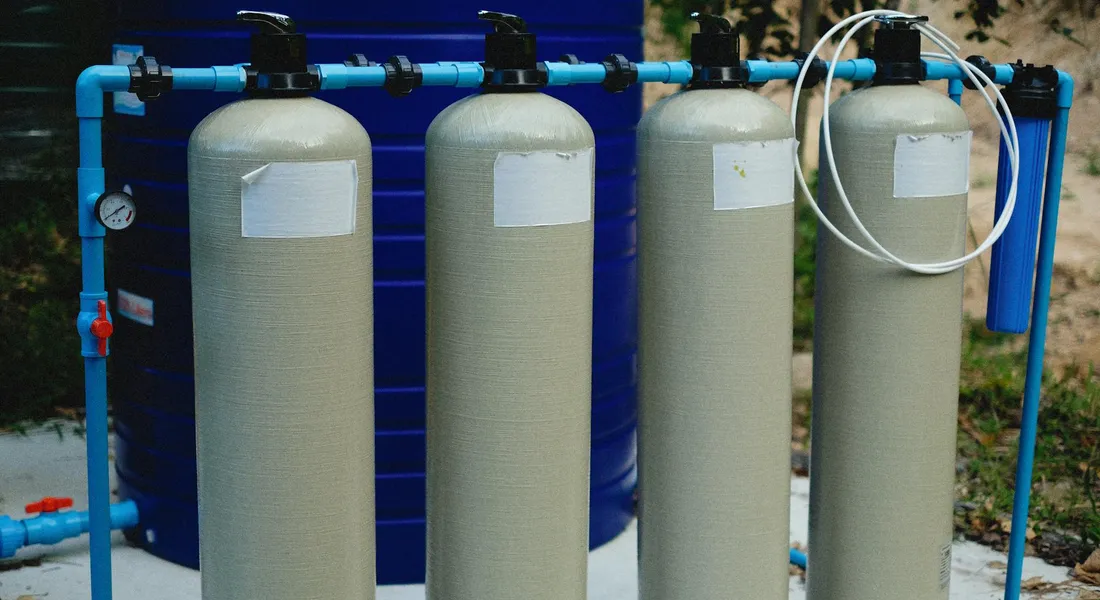
A system you ignore is a system that fails. Regular checks help spot water filtration system problems early. If issues arise, a quick troubleshooting guide can save time and money. Consistent, simple maintenance is the key to clean water and avoiding big repair bills.
Your Maintenance Schedule
Stick to this calendar. It’s based on average home use. If your water is particularly bad, you might need to service things more often.
| System Type | Every 3-6 Months | Every 6-12 Months | Every 1-3 Years |
| Reverse Osmosis (RO) | Change sediment & carbon pre-filters. | Sanitize the housing. | Change the RO membrane. |
| Water Softener | Check salt level; add if half full. | Clean the brine tank. | Check resin bed; consider professional service. |
| UV Purifier | Wipe the quartz sleeve (when bulb is off). | Replace the UV bulb (even if it still lights). | Replace the quartz sleeve if scaled. |
| Whole-House Filter | N/A | Change cartridge(s). | Check and replace housing O-rings. |
Tools & Material Checklist
You don’t need a fancy toolbox. Keep these basics in a bucket under the sink.
- A 5-gallon bucket (for spills and old filter drip)
- Channel lock pliers or a filter wrench
- Roll of Teflon tape (the white, standard kind)
- Safety glasses
- Old towels or rags
- Food-grade silicone grease (for O-rings)
DIY vs. Pro Verdict
Know your limits. A simple filter change is one thing. Messing with high-pressure pumps or chemical feed is another.
- Sediment/Carbon Filter Change (Difficulty: 2/10). Turn off water, relieve pressure, unscrew housing, swap filter, lube O-ring, screw back on. Anyone can do this.
- RO Membrane Change (Difficulty: 4/10). A bit more finesse with clips and tubing, but very doable with the manual.
- Softener Resin Replacement (Difficulty: 7/10). Heavy lifting, potential for flooding, and system programming. I call a pro for this.
- Installing a Chemical Feed Pump (Difficulty: 8/10). Involves drilling, precise wiring, and handling chemicals. This is pro territory.
The Red Flag Troubleshooting Guide
Your water will tell you when something’s wrong. Learn its language.
Listen for these warnings. A sudden change in your water is your first clue that a filter is spent or a component has failed.
- Sudden bad taste or odor: Your activated carbon filter is exhausted. It can’t absorb chemicals anymore.
- Cloudy water from a softener tap: Tiny resin beads are escaping. The filter screen at the top of the tank is broken.
- Low water pressure at all fixtures: The whole-house sediment filter is completely clogged.
- Soap not lathering, scale comes back: The water softener is not regenerating. Check salt, settings, or power.
- Rising TDS on an RO system’s meter: The membrane is no longer rejecting contaminants. Time for a new one.
When to test your water. Use a simple test strip for a quick check on hardness or pH. It’s fast and cheap. If you need to identify specific metals, bacteria, or a full contaminant panel, you send a sample to a certified lab. Do a lab test before buying any major system, and then maybe once a year after to ensure everything is working. If you’re concerned about lead, include a lead-specific test and a certified filtration option to protect your family. That extra check helps ensure safe drinking water for everyone at home.
Choosing Your Home’s System: A Practical Side-by-Side Guide
Buying a water system is not one-size-fits-all. You match the tool to the job.
For removing hardness (calcium, magnesium), you need a softener. It uses ion exchange resin and salt. For removing lead, arsenic, and microscopic cysts, you need an RO system. It uses a membrane and pressure. A carbon filter takes out chlorine and bad tastes. A UV light zaps bacteria. They often work best as a team.
Think about whole-house versus point-of-use. Choosing the right approach depends on what you want to protect—pipes and appliances or drinking water at the tap. This choice helps determine whether you opt for a whole-house filtration system or point-of-use units. A softener or whole-house filter protects every pipe and appliance. An RO system is almost always just for your kitchen sink drinking water. It’s wasteful and slow to try to treat all your water with RO.
Your water test is your shopping list. The numbers don’t lie. Look at your lab report. A GPG (grains per gallon) number over 3 means you likely want a softener. A high TDS (total dissolved solids) number points to RO. Iron and manganese need specific filters before they ruin your softener resin. Buy the system that fixes the problems you actually have.
What helped me. When I moved into my current house, the water tasted metallic and left orange stains. A lab test showed high iron and moderate hardness. I didn’t need a crazy expensive system. I installed a simple iron filter ahead of a standard water softener. The iron filter oxidizes and traps the iron, and the softener handles the hardness. The stains vanished and the taste cleared up. The test told me exactly what to buy, so I didn’t waste money on the wrong equipment. Those home water quality testing lab results were the key, showing me precisely what to address. With your own lab results, you can tailor a similar setup without guessing.
Common Questions
1. Can I combine purification methods, and does that change the chemicals used?
Absolutely. Combining methods is often the best approach. For example, using a sediment and carbon filter before a chlorination system protects the pump and removes chlorine taste afterward. The key is that one method’s output becomes the next’s input, so you may need fewer chemicals overall.
2. Is the salt from a water softener safe for someone on a low-sodium diet?
The sodium added is minimal, but consult your doctor. A practical solution is to use potassium chloride salt pellets instead; your softener works the same but exchanges potassium ions instead of sodium. Always keep one tap unsoftened for cooking and drinking if you have health concerns.
3. Do activated carbon filters remove all the disinfectant chemicals from city water?
Yes, standard carbon filters are very effective at removing chlorine taste and odor. However, some municipalities use chloramine, which is more stable and requires a longer contact time with premium catalytic carbon to remove. Check your local water report to know which disinfectant is used.
4. If my Reverse Osmosis system shows zero TDS, is that perfect water?
Not necessarily. A zero TDS reading means all minerals, good and bad, are removed. This water can be slightly corrosive. Many RO systems include a final “remineralization” stage that adds a small amount of beneficial minerals like calcium back for taste and balance, which is perfectly safe and recommended.
5. When is a professional absolutely required for installing a chemical system?
You need a pro for any system that injects chemicals, like a chlorinator or acid neutralizer pump. Improper dosing is a health hazard. Only a certified technician should handle the installation, calibration, and initial safety checks to ensure it meets NSF/ANSI 61 standards for drinking water.
Making Your Choice: A Practical Homeowner’s Guide
Test your water first to know exactly what you need to remove. Your local contaminants, budget, and willingness to perform maintenance are the real factors that decide the best system for your house.
Bob McArthur
Bob is a an HVAC and plumbing industry veteran. He has professionally helped homeowners resolve issues around water softeners, heaters and all things related to water systems and plumbing around their homes. His trusted advice has helped countless of his clients save time, money and effort in home water systems maintenance and he now here to help you and give you first hand actionable advice. In his spare time, Bob also reviews home water systems such as tankless heaters, water softeners etc and helps home owners make the best choice for their dwelling. He lives around the Detroit area and occasionally consults on residential and commercial projects. Feel free to reach out to him via the contact us form.