Water Service Lines and Easements: What Every Homeowner Must Know
That pipe bringing water from the street to your house is your problem once it hits your property line. But what happens when it runs under a neighbor’s yard or the city needs to dig there?
Let’s get straight to it. We will cover what a water service line actually is, how property easements work, and who is responsible for repairs and access.
I’ve dug up and repaired more lines than I can count. Here’s your one takeaway: locate your shutoff valve now, before you have a leak at 2 a.m.
The Lifeline to Your House: Your Water Service Line
Your water service line is the dedicated pipe running from the public water main under the street to your home’s main shut-off valve. Think of it as the one garden hose connecting your house’s entire plumbing system to the city’s supply. Knowing how to locate and shut off these lines is crucial in emergencies such as leaks or bursts.
You’ll hear it called a “water line” or “service line.” They’re the same thing. The main difference between this pipe and all the others in your house is simple.
This is the only pressurized line bringing water in before it branches off to your sinks, toilets, and water heater. Everything else is downstream. A pressure tank in city water systems helps keep inlet pressure steady and reduces pump cycling. This is a common reason people install one to ensure consistent flow throughout the house.
What’s Inside That Pipe? The Key Components
The service line isn’t just a length of pipe. It’s a system with specific parts you should know.
- The Pipe: The material itself, buried underground.
- Curb Stop (Street Valve): The shut-off valve usually found near the street or property line.
- Water Meter: Measures your household usage.
- Main House Shut-Off Valve: Your main control valve, often in the basement or a utility room.
- Corporation Stop: The connection fitting at the public water main.
Pipe materials vary. What you have often depends on when your house was built.
- Copper: Durable and reliable. It’s also expensive. Many older, quality homes have this.
- Galvanized Steel: An old material prone to rusting shut from the inside. If you have this, low pressure and discolored water are common.
- Plastic (PEX, HDPE, PVC): Common in modern installations. It’s corrosion-resistant and flexible. HDPE is often used for the main burial section.
Local plumbing codes (like IPC or UPC) dictate approved materials and, critically, how deep the pipe must be buried to prevent freezing. In my region, that’s at least 36 inches down. State-specific guidelines can differ by frost depth and local conditions. For precise depth, check your state’s water main burial requirements.
DIY vs. Pro Verdict: Working on the Service Line
Difficulty Rating: 9/10. This is nearly always a job for a licensed professional.
Let’s be direct. Any repair or replacement on the section between the curb stop and the public main is almost exclusively utility company territory. You do not own that pipe, and you cannot legally touch that connection.
Repairs on your property side, from the curb stop to your house, might be DIY-able for an experienced homeowner. I’ve helped a neighbor replace a cracked section of PVC in his yard. But it requires specific steps.
- Call 811 to have all underground utilities marked.
- Pull a local permit for the work.
- Use specialized tools for trenching and joining pipe.
- Know your local code for depth, materials, and final inspection.
If you’re not ready to handle all four of those items, call a pro. A mistake here can flood your property or leave you without water.
Understanding Easements: The Utility’s Right-of-Way
An easement is a legal right for someone else to use a specific part of your land for a specific purpose. For your water line, that “someone” is the water utility.
This is about access, not ownership. You still own the land. The utility owns the pipe buried in it. They have the right to get to it.
It’s like having a shared driveway on your property. You own the pavement, but your neighbor has the legal right to drive on it to reach their garage. You can’t pave it over or build a shed on it.
How an Easement Directly Impacts Your Water Line
The main effect is straightforward. The utility has the right to access, repair, or replace the water service line within that easement at any time, which is especially useful when you need to repair a broken main water line.
This means they can dig up your yard, remove your landscaping, or cut a section of your fence to get to the pipe. They are supposed to restore the area to a reasonable condition, but your prized rose bush might not make it.
Responsibility for the pipe often shifts at the property line or curb stop. You’re typically responsible for the section on your lot. The easement grants the utility permanent access to their portion, which usually runs from the main to your property line.
Who Can Access the Easement on My Property?
You should know who has a key to this “shared driveway.” Authorized parties usually include:
- Water utility crews.
- Contractors hired by the water utility.
- City or county inspectors.
They typically do not need your explicit permission for emergency repairs, like fixing a major leak. For planned work, like a system upgrade, they should provide you notice.
You cannot legally block or deny this access. Building a permanent structure like a deck or shed over a utility easement is a very bad idea. It will likely need to be torn down if they need to dig. Check your property deed or plat map to see where easements are located before starting any major yard project.
Your Rights, Responsibilities, and Property Use
Think of the utility easement as a shared hallway in an apartment building. You own your unit, but everyone needs access to the hallway for maintenance. You have rights as the property owner, but you also have clear responsibilities.
What You Can Expect from the Utility
You have specific rights when the utility needs to work in the easement on your property.
- You must be notified for non-emergency work. The utility should provide reasonable notice before they come onto your property to repair or upgrade their lines. An emergency break is different, they can show up immediately.
- You are entitled to restoration of your property. After the work is done, they are required to put things back in a reasonable condition. This means regrading soil, replacing sod, and repairing driveways or sidewalks they disturbed. It might not be perfect, but it should be functional and safe.
What the Utility Expects from You
Your responsibilities are straightforward but important.
- You cannot obstruct the easement. This is the main rule. You cannot do anything that blocks the utility’s legal right of access to their lines.
- You are typically responsible for the water line on your side of the meter. This is a critical point for homeowners. From the water meter at the street or property line, all the pipe running to your house is yours. Any leak, break, or maintenance on that segment is your financial responsibility to fix.
A recorded utility easement is a standard part of homeownership and almost never affects your property value. Title companies see them every day. The real problem comes from an unknown or violated easement discovered during a sale. Finding an unauthorized shed or a mature tree planted directly over the main line can cause major delays and require you to remove the obstruction before the sale closes.
Can I Build a Shed or Plant a Tree on an Easement?
You can, but it’s at your own risk. The utility has the legal right to remove anything in their way without compensating you for it. A crew with a backhoe won’t carefully disassemble your shed if they need to dig up a broken water main underneath it.
My advice is to be smart about it.
- Stick with shallow-rooted plants, grass, or gravel. Avoid trees and deep-rooted shrubs.
- Do not build permanent structures like sheds, patios, inground pools, or foundations. Consider anything you can pick up and move, like a potted plant or a lightweight bench.
What helped me: I used bright orange spray paint to mark the easement boundaries on my lawn after looking at my property survey. Now I know exactly where not to put my new garden bed or future fire pit. It’s a simple visual reminder that saves headaches later.
Tools & Material Checklist for Homeowner-Side Work
If you need to repair the pipe between your meter and your house, you’ll need the right gear. This is a big job, but having the proper tools is the first step.
- Pipe cutters (specific for PEX, copper, or PVC)
- Two large adjustable wrenches
- PEX crimp or cinch tools (if your line is PEX)
- Teflon tape and pipe thread sealant
- Round point shovel and a trenching shovel
You must call 811 (Dig Safe) at least 48 hours before you put a shovel in the ground, even for a small project like planting a tree. They will mark all public underground utilities for free. Hitting a gas or fiber optic line is dangerous and incredibly expensive.
When Trouble Hits: Problem-Solving the Service Line
A problem with your buried service line is stressful. Water is off, or your bill is skyrocketing. Here’s how to handle it methodically, including knowing who to call for well pump service.
The “Red Flag” Troubleshooting Guide
These signs point directly to a problem with your main water service line.
- Sudden loss of water pressure throughout the entire house. Not just one faucet, but every fixture has weak or no flow.
- An unexpectedly high water bill with no obvious interior leaks. Check your toilets for silent flapper leaks first. If all is quiet inside, the leak is likely outside in the buried line.
- Water pooling or a constantly soggy patch in your yard when it hasn’t rained. Look for this along the straight path between your meter and where the pipe enters your home.
- Visible corrosion, dripping, or moisture on the pipe where it enters your home in the basement or crawlspace.
Step-by-Step: Who to Call and When
Follow this order. It saves time and gets the right person on the job.
- Check if your immediate neighbors have water. If they do, the problem is almost certainly isolated to your property, not a municipal main break.
- Locate your main shut-off valve and the curb stop. Your main shut-off is usually where the pipe enters your house. The curb stop is a valve in a plastic or metal box near the street, by your meter. Try turning them off and back on. A valve that is partially closed can cause low pressure.
- Call your water utility. Report the issue. They will send someone out. Their job is to check the water pressure at the meter on the street side. This tells them if the problem is on their side of the responsibility line or yours.
- If the utility confirms it’s your responsibility, call a licensed plumber who specializes in exterior service line repair. Not every plumber does this trenching work. You need one with the right equipment and experience.
Seek professional help for any suspected leak or break in the buried service line. Trenching to the proper depth, joining the new pipe correctly, and meeting local code requirements are not typical DIY skills. Doing it wrong can lead to more breaks, contamination, or failed inspections.
Keeping the Water Flowing: Maintenance & Water Quality
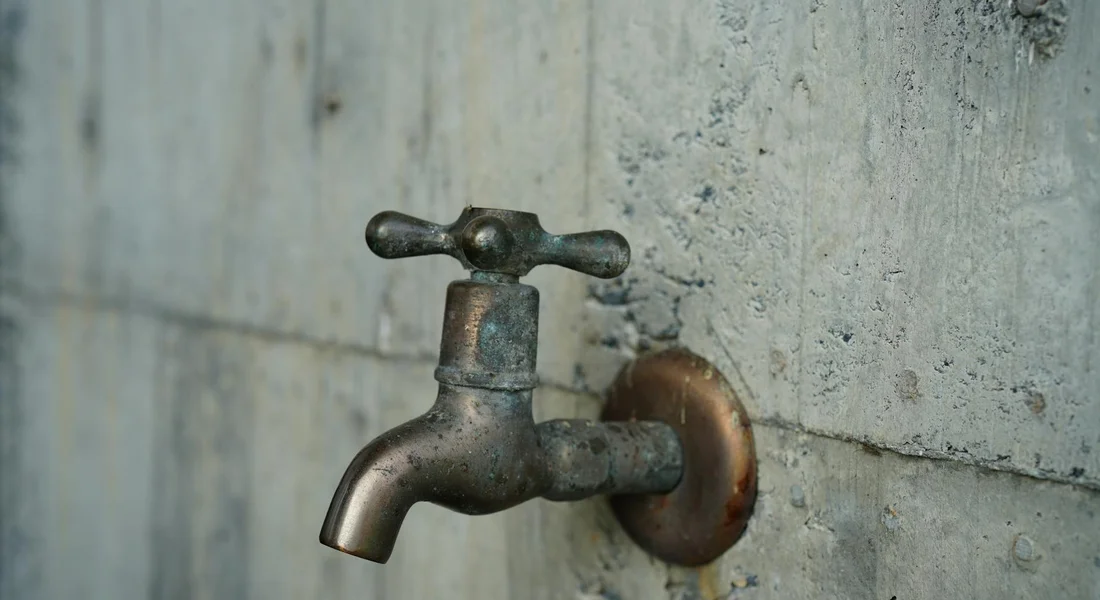
That pipe is buried for a reason. It’s out of sight and, with luck, out of mind. The service line itself needs almost no routine maintenance, but your awareness of it is everything. Knowing where it is, how to stop the water, and what it’s made of saves you from panic and expensive emergencies. You can locate and mark buried water lines to prevent accidents.
Water Service Line Maintenance Roadmap
Think of this as a short, critical checklist. Do these things, and you’re ahead of 90% of homeowners.
- Annual Task: Find and turn your main house shut-off valve and the curb stop valve (if you can access it). Turning these valves just a quarter turn each year keeps them from seizing solid, which is a guaranteed disaster during a leak. If the curb stop is in a buried box, use a long screwdriver or a specialty curb key.
- When You Move In: Get your property survey. Identify the marked path of your service line and the easement boundaries. I tape a copy inside my electrical panel. Knowing this stops you from accidentally digging into your own line or conflicting with utility work.
- Every Few Years (for older homes): If your water pressure drops consistently or you see discoloration, consider a professional camera inspection. They can snake a small camera down the line to check for corrosion, scale build up, or root intrusion. This is cheaper than a surprise excavation.
Water Science Snippet: What’s in Your Service Line?
The pipe isn’t just a tunnel. It’s in constant contact with your water. The material matters.
Old galvanized steel pipes corrode inside. They add rust and iron to your water, which stains fixtures and laundry. Some plastics installed before the 1970s might not meet modern standards.
If your water test shows high Total Dissolved Solids (TDS) or metals like lead or iron, the problem could be your service line, not the city water. If you’re troubleshooting filtration issues, look for changes in taste, odor, or flow to pinpoint the source. This is a solid reason to install a whole house filtration system. The filter treats the water after it leaves the problematic pipe.
So, is the water from the line good for you? It depends. Good source water plus a clean, modern pipe equals good water. Compromised source water or a deteriorating pipe means you need to take action at your house. If you notice symptoms like discolored water, odd taste or odor, or reduced water pressure, those are common water line problems symptoms. Addressing these early can prevent bigger issues.
Recommended Products for the Homeowner’s Arsenal
These aren’t fancy gadgets. They are basic tools for control and prevention.
- A Reliable Curb Key: If your curb stop valve is in a below ground box, a proper curb key is non negotiable. A wrench or pliers won’t fit. Get one that’s long enough so you don’t have to kneel in the mud.
- High Quality Pipe Insulation: The most vulnerable spot is where the pipe enters your home, usually in a crawl space or basement. Insulate that last 3 5 feet thoroughly with closed cell foam tubing to prevent freezing, which always happens at the entry point.
- A Basic Water Pressure Gauge: Screw this onto an outdoor hose bib. Check your pressure monthly. A gradual drop can signal a developing clog or leak in the service line long before a faucet stops working.
Common Questions
Who is responsible for which part of the water service line?
Responsibility typically splits at the curb stop valve or property line. You own and maintain the pipe from that point into your house. The utility owns the section from the main to that point, which is why they hold an easement for access.
Who can access the easement on my property and do they need my permission?
Utility crews and their contractors can access it. For emergency repairs like a major leak, they do not need permission. For planned, non-emergency work, they are required to provide you with reasonable notice beforehand.
What should I do if there’s a problem with the water service line in the easement?
Call your water utility immediately. They will diagnose if the issue is on their side (within the easement) or yours. Never start digging in an easement yourself-you risk damaging other utilities and violating your agreement.
Can I build a patio or plant a tree on an easement?
You can, but it’s a major risk. The utility has the right to remove any obstruction without compensating you. Avoid permanent structures and deep-rooted plants. Stick to grass, shallow annuals, or movable items like decorative stones.
Does a utility easement lower my property value?
Generally, no. Recorded utility easements are standard and expected by title companies. Value is only impacted if you’ve built an unauthorized structure over it, which becomes a costly problem to fix during a property sale.
Your Next Steps for Water Line Awareness
Start by finding exactly where your service line runs from the street to your house. Mark it clearly so you never dig into it. While you’re at it, keep an eye out for signs of a leaking water line—damp soil, unusually lush patches, or a faint hiss near the ground. Early detection can save you from costly damage. Then, pull your property deed and review any utility easement terms to know who can access that critical pipe.
Written by Bob McArthur. Bob is a an HVAC and plumbing industry veteran. He has professionally helped homeowners resolve issues around water softeners, heaters and all things related to water systems and plumbing around their homes. His trusted advice has helped countless of his clients save time, money and effort in home water systems maintenance and he now here to help you and give you first hand actionable advice. In his spare time, Bob also reviews home water systems such as tankless heaters, water softeners etc and helps home owners make the best choice for their dwelling. He lives around the Detroit area and occasionally consults on residential and commercial projects. Feel free to reach out to him via the contact us form.