Stop Flooding Your Foundation: How Far to Run Your Sump Pump Discharge Pipe
You got your sump pump working hard, but if that water dumps right next to your house, you’re just recycling the problem. Getting the discharge line distance wrong is a fast way to wash out your foundation or flood your basement all over again.
We will cover the exact distance your discharge pipe needs to be, how to install it right, the biggest drainage mistakes homeowners make, and what to do if you can’t hit the ideal spot.
I’ve seen this on a hundred service calls. Water follows the path of least resistance, and your job is to give it a one-way ticket away from your property. The single most important rule is to keep that water well away from your foundation. Period.
Why You Must Get the Sump Pump Discharge Distance Right
Think about what a sump pump does. It collects groundwater and ejects it. If you dump that water right next to your house, it just soaks back into the ground. This is called re-infiltration, and it directly raises the water table right around your foundation footer. You’re putting the water right back into the problem area. A buried sump drainage line can divert that water away from the foundation. This keeps groundwater from pooling near the footer and reduces re-infiltration.
It’s like bailing out a boat and pouring the water right back in. Your pump will never win. It just keeps cycling, moving the same water over and over.
This is the direct answer to a common question: why is it important to direct the sump pump discharge away from the foundation? Failure to do this creates a cascade of problems. When the sump pump fails or is misdirected, water can pool around the foundation, leading to basement flooding, mold growth, and structural issues. Recognizing these consequences helps homeowners take preventive steps.
- Basement Wall Seepage: The raised water table creates hydrostatic pressure. Water finds the path of least resistance, which is often through cracks or porous concrete in your basement walls.
- Foundation Erosion: Constant water flow near the foundation can wash away supporting soil. This can lead to settling, cracks, and serious structural issues over time.
- Mold and Mildew Growth: Damp foundation walls and a humid crawl space or basement are perfect for mold. This affects air quality and can ruin stored items.
- A Worn-Out Pump: Your pump will cycle on and off constantly. This shortens its lifespan dramatically. I’ve replaced too many pumps that burned out simply because they were working against their own discharge.
Your Sump Pump Discharge Distance Rulebook: Codes, HP, and Slope
So, how far should a sump pump discharge line be from the house? You need a rulebook that covers codes, your pump’s power, and your yard’s layout, including the depth of the drain lines.
The Code Minimum is Your Starting Point
Most areas adopt rules from the International Plumbing Code (IPC). The IPC often cites a 10-foot minimum discharge distance from the foundation. Your first call should always be to your local building department to confirm the rule where you live. Some municipalities require more, some have specific ordinances about discharging onto a neighbor’s property or into the storm sewer.
Horsepower Dictates How Far You Can Push
Your pump’s motor size (horsepower or HP) determines its “throw” distance. This isn’t just horizontal distance, it’s about overcoming vertical lift and pipe friction.
Remember, every elbow and foot of pipe adds friction. Use smooth PVC, not corrugated hose, for long runs to maximize flow.
How Your Yard Slope Changes the Game
Ground slope is critical. A steep slope away from your house does some of the work for you. The water runs off quickly, so you might meet code discharging at 10 feet. Flat land is a different story. Water pools. On flat ground, 10 feet is often not enough. You need to extend the line much farther to find a spot where the water will actually drain away.
A Quick Note on Water Chemistry
The water from your sump pit isn’t pure. It has passed through soil and aggregate around your foundation. This often means it has higher total dissolved solids (TDS), like minerals, and can be slightly acidic. If this water pools near your foundation or on landscaping, the mineral content can leave deposits and the acidity can slowly degrade concrete and harm plants. Another reason to get it away from your house. That’s why aiming for ideal dry sump pit conditions—keeping the pit consistently dry and free of mineral buildup—can help protect your foundation. Look to the next steps for practical tips on achieving those ideal conditions.
How to Install or Extend Your Discharge Line: DIY vs. Pro
The DIY vs. Pro Verdict
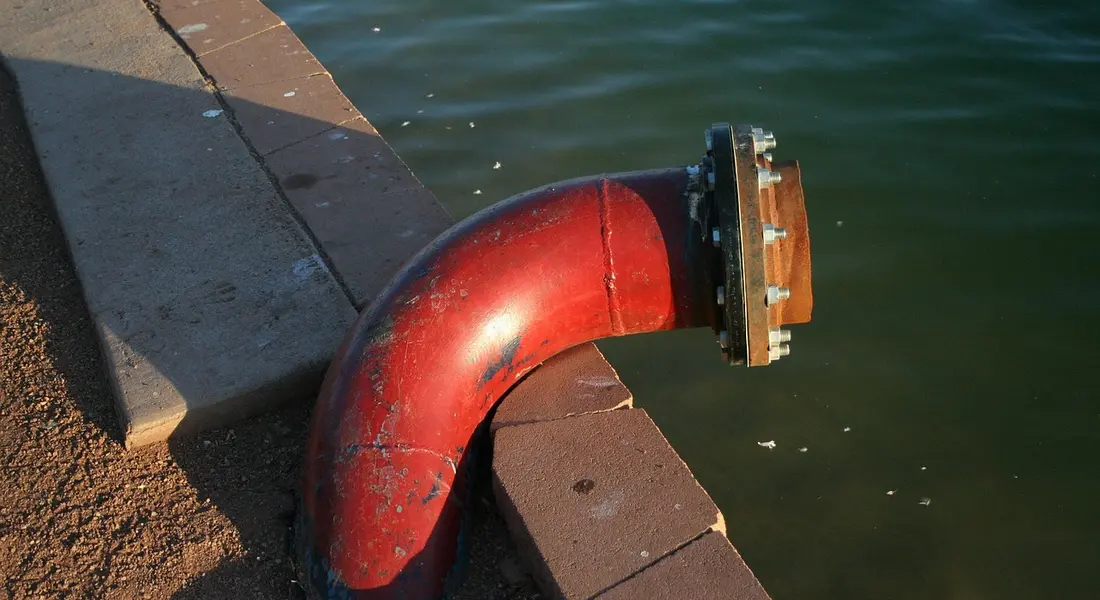
This job gets a difficulty rating of 5 out of 10. The rating splits right down the middle based on your plan. Running a new above-ground pipe extension is firmly in DIY territory, especially when you extend or split existing water supply lines. It’s basic cutting and gluing. Burying a line or installing a dry well is where you should call a pro. The excavation, proper sloping, and system integration require a trained eye and often a permit.
Tools & Material Checklist
Gather these items before you start. Using the right materials prevents callbacks.
- PVC Pipe (Schedule 40): Rigid, not flexible hose. 1.5-inch diameter is standard.
- PVC Primer & Cement: The clear primer and blue cement are a must for permanent joints.
- Pipe Straps with Screws: To secure the line to your foundation every 4-6 feet.
- Fine-Tooth Saw or PVC Cutter: For clean, square cuts.
- Check Valve: A quality valve prevents water from flowing back into the pit.
- Downspout/Splash Block: To manage water flow at the exit point and prevent erosion.
- Shovel: If you’re planning to bury the final section of pipe.
Steps for an Above-Ground Extension
This is the most common weekend fix. Follow these steps to do it right.
- Turn off and unplug the sump pump. Safety first.
- Cut the existing discharge pipe with your saw. Make the cut clean and straight.
- Dry fit your new pipe section and the check valve. The check valve arrow must point away from the pump.
- Prime and cement each joint. Apply primer to both surfaces, then cement. Push and hold the pieces together for 30 seconds. The bond sets fast.
- Secure the new run. Use pipe straps anchored into the foundation to prevent sagging and stress on the joints.
- Direct the outlet. Position a heavy-duty splash block or a section of downspout at the end. The goal is to channel water away and stop it from digging a hole next to your house.
Comparing Burial Options
If you want the pipe out of sight, you have two main paths.
Simple Buried Pipe to Daylight: This is a shallow trench (below the frost line if possible) that slopes downward from the house. The pipe exits at a lower point in your yard, like a hillside or swale. It’s a gravity assist. You must maintain a slope of at least 1/4 inch per foot.
Dry Well or French Drain System: This is a pro job. The discharge line feeds into a buried pit filled with gravel or a perforated chamber. Water slowly percolates into the surrounding soil. It’s for flat yards with no natural runoff. Installing one wrong can flood your foundation. Make sure to never connect it to your septic system.
FAQ: How can I ensure proper drainage for my sump pump discharge line?
Drainage fails at the exit. Placement is everything. The end of your pipe must terminate in a spot lower than your basement. The water needs somewhere to go. A splash block is not optional. It disperses the force of the water so it doesn’t carve a channel right back to your foundation. In winter, keep the exit clear of ice and snow buildup, or switch to a buried line that discharges below the freeze line.
Keeping Your Sump Pump System Healthy for Good
System Maintenance Roadmap
Treat your sump pump like your furnace. A little routine care prevents a major disaster.
- Monthly: Test the pump. Pour a 5-gallon bucket of water into the pit. The pump should kick on, drain the pit, and shut off.
- Quarterly: Clear the pit of silt, gravel, and debris. Unplug the pump first.
- Every Fall: Inspect the discharge line outdoors. Ensure it’s secure and the exit is clear of leaves and obstructions. Listen to the check valve for a solid “thump” when the pump stops.
- Before & After Major Storms: Do a visual check. Make sure the exit area isn’t flooded or frozen.
The “Red Flag” Troubleshooting Guide
Your system will tell you when it’s struggling. Listen to it. Here are five signs of failure.
- Pump runs constantly but water isn’t moving far. This usually means a clogged discharge line or a stuck check valve.
- Water pools right at the foundation. Your discharge point is too close. You need to extend the line.
- New damp spots in the basement after rain. The system is overwhelmed or failing. The water it’s moving is coming right back.
- Discharge line is frozen or clogged. Ice or debris is causing a total blockage. The pump will burn out.
- Pump is short-cycling (turning on/off rapidly). Often a sign of a faulty check valve letting water flow back into the pit.
Recommended Products
Don’t cheap out on the parts that handle the water. Quality products last longer and fail less.
- Pipe: Rigid Schedule 40 PVC. It handles pressure, won’t kink, and lasts decades.
- Check Valve: Get one with a union connection. It makes future service or replacement a 5-minute job.
- Pump: Choose a durable submersible pump with a cast iron or stainless steel base. Plastic bases can crack.
- Controller: Consider a programmable smart pump controller. It can send alerts to your phone if the pump runs too long or fails.
Getting the discharge distance right isn’t complicated plumbing. It’s a straightforward fix that protects your biggest investment. A few hours of work or a call to a pro secures your basement for years.
Common Questions
What’s the absolute minimum safe distance for my discharge line?
Always defer to your local building code, which typically sets a 10-foot minimum. For real protection against water cycling back, I recommend 15 to 20 feet as a safer target. This extra margin helps prevent foundation splashback and soil erosion.
Can I use a flexible hose instead of PVC pipe?
Avoid corrugated hose—it kinks, reduces pump efficiency, and fails quickly. Rigid Schedule 40 PVC is the standard for a reason: it maintains flow and durability. Stick with PVC for a reliable, long-term solution. Knowing the right PVC pipe size for your sump pump setup can further optimize performance.
What if my yard is flat and I can’t reach the recommended distance?
Flat yards require creative solutions. Extend the line as far as possible toward a storm drain or low area, respecting local rules. If that’s not enough, consult a pro about installing a dry well to manage dispersal safely.
How do I prevent my discharge line from freezing in winter?
Ensure the pipe has a constant downward slope so it drains fully after each pump cycle. Insulate above-ground sections or use freeze-resistant covers. In cold regions, burying the line below the frost line is the most reliable fix to protect well pumps from freeze damage.
Should I bury my discharge line or keep it above ground?
Above-ground is simpler for DIY and monitoring, but it’s exposed to weather and tripping hazards. Burial is neater and frost-resistant, but requires correct sloping and often a permit. Assess your skill level and climate before deciding.
Your Discharge Distance Checklist
Always run your sump pump discharge at least 10 feet away from your home’s foundation. Make sure the entire pipe slopes steadily downhill so water can’t flow back toward your basement. This is essential to properly drain sump pump water away from your foundation and prevent potential damage.
Bob McArthur
Bob is a an HVAC and plumbing industry veteran. He has professionally helped homeowners resolve issues around water softeners, heaters and all things related to water systems and plumbing around their homes. His trusted advice has helped countless of his clients save time, money and effort in home water systems maintenance and he now here to help you and give you first hand actionable advice. In his spare time, Bob also reviews home water systems such as tankless heaters, water softeners etc and helps home owners make the best choice for their dwelling. He lives around the Detroit area and occasionally consults on residential and commercial projects. Feel free to reach out to him via the contact us form.