Backflow Prevention Services and Devices: Your Straightforward Guide
Contaminated water flowing backwards into your clean supply is a real risk. Here’s how to stop it.
This guide gives you the clear facts. We will cover professional testing and repair services, the main types of backflow preventers, proper installation, and mandatory testing schedules.
I test and fix these devices for a living. My own home’s irrigation system has one. Remember this: skipping your annual test is asking for trouble.
How Does Backflow Happen and Why Should You Care?
Think of your home’s plumbing as a one-way street. Water is supposed to flow from the city main, into your house, and never come back. Backflow is a U-turn on that street. It’s when water, and whatever’s in it, gets sucked or pushed backwards into your home’s clean water lines, and potentially into the public supply.
Backpressure vs. Backsiphonage: The Two Culprits
Backflow happens two main ways. Knowing which is which helps you spot risks.
Backpressure is like squeezing a ketchup bottle. It happens when the pressure downstream becomes higher than the incoming supply pressure. This forces water to flow backwards. Common causes are a booster pump on a boiler system, a raised hose feeding a chemical tank, or thermal expansion in a water heater.
Backsiphonage is like sipping soda through a straw. It creates a vacuum that pulls water backwards. Imagine a garden hose submerged in a bucket of soapy car wash water. If the city main pressure drops suddenly from a nearby water main break or high demand from firefighting, that vacuum can siphon the dirty bucket water right back through your hose and into your pipes.
Common Home Hazards You Might Already Have
You don’t need an industrial plant to have a backflow risk. These everyday setups are prime candidates:
- In-ground lawn irrigation systems (fertilizer and animal waste can be drawn in).
- Boiler heating systems with chemical treatment lines.
- Hose bibs with hoses left connected to buckets, pools, or chemical sprayers.
- DIY fertilizer or pesticide injectors for gardening.
- Dedicated lines for auxiliary water sources, like a well or rainwater tank, that are cross-connected.
Water Science Snippet: More Than Just “Dirty Water”
Backflow isn’t just about visible dirt. It’s about changing your water’s chemistry. Your water has a measurable level of Total Dissolved Solids (TDS)-basically, everything dissolved in it, both good and bad. When backflow occurs, it can spike your TDS with fertilizers, chlorine, bacteria, or heavy metals, and drastically alter your water’s pH balance. This acidic or basic water is corrosive. It can damage copper pipes, water heater elements, and appliance seals. It can also dry out your skin and hair.
How Backflow Prevention Services Work: From Installation to Testing
Professional backflow prevention isn’t one single task. It’s a cycle of three critical services to keep the protection active and legal, including proper location and orientation of the backflow preventer.
The Three Core Services: Installation, Repair, and Testing
- Installation: Putting in the correct, code-approved device for your specific hazard.
- Repair: Fixing a failed device so it works correctly again.
- Testing & Maintenance: Annual certification that the device is functioning within specifications, as required by most municipalities.
What a Professional Installation Really Entails
A proper install is more than just screwing in a valve. A specialist will:
- Conduct a site assessment to identify the cross-connection and hazard level (high hazard involves contaminants that pose a health risk, low hazard is for pollutants that are a nuisance).
- Choose the correct device. A Reduced Pressure Zone (RPZ) assembly is for high hazards like irrigation or boilers. A Double Check Valve Assembly (DCVA) is for low hazards. They are not interchangeable.
- Determine proper placement for accessibility, drainage, and freeze protection, following local code for height and clearances.
- Integrate it with your plumbing using soldered, threaded, or pro-press connections, ensuring there are no bypasses around the device.
Common Repairs: What Fails Inside the Device
These devices are mechanical. They fail. Common repairs I see include:
- Replacing worn rubber seals and O-rings inside the check valves.
- Cleaning or replacing stuck check valves that won’t open or close fully due to debris or scale.
- Fixing leaks from relief valves or test cocks.
- Replacing the entire internal module if components are corroded or damaged.
Most repairs require a complete disassembly of the device on-site, followed by a mandatory test to certify it’s fixed.
The Certified Testing Process (And Why You Can’t Do It)
Annual testing is law in most areas. A certified backflow prevention specialist uses a calibrated test kit to hook up to the device’s test cocks. They manipulate valves to isolate each check valve and the relief valve, measuring their opening and closing pressures. This test verifies the device will stop backflow at the specific pressures your plumbing system operates under. County requirements specifications for backflow preventers vary by jurisdiction and often specify device type, installation location, and the documentation needed for approval. Only a certified tester can provide the paperwork your water authority accepts. They submit the report, not you.
The DIY vs. Pro Verdict (Difficulty Rating: 9/10)
Installation and repair are almost exclusively professional jobs. The stakes are too high. You’re dealing with strict plumbing code, permanent pipe connections (soldering/pro-press), and public health. A mistake contaminates the water supply. As a homeowner, your role is visual: keep the area around the device clear of debris and vegetation, and watch for obvious leaks or corrosion. If you see an issue, call a certified specialist. Do not attempt to open the device yourself.
Choosing and Understanding Your Backflow Prevention Device
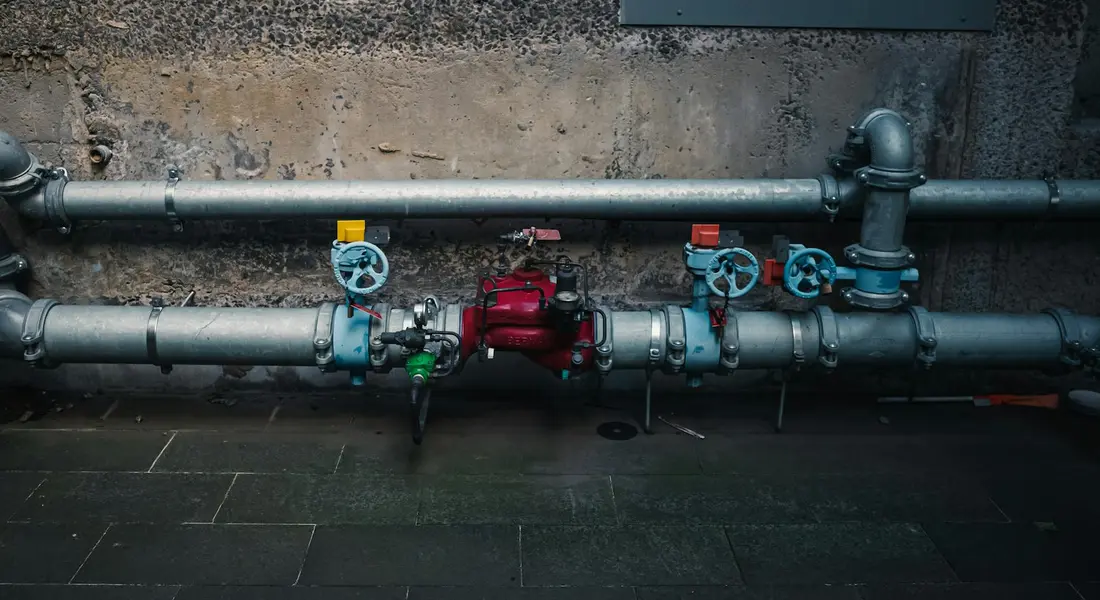
You don’t get to pick just any device. Your local plumbing code dictates the type based on the hazard level of your cross-connection. Think of it like this: you need a stronger lock for a bank vault than for a garden shed. Here are the three main devices you’ll encounter for residential systems.
Comparing the Main Device Types
| Device Type | Common Home Use | How It Works | Key Trait |
|---|---|---|---|
| Pressure Vacuum Breaker (PVB) | Lawn irrigation (sprinkler) systems. | Uses a spring-loaded check valve and an air inlet valve. If pressure drops, it opens to let air in, breaking the siphon. | Must be installed at least 12 inches above the highest point of water use (like your highest sprinkler head). |
| Double Check Valve Assembly (DCVA) | Low-hazard cross-connections like boiler feed lines, some fire sprinkler systems, or commercial coffee makers. | Features two independent, spring-loaded check valves in series. If one fails, the other provides backup. | Good for non-health hazards where the contaminant is a nuisance, like coffee or boiler water. |
| Reduced Pressure Zone (RPZ) Assembly | High-hazard uses where a contaminant could threaten health. Think chemical feed systems, irrigation with fertilizer injectors, or connections to a hospital boiler. | The most complex device. Has two check valves with a reduced pressure zone between them that drains to the air if either valve leaks. | Provides the highest level of protection. Required by code for the most dangerous cross-connections. |
The PVB on my own sprinkler system is mounted on the side of the house. Every fall, I have to remember to have it winterized, or the internal parts will crack from frozen water.
The Importance of Certified Devices
A backflow prevention device should meet the standards of recognized testing organizations like ASSE, USC FCCCHR, or AWWA. You will see these stamps on the device body. This certification means the design has been rigorously tested to perform as intended. Never let someone install an uncertified, off-brand device. It will fail inspection and won’t protect your water. Different backflow prevention methods and devices exist to fit different situations.
Information to Have Ready for a Pro
When you call a technician, having this info speeds up the quote and ensures they bring the right parts.
- Your Static Water Pressure: Measured in PSI. You can get this with a simple gauge that screws onto an outdoor hose bib.
- Pipe Material and Size: Is it 3/4″ copper, 1″ CPVC, or 1″ PEX? Look at your main water line where it enters the house.
- The Specific Hazard: Be clear. “It’s for my lawn sprinkler system” or “It’s for the connection to my hot water boiler.”
- Existing Schematics: If you have a drawing of your irrigation or plumbing system from a previous install, dig it out.
Tools & Material Checklist (For Pro Reference)
A proper installation requires more than a wrench and hope. This is the standard kit a certified pro will use to ensure a leak-free, code-compliant job.
- Pipe cutters (for copper, CPVC, or PEX)
- Soldering torch & solder (for copper) or a ProPress tool with compatible jaws and fittings
- Adjustable wrenches and/or pipe wrenches
- Thread sealant (Teflon tape or pipe dope rated for potable water)
- The correct backflow device, with ends compatible with your pipe material (sweat, threaded, or ProPress)
- Shutoff valves for isolation (often required upstream and downstream of the device)
Navigating Rules, Costs, and Finding the Right Pro
This is where many homeowners get tripped up. The device is just one piece. You are responsible for the ongoing rules and maintenance.
Who is Responsible and What Are the Rules?
You, the property owner, are almost always legally responsible for installing, testing, and maintaining the backflow preventer on your property. The rules come from your local water purveyor (your city or water district) and are based on your state’s plumbing code. To find them, call your city’s water department or public works office. They can tell you the specific code sections and any local amendments, as well as provide guidance on how to fix leaks in backflow preventers.
Testing Frequency and Process
Most jurisdictions require annual testing by a certified tester. The test is not optional. During a test, the technician uses specialized gauges to check that each internal valve or mechanism opens and closes at its specified pressures. They will isolate your device, attach test kits to its test cocks, and manipulate valves to simulate failure conditions. You will receive a test report form. Pass or fail, you must submit this report to your water authority. If you recently installed a well pump, plan a well water test after pump installation to verify water quality and system integrity. This post-installation check ensures the new setup hasn’t introduced contaminants and can be a natural companion to the formal test submitted to your water authority.
Realistic Cost Ranges
Prices vary widely by region and device complexity, but these ranges will keep you from being shocked by the estimate.
- Annual Test: $50 to $150. This is just for the inspection and report.
- Minor Repair/Overhaul: $100 to $400. This covers replacing seals, springs, or poppets inside your existing device.
- Full Device Replacement & Installation: $300 to over $1,000. The cost depends on the device type (RPZ is most expensive) and the difficulty of the install. Adding new shutoff valves and rerouting pipes increases labor time.
How to Find a Certified Tester
Do not just call any plumber. You need a specialist with the right credentials. Here is your action plan.
- Check with your local water authority first. They often maintain a list of certified testers in good standing.
- Look for a licensed plumber who advertises a specific backflow prevention specialist certification. Certifications like those from the American Backflow Prevention Association (ABPA) or your state’s program are key.
- Search for “A&B backflow prevention services” in your area. In many regions, “A&B” refers to a tester certified to work on both Assemblies (like RPZs) and Breakers (like PVBs).
Always ask for their certification number and verify it with your water department if you have any doubt. A real pro will have it ready.
Keeping Your System Safe and Legal
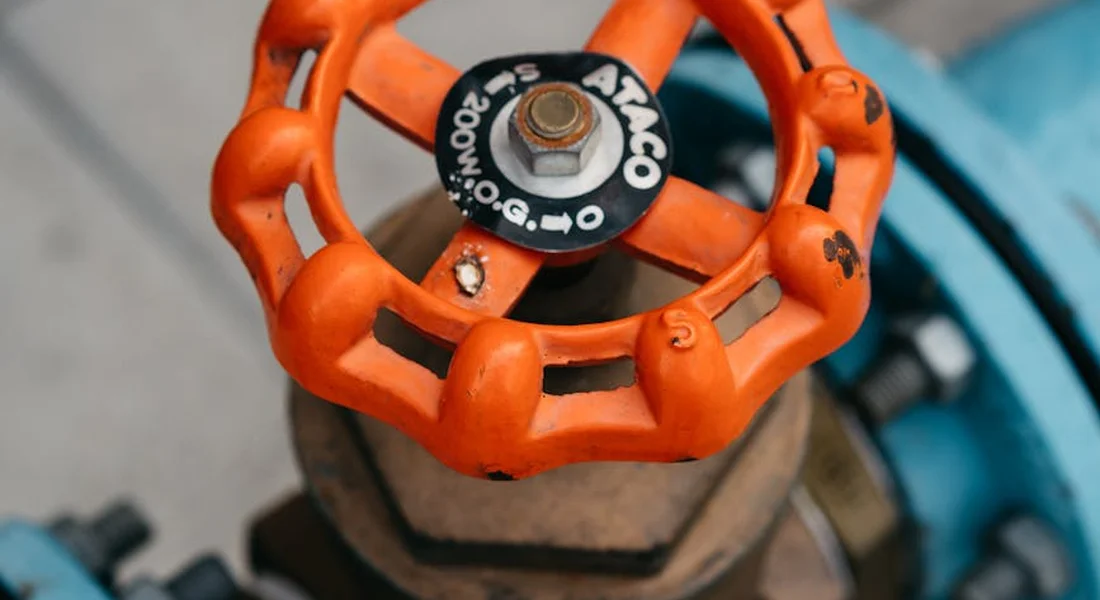
Installing a backflow preventer is just the first step. The real work is keeping it functional and compliant with your local codes.
Your Simple Monthly Checkup
You don’t need to be a plumber to do a basic visual inspection. Set a calendar reminder for the first of the month and do these three things.
- Look for water leaks or moisture around the device and its test cocks. A small drip can mean a failed internal seal.
- Check for physical damage from lawn equipment, weather, or pests. Make sure the protective enclosure isn’t cracked or missing.
- In colder months, verify the device and the pipes around it aren’t frozen. Insulate it if it’s in an unheated space like a crawlspace.
Clear away leaves, mulch, and spider webs from the device so an inspector or tester can access it easily and see any problems. I found a nest of mud daubers inside a reduced pressure zone assembly last summer, which is a great way to fail a test before it even starts.
The Non-Negotiable Annual Test
Visual checks are good, but they aren’t enough. Every backflow preventer must be tested by a certified professional once a year. This isn’t a suggestion; it’s a legal requirement in virtually every municipality, regardless of the height or size of the device.
A certified tester uses specialized gauges to measure the pressure differentials inside your device. They check that the check valves seal tightly and that the relief valve opens at the correct pressure. You must hire a tester certified through a program like the American Backflow Prevention Association (ABPA) or the American Society of Sanitary Engineering (ASSE). Your plumber who installed it may be certified, but you need to ask.
Keep the test report paperwork in a safe place with your other home records. Your water utility or city inspector can request proof of testing at any time.
What Happens If It Fails?
Don’t panic if your device fails its annual test. It’s common, especially on older units. The tester will give you a failed test report and notify the water authority. You now have a deadline, usually 15 to 30 days, to get it fixed and re-tested.
Here’s your process:
- Contact a licensed plumber who specializes in backflow prevention repair. Give them the failed test report which details which component failed (e.g., “Check Valve #1”).
- The plumber will repair or replace the internal parts or the entire assembly. For a simple repair like a poppet seal, they might do it on the spot.
- After repair, you must schedule a re-test with a certified tester immediately. You cannot use the “same” tester who is also the repair plumber in many jurisdictions, so you may need a third party.
- Once it passes, the new test report is submitted to the authority, and you’re back in compliance.
Ignoring a failed test can lead to fines and, in extreme cases, having your water service shut off until the problem is fixed. It’s cheaper to fix a minor seal leak than to pay recurring fines. Treat the annual test like an oil change for your car’s safety system: it’s routine maintenance to prevent a major catastrophe.
Common Questions
How do I get a backflow prevention device installed?
Start by calling a licensed plumber who specializes in backflow prevention. They will perform a site assessment to identify your specific hazard and determine the code-required device type. They handle the entire installation, from obtaining permits to the final inspection, ensuring it’s done right. This is especially important when dealing with sprinkler system backflow preventers, which require precise handling.
Where can I find a certified backflow prevention tester?
Your best resource is your local water authority; they often maintain a list of certified testers in good standing. Look for a plumber with specific backflow prevention credentials, like ABPA or state certification. Always ask for their certification number to verify their standing. Consider referencing a backflow tester certification inspection guide to understand the credentials and inspection steps. The guide can be implicitly linked in the next steps for quick access.
What is a realistic cost range for testing and repairs?
Annual testing typically runs between $50-$150. Minor repairs like seal replacements can cost $100-$400, while a full device replacement with installation ranges from $300 to over $1,000, depending on the device type and job complexity. Get a detailed written estimate upfront.
As a homeowner, how do I maintain my device?
Your main job is visual: monthly, check for leaks, physical damage, and ensure the area is clear of debris for access. Never open the device yourself. For any issue, or for the required annual test, you must call a certified specialist to perform the work.
Who is ultimately responsible for this device on my property?
You, the property owner, are legally responsible for its installation, testing, maintenance, and repair. Your local water authority’s rules, based on state plumbing code, dictate the requirements. Keep all test reports on file as proof of compliance.
Your Backflow Prevention Game Plan
Get your backflow preventer tested by a certified professional every year, without fail. Start by locating your device and noting its model, so you’re prepared for that service call and can verify the work. Understanding the typical backflow testing cost can help you budget for the annual service and compare quotes from providers.
Bob McArthur
Bob is a an HVAC and plumbing industry veteran. He has professionally helped homeowners resolve issues around water softeners, heaters and all things related to water systems and plumbing around their homes. His trusted advice has helped countless of his clients save time, money and effort in home water systems maintenance and he now here to help you and give you first hand actionable advice. In his spare time, Bob also reviews home water systems such as tankless heaters, water softeners etc and helps home owners make the best choice for their dwelling. He lives around the Detroit area and occasionally consults on residential and commercial projects. Feel free to reach out to him via the contact us form.