How to Bleed Air from Your Water Heater in an RV or Home
Hearing sputtering taps or banging pipes from your water heater? That trapped air is an easy fix.
We will cover the tools you need, the simple steps for both standard home and RV systems, and what to do if the problem comes back.
Here’s the straight talk from a homeowner and water systems tech with years on service calls: bleeding air isn’t just a quick fix, it’s regular maintenance that prevents bigger problems.
Is It Really Air in Your Water Heater, or Something Else?
Sputtering from a hot tap is a classic sign, but not all rumbles are just trapped air. Here are the unmistakable signs it’s an airlock.
- Sputtering and spitting at hot water fixtures only. If your cold water runs fine, the air pocket is isolated in the heater or its hot outlet line.
- Loud knocking or hammering sounds from the tank. This happens when steam bubbles form and collapse in the superheated water.
- Sudden loss of pressure at a hot tap, especially after the system has been drained and refilled.
What are signs of an airlock in hot water? The main signs are sputtering only at hot taps and a noticeable reduction in hot water flow pressure.
Other problems can feel similar. A failing temperature and pressure relief (TPR) valve can sometimes hiss or drip, mimicking a pressure issue. A severely scaled-up heater can also cause rumbling noises. If you’ve ruled out simple air, those components are your next check.
The “Red Flag” Troubleshooting Guide
If you see any of these, stop immediately. Your job just changed from routine maintenance to calling a professional.
- Water spraying or steady streaming from the TPR valve or drain valve. This indicates system pressure is dangerously high or a valve has catastrophically failed.
- Any sign of a leaking tank. Look for consistent puddles or rust streaks from the tank’s seams. A tank leak means it’s time for a full replacement.
- A TPR valve that continues to discharge hot water after you’ve tried reseating it. This valve is a critical safety device; if it won’t close, it’s broken.
- No hot water at all, combined with a silent heater (no burner noise on gas or no element click on electric). This points to a power, gas, or control failure, not air.
- A strong rotten egg smell from the hot water. This is hydrogen sulfide gas, often caused by a reaction with a failing anode rod, and requires a different repair.
Your safety is more important than fixing the air. These red flags mean the system itself is unsafe or failing.
Your Toolkit for a Smooth Bleed
Gather these items before you start. Trying to find a tool while water is flowing leads to a mess. For my home unit, I keep a dedicated short hose and adapter on a hook right next to the heater.
- A standard garden hose, long enough to reach from your heater to a drain or outside.
- A 5-gallon bucket. Even with a hose, some spillage is likely.
- Adjustable wrench or channel-lock pliers for operating the drain valve.
- Flat-head screwdriver. Many TPR valves have a manual test lever you’ll need to lift.
- Work gloves. Hot water and metal fittings can burn your hands.
- A brass garden hose adapter. The plastic drain valve threads often strip. A brass adapter protects them and gives you a solid, leak-free connection.
For RV water heaters, add a small wet/dry shop vacuum to suck air out of the low-point drains, as gravity draining is often less effective. This technique also applies when draining RV tankless water heaters, helping purge lines and prevent trapped air. Make sure all connections are vented and the line is fully purged before storage.
How Air Gets Trapped (And Why It’s a Nuisance)

Air sneaks into your water lines all the time. It happens after you drain the tank for maintenance. It happens when the city works on a water main. It even happens when you install a new water heater or filter.
Think of it like a drinking straw. When you suck on a straw with a bubble in it, the flow is choppy and weak until that air passes through. That sputtering, uneven flow from your faucet is the telltale sign of trapped air in the lines.
You might wonder, why is there air in hot water lines specifically? The hot water system is a closed loop from your heater to your tap. When you drain the tank, air rushes in to fill the empty space. If you don’t purge that air during refill, it gets locked in the top of the heater and the high points of your pipes.
Water Science Snippet: Pressure & Flow
Water is heavy and pushes with steady force, measured as PSI. Air is light and compressible. An air pocket acts like a soft cushion in the pipe, absorbing that push. This reduces your water pressure and turns a smooth stream into a noisy, erratic splash.
The Step-by-Step Bleed: Home Water Heater Edition
Follow these steps in order. Have a garden hose and a bucket ready. If your heater is electric, shut off the breaker at the panel. For gas, turn the control knob to “Pilot.” This prevents damage from the heating elements firing while the tank is empty.
How do you turn off the water supply to the heater?
Find the cold water line connected to the heater. Trace it back to the shutoff valve, usually a lever (ball valve) or a wheel (gate valve). Turn it to the off position. This is your first and most critical safety step. Never skip it—especially when dealing with a hot water leak.
How do you drain the water heater tank?
Connect a standard garden hose to the drain valve at the bottom of the tank. Run the other end to a floor drain, a sump pit, or outside. Open a hot water faucet somewhere in the house (like a nearby sink) to relieve vacuum pressure. Now, open the tank’s drain valve.
Let the water flow. For simply bleeding air, you do not need a full drain. Letting out 3 to 5 gallons is often enough to drop the water level below the air pocket inside the tank. The water will be hot, so be careful.
How do you open the pressure relief valve to allow air in?
Locate the temperature and pressure relief valve (T&P valve) on the side or top of the tank. It has a small lever. Lift this lever to the open position and let it snap back. You’ll hear a hiss as air enters. This breaks the vacuum so water can drain freely and air can fill the emptying space. Do this with caution, as a small amount of hot water or steam may be released.
How do you bleed air from the system at the highest faucet?
Go to the highest faucet in your home, like a second-floor bathroom. Open the hot water side all the way. This opened faucet becomes the dedicated escape route for all the air trapped in your pipes when you refill the system. Leave it open for the next step.
How do you refill the water heater tank?
First, close the drain valve on the heater tightly. Ensure the T&P valve lever is fully closed. Now, slowly turn the main cold water shutoff valve back to the on position. Listen at the open high faucet. You’ll hear air hissing and sputtering out as water pushes it up and out of the system.
Wait. When the water runs from that high faucet in a steady, solid stream with no spitting or coughing, the air is gone. You can now turn that faucet off. A steady flow from the highest faucet is your signal that the system is full and bled. You can then restore power or relight the gas to your water heater.
Special Cases: Bleeding Other Hot Water Systems
Your standard water heater is one thing. Other hot water systems work differently. They trap air in different places and need different tools to fix it.
A one-size-fits-all approach will leave you frustrated. Here is how to handle the other common systems you might find.
How to bleed a hot water baseboard heating system
This is for heating your home, not your shower. Air gets stuck at the top of each baseboard radiator run, causing cold spots. You need a special key.
Bleeding a baseboard system is a room-by-room process focused on specialty valves, not a whole-system purge.
- Find the bleeder valve. It’s a small, square-headed valve at the end of each baseboard run.
- Place a small cup or bowl under the valve. Have a rag ready.
- Insert the bleeder key and turn it counter-clockwise slowly. You will hear a hiss of air.
- Close the valve the moment a steady stream of water comes out. Do not let it pour.
- Move to the next room and repeat. Start with the baseboard unit furthest from the boiler.
This is not like bleeding a potable water heater. You are not running faucets. You are manually releasing air from a closed heating loop. After bleeding, check your boiler’s pressure gauge. It may need more water added via the fill valve to get back to 12-15 PSI.
How to bleed a forced hot water heating system (Boiler)
This is your classic home boiler for radiators or in-floor heat. Air collects at high points in the piping and inside the boiler itself.
Many modern boilers have an automatic air vent, a small brass device on top of the unit or in the piping. If you hear gurgling, this vent might be clogged. Tapping it gently can sometimes free it. Replacing it is a simple job.
For manual bleeding, find the bleed valves on your radiators or on the piping near the circulation pump.
Use a flathead screwdriver or radiator key. Open the valve until water spurts out, then close it. The pump area is critical. If there’s a bleeder valve on the pump housing, this is often where the loudest air noises come from. Bleed it with the system running.
Bleeding an RV Water Heater System
RV systems are small and finicky. Air gets trapped after winterizing or when you first hook up at a campsite.
- Ensure your water heater bypass valves are in the normal “use” position, not the “bypass” position.
- Connect to a pressurized water source or fill your fresh tank and turn the water pump on.
- Open the hot water side of your outdoor shower. This is often the highest faucet in the system.
- Let it run until a solid stream, not spluttering air and water, comes out. Do this for all interior faucets too, starting with the one farthest from the heater.
- Once water flows smooth, you can light the heater.
Can you drive with air in the system? Yes, but it is hard on the water pump and you will not have water until you bleed it out. The pump will short-cycle trying to build pressure. It is best to fix it when you set up, not on the road.
Bleeding a Tankless Water Heater
You rarely “bleed” air from a tankless unit like you do with a tank. Air is purged during the initial installation or after major service when the internal pipes are drained.
This involves opening service valves on the unit and running water through it in a specific sequence to push all the air out. The steps are model-specific.
If you suspect air in a tankless heater, your first and best move is to get the installation manual for your exact model.
Many units are sealed. Opening internal valves incorrectly can void your warranty or cause a leak. If you are not the original installer and do not have the manual, calling a pro for this specific service is the smart move. They have the manuals and the tools to do it right.
The DIY vs. Pro Verdict: Difficulty Rating (3/10)
Bleeding air from a standard tank-type water heater is a 3 out of 10 on the DIY difficulty scale. It requires basic tools and patience, not specialized skill.
Knowing when to stop is more important than knowing how to start. Draw your line here.
- If you open the pressure relief valve to bleed air and it will not stop dripping or reseal, you need a licensed plumber to replace the valve.
- If the tank or any fittings look severely corroded, do not force them. Call a pro.
- If the problem is not solved by bleeding air (you still have no hot water or strange noises), the issue is deeper.
Any work involving the gas line connections or electrical wiring on the heater is an automatic pro job. Do not touch those. Your goal is to purge air, not to become a certified technician.
Code & Compliance Check: Your Safety Net
Before you touch a single valve, think about safety. Your water heater’s Temperature and Pressure Relief (TPR) valve is your last line of defense. If the tank overheats or pressure spikes, this valve pops open to prevent a dangerous explosion. Every major plumbing code (IPC and UPC) mandates a working TPR valve on all storage water heaters.
Test this valve every year. It’s a five-minute job that could save you from disaster. Here’s how you do it:
- Make sure the water heater is on and has had time to heat up.
- Place a bucket under the discharge pipe connected to the TPR valve.
- Lift the valve’s test lever straight up for a few seconds.
You should hear a strong rush of hot water and steam into the bucket. If you only get a trickle, or nothing at all, the valve is seized and needs immediate replacement. A stuck TPR valve is a failed safety device, and running the heater with a bad valve is a serious risk. It’s important to replace it properly. When you replace it, buy a new certified valve with the same temperature and pressure rating. Don’t try to clean or repair the old one.
Recommended Products for the Job
You don’t need fancy tools to bleed air or drain your water heater. A standard garden hose will work. But using the right basic accessories makes the job cleaner, faster, and sets you up for easier maintenance next time.
- A Heavy-Duty Vinyl Drain Hose: Skip the cheap, thin garden hose. Hot water can weaken them. A reinforced vinyl drain hose is made for this job. It handles hot water better and resists kinking when you run it to a floor drain or out a basement window.
- A Brass Hose Bib Adapter: The drain valve on your heater likely has standard garden hose threads. A short, brass adapter screws right on. It gives you a solid, leak-free connection point for your hose. Brass won’t corrode and seize like a cheap plastic fitting might.
- A 3/4-Inch Brass Ball Valve: This is a pro upgrade. Instead of connecting your hose directly to the heater’s often-cheesy plastic drain valve, install a full-port brass ball valve in line. This small upgrade lets you control the flow with a simple quarter-turn and protects the heater’s original valve from wear, making future draining effortless.
Ignore any special “water heater bleeder kit” you see advertised. They’re just marketing. The air is released by opening the highest hot water faucet in your house while the tank refills. The hose and adapters are only for draining sediment, which is a related but separate maintenance task you should do annually.
Maintenance Roadmap: How to Avoid Air Problems
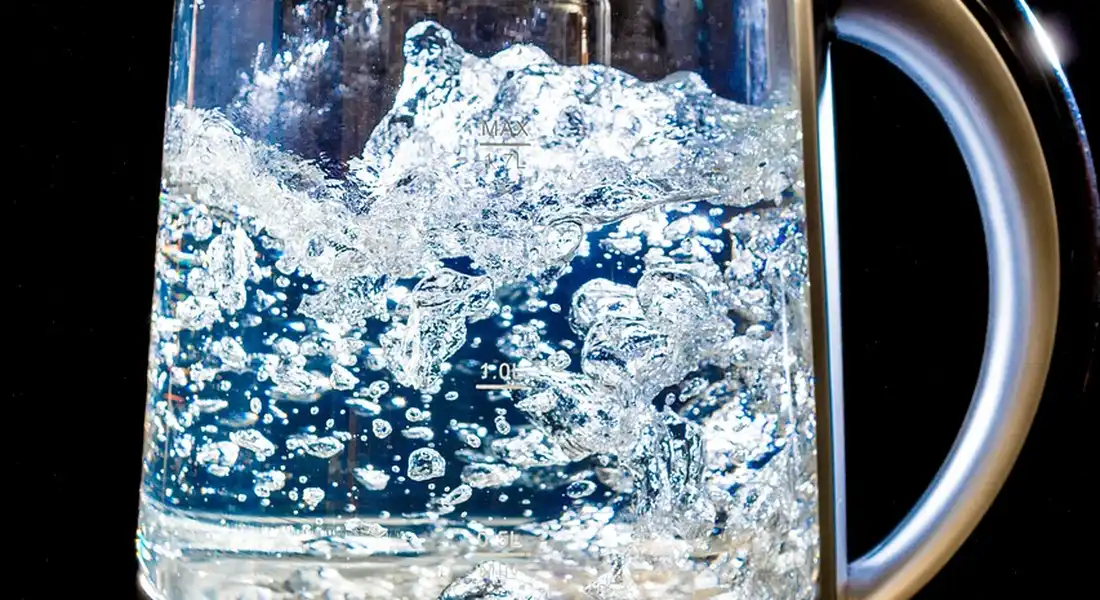
Think of your water heater like a car. A little regular care prevents big breakdowns. Follow this simple schedule to keep air from becoming a regular guest in your tank.
Flush your water heater once a year, and you’ll clear out sediment and purge trapped air in one go. This is your most important task. Shut off the power (or gas) and the cold water inlet. Connect a garden hose to the drain valve and run it to a floor drain or outside. Open the valve and let it run until the water runs clear. This process forces water and any collected air out through the bottom.
Test the Temperature and Pressure Relief (TPR) valve every six months. Lift its test lever for a few seconds. You should hear a rush of water (and often air) out of the discharge pipe. If it doesn’t release or continues to drip afterward, replace the valve immediately. A working TPR valve is a critical safety device that also vents excess pressure and air.
After any plumbing work, expect to bleed the lines. Whether you replace a water softener, fix a sink, or work on your RV’s pump, you’ve introduced air into the system. It’s normal. Just run the hot water at all faucets for a minute or two after you restore water supply to push that air out.
I Bled the Air and My Heater Still Bangs. Now What?
You opened the bleed valve, heard the hiss, and got a steady stream. But the rumbling or knocking continues. The air is gone, so the problem is elsewhere.
Sediment buildup is the most common culprit for persistent banging in a supposedly air-free tank. Minerals settle at the bottom and get superheated by the burner or element. The water trapped underneath erupts into steam, causing a loud popping sound. A quick bleed won’t fix this. You need a full, vigorous flush as described above to stir up and eject that sludge.
A failing lower heating element can also cause localized boiling and noise. If you have an electric heater and the noise is paired with lukewarm water or longer recovery times, test the elements with a multimeter.
The noise might not be from your heater at all. Listen closely. Is the bang a single, loud knock when you shut off a faucet? That’s classic water hammer, caused by fast-closing valves elsewhere in your plumbing. You need water hammer arrestors installed at the problem fixtures, like the washing machine. If the heater itself is the source, there are water heater noise causes fixes you can try. A quick guide covers common culprits and practical steps to quiet it.
Here’s a direct answer to a frequent question: “I bled air from my water heater but I still have problems!” If the noise isn’t sediment, check the simple things first. Make sure the heater is securely strapped and not vibrating against a wall. In an RV, ensure the water heater compartment is sealed tight so burner combustion is correct. Persistent issues usually point to a needed flush or a failing component. These checks apply to both RV and home water heaters when you’re pursuing a repair. If problems persist, a repair water heater RV or home guide can walk you through flushing and component fixes.
When an Airlock Won’t Clear
Sometimes air gets stuck in a high point of your plumbing and refuses to move, blocking water flow completely. Waiting rarely works. You need to persuade it.
For a stubborn airlock in a home, try using a wet/dry vacuum on the problem faucet. This method requires caution. Remove the aerator from the affected faucet. Wrap the vacuum hose against the faucet spout with a dense rag to create a seal. Turn the vacuum on for just a few seconds. The suction can often pull the airlock right through the line. Have a helper monitor other faucets as the lock breaks.
Another tactic is to pressurize the line from a different point. Connect a short hose between the problem faucet and another nearby faucet that has good pressure. Open both faucets. The good pressure from one side can force the airlock out through the other.
Will an airlock clear itself? Almost never in a sealed, pressurized home system. In an RV with a demand pump, it might eventually work through, but you’ll have weak sputtering faucets until it does. Taking direct action is always faster and more reliable than hoping it goes away.
Quick Answers
How long does the entire bleeding process take?
For a standard home system, set aside 30-45 minutes. Most of that is waiting for the tank to partially drain and then refill. The actual valve work takes just a few minutes. Never rush closing valves or checking for leaks.
Should I re-bleed the air while the tank is refilling?
No. Opening the drain or T&P valve while the tank is under pressure is dangerous and creates a mess. Your one job during refill is to monitor the highest faucet. The steady stream from that tap is your only signal that the air is gone.
What if my drain valve is old or stuck?
Do not force it. A corroded valve can break off, causing a major leak. If it won’t turn smoothly, your maintenance just changed. Close the water supply and call a pro to replace the valve before attempting any air bleed.
How can I be sure all the air is out of the pipes?
After the highest faucet runs steady, go to every other hot water faucet in the house and run them for 30 seconds. Start with the one farthest from the heater. If any sputter, it means a small, isolated air pocket remained in that branch, and you just cleared it.
The air is gone, but my water heater is still making noise. Why?
Air causes sputtering at taps. Persistent rumbling or banging is usually sediment buildup at the bottom of the tank overheating. This requires a full flush, not just an air bleed. If you hear new gurgling from the tank itself, the T&P valve might be failing and should be tested.
Your Routine for Air-Free Hot Water
Always shut off the power to your water heater before you start any work. Bleed the air from the highest hot water tap in your system until the flow is strong and consistent.
Written by Bob McArthur. Bob is a an HVAC and plumbing industry veteran. He has professionally helped homeowners resolve issues around water softeners, heaters and all things related to water systems and plumbing around their homes. His trusted advice has helped countless of his clients save time, money and effort in home water systems maintenance and he now here to help you and give you first hand actionable advice. In his spare time, Bob also reviews home water systems such as tankless heaters, water softeners etc and helps home owners make the best choice for their dwelling. He lives around the Detroit area and occasionally consults on residential and commercial projects. Feel free to reach out to him via the contact us form.