Everything Homeowners Must Know About Backflow Certification & Inspections
Ever heard your water inspector mention ‘backflow certification’ and wondered what the heck that means? You’re not alone, and it’s simpler than you think.
We will cover what backflow is, why certification matters for your home, how to get a system tested, and what it will likely cost you.
I’ve been on both sides of this as a water systems tech and a homeowner. The single biggest takeaway: knowing this process can save you a few hundred bucks and a major headache.
Backflow Basics: What You’re Protecting Your Home From
Backflow is simple. It’s when water flows in the wrong direction. Your clean, treated drinking water gets contaminated because dirty water flows backward into your pipes. That’s why sink backflow prevention works are essential. When properly installed, they stop dirty water at the source and keep your drinking water safe.
Imagine your garden hose is submerged in a bucket of fertilizer mix or a dirty pond. If the main water pressure drops suddenly, that suction can pull the dirty water right back up the hose and into your home’s plumbing. That’s backflow, and it’s why it’s crucial to install a hose bib backflow preventer.
Two main forces cause this reversal.
Backpressure
This happens when the pressure downstream becomes higher than the supply pressure. It forces water backward. A common home example is a boiler or irrigation system with its own pump. If that pump creates more pressure than the incoming city water, it can shove boiler chemicals or lawn fertilizers back into your drinking lines.
Backsiphonage
This is a suction effect. It occurs when there’s a major drop in the supply pressure. A water main break, heavy firefighting demand, or even a neighbor opening multiple hydrants can create a vacuum. Like drinking through a straw, this vacuum can suck contaminants from pools, hose-end sprayers, or installed fixtures back into the system.
Your home’s cross-connections are the risk points where clean water and potential contaminants meet. Every hose bib, toilet fill valve, irrigation system, boiler, and even a simple sink with the faucet submerged is a cross-connection. The goal of a backflow preventer is to physically block that reverse flow at these critical spots—especially in systems like irrigation or sprinkler setups.
Who Needs a Certification and What Does It Mean?
Let’s be clear. A backflow prevention tester certification is a professional license. You, the homeowner, do not get one. You hire someone who has one. It’s important to ensure you have professional backflow prevention in place to protect your water system.
This certification is proof that a technician has passed rigorous training and testing. It shows they know how to properly inspect, test, and repair specific models of backflow prevention assemblies. They learn the detailed mechanics, local codes, and the precise procedures to verify a device will fail safely.
You’ll find this certification held by a few key professionals:
- Licensed master or journeyman plumbers
- Certified irrigation specialists
- Dedicated backflow testers who focus solely on this service
Organizations like ASSE (American Society of Sanitary Engineering) offer nationally recognized certification programs. Often, your local water authority or state plumbing board will administer or require specific certifications for testers submitting reports in their jurisdiction.
So, do you need to earn a certification license for your home system? No. Your responsibility is to hire a certified professional to test your device annually, which is required by most municipal codes. They perform the test, fill out the official report, and submit it to your water purveyor. You keep a copy for your records. It’s that straightforward.
The Homeowner’s Guide to Getting Your System Inspected
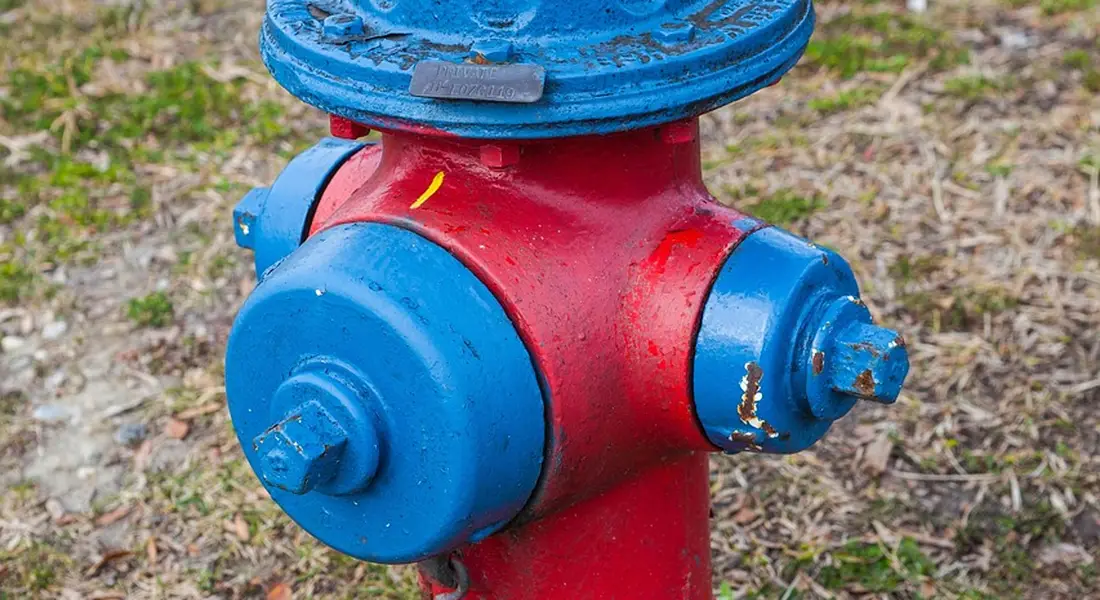
Think of the inspection as a physical for your plumbing. The certified tester is the doctor, and your backflow preventer is the patient. The process is straightforward when you know what to expect.
The Inspection, Step-by-Step
- The tester locates your backflow preventer, usually near an outdoor faucet or where your irrigation system connects.
- They shut off the water downstream of the device. This isolates it for testing.
- Special test kits with gauges get hooked up to the device’s test ports. This is how they take its “blood pressure.”
- The tester opens and closes valves on the device in a specific sequence while reading the gauges.
- They measure pressure differentials to see if the internal check valves and relief valves are sealing tightly.
- They record all the readings on an official test report form.
- The water is turned back on, and they check for any leaks they might have caused (they shouldn’t).
The tester’s gauges measure tiny pressure drops you could never feel, which tells them if the internal seals are still holding strong.
How the Tester Checks Your Device
Those test kits hook right into small ports on your backflow preventer. The tester manipulates the valves on your device to simulate a backflow condition in a controlled way. The gauges show if the device’s internal springs and seals react fast enough and seal completely to block any reverse flow. It’s a precise measurement, not a guess.
Can You Check It Without Water?
No. A proper test requires live system water pressure. The tester needs to see how the device performs under the actual pressure and flow conditions of your home’s plumbing. A visual check without water pressure won’t tell you if the internal seals are working. That should include a pressure test of the water lines before closing to catch leaks while the system is still accessible. Address any issues now rather than after sealing up.
What the Tester is Looking For
- Leaks: Any dripping from the device body or test ports is a fail.
- Damaged Parts: Cracks in the body, severe corrosion, or broken relief valve covers.
- Correct Installation: Is it installed the right way up? Is there proper clearance around it for servicing? Are there any unauthorized modifications?
- Proper Operation: Do the internal valves close tightly? Does the relief valve open and close at the correct pressures?
Real-World Cost and Time
For a standard residential device, expect to pay between $50 and $150 for the test and paperwork. The inspection itself usually takes 30 to 60 minutes. The price depends on your location, the type of device, and if any minor adjustments are needed.
How to Prepare for Your Inspection
- Know where your device is. Find it before the tester arrives.
- Clear the area. Move any yard debris, mulch, or stored items blocking access.
- Ensure the tester can reach your main water shutoff valve.
- Make sure your irrigation system is off and the controller is not scheduled to run.
- Have pets secured.
Your Backflow Preventer Maintenance Roadmap
Your backflow preventer is a mechanical device with moving parts and seals. They wear out. A simple maintenance plan prevents big problems.
The Universal Rule: Annual Testing
Test it every year, no exceptions. Local plumbing codes mandate this to protect the public water supply. In places with strict enforcement like Sarasota County, Florida, you will receive a notice from the water department if your test report is late. Failing to test annually can result in fines or even having your water service interrupted until it passes.
A Simple Seasonal Schedule
Schedule the test in the spring, before you start regularly using your irrigation system. This ensures it’s working perfectly for the high-demand season. Fall is a good backup time if you miss the spring window.
Red Flag Troubleshooting Guide
You don’t need to wait for the annual test if you see these warning signs. They mean your device needs a professional look immediately:
- Water is constantly dripping or streaming from the relief valve or body of the device.
- Your irrigation zones have low pressure or no water when turned on, but house faucets are fine.
- You see visible, heavy corrosion or mineral buildup on the device.
- The relief valve is stuck open or will not close.
- You notice debris or sediment spitting out of faucets after the device.
What Does “Serviced” Really Mean?
When we say a device needs service, it usually starts with the annual test. If it fails, servicing often means disassembling it, replacing worn internal parts like seals, springs, and check valves (this is called a rebuild), cleaning it, and retesting it. Sometimes, a simple adjustment or cleaning of a single part can fix it. If the body is cracked or severely corroded, the entire device must be replaced.
How Do I Know If My Backflow Preventer Is Bad?
The official answer comes from the annual test. The gauges give a pass/fail verdict. But constant leaking is the homeowner’s biggest clue that something inside has already failed and needs repair right away. Don’t ignore a dripping backflow preventer. It’s not just wasting water; it means your contamination barrier is compromised.
The DIY vs. Pro Verdict for Backflow Testing
Difficulty Rating for Official Certification Work: 9/10. This isn’t like swapping a washing machine hose. Certified backflow testing requires specialized tools, deep code knowledge, and legal authority to file paperwork with your water provider.
You cannot and should not perform the official test or issue the certification for your home’s backflow preventer. This isn’t a suggestion. It’s the law. Your local water authority will only accept test reports from a certified, licensed backflow prevention assembly tester. A homeowner’s signature on that form is worthless and will get you a violation notice. Even if you are knowledgeable about the system and its testing costs, you must rely on a professional for certification.
What You CAN Do as a Homeowner
Your job is inspection, not certification. Think of yourself as the first line of defense. Every few months, take five minutes for these checks.
- Locate Your Device: Find it. It’s often outside near your water meter, in an underground box, or where your irrigation system connects. Know where it is.
- Visual Inspection: Look for obvious leaks, major corrosion, or physical damage to the valves and test cocks. Shine a flashlight on it.
- Keep It Clear: Ensure the area around the device is free of dirt, leaves, and spider webs. For devices in a pit, make sure the cover is secure and the pit isn’t flooded.
If you see steady dripping, significant mineral buildup, or a cracked casing, your job is done. You call a pro. This visual check is preventative maintenance, not a test.
When a Certified Pro is Legally Required
You need to hire a certified tester in two specific scenarios.
- The Annual Test: Most municipalities require annual testing and certification of backflow prevention assemblies. You will get a notice from your water department.
- After Any Repair: If a pro disassembles or repairs the unit, they must re-test it and file a new certification. You cannot sign off on your own repair.
Tools & Material Checklist
This highlights the gap between what’s needed and what you have.
- For the Certified Pro: A calibrated differential pressure gauge kit, assorted wrenches for test cocks, a master key for corporation stops, and the official municipal test report forms.
- For You: A flashlight for looking at it, and your phone to call the pro when it’s time.
Code & Compliance Check
The U.S. Environmental Protection Agency (EPA) mandates Cross-Connection Control programs to protect public water supplies. Your local rules, based on model codes like the International Plumbing Code (IPC) or Uniform Plumbing Code (UPC), enforce this.Your water utility’s specific requirements are the final word on test frequency and approved tester credentials. Ignoring their notice can lead to fines or disconnection of your water service.
Understanding the Science: It’s All About Pressure
Backflow prevention is a physics problem, not a filtration problem. These devices don’t clean water. They manage water pressure to create a one-directional flow. Think of it as a sophisticated one-way valve system designed to fail safely. Different backflow prevention methods and devices implement this principle across plumbing, irrigation, and industrial systems. In the next sections, we’ll look at common backflow prevention methods and devices.
The core principle is simple: water should only flow from the public main into your home’s pipes. Backflow happens when pressure reverses. This reversal can be “backsiphonage” (a vacuum created in the main, like during a major water main break) or “backpressure” (your home’s pump, like a boiler or irrigation pump, pushing water backward).
The device uses internal valves, springs, and air gaps to ensure the pressure relationship is always correct, blocking any reversed flow. It’s like a series of one-way doors that only open if pressure is coming from the correct direction.
Why Gauges Are The Only Valid Test
You can’t see or feel the precise pressure differentials that prove the device is working. A tiny internal wear spring or a fleck of debris on a seat can cause a failure.
A certified tester connects gauges to the device’s test ports to take precise pressure readings at different valve states, comparing them to the manufacturer’s strict pass/fail specifications. This quantitative data is what gets recorded on the official certification report. A visual check tells you nothing about these internal pressure conditions.
A Quick Look at Device Types
You might hear terms like RPZ, PVB, or DC. They all solve the pressure problem in slightly different ways for different risk levels.
- Reduced Pressure Zone (RPZ or RPBA): The most robust. Has two independent check valves with a monitored zone between them. Used for higher hazard connections.
- Pressure Vacuum Breaker (PVB): Uses an air inlet valve to break a siphon. Common for residential irrigation systems.
- Double Check (DCVA): Two check valves in series. For lower hazard connections.
While their mechanics differ, they all function as pressure gatekeepers and require the same certified gauge testing to verify operation. You don’t need to be an expert on them. You just need to know which one you have and get it tested by someone who is.
Common Questions
How do I find a certified tester I can trust?
Start by asking your water utility for their list of approved testers-this guarantees the pro meets local standards. You can also get a trusted referral from your plumber, irrigation company, or a neighbor. Always verify their certification is current by asking to see their wallet card from a body like ASSE. Ensuring the professional is certified is crucial, especially when it comes to testing for accurate home water quality results.
What should I actually do when the tester arrives?
Your main jobs are to provide clear access and information. Point out the location of your backflow preventer and the main water shut-off valve. Secure any pets and ensure your irrigation controller is turned off so it doesn’t cycle on during the test.
What happens if my device fails the test?
Don’t panic; it’s a common outcome for aging devices. The tester will “red-tag” it, and you must have it repaired or replaced by a licensed professional, then re-tested. Your water provider will get the failure report and will expect a passing report by a set deadline to avoid potential fines.
Why does the inspection cost vary from $50 to $150?
The price depends on your device type (a complex RPZ costs more than a simple PVB), your location, and the tester’s travel. If your device needs minor adjustments or is hard to access, that can also add to the time and cost of the service call.
How do I know what type of backflow preventer I have?
Look for a metal tag or stamp on the device body with its model name-common types are PVB, RPZ, or DCVA. You can also take a clear photo and show it to your plumber or water utility for identification. Knowing the type helps when scheduling, as not all testers are certified for every model.
Schedule Your Inspection with a Certified Pro
First, find a certified backflow prevention tester by checking with your local water authority or a licensed plumbing company. Many counties have specific backflow preventer requirements and specifications you’ll want to understand. Getting this inspection done regularly is the surest way to keep your home’s water safe and meet legal requirements.
Bob McArthur
Bob is a an HVAC and plumbing industry veteran. He has professionally helped homeowners resolve issues around water softeners, heaters and all things related to water systems and plumbing around their homes. His trusted advice has helped countless of his clients save time, money and effort in home water systems maintenance and he now here to help you and give you first hand actionable advice. In his spare time, Bob also reviews home water systems such as tankless heaters, water softeners etc and helps home owners make the best choice for their dwelling. He lives around the Detroit area and occasionally consults on residential and commercial projects. Feel free to reach out to him via the contact us form.