
Will Your Gas Water Heater Work When the Power Goes Out?
Power’s out, and you need to know if you’ll have hot water. The answer isn’t a simple yes or no.
We’ll cover the two main types of gas water heaters, why some models fail without electricity, how to instantly identify yours, and what to do if it won’t run.
I’ve pulled and repaired countless units. Bottom line: a traditional standing pilot model will work, but a modern electronic ignition one will not.
The Quick Answer: How to Tell if Your Gas Heater Will Work
Wondering if you’ll have hot water when the lights go out? The answer depends entirely on how your heater lights its burner. You can answer the question “can a gas water heater work without electricity” by following this simple logic. Start by figuring out if your water heater is on.
- If you have an older tank model with a standing pilot light, you likely have hot water. The pilot provides the ignition source, and the gas valve operates mechanically.
- If you have a newer tank model with electronic ignition, you likely do NOT have hot water. It needs 120V power to spark the burner and run its control board.
- If you have a gas tankless model, you definitely do NOT have hot water. These high efficiency units are packed with electronics, fans, and sensors that all require power.
Identifying Your Gas Water Heater Type
The first question is “What type do I have?” Start with a simple visual check. Walk to your water heater and look at it. This will set you up for the water heater types explained, where we break down the main categories and differences.
A standard gas storage tank heater is a large, cylindrical tank, usually about 50 gallons, sitting on the floor. It will have a gas line and a large vent pipe (flue) on top. A gas tankless heater is a compact, rectangular box mounted on the wall. It’s much smaller, about the size of a carry on suitcase, and will also have gas and vent lines connected.
Look for the data plate. This metal tag is attached to the unit and holds the facts. On a tank model, find it on the side near the top. On a tankless, it’s often on the front behind a cover. The plate lists the BTU input, model number, and serial number. The model number can tell you the age and type, but for a quick outage check, just confirming “tank” versus “tankless” is your first major clue.
Pilot Light vs. Electronic Ignition: The Heart of the Matter
Now, for tank heaters, you must answer “Does my heater have a pilot light or electronic ignition?” This is the critical factor. Turn off the gas at the valve before you inspect anything. If it has a pilot light, you’ll be stepping into pilot-light troubleshooting. In the next steps, we’ll guide you through relighting and safety checks.
Locate the access panel near the bottom of the tank. Carefully remove it. Look for a small, constant blue flame about the size of a match. That’s a standing pilot light. If you see that, you’ve hit the jackpot for outage resilience. These systems often have a red “piezo” spark button you press to light the pilot manually.
If you see no constant flame, but instead see wires running to a gas valve with a digital display or a simple dial thermostat, you have electronic ignition. This system uses house current to create a spark or hot surface igniter only when heat is needed, and it will not function during a power outage.
What Powers the Controls: It’s Not Just the Burner
People think “gas powered” means completely independent. It’s not that simple. Think of it like a car: gas is the fuel, but you need a battery to start the engine and run the dashboard and fuel pump.
In a water heater, the gas valve and thermostat are the dashboard. An electronic ignition system needs 120V to open the gas valve and create the spark. A tankless unit adds a powerful combustion blower that absolutely requires electricity. Even some modern tank heaters have blowers for sealed combustion.
The exception is the standing pilot system. Its gas valve is operated by the heat of the pilot flame acting on a thermocouple. This thermocouple generates a tiny millivolt current that tells the valve it’s safe to stay open; it doesn’t need your home’s electrical system at all. That’s why it keeps working.
Safety First: What Not to Do During an Outage
The biggest risk during an outage is not the lack of hot water, it’s the risk of a gas leak or fire. Your gas water heater needs electricity to run its brain-the control board that manages the ignition and safety systems. Without power, those safety features are offline, which can compromise gas water heater safety and efficiency.
Never try to “jump-start” the heater or bypass its electronic controls with a generator or battery. This isn’t like jumping a car. You can fry the control module or, worse, cause the gas valve to open without proper ignition. I’ve seen the aftermath of a DIY attempt that melted crucial wiring and required a full unit replacement.
DIY vs. Pro Verdict: Working on the electrical components of a gas appliance gets a Difficulty Rating of 9/10. Do not attempt it. This is licensed technician territory. The cost of a mistake is far higher than a service call.
Tampering can lead to a dangerous gas buildup. If the gas valve opens but the burner doesn’t light properly, raw gas can fill the combustion chamber and possibly leak into your home. The next spark could be catastrophic.
If you smell gas or are unsure about the heater’s condition, shut off the gas supply immediately. The main shutoff valve is usually within 6 feet of the gas meter, per standard plumbing code. It’s often a bright yellow lever. Turn it a quarter turn so the lever is perpendicular to the pipe. In my house, I have a tag on mine so anyone can find it fast.
A power outage itself won’t damage the heater, but the surge when power returns can. A sudden voltage spike can zap the electronic ignition control. To prevent this, turn off the circuit breaker dedicated to the water heater during a prolonged outage. Flip it back on only after power is fully restored. This practice is just one aspect of preventing water heater damage and ensuring safety.
Can You Manually Light the Pilot?
You can only manually light the pilot if you have an older model with a standing pilot light and a clearly labeled procedure. Look for a lighting instruction sticker on the unit.
If the sticker exists, follow these steps exactly:
- Turn the gas control knob to the “OFF” position and wait five minutes for any gas to clear.
- Set the knob to “PILOT.”
- Press and hold down the red or black pilot button. While holding it, use a long-reach lighter to ignite the pilot at the burner assembly.
- Keep the button depressed for about 60 seconds after the pilot is lit, then release it.
- Turn the knob to the “ON” position. You should hear the main burner ignite if the tank calls for heat.
If the instructions say to “press the electronic ignition button,” stop right there. That button requires household current to create a spark. It will do nothing without power.
For most modern heaters with electronic ignition, there is no pilot light to light. Systems that use a hot surface ignitor or intermittent spark are entirely dependent on electricity. Trying to light a non-existent pilot on these units is impossible and a sure sign you’re dealing with gas you shouldn’t be touching.
Getting Hot Water When the Power is Out
Your best bet is to conserve the hot water already in the tank. Use it for short, efficient tasks. Take a quick navy shower-get wet, turn water off, soap up, rinse fast. Avoid draining the tank completely for a task like laundry, as that will mix in cold water and cool the whole tank faster.
A properly insulated 50-gallon tank can keep water scalding hot for 24 hours, and comfortably warm for up to 72 hours, if you don’t draw from it. Newer units with better insulation hold heat longer than older models.
For heating new water, you must do it safely outdoors. Never use a grill, camp stove, or propane burner inside your home or garage due to carbon monoxide risk. Safe methods include:
- A camp stove or portable propane cooktop on a patio or deck.
- A fireplace with a grate suitable for a pot.
- A charcoal or propane grill.
Heat water in a large stock pot. Let it cool slightly before use to avoid burns.
Recommended Products for Emergency Hot Water
Focus on tools for heating and storing water safely, not on trying to fix the heater. Here are practical items to have on hand. Following water heater safety guidelines helps prevent scalds, burns, and electrical hazards. These guidelines also guide safe use of the items below.
- Single-Burner Portable Propane Cooktop: These are inexpensive, use standard propane cylinders, and provide a controlled flame outdoors for boiling water.
- Large Stainless Steel Stock Pot (20+ quarts): Essential for heating a meaningful amount of water efficiently on an alternative heat source.
- Insulated Beverage Cooler: Not just for drinks. After heating water on your camp stove, you can transfer it to a quality cooler to keep it warm for hours for washing or cooking.
Backup Power and Long-Term Solutions
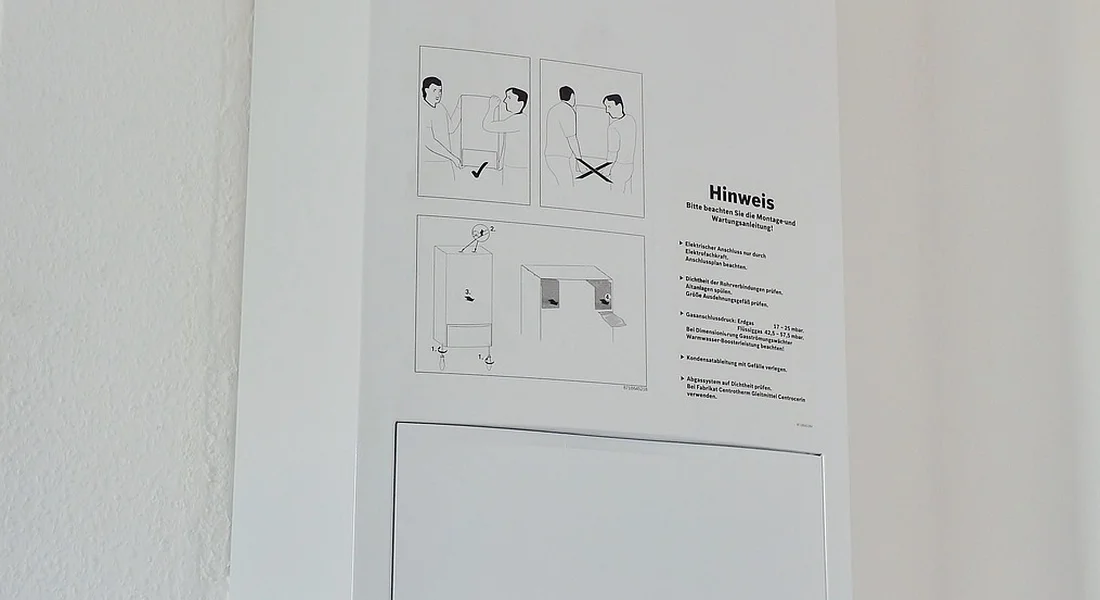
Your heater died during the last outage. The real question is, how do you make sure it works next time?
You have two main paths: feed the heater with a generator or decide hot water isn’t worth the backup cost for your family.
Generator Size and Connection
A modern gas water heater with electronic ignition doesn’t need much power. The control board, thermostat, and ignition module typically use less than 500 watts. A small 1,000-watt inverter generator can handle it (even for larger water heaters).
Connecting that generator safely is the critical part. You have two common options, but only one is right.
- Heavy-Duty Extension Cord (The “Temporary” Fix): Use a thick 12-gauge cord rated for the wattage. Plug only the water heater into it. Never use a cord to backfeed your house panel through a dryer outlet. It’s illegal, deadly to utility workers, and a sure way to start a fire.
- Hardwired Transfer Switch (The Right Way): An electrician installs a secondary panel with essential circuits. You plug your generator into an inlet, throw the switch, and power the heater and maybe your fridge safely. It’s the only National Electrical Code (NEC) compliant method for home backup. A pro install is best.
Battery Backup (UPS) for the Brain
You don’t need to power the whole heater for days. You just need to keep its brain alive during short grid blinks. A small Uninterruptible Power Supply (UPS) for a computer can keep the control circuit running for an hour or more. This won’t help in a day-long outage, but it prevents the reset cycle and loss of hot water from frequent short interruptions.
Is Backing It Up Worth It?
Compare the cost. A transfer switch installation plus a capable generator can cost over $2,000. For that price, you could install a small on-demand propane heater for emergency use, or just adapt to life without hot water for a few days. Many homeowners find that backing up the fridge and a few lights is a higher priority.
Gas vs. Electric Heaters in an Outage: A Realistic Comparison
People say “get a gas heater for outages,” but that’s only half true. Here’s the real breakdown.
- Old Standing Pilot Gas Tank (Pre-2010-ish): The clear winner. The pilot light heats the thermocouple to keep the gas valve open. No electricity is needed at all. It works until the tank runs cold.
- Modern Electric Water Heater: Completely dependent. No power means no heating elements can run. It’s a cold water tank.
- Modern Gas Water Heater (Electronic Ignition): Nearly as dependent as electric. It needs 120V to run the computer that opens the gas valve and sparks the igniter. No power, no fire, no hot water.
The label “gas” doesn’t mean outage-proof anymore unless it has that old, always-on pilot light.
Restarting Your System After Power Returns
The power is back. Don’t just assume your water heater will wake up. Follow this checklist.
- Verify the gas supply valve is on. It’s usually a lever on the gas line near the heater. Make sure it’s parallel to the pipe.
- Follow the unit’s restart procedure. Many have a reset button on the thermostat access panel. Press it. Check your manual.
- Look for error codes. Modern heaters have a status light. A steady glow often means normal. A blinking pattern is an error code. Write it down.
- Listen for normal operation. You should hear the gas valve click open, the igniter spark (a rapid ticking), and the quiet “whoosh” of the burner lighting.
Now, go to the faucet farthest from the heater and run the hot water. Let it run for a minute. This clears any air from the lines and confirms hot water is moving from the tank. You should feel it get warm.
If you hear no clicks, no spark, and get cold water, a power surge likely fried the control board. That’s a common failure after outages. At this point, it’s time to call a professional technician. You’ll need a new board or ignition module.
Common Questions
Will my gas water heater work during a power outage?
It depends entirely on the ignition system. A traditional model with a standing pilot light will usually keep working, as it doesn’t need household electricity. Modern units with electronic ignition or tankless models will not function without power.
How can I quickly tell what type of gas water heater I have?
Do a simple visual check. A large, round tank on the floor is a storage heater. A compact, rectangular box on the wall is a tankless unit. Your first clue is the shape-tank models are outage-resilient only if they have a pilot light.
Does my heater have a pilot light I can manually light?
Only if it’s an older design. Safely remove the lower access panel and look for a small, steady blue flame. If you see no flame but wires and a digital display, it’s electronic ignition-there is no pilot to light, and you should not attempt it.
Why won’t my modern gas water heater work without power?
Today’s units need electricity to run the brain-the control board that manages ignition, safety valves, and often a combustion blower. Without it, the gas valve won’t open and the burner can’t spark, even though gas is available.
What should I do if my gas water heater doesn’t work after an outage?
Verify the gas valve is on and check for a reset button on the unit. If it still fails, do not tamper with controls or wiring. Call a professional technician immediately; DIY fixes on gas appliances are high-risk.
Final Tips for Keeping Hot Water Flowing
Check your pilot light first. A small, steady flame means you have hot water until the main gas supply stops.
Find the information sticker on your water heater. It tells you if you have a conventional standing pilot or a power-vented system that needs electricity.
Written by Bob McArthur. Bob is a an HVAC and plumbing industry veteran. He has professionally helped homeowners resolve issues around water softeners, heaters and all things related to water systems and plumbing around their homes. His trusted advice has helped countless of his clients save time, money and effort in home water systems maintenance and he now here to help you and give you first hand actionable advice. In his spare time, Bob also reviews home water systems such as tankless heaters, water softeners etc and helps home owners make the best choice for their dwelling. He lives around the Detroit area and occasionally consults on residential and commercial projects. Feel free to reach out to him via the contact us form.