Demand Response vs Tankless Heaters: Stop Wasting Money on Hot Water
Your old water heater is burning cash 24/7. I’ll show you how two smart options actually cut energy use.
We will cover how demand response programs work with your utility, the inner mechanics of on-demand tankless units, and which system saves you more based on your home.
I’ve wired my own house into a demand response program and replaced a rusty tank with a tankless model. Get this right: your biggest saving comes from not heating water you aren’t using.
The Core Concepts: A Homeowner’s Guide to On-Demand and Demand Response
Picture a standard water heater in a basement or closet. It’s a big metal tank, usually holding 40 to 80 gallons of water. A gas burner or electric heating elements inside keep that entire tank of water hot, all day and all night, even when you’re asleep or at work.
Think of it like a coffee pot left on the “warm” setting 24/7 it’s always using energy to maintain that temperature, which is called standby heat loss.
How an On-Demand (Tankless) Water Heater Works
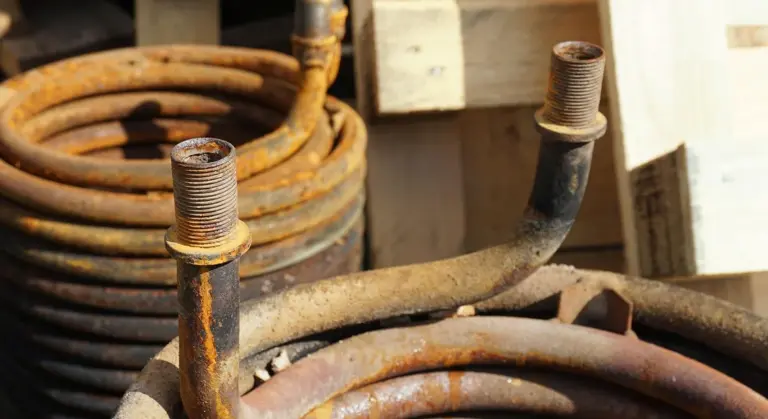
A tankless unit is a compact box on your wall. It has no storage tank. Inside is a powerful gas burner or electric heating element wrapped around a copper heat exchanger.
When you turn on a hot water tap, a flow sensor inside the unit activates. Water rushes through the heat exchanger, getting instantly heated to your set temperature, and travels straight to your faucet or shower. The moment you shut the tap off, the heater stops.
The core difference is simple: a tank heater stores hot water, while a tankless heater creates hot water only when you ask for it. This eliminates standby heat loss completely.
What is a Utility Demand Response Program?
Your power company has a problem. On the hottest afternoon of summer or the coldest night of winter, everyone turns on their AC or heaters at once. This strains the electrical grid and can cause blackouts.
To prevent this, utilities run demand response (DR) programs. You sign up and allow them to temporarily reduce the power draw of certain large appliances, like your water heater, during these peak times.
It’s a voluntary agreement you get a bill credit or rebate, and the utility gets to “borrow” a little bit of your appliance’s energy use to keep the grid stable for everyone.
Connecting the Two Systems
These two concepts save energy in different ways. A traditional tank-style water heater is the perfect candidate for a demand response program. It has a large reserve of already-hot water in its tank, unlike tankless water heater types that heat water on demand.
During a peak grid event, the utility can safely turn its heating elements off for short cycles. You likely won’t run out of hot water because you’re drawing from that stored reserve. The energy savings come from the collective reduction of thousands of heaters at once.
A tankless water heater, by its design, is not suitable for most demand response programs. It doesn’t run constantly, so there’s nothing for the utility to cycle off. Its energy savings are built in and personal, coming from the elimination of standby heat loss that happens 24/7 with a tank. In terms of consumption efficiency, the on-demand operation minimizes energy waste by heating only when hot water is needed. Proper sizing and installation further enhance overall water heater consumption efficiency.
Difficulty Rating: Installation
Understanding these systems is one thing. Installing them is another.
We rate installing a new water heater a 9 out of 10 on the difficulty scale for a homeowner. It involves plumbing, gas line or heavy electrical work, ventilation, and often bringing the installation up to modern code. A mistake can lead to leaks, gas issues, or unsafe conditions.
You can and should learn how they work to make an informed purchase. But for the actual swap, hire a licensed plumber or HVAC technician. I replaced my own traditional tank a few years back, and even with my experience, it was a full-day job requiring special tools and a permit inspection.
How Demand Response Works with Your Water Heater
If you enroll in a program, the utility or their contractor will install a small device on your water heater. For an electric tank, this is usually a smart switch or controller that attaches to the power leads. For a gas model, it might be a smart thermostat that controls the burner.
This device is the communication link. It receives a wireless signal from your utility.
The Purpose: Grid Stability
The goal isn’t to inconvenience you. It’s to prevent rolling brownouts or blackouts. By cycling thousands of water heaters off for brief, coordinated periods, the utility can shed massive load from the grid without any single home noticing a major impact. It’s a smart tool for managing community resources.
During a “Demand Response Event”
When the grid is stressed, your utility sends a signal. Your water heater’s controller receives it. Here’s what typically happens:
- The controller cycles the heating elements or burner off for a set period, like 15 minutes.
- It then allows the heater to come back on for a period, like 45 minutes, to reheat the water in the tank.
- This cycle repeats for the duration of the event, which may last a few hours.
You still have all the pre-heated water in the tank to use. For most households taking normal showers or doing laundry, the hot water supply doesn’t run out during these short off cycles.
The Red Flag Troubleshooting Guide
Demand response works best on a healthy, properly sized tank. If your heater has these issues, DR cycling might lead to cold showers:
- Short Hot Water Supply: You already run out of hot water quickly during normal use. The tank may be too small, or the heating elements/dip tube could be failing.
- Very Old Tank: Units over 12-15 years old are less efficient and more prone to sediment buildup, which reduces capacity and recovery time.
- Strange Noises: Loud rumbling or popping sounds mean heavy sediment buildup at the bottom of the tank. This acts as an insulator, slowing reheating dramatically.
If your heater has any of these red flags, fix the underlying problem before considering a demand response program. Start by flushing the tank to clear sediment.
The Role of Smart Thermostats and Controls
For newer water heaters, the communication hub might be a Wi-Fi enabled smart thermostat you can control from your phone. Some utilities integrate with these directly. For older models, the utility installs a simple, dedicated switch box. Knowing the water heater thermostat location helps you access those controls quickly. Often it’s behind an access panel or on the side of the tank.
These controls are the gatekeepers. They ensure the utility only cycles the heater during agreed-upon peak times and allow you to manually override the program if needed, like if you have guests and know you’ll need extra hot water.
How an On-Demand Heater Saves Energy (And How a Traditional Tank Wastes It)

Think of a traditional tank heater like a giant kettle of water that’s always kept boiling. It heats 40 or 50 gallons at a time, keeps it hot all day and night, and sends heat straight through the tank walls into your basement or garage. A tankless, or on-demand, unit is different. It’s like a powerful, high-speed kettle you only turn on when you need a cup of tea. It heats water instantly as it flows through, then shuts off.
The biggest waste with a tank is called standby heat loss. The tank constantly cycles its burner or elements to keep that huge volume of water at your set temperature, usually 120°F or higher. That heat energy doesn’t just stay in the water, it radiates out through the steel tank walls, wasting your money 24/7 to heat empty space.
The energy savings of a tankless system come from two simple changes.
- It completely eliminates standby heat loss because there is no stored water to keep warm.
- You only pay to heat the exact volume of water you use. No energy is spent keeping 30 unused gallons hot for your 10-minute shower.
Your actual savings depend on your home’s habits and setup. A family of four taking back-to-back showers will save more than a single person because they constantly drain a traditional tank, forcing it to reheat cold water. Your incoming water temperature is a huge factor too. If your groundwater is 50°F, the heater has to work harder to reach 120°F than if it starts at 70°F, which impacts the unit’s flow rate and efficiency.
For super-high efficiency, some homes use a geothermal or “desuperheater” system. It doesn’t create heat. Instead, it uses a heat exchanger to capture waste heat from your home’s geothermal HVAC unit to pre-warm your water. It’s a brilliant system, but it’s a major retrofit that only makes sense if you’re already installing geothermal heating and cooling.
Tankless units need regular care to keep saving energy. Mineral scale from hard water can coat the heat exchanger, forcing it to work harder and fail. Following your tankless water heater brand maintenance guide helps you prevent these issues. Brand-specific tasks like flushing and checking connectors keep the system efficient and durable.
System Maintenance Roadmap
- Descaling Yearly: For most homes, you need to flush the unit with a descaling solution like vinegar or a commercial product to remove limescale. Connect a submersible pump and bucket to the unit’s service valves.
- Check for Error Codes: Modern units have digital displays. An error code for “overheating” or “ignition failure” often points to a scaled heat exchanger or a failing component.
- Clean the Inlet Air Filter: If your unit has one, a clogged air filter can cause poor combustion and efficiency loss.
Getting Involved: How to Participate in a Demand Response Program
Demand response is a way your power company manages peak energy use, like on a hot afternoon when every air conditioner is running. They give you a discount or credit to let them briefly cycle your water heater off during those high-demand periods. You get enrolled a few common ways.
- Directly from your electric utility via a mailer or email offer.
- Through a community “Neighborhood Energy Program” your city or town might run.
- Via a retailer when you buy a compatible smart thermostat or water heater controller.
Getting started is straightforward.
- Check your utility’s website. Look for a “rebates” or “energy savings programs” section.
- Look specifically for offers on “smart water heater controls” or “load management devices.” There’s often a significant rebate.
- If you qualify, the utility will schedule the installation of the controller. Sometimes they provide a list of approved electricians.
The hardware is a small Wi-Fi or radio-controlled switch, usually mounted on the wall near your water heater. An electrician wires this switch between your heater’s power supply and the unit itself, creating a safe point for the utility to send a temporary “off” signal. The shutoff is short, maybe 15-30 minutes, so you likely won’t even notice a drop in your hot water supply.
This program helps the utility avoid blackouts and delay building expensive new power plants. It’s far cheaper for them to manage existing demand than to generate more power at peak times.
Tools & Material Checklist for Installation
If you’re a pro installing one of these controllers, here’s what you’d grab from the truck.
- Screwdrivers (flathead and Phillips)
- Wire nuts of appropriate size
- Non-contact voltage tester
- The specific controller kit provided by the utility (includes the switch, wiring harness, and mounting hardware)
The controller and its installation must meet National Electrical Code (NEC) standards and any local amendments. This isn’t a DIY project for most homeowners. Improper wiring can create a fire hazard or damage the water heater. The electrician will ensure the disconnect switch is properly rated and that all connections are secure in an approved electrical box.
The Other Side of the Coin: Considerations and Drawbacks
Switching to an on-demand system or signing up for demand response is not a perfect solution for every home. Here are the practical hurdles you might face.
Potential Drawbacks of an On-Demand Water Heater
The biggest advantage of a tankless heater, its endless hot water, comes with a few significant trade-offs you must budget for, both in money and planning. This is especially true when considering the energy efficiency of tankless versus traditional water heaters.
- Higher Upfront Cost: A quality tankless unit can cost two to three times more than a standard tank heater. This is for the unit alone, before installation.
- Possible Need for Upgraded Utilities: These heaters need a lot of power, fast. A gas model may require a larger gas line run to your house. An electric model often needs a dedicated 240-volt circuit and may demand an upgrade to your home’s main electrical panel. Getting that power to the heater is your responsibility, not the plumber’s.
- The Cold Water “Sandwich” Effect: This is a common quirk. If you turn the hot water off for a moment (like while lathering in the shower) and then back on, you might get a short blast of cold water before it gets hot again. The heater shuts off when flow stops, and the water in the pipes between uses cools down.
Limitations of Demand Response Programs
Letting your utility company manage your water heater’s peak usage is a smart grid move, but it means giving up some control. However, you can gain back some control with a water heater timer. It lets you shift heating to off-peak times, boosting energy savings even when you participate in grid programs.
You are ceding some control over your hot water. During a “peak event,” which might last 2-4 hours on a very hot afternoon, your heater will cycle off more than usual. For most households taking normal showers and doing dishes, you won’t notice.
Very high-usage homes might notice tepid water during long events. If you have back-to-back long showers, fill a large jacuzzi tub, or run multiple laundry loads during an event, the tank can’t recover heat as quickly. The water may get lukewarm until the event ends and full heating resumes.
Addressing Installation Complexity
Installing a tankless water heater is not a simple swap. The complexity varies by fuel type.
Gas vs. Electric Tankless: High-output gas models are the most common for whole-house use. They require proper gas supply, a new venting system (often expensive stainless steel), and a condensate drain for efficient condensing models. Electric whole-house models are simpler to vent but can draw an immense amount of power, often requiring multiple, large breaker slots.
Venting is critical. You cannot use the old tank heater’s vent. Tankless units need dedicated, sealed venting (direct vent or power vent) that is correctly sized and routed to the outside. A mistake here is a carbon monoxide risk.
This is almost always a job for a licensed plumber. Between the gas, electrical, venting, and plumbing connections, the permit requirements, and the need to validate the unit’s performance, a professional install is non-negotiable for safety and warranty.
When to Seek Professional Help
Knowing when to call a pro protects your home, your wallet, and your safety. Here are clear indicators.
- For any new water heater installation or replacement. The stakes are too high for water damage, gas leaks, or improper venting.
- For any major electrical work, like installing a new 240V circuit or upgrading your electrical service panel.
- If you suspect your current system is failing. Signs include rusty water, leaking from the tank, rumbling noises, or a complete lack of hot water. A pro can diagnose if it’s repairable or needs replacement.
Recommended Product Types
Instead of specific brands, here are the types of products that solve specific problems well. Use this as your shopping guide.
- Condensing Gas Tankless Units for Efficiency: Look for a high Uniform Energy Factor (UEF). These units capture exhaust heat to preheat incoming water, making them the most efficient gas option. They are the standard for a whole-house gas replacement.
- Electric Point-of-Use Units for a Single Bathroom or Sink: These are small, under-sink or small-wall mounted units. They are perfect for adding instant hot water to a remote bathroom or a kitchen sink far from the main heater, eliminating long wait times.
- Smart Water Heater Controllers for Traditional Tanks: Devices like the Rheem EcoNet or Aquanta can turn your old tank into a smart, energy-saving appliance. They learn your schedule, allow remote control, and can integrate with demand response programs without replacing the entire tank.
Water Science Snippet: The Hard Water Problem
High mineral content, measured in Grains Per Gallon (GPG) or Total Dissolved Solids (TDS), is the main enemy of tankless heat exchangers. In a tank heater, scale settles to the bottom. In a tankless heater’s small, intensely heated copper pipes, the minerals (calcium and magnesium) bake directly onto the internal walls like limescale in a kettle.
This insulating layer of scale makes the heater work harder, reduces efficiency, and can lead to overheating and failure. Hard water buildup harms heater efficiency by insulating critical heat transfer surfaces and narrowing water flow. In other words, the minerals that cause scale push your system to work harder to deliver the same hot water. If your water tests above 7 GPG (grains per gallon), installing a water softener is not just a comfort upgrade, it’s a critical protective measure for a tankless heater’s longevity and performance.
Common Questions
How does an on-demand water heater save energy compared to my old tank?
It eliminates standby heat loss, which is the energy wasted 24/7 keeping a tank of water hot. You only pay to heat water the instant you need it. This direct approach typically saves 24-34% for an average home, but your savings depend on your household’s usage patterns and smart water heater controls.
What’s in it for my utility company with these demand response programs?
It’s a cost-effective tool for grid stability. By temporarily cycling off thousands of water heaters during peak demand, they avoid blackouts and delay building expensive new power plants. It’s a community-minded solution that manages demand instead of creating more supply.
What are the main practical drawbacks of switching to an on-demand heater?
The upfront cost for the unit and professional installation is significantly higher. You may need to upgrade your home’s gas line or electrical service to power it, which is a separate, major project. Also, in areas with hard water, annual descaling is a mandatory maintenance task to prevent failure.
How does constantly pre-heating a tank of water lead to waste?
Think of it as a constantly running appliance. The energy used to maintain temperature is lost as heat radiates through the tank walls into your utility space. This “standby loss” happens every minute of the day, whether you’re home or on vacation, and is your tank’s biggest energy drain.
Do I need a smart thermostat for a demand response program?
Often, yes. The utility-provided controller acts as a smart thermostat, allowing safe, remote cycling during peak events. For newer tanks, a Wi-Fi model you buy yourself may be compatible, but for most programs, the utility will install their own certified device to ensure safe and reliable communication.
Keeping Your Tankless or Smart Water Heater Efficient
For the biggest savings, pair a demand response program with an on-demand water heater. This combination directly tackles the two main sources of water heating cost: standby heat loss and peak-time energy rates. This approach fits into practical energy saving tips to lower water heating bills. Check with your utility for rebates and speak with a qualified installer to see if your home and habits are a good fit for these systems.
Written by Bob McArthur. Bob is a an HVAC and plumbing industry veteran. He has professionally helped homeowners resolve issues around water softeners, heaters and all things related to water systems and plumbing around their homes. His trusted advice has helped countless of his clients save time, money and effort in home water systems maintenance and he now here to help you and give you first hand actionable advice. In his spare time, Bob also reviews home water systems such as tankless heaters, water softeners etc and helps home owners make the best choice for their dwelling. He lives around the Detroit area and occasionally consults on residential and commercial projects. Feel free to reach out to him via the contact us form.