Home Water Heating Methods: A Straight Talk Guide
Is your water heater failing or your energy bill too high? You need to know your replacement options fast.
This guide breaks down the pros and cons of each system. We will cover tankless, storage tank, heat pump, solar, and indirect water heaters.
I’ve swapped out hundreds of units on service calls. Here’s the truth: your fuel source and daily gallon use decide the best heater for you.
How Home Water Heating Works (From Old Kettles to Modern Tanks)
Think of it this way: you either heat water before you need it and store it, or you heat it the instant you turn on the tap. That’s the core choice. The storage method is like a big thermos you keep refilling and reheating. The on-demand method is a super-fast kettle that only works when you ask.
Back in the day, it was a chore. You heated pots and kettles on a stove or over a fire. Some homes had a boiler next to the kitchen stove, called a “range boiler,” that used excess heat. Others had a coal-fired cistern in the basement. You never had endless hot water. You used what you heated.
Today, we have two main setups: central systems and point-of-use systems. A central system, like a big tank or tankless unit in your basement, heats water for the whole house. A point-of-use system is a small heater under your kitchen sink or in a bathroom closet, serving just that one faucet or shower.
Places like hotels use massive, industrial versions of central systems. They often link several large tank heaters together or use commercial tankless units in a row to create a huge supply that never runs out, no matter how many guests shower at once.
The “Red Flag” Troubleshooting Guide
Your water heater sends signals before it fails. Do not ignore these.
- Rusty or metallic-tasting water from the hot side only. This often means the tank liner is corroding.
- Rumbling, popping, or banging noises from the tank. This is sediment buildup getting superheated. It’s like a kettle with a thick layer of scale at the bottom.
- Not enough hot water, or it runs out much faster than before. For a tank, this points to a failing heating element, heavy sediment, or a tank that’s simply corroded through.
- Water pooling around the base of the tank. A small leak is a final warning. A big leak is an active failure.
- Consistently lukewarm water that never gets truly hot. Check the thermostat first, but it can indicate a bigger problem.
If you see water actively leaking from the tank itself, shut off the water and power (gas or electric) to the unit immediately.
Tank Storage Water Heaters: The Workhorse in Your Basement
This is the classic tank you know. Cold water enters the bottom of the tank. A gas burner below the tank (or electric elements inside it) heats the water. Hot water rises to the top, ready for use. When you open a hot tap, pressure from the incoming cold water pushes the hot water out the top and through your pipes.
It’s a simple fill, heat, and store cycle.
Main Types: Gas, Electric, and High-Efficiency
You choose based on what’s available in your house and your budget.
- Gas (Natural or LP): Uses a burner at the bottom of the tank. Heats water faster than standard electric models. Requires a vent (flue) to exhaust gases, usually through your roof.
- Electric: Uses one or two heating elements screwed into the side of the tank. Generally simpler to install, as no vent is needed. Operating costs can be higher than gas in many areas.
- High-Efficiency Models: These are usually gas units with a special design. They pull combustion air from outside and exhaust cool fumes through a small plastic pipe (often out a side wall). They waste less heat up the flue.
Pros and Cons: The Simple Truth
Pros:
- Lower upfront cost than tankless systems.
- Simple technology that most plumbers can service.
- Stored water provides a buffer if you have a brief power outage (for gas models).
Cons:
- Standby heat loss. The tank constantly loses heat through its walls, so it reheats water even when you’re not using it. This costs you money.
- It can run out. Once the stored hot water is gone, you wait for the tank to reheat.
- It takes up significant floor space.
- The tank will eventually rust and leak. It’s not a matter of if, but when.
Conventional vs. High-Efficiency Storage Tanks
The difference is mostly about how they handle exhaust. A conventional gas heater has a metal flue pipe up the middle of your chimney or through the roof. It pulls warm house air for combustion and sends very hot gases out. A lot of heat goes right up that flue.
A high-efficiency model (often called a “direct-vent” or “condensing” heater) has a sealed combustion system. It pulls outside air in through one pipe and exhausts cool fumes out a second, side-by-side pipe. It captures so much heat from the exhaust that the fumes condense, which is why they need a special plastic vent pipe and a drain for the condensate. This design uses less gas.
System Maintenance Roadmap
Treat this like an oil change for your house. It prevents major breakdowns.
- Every 6 Months: Check the pressure relief valve. Lift the lever partway and let it snap back. You should hear a gush of water into the drain tube. If not, the valve may be stuck (replace it).
- Once a Year: Flush the tank. Hook a garden hose to the drain valve at the bottom. Run it to a floor drain or outside. Turn off the power (or gas), shut the cold water inlet, open a hot faucet in the house, then open the drain valve. Let it flow until the water runs clear. This removes sediment that causes noise and inefficiency.
- Every 3-5 Years: Have a pro check the anode rod. This is the “sacrificial” rod that attracts corrosion to protect your steel tank. Once it’s mostly gone, your tank starts to rust. In my own house, I check it every 4 years and replace it when it’s less than half an inch thick.
- Set the Temperature: 120 degrees Fahrenheit is safe for most homes and saves energy. This prevents scalding and slows mineral buildup. You can go to 140 if you have a dishwasher without its own heater, but install anti-scald devices on faucets.
Tankless (On-Demand) Water Heaters: Endless Hot Water Explained
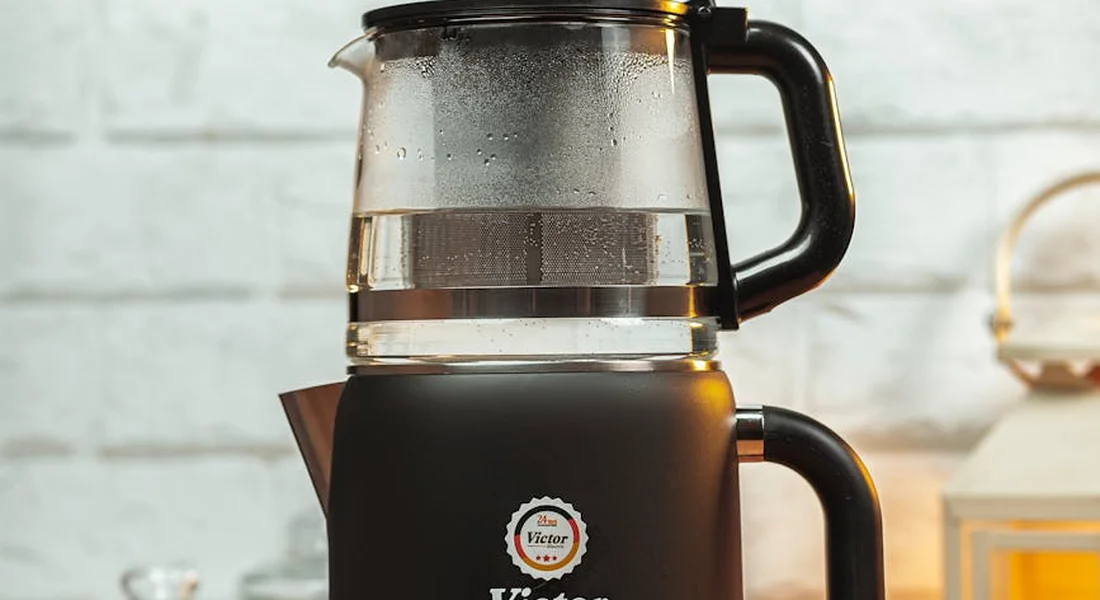
A tankless water heater works like a powerful instant kettle for your entire house. You turn on the hot tap. Cold water races through a pipe in the unit. A powerful gas burner or electric heating element instantly warms the water as it passes through. Heated water flows out to your shower or sink. When you shut the tap off, the heater stops. No tank of water sitting around getting warm, then cooling down, then getting warmed again all day. For a deeper, step-by-step look at how these units operate, our tankless water heaters work guide explains the details. It highlights the main components and how heat is transferred, aiding maintenance and planning.
Pros and Cons for Whole-Home Use
These units are popular, but they’re not magic. Here’s the real deal from my service calls and my own home upgrade.
- Endless Hot Water: The biggest perk. No more “who used all the hot water?” during back-to-back showers.
- Space Savings: They mount on a wall and are about the size of a carry-on suitcase. Great for tight spaces.
- Longer Lifespan: With proper maintenance, they often last 5-10 years longer than tank-style heaters.
- Higher Upfront Cost: The unit itself and the installation are more expensive.
- Limited Simultaneous Use: A single unit has a maximum flow rate. It might struggle to supply a shower and the washing machine at the same time.
- Cold Water Sandwich: A quick burst of cold water can sneak through between uses, which is annoying in the shower.
They save energy by not constantly reheating a tank, but your actual savings depend on your hot water habits.
Gas vs. Electric: The Fuel Fight
Your choice here dictates everything about the installation.
- Gas (Natural or Propane): Delivers higher flow rates, perfect for larger homes. Requires a new, larger gas line in most old homes and a new vent system. The combustion air needs are serious.
- Electric: Simpler to install if your electrical panel can handle it. No venting needed. But most homes need a major electrical service upgrade-think a new 200-amp panel and thick wires-to power a whole-home electric tankless unit.
Sizing and Installation Reality Check
Sizing isn’t about tank gallons. It’s about flow, measured in Gallons Per Minute (GPM). You add up the GPM of every fixture you might run at once. A shower might be 2.5 GPM, a kitchen faucet 1.5 GPM.
If your peak need is 5 GPM, you buy a unit rated for at least that. Undersizing is the number one complaint I see: lukewarm water when two taps are on. The other critical factor is your incoming water temperature. Colder groundwater means the heater works harder to reach your desired temp, reducing its effective GPM.
This leads to the big install issue. Your existing gas line or electrical service is almost certainly too small. Running a new 1-inch gas line or multiple 40-amp electrical circuits is not typical DIY work.
DIY vs. Pro Verdict
Difficulty Rating: 8/10
A confident homeowner can often handle the water connections-shutting off lines, sweating copper or using PEX. Mounting the unit on the wall is straightforward. The gas and electrical work is where you must call a pro. Running a new gas line requires a licensed plumber or gas fitter for safety and legal permits. Upgrading your electrical service or installing multiple high-amperage breakers legally requires a licensed electrician. Getting this wrong is dangerous and won’t pass inspection.
High-Efficiency & Alternative Home Water Heating Methods
Heat Pump Water Heaters (The Thrifty Borrowers)
Think of this as an air conditioner running in reverse. It doesn’t generate heat. It pulls heat from the surrounding air and “pumps” it into the water in its tank.
- Pros: Extremely energy efficient. Can cut water heating costs in half. Qualifies for rebates.
- Cons: Needs installation in a space that stays 40-90°F year-round (like a basement). It cools and dehumidifies that space. Higher initial cost than a standard electric tank. It hums like a fridge.
In the right spot, it’s the most efficient electric water heater you can buy.
Solar Water Heating (Harnessing the Sun)
These systems use rooftop solar collectors, not solar-electric panels. A fluid (water or antifreeze) is heated by the sun and circulated to a heat exchanger in a storage tank. Some designs also include a purification stage to filter minerals from the heated water before storage. This helps prevent mineral buildup and keeps the system efficient.
- Active Systems: Use pumps and controllers to move the fluid. Most common. More efficient but has moving parts that can fail.
- Passive Systems: Rely on natural convection (hot water rises) to move fluid. Simpler, more reliable, but less efficient and harder to integrate with existing systems.
They are a major investment and work best as a “pre-heater” paired with a traditional backup heater (gas or electric) for cloudy days.
Indirect Water Heaters (The Boiler Buddy)
This is a well-insulated storage tank with a coil inside. Your home’s boiler (for heat) circulates hot water through that coil, which heats the domestic water in the tank. It’s efficient because your boiler is already firing in the winter. Since the boiler is already active for space heating, heat transfer to the coil remains more consistent, boosting DHW efficiency. This shows how home heating decisions can impact hot water performance. It’s like having a dedicated hot water radiator inside a tank of water.
Using Your Boiler for Hot Water
Yes, your boiler can heat your water. An indirect tank (described above) is the standard, efficient method for homes with hydronic (hot water) heating systems. The other option is a combi-boiler (combination boiler). It has a built-in heat exchanger that provides hot water on demand directly, eliminating the need for a separate storage tank. Combi-boilers are compact but can have flow rate limits similar to tankless units.
Water Science Snippet: The Enemy is Scale
All water heaters share a common enemy: mineral scale. Hard water (measured in grains per gallon) is full of calcium and magnesium. When heated, these minerals solidify and cement themselves to heating elements and heat exchangers as limescale. Scale acts like insulation, forcing your heater to work harder and longer, wasting energy and killing the unit prematurely. Hard water build up harms heater efficiency by reducing heat transfer and increasing runtime. As a result, energy costs can rise over time. Low pH (acidic) water is corrosive and can eat away at tank linings and components. If you have hard or acidic water, treating it with a whole-house softener or neutralizer is one of the best things you can do to protect any water heating system.
Point-of-Use Heaters and Specialty Applications
Main water heaters are great for the whole house. But what about that one sink that takes forever to get hot? That’s where a point-of-use heater shines. It’s a small heater installed right where you need hot water.
A small electric tank (2.5 to 6 gallons) is just a miniature version of your basement tank. It keeps water hot and ready, plugged into a standard 120V outlet. A mini-tankless unit heats water on demand with a higher wattage element, needing no storage tank. Both solve the same problem: long wait times for hot water at a distant fixture.
You install these units under a remote bathroom sink, in a kitchenette, or at a garage utility sink. They are perfect for additions where running a new hot water line from the main heater is a hassle.
Do Jacuzzi Tubs Heat Water?
No. A standard jetted tub or soaker tub you install in a bathroom does not heat water. It relies entirely on the hot water supplied from your home’s main water heater. You need to size your main heater to fill it. A standalone “hot tub” or spa is different. It has a dedicated, integrated heating system.
Other Specialty Heaters
- Instant Hot Water Dispensers: That small tap next to your kitchen faucet is fed by a tiny 2-3 gallon point-of-use tank under the sink. It keeps water near-boiling for tea or cooking.
- Office Water Coolers: The “hot” side on a cooler works the same way. A small internal tank heats and holds a few cups of water at a time.
- RV Water Heaters: These are usually compact 6 or 10-gallon tanks that run on propane, 120V electric, or both. They’re built for mobile use and have specific safety shut-offs.
Recommended Products
For a single sink or faucet, look for a small electric point-of-use tank (2.5, 4, or 6 gallon capacity). They are simple and reliable. For a remote shower or application where space is extremely tight, a mini-tankless electric unit can work. Remember, the mini-tankless needs a dedicated 240V circuit, which is a more complex install.
What Helped Me
My kitchen sink is far from the main water heater. Washing hands meant a 45-second wait for warm water. I installed a 4-gallon electric point-of-use heater under the sink. It fixed the issue completely. The project was straightforward. The hardest part was adding the dedicated 120V outlet for it to plug into.
Choosing, Installing, and Maintaining Your Water Heater
Picking the right heater is about matching the system to your house and habits. Get this wrong, and you’ll have cold showers or high bills.
Key Factors to Consider
- Household Size & Demand: Count bathrooms and people. A family of four needs a bigger system than a couple.
- Fuel Availability & Cost: What do you have? Natural gas, propane, electricity, or oil? Compare local utility rates for each fuel.
- Costs: Weigh the upfront price of the unit and installation against estimated monthly operating costs.
- Space: Do you have room for a 50-gallon tank? Can you vent a gas unit properly? Tankless units save floor space but need wall space and proper venting.
How Fuel Source Changes Everything
Your fuel dictates your options and costs. Natural gas is often the cheapest to operate but needs a gas line and proper venting. Electric heaters are easier to install anywhere but usually cost more to run. Propane is common where natural gas isn’t available. Oil-fired systems are rare in new installs but exist in older homes. The installation complexity and long-term bill are tied directly to the fuel you choose, especially when comparing gas vs electric water heaters.
Tools & Material Checklist
For a basic electric water heater swap or a point-of-use install, you’ll likely need:
- Pipe wrenches (two are better than one)
- Tubing cutter (for copper or PEX)
- Adjustable wrenches
- Teflon tape and pipe dope (for threaded connections)
- Hacksaw
- Voltage tester
Use PEX for most DIY-friendly connections. It’s forgiving and doesn’t require soldering. Use copper if you’re skilled at soldering or if local code requires it. Always check your local plumbing code first.
Code & Compliance Check
This isn’t just red tape. It’s for safety. Most installations require a permit and inspection.
- You will likely need an expansion tank on your cold water inlet to manage pressure.
- Gas units must be vented to the outside correctly to prevent carbon monoxide poisoning.
- A drain pan under the heater is often required, especially if it’s in a living space.
- Any electrical work must follow the National Electrical Code (NEC).
- Only buy units with a UL (Underwriters Laboratories) or NSF (National Sanitation Foundation) label. This means the product meets safety standards.
When to Seek Professional Help
Call a licensed pro for these jobs:
- Any work on a gas line, including hooking up a new gas water heater.
- Installing a new 240V electrical circuit for an electric heater or tankless unit.
- Integrating a solar thermal system with your existing water heater.
- If your local plumbing or building codes confuse you.
When NOT to Try This
Do not become a DIY statistic.
Do not attempt to replace a gas water heater if you are not a licensed gas fitter. A small leak can cause an explosion. Do not install a new high-voltage circuit if you are not a qualified electrician. Never ignore the smell of natural gas (like rotten eggs) or a major, continuous leak from the tank. Shut off the gas or water supply immediately and call for help. Preventing water heater explosions starts with proper installation, regular maintenance, and timely professional inspections. More prevention tips will be linked in the next steps.
Common Questions
What’s the single biggest mistake people make when choosing a water heater?
Undersizing the system for their actual needs. For tankless, this means not calculating your home’s peak hot water flow (GPM). For a tank, it’s buying a 40-gallon unit for a family of five. Always match the heater’s capacity to your household’s maximum simultaneous use.
I hate waiting for hot water at a far-away sink. What’s my best fix?
Install a small point-of-use electric tank under that sink. It’s a dedicated mini-heater that provides instant hot water right there, saving water and your patience. For a standard 4-gallon model, you’ll just need an available 120V outlet.
Is the “cold water sandwich” from a tankless system a sign it’s failing?
No, it’s a common quirk of how they operate. A small amount of cool water sitting in the pipes between uses can be pushed out before the heating element engages. It’s annoying but normal. A proper recirculation system can eliminate it.
What’s the most critical piece of maintenance I can do myself?
For a tank-style heater, flush it once a year. Sediment buildup is a top killer of efficiency and tank life. For any heater, test the Temperature & Pressure Relief (T&P) valve every six months by lifting its lever to ensure it moves freely.
How do I know if a heat pump water heater would work in my house?
It needs a dedicated, indoor space (like a basement or utility room) that stays between 40-90°F year-round and has at least 700 cubic feet of air around it. Remember, it will cool and dehumidify that space, which is great for a basement but bad for a conditioned closet.
Making Your Final Choice
The best water heater for your home is the one that matches your hot water needs without wasting energy or money. Start by honestly assessing your household size and daily routines, then weigh the upfront cost against your long-term utility bills. Always have a licensed professional handle the installation, as proper setup is critical for safety, efficiency, and keeping the manufacturer’s warranty valid.
Bob McArthur
Bob is a an HVAC and plumbing industry veteran. He has professionally helped homeowners resolve issues around water softeners, heaters and all things related to water systems and plumbing around their homes. His trusted advice has helped countless of his clients save time, money and effort in home water systems maintenance and he now here to help you and give you first hand actionable advice. In his spare time, Bob also reviews home water systems such as tankless heaters, water softeners etc and helps home owners make the best choice for their dwelling. He lives around the Detroit area and occasionally consults on residential and commercial projects. Feel free to reach out to him via the contact us form.