Deep Well Pump Sizing: Get It Right the First Time
Pick the wrong well pump size, and you’ll face low pressure or a burnt-out motor. Get it right, and your water flows strong for years.
This guide shows you how to size a pump for your deep well. We will cover understanding your well’s depth and flow, calculating your home’s water demand, and selecting the correct pump type and horsepower.
I’ve pulled and replaced more pumps than I can count. Here’s the takeaway: a correctly sized pump is cheaper to run and won’t quit on you.
Why Getting the Size Wrong Wastes Water and Money
A wrong-sized well pump is a headache you pay for every single day. The goal isn’t the biggest pump you can find. It’s the right pump.
An undersized pump can’t keep up with your home. You will notice low water pressure at showers and faucets, especially when more than one fixture is on. The pump runs constantly, struggling to meet demand. This overheats the motor. A burnt-out motor is a common, expensive failure point. You might also hear sputtering air in your lines, a sign the pump is sucking the well down faster than it can refill.
An oversized pump causes different problems. It moves water too fast for your system. This leads to short cycling, where the pump turns on and off rapidly. This destroys the pressure switch and motor starter. It can also pump your well dry before it has time to recover, stirring up sediment and risking damage. Your electric bills will be higher than they need to be. It’s like using a Formula 1 engine to drive to the grocery store, all stress and no efficiency.
The core goal is a pump that meets your home’s peak demand without straining itself or your well.
The 7 Measurements You Must Take Before Buying Anything
You can’t guess your way to the right pump. Think of this as a detective’s checklist. You need these seven numbers to find the perfect match.
What is the Depth of Your Well and Static Water Level?
Start with your well log. This document was created when the well was drilled and should be with your home’s paperwork. It lists the total depth and the static water level.
The static water level is the resting water level when no water has been pumped for several hours. This is your starting point, not the well’s total depth. For sizing, you care about where the water starts, not how far down the empty hole goes.
If you’ve lost the well log, you can find the depth with a simple string-and-weight method. Tie a small weight to a long string. Lower it down the well casing until you hear it splash. Mark the string at ground level. That’s your static water level. Keep lowering until the string goes slack, marking again for total depth.
This measurement is the foundation for answering questions like “how big of a pump for 110 foot deep well,” as the pump must be set below the static level.
Finding Your Pumping Water Level and Well Yield (GPM)
When your pump runs, it pulls water down. The pumping water level is where the water stabilizes while the pump is operating. It’s always lower than the static level.
The well yield, or recovery rate, is how fast your well refills with water. It’s measured in gallons per minute (GPM). You can test this with a bucket and a stopwatch. Run the pump until you have a steady flow from a hose. Direct the hose into a bucket of known volume, like a 5-gallon pail. Time how long it takes to fill.
Divide the gallons by the minutes. For example, a 5-gallon bucket filling in 45 seconds (0.75 minutes) is about 6.7 GPM.
Your pump’s output (GPM) must never exceed your well’s yield (GPM). This is the most common mistake and the fastest way to burn out a pump or run your well dry.
Calculating Total Dynamic Head (TDH): The Pump’s Total Workload
Total Dynamic Head (TDH) is the total “hill” the water must climb from the pump to your faucet, including friction inside the pipes. It’s the pump’s real workload. You calculate it in three parts.
- Vertical Lift: The distance from the pumping water level up to the pressure tank. This is the biggest number.
- Pipe Friction: Resistance from water moving through pipes. For a basic estimate, add 1 foot of head for every 10 feet of horizontal pipe run.
- Pressure at the House: Your desired pressure, like 40 PSI. Convert PSI to feet of head by multiplying by 2.31. (40 PSI x 2.31 = 92.4 feet).
Simple Example: If your pumping level is at 100 feet deep, you have 150 feet of horizontal pipe (add 15 feet for friction), and you want 40 PSI (add 92.4 feet), your estimated TDH is 100 + 15 + 92.4 = 207.4 feet.
This TDH calculation directly answers “how do you pump water from a 500 ft well,” as you need a pump rated to lift water against over 500 feet of total head.
Figuring Out Your Home’s Peak Water Demand
Your pump must supply enough water for when demand is highest. Don’t add every fixture together. Think about realistic simultaneous use.
- Shower: 2.0 – 2.5 GPM
- Kitchen Faucet: 1.5 – 2.2 GPM
- Toilet (older): 3.0 – 5.0 GPM per flush
- Washing Machine: 2.0 – 3.0 GPM
A common peak scenario is someone showering (2.5 GPM) while a washing machine runs (3.0 GPM) and a toilet flushes (3.0 GPM). That’s a peak demand of about 8.5 GPM. Size your pump’s output for this, not for every faucet in the house at once, especially for bathrooms and basins.
Remember your water system. Every water softener, sediment filter, or carbon filter adds a little pressure drop your pump must overcome. Factor this into your TDH.
Water Science Snippet: How TDS and Sediment Wear Down Your Pump
Think of your well water as more than just H2O. It’s a delivery system for everything dissolved or floating in it. This is where water quality stops being about just taste and starts being about your pump’s lifespan.
Total Dissolved Solids, or TDS, is just a measure of the “stuff” in your water. That includes minerals like calcium and magnesium (what makes water hard), along with other dissolved elements. High TDS water is hard water.
High TDS water builds up scale inside your pump and plumbing just like it does in your water heater. This scale, usually limescale, coats the pump’s impellers and internal passages. Over time, this buildup reduces the pump’s efficiency and directly lowers the gallons per minute (GPM) it can deliver. The motor works harder to push less water.
Sand, silt, and other sediment are a different kind of enemy. They are abrasive. If sediment gets past your well’s intake screen, it acts like sandpaper on the pump’s impellers, wearing them down until they can’t move water effectively. I’ve pulled pumps where the impellers looked like they’d been through a rock tumbler.
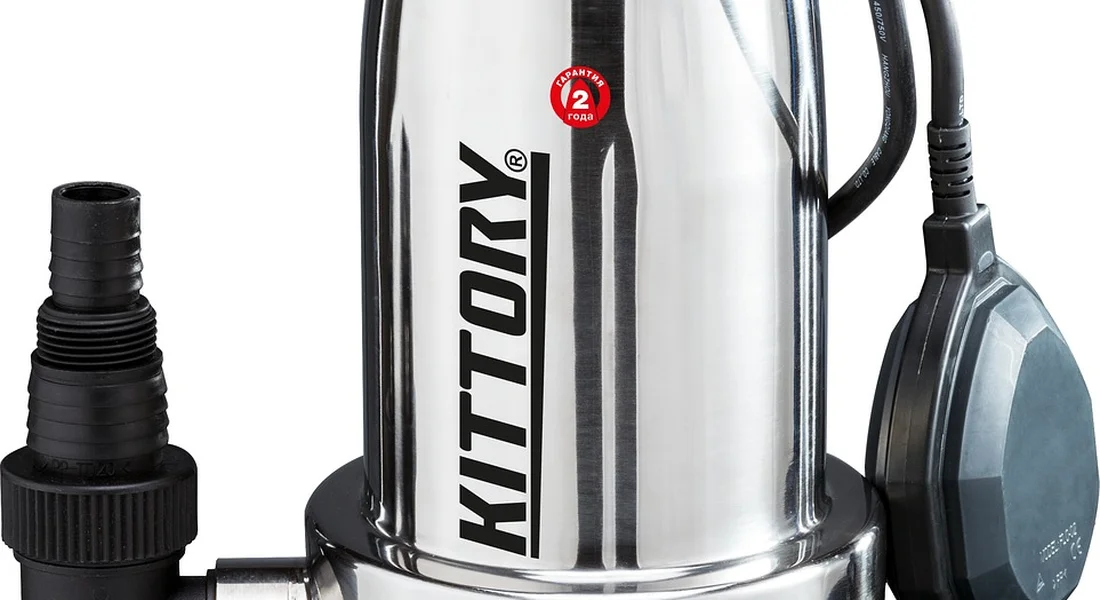
When selecting a pump, always consider a model with a good built-in intake screen or sediment filter. For deep well submersibles, this is a critical first line of defense. Your pump’s longevity isn’t just about horsepower and depth, it’s about what’s in the water you’re asking it to move. Regular cleaning and maintenance of the intake screen and filter are essential to submersible well pump longevity. Keeping the system clean and well maintained helps ensure long-lasting performance.
The Final Calculation: Matching Numbers to a Real Pump
Let’s take the numbers from earlier and find a real pump. Imagine your well log says you have a 400 foot deep well. You’ve calculated you need 12 GPM for your household. Your pressure tank is set to 50 psi.
First, find your Total Dynamic Head (TDH). Remember the formula: TDH = Vertical Lift (Depth to Water + Drawdown) + Friction Loss + Pressure Tank PSI (converted to feet).
Here’s a walkthrough for our example:
- Vertical Lift: Let’s say the depth to water is 350 ft, and the drawdown during pumping is 30 ft. That’s 380 ft total.
- Friction Loss: For 12 GPM through 400 ft of 1-inch pipe, charts show about 15 ft of loss per 100 ft. That’s roughly 60 ft of total friction loss.
- Pressure Head: Convert 50 psi to feet. 50 psi x 2.31 = about 115 feet.
Now add it up: 380 ft (Lift) + 60 ft (Friction) + 115 ft (Pressure) = 555 feet of Total Dynamic Head (TDH).
You don’t need a pump rated for 400 feet, you need one rated for a TDH of about 555 feet while delivering 12 GPM. This is the number you take to the pump performance charts.
How Do You Determine HP on a Well Pump?
Horsepower (HP) is determined by the combination of the required GPM and the TDH. A higher TDH or higher GPM demands more HP. Use this simplified reference chart as a starting point for typical 230V submersible pumps:
| Total Dynamic Head (TDH) | For up to 10 GPM | For 10-15 GPM | For 15-20 GPM |
| Up to 250 ft | 1/2 HP | 3/4 HP | 1 HP |
| 250 – 400 ft | 3/4 HP | 1 HP | 1.5 HP |
| 400 – 600 ft | 1 HP | 1.5 HP | 2 HP |
| 600 – 800 ft | 1.5 HP | 2 HP | 3 HP |
This chart is a guide, not a rule. The final word always comes from the manufacturer’s pump performance chart for the specific model you are considering. You match your required GPM and TDH on their chart to see if that pump can do the job efficiently.
This is why asking “how many horsepower pump needed for a 400 foot well?” is incomplete. A 400 ft well needing 8 GPM might use a 3/4 HP pump, while that same well needing 15 GPM could require 1.5 HP. The same logic applies for a 600 foot well. Depth is just one part of the TDH equation.
Submersible vs. Jet Pump: Picking the Right Tool for the Depth
For deep well applications, the choice is straightforward. These are your two main options.
A submersible pump is installed down in the well, submerged in the water. It pushes water to the surface. They are the standard for deep wells. Next, you’ll install the wiring for a deep-well submersible pump. This step powers the pump and completes the setup.
- Pros: Highly efficient, quiet (the motor is deep underground), and can handle very high TDH (deep wells).
- Cons: More complex and expensive to install or service. Pulling it for repairs is a big job.
A jet pump sits in your basement or pump house. It pulls water up using suction and pressure. There are shallow well and deep well jet pump models, but they have limits.
- Pros: Easier and cheaper to access for service. All parts are above ground.
- Cons: Much less efficient, especially with depth. They struggle to pull water from depths beyond about 120 feet. They are noisier.
For anything over 150 feet, you’re looking at a submersible pump. It’s the right tool for the job. Jet pumps simply can’t generate enough suction to lift water from those depths reliably. I only install jets for shallow wells or where a submersible isn’t practical.
Your Well Pump Maintenance and Monitoring Roadmap
Think of your well pump as a major investment buried in the ground. A little regular attention protects that investment and prevents a sudden, costly failure. This is your straightforward plan to keep it running.
Annual Check-Up Tasks
Once a year, block off an hour. You only need a simple tire pressure gauge and your ears. Do these three checks on the same day to get a complete picture of your system’s health.
- Check pressure tank pre-charge. With the pump off and a faucet open to drain system pressure, check the air valve on the tank. It should read 2 PSI below your pump’s cut-on pressure. If your pump kicks on at 40 PSI, the tank should be 38 PSI. A low reading makes the pump short cycle.
- Listen for short cycling. This is when the pump turns on and off too quickly. Stand near the pressure tank and have someone run water. If the pump starts, stops, and starts again in under a minute, you have a problem. Often it’s that low tank pre-charge or a failed bladder in the tank.
- Test water pressure at a faucet. Use a simple pressure gauge that screws onto a hose bib. Run the water and note the pressure. It should climb to your pump’s cut-off pressure (usually 60 PSI) and stop. If it struggles to reach 50, your pump may be wearing out or there’s a blockage.
These three simple checks catch most common problems before they burn out your pump motor.
Every 3-5 Year Tasks
This is where DIY typically ends and you call a professional. For submersible pumps, the real wear happens down the well where you can’t see it.
- Have a pro pull and inspect the submersible pump. This is critical if your water has sand or high total dissolved solids. Sand acts like sandpaper on the impellers. Minerals coat the parts in scale. A technician can measure amperage draw and inspect for physical wear. I had a pump last only 4 years because of a sandy well. The impellers were half gone.
- The pro will clean the pump intake screen and check for scale. When the pump is out, the intake screen at the bottom gets cleaned. They’ll also check the drop pipe for corrosion. This is the best time to discuss if a different pump material, like stainless steel, would last longer in your specific water.
Monitoring Your Well’s Health
Your well’s water level and recovery rate are more important than the pump. A simple annual yield test shows you trends.
Here is how to do a basic yield test:
- Run a garden hose full blast from the closest spigot to the well for 15 minutes straight. Use a 5-gallon bucket and a stopwatch to measure the flow in gallons per minute.
- Immediately after shutting the hose, start a timer. Listen at the well head. Time how long it takes for the pump to kick back on. That’s your “recovery time.”
- Write down the GPM flow and the recovery time. Do this test every year, under similar conditions.
A drop in your GPM flow or a longer recovery time each year means your water table is dropping or the well is silting in.
This is your early warning. Call a well professional to investigate before your pump starts sucking air and burns out. Data beats guessing every time.
When to Call a Professional Well Driller or Technician
Know your limits. Pulling a pump from a deep well requires a drill rig or a heavy-duty pull tripod. Handling 500 feet of waterlogged pipe and wire is not a safe DIY project. Electrical troubleshooting at the well head also requires a pro. Disassembling the pump for maintenance is another task best left to experienced professionals.
Call a licensed well technician immediately if you see any of these signs:
- No water at all from every faucet.
- Mud, grit, or sand suddenly appears in your water.
- The pressure switch or pump is constantly cycling on and off.
- You see signs of electrical issues at the control box, like burnt smells or tripped breakers.
When hiring, look for a contractor who is both licensed and insured. A good one will not guess. They will perform a yield test, measure your static water level, and inspect your current setup before recommending a new pump. They should provide a detailed quote listing the pump model, horsepower, and projected GPM.
Knowing the sizing and maintenance process makes you an informed customer, not a difficult one. It lets you ask the right questions and spot a bad proposal. A proper pump should last 15 years or more. Your vigilance and a good pro make that happen.
Common Questions
1. What’s the danger if my pump’s output exceeds my well’s recovery rate?
This is the fastest way to destroy a pump. If your pump pulls water faster than the well can refill, it will suck in air and overheat. Always match your pump’s GPM to your well’s tested yield to avoid burning out the motor and running the well dry.
2. Why does the “pumping water level” matter more than my well’s total depth?
Total depth is just how deep the hole is. The pumping level is where the water sits while the pump runs, which determines the real lift it must overcome. Your pump must be set below this level, and this number is critical for calculating the Total Dynamic Head (TDH) correctly.
3. How can I estimate my home’s “peak demand” if I’m not a professional?
Think about the most water you’d use at once-like a shower and a washing machine running together. Add those fixture flow rates (usually 2-3 GPM each) for a rough estimate. It’s better to slightly overestimate for comfort, but never exceed your well’s proven recovery rate.
4. When would I ever choose a jet pump for a deep well?
Frankly, you typically wouldn’t. Jet pumps are only practical for depths up to about 120 feet, and even then, they’re less efficient. For a true deep well (150+ feet), a submersible pump is the only reliable and efficient choice for long-term service.
5. My water has sand or sediment. How does that change the pump I need?
It means you need a pump built to handle abrasion. Specify a pump with a durable, stainless-steel construction and a good intake screen. For severe cases, discuss adding a centrifugal sand separator with your technician to protect your entire system from wear.
Putting Your Well Pump Plan Into Action
Grab your well log and calculate your home’s peak water use first. Those two numbers are the non-negotiable foundation for picking a pump that won’t burn out or leave you dry. Understanding typical residential well pump GPM rates helps turn those numbers into a practical flow target. It makes comparing pumps by gallons per minute easier. Take your findings to a reputable supplier or a trusted pro for a final review before you buy.
Bob McArthur
Bob is a an HVAC and plumbing industry veteran. He has professionally helped homeowners resolve issues around water softeners, heaters and all things related to water systems and plumbing around their homes. His trusted advice has helped countless of his clients save time, money and effort in home water systems maintenance and he now here to help you and give you first hand actionable advice. In his spare time, Bob also reviews home water systems such as tankless heaters, water softeners etc and helps home owners make the best choice for their dwelling. He lives around the Detroit area and occasionally consults on residential and commercial projects. Feel free to reach out to him via the contact us form.