How to Take Apart a Deep Well or Submersible Pump for Repair
Your well pump quit working, and you need to get inside it to see what’s wrong. Pulling it apart is a job you can handle with some basic tools and clear steps.
We will cover critical safety shutdowns, the right tools for the job, a step-by-step tear-down, and what to look for once it’s open.
I’ve rebuilt these pumps in my own basement and on a hundred service calls. The first rule is killing all power to the pump-skip that and you’re asking for trouble.
DIY Difficulty Rating: When to Call a Pro
Disassembling a submersible well pump is a major project that earns a 9 out of 10 on the DIY difficulty scale. This is not a casual weekend repair. It involves heavy equipment, deep holes, and high-voltage electricity. For anyone considering a repair rebuild of a submersible well pump, understanding the scope and safety implications is essential. Proper planning helps prevent costly mistakes and keeps everyone safe.
In nearly all jurisdictions, pulling the pump from the well and performing any electrical work legally requires a licensed well or water systems contractor. This isn’t just a recommendation, it’s often code. Homeowners are not certified for this work, so it’s essential to know who to call for well pump service.
Your smartest role is in diagnosis and above-ground maintenance. You can learn to identify symptoms like sediment in your water, a cycling pressure switch, or a tripped breaker to accurately describe the problem to a pro. Understanding the disassembly process also helps you ask the right questions and supervise the job effectively.
The risks of DIY here are severe. A slipped hoist or cable can drop the pump hundreds of feet, requiring a costly fishing expedition or a new well. Incorrect sealing can contaminate your aquifer. Mistakes with the wiring can lead to fatal electrocution or fire. I’ve been on service calls where a DIY attempt doubled the final repair bill.
The Non-Negotiable First Step: Killing All Power
Absolutely nothing happens until you confirm zero energy is reaching the pump. You must disconnect power at both the main source and the local control point.
- Go to your home’s main breaker panel. Locate and switch the dedicated breaker for the well pump to the OFF position.
- Find the well pump’s control box. It’s usually a small, rectangular metal or plastic box mounted on a wall near your pressure tank. Open its cover.
Do not trust the breaker panel alone. You must also disconnect the wires inside this control box. Follow the manufacturer’s diagram to safely remove the power leads.
Now, verify with a non-contact voltage tester. Test the wires at the control box terminals and at the well head connection to be absolutely certain they are dead. If that tester beeps or lights up, stop and find the other power source.
Many systems have hidden power feeds. If you have a backup generator, ensure its transfer switch is in the “Utility” position and the generator is off. For homes with an irrigation system, locate and disconnect the pump start relay. This prevents the sprinkler controller from sending a start signal.
Finally, lock out the system. Tape a clear note over the breaker panel switch that reads “WELL PUMP LOCKED OUT – DO NOT TOUCH.” This simple step prevents a family member from turning the power back on while you’re working. I keep a pad of these pre-printed tags in my own toolbox.
Tools You’ll Need: More Than Just a Wrench
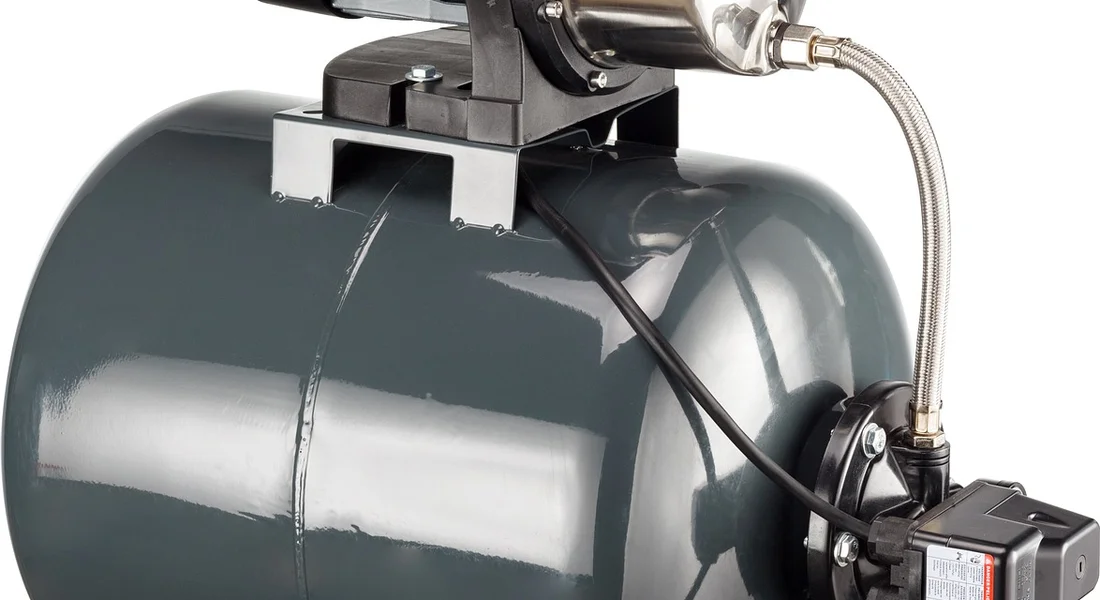
You need the right gear for this job. Going in with just a standard wrench is a good way to get stuck, frustrated, or hurt. Here is your non-negotiable toolkit.
The Essential Tool List
Gather these items before you shut off the power and disconnect a single wire.
- Pump Puller, Winch, or Hoist: This is your main lifting device. A dedicated pump puller is best.
- Two Pipe Wrenches: You need one to hold the pipe, and the other to turn the fitting. 18-inch wrenches are a good standard.
- Torque Wrench: Critical for reassembly. You must tighten the pump-to-pipe connections to the manufacturer’s specification.
- Multimeter: For verifying power is off and checking motor windings for shorts or opens after the pump is out.
- Electrical Tape and Wire Nuts: For safely capping and marking wires during disassembly.
- Penetrating Oil: Apply this to all threaded connections the day before you start. It makes breaking decades-old pipe joints possible.
What is a Pump Puller and Why is it Critical?
A pump puller is a tool designed to lift a submersible pump and its long string of pipe straight up and out of the well casing. Think of it as a portable crane that clamps onto your well seal or casing to provide a stable, mechanical lifting point. You attach your pulling rope or cable to its winch.
It’s critical because a deep well pump assembly is incredibly heavy. You’re not just lifting the 15-pound pump. You’re lifting the pump, plus perhaps 200 feet of water-filled pipe, plus the weight of the water inside that pipe, plus the cable. This can easily exceed 300 pounds. Lifting that dead weight vertically, foot by foot, without dropping it is a two-person job at minimum without the right tool. A proper puller provides the control and safety to do it alone.
The “Pull It By Hand” Myth
Can you pull a well pump by hand? Almost never. The only possible exception is a pump in a very shallow, large-diameter pitless adapter setup, sometimes called a “pitless unit” in an old well house. Even then, it’s a risk that you should be aware of, especially when debunking well water pump myths.
Attempting to manhandle a deep well pump by hand is a great way to damage the well casing, drop the pump, or cause a serious back injury. The pipe can also snap under the uneven stress. If your pump is more than 50 feet down, this isn’t a debate. You need mechanical assistance.
Renting a Puller vs. Hiring a Pro
You have two practical paths if you don’t own a puller: rent the tool, or hire the technician.
Renting a puller from an equipment rental yard can cost between $50 to $100 per day. You need a vehicle capable of transporting it, the know-how to set it up safely over your well, and a helper. This is a cost-effective choice if you’re confident in the mechanical process and your well access is straightforward.
Hiring a professional who has the tool on their truck is often the smarter choice. You’re paying for their experience, their insurance, and the guarantee the job won’t end with your pump at the bottom of the well. For a complex pull or if you have any doubt about the condition of the pipe, starting with a pro can save money and disaster in the long run.
How to Pull the Submersible Pump from the Well Casing
Pulling a pump is a big job. You need the right tools and a healthy respect for the weight you’re dealing with. Think of the weight of a small car hanging on a pipe hundreds of feet long. That’s your starting point. I’ve used a truck and an A-frame hoist for my own well, and both times I was glad I didn’t try to muscle it by hand.
Start at the Wellhead
Your first task is to expose the top of the drop pipe. Locate your well cap or seal. This is the finished-looking cover at ground level or on the well casing. Remove any bolts or set screws. Some well caps are threaded on; you might need a large pipe wrench. Before you remove the cap, shut off power to the pump at the breaker and use a multimeter to verify it’s dead. This is especially important if you’re working on problem areas as outlined in well pump troubleshooting guides.
With the cap off, you’ll see the drop pipe (usually black polyethylene or galvanized steel), the electrical cable, and possibly a safety rope. Everything below that cap is your suspended pump system.
Disconnect and Support the Drop Pipe
At the wellhead, you’ll find a fitting connecting the drop pipe to the horizontal pipe running to your pressure tank. This is often a pitless adapter or a simple brass tee. Disconnect the union or coupling here.
As soon as the pipe is disconnected, the full weight of the pump, water, and pipe is hanging by the threads of the pitless adapter or the pipe itself. You must support this weight immediately. Do not let it hang unsupported for long. This is where your hoist or puller setup comes in.
- Secure a lifting clamp or a properly-rated pipe vise to the drop pipe, just above the well casing.
- Connect your hoist cable or chain to this clamp.
- Take up the slack until the hoist is supporting the weight.
- Now you can safely unscrew the drop pipe from the pitless adapter or fitting.
Using a Puller or Hoist System
How do you pull a deep well pump? You don’t pull it. You lift it, foot by foot, in a controlled manner. A proper hoist system is non-negotiable for anything deeper than about 50 feet. With submersible well pumps, depth, flow, and pressure all shape the approach. Understanding how depth affects flow and pressure helps guide the choice of equipment.
- For a truck: Back a pickup or a vehicle with a sturdy bumper over the well. Use a strong bar (like a tow bar) across the bed or bumper to act as a pulley point. Run a strong rope or cable through a snatch block (pulley) attached to this bar, then down to your lifting clamp on the pipe.
- For an A-frame hoist or tripod: Set it up directly over the well. These are more stable and safer for deep wells. The winch does the lifting work for you.
The process is repetitive: Lift 5-10 feet of pipe, clamp it with a second pipe vise to hold the weight, lower the hoist, move your lifting clamp up, and repeat.
A Critical Warning on Weight
That black poly pipe might look light. It is not. A 200-foot run of 1-inch poly pipe can weigh over 40 pounds empty. Now fill it with water-that adds over 85 pounds. Add the pump (20-50 lbs) and the wire, and you’re lifting 150+ pounds from a deep, awkward hole. The torque and stress on the pipe are immense. A standard engine hoist or a branch tied to a truck is a recipe for a dropped pump and a ruined well.
Managing the Electrical Cable
The electrical cable is your pump’s lifeline. Damage it, and your repair cost just doubled. Never use the cable to support any weight.
- As you pull each section of pipe, have a helper gently guide the cable, keeping it from pinching or kinking.
- Every 20 feet or so, use electrical tape or zip-ties to loosely secure the cable to the pipe. This prevents it from dangling and getting caught.
- Lay the pulled pipe and attached cable straight on the ground. Coiling or bending it sharply can damage the internal wires and insulation.
When you finally see the pump, you’ll understand why you did all this. The motor is heavy, the intake is clogged, or the check valve has failed. Now you can fix it.
Breaking Down the Pump Assembly on Solid Ground
You have a dirty, heavy pump on your workbench. The last thing you want is grit from the well falling into its guts while you work. Start by cleaning the outside. A clean exterior is your first defense against contaminating the pump’s sensitive internal components during disassembly.
Guide on Cleaning the Unit First
Grab a hose and a stiff brush. Rinse off all the mud, silt, and mineral deposits from the pump casing. Pay special attention to the area where the motor connects to the pump bowl; caked-on grime here will make bolt removal difficult. Let it dry completely, or wipe it down with clean rags. The unit from my last service call was so dirty I had to scrape the mating surface with a plastic putty knife just to see the bolt heads.
How to Separate the Motor from the Pump Bowl
The motor and the pump bowl (or impeller housing) are two distinct pieces bolted together. Your goal is to split this assembly cleanly. Place the pump securely in a vise, using soft jaws or wood blocks to avoid crushing the casing. The motor is usually the lower, cylindrical section. The pump bowl, containing the impellers and diffusers, sits on top of it.
The Specific Fasteners and Careful Loosening
The two halves are held together by long through-bolts, typically with hex heads. You’ll need a correct-size socket or box-end wrench. Do not remove these bolts one at a time; you must loosen them all gradually and evenly in a star pattern.
- Break the torque on each bolt by turning it about a quarter-turn.
- Move to the bolt opposite it and do the same.
- Continue this star pattern until all bolts are loose.
- Only then should you fully unscrew and remove the bolts.
This prevents the housing from warping or binding, which can damage the flange. An uneven pull can crack the cast iron or stainless steel.
Caution About Internal Seals and O-Rings
As you gently separate the two halves, you will feel resistance. That’s the main shaft seal. Internal seals and O-rings are critical for preventing leaks and maintaining pressure, and disassembly will almost always damage them. Have a complete seal kit ready for reassembly. When the halves come apart, note the orientation of all parts. The motor shaft will slide out of the seal carrier in the pump bowl. Lay everything out in order on a clean towel. Do not force anything apart; if it’s stuck, tap gently around the flange with a rubber mallet.
Inspecting the Heart: Impellers, Diffusers, and Seals
Once the outer pump housing is off, you’re looking at the pump’s core. This is a vertical stack of alternating plates: the impellers (the spinning fans) and the diffusers (the stationary guides that direct water). They look like a pile of plastic or brass donuts.
You need to remove the motor shaft locknut to get this stack apart, and a strap wrench is your best friend here. Hold the top of the shaft firmly with one wrench and turn the locknut counterclockwise with another. Don’t use pliers directly on the stainless steel shaft, you’ll scar it. Once the nut is off, you can carefully lift off each impeller and diffuser, keeping them in perfect order on your workbench.
Spotting Wear: Cracking, Erosion, and Sand Scoring
Look at each piece under good light. You’re checking for three main types of failure.
- Cracking: Obvious splits, especially on the outer rim or the center hub of an impeller. This often happens from age, heat, or water hammer.
- Erosion: The smooth surfaces look pitted or roughened, like they’ve been sandblasted. This is from normal wear over years.
- Sand Scoring: This is the big one. You’ll see distinct grooves or channels carved into the plastic. Run your fingernail across the surface; if it catches, that’s sand damage. It means your well is pumping abrasive sediment, and those grooves destroy pumping efficiency.
Any significant scoring or cracking means the part is junk and needs replacing. A little surface erosion might be okay, but when in doubt, swap it out. These parts are sold in matched sets for a reason.
Checking and Replacing Pump Seals
With the stack disassembled, you can now see the seal assembly, usually located right above the top impeller or in the seal plate. It’s a ceramic and carbon ring pair that keeps water out of the motor.
Pull the old seals out. The ceramic face should be glass-smooth. The carbon face should be flat and even. If either is chipped, cracked, or worn unevenly, they’ve failed.
Never replace just one half of the seal; always install a complete pump seal kit. The faces are lapped together at the factory as a matched set. A new ceramic ring against an old, worn carbon ring will leak immediately. The kit will include all the O-rings and gaskets for the seal housing, too. Lubricate every rubber part with a pure silicone grease before installation.
The Critical Nature of Reassembly Order
Putting this stack back together wrong will give you a pump with zero pressure. It’s that simple.
Diffusers and impellers must go back in the exact reverse order they came out. The diffusers often have a specific top and bottom, marked by a taper or a rib. They only fit one way. The impellers slide onto the shaft, each one followed by its matching diffuser.
As you rebuild, spin the shaft by hand after adding every couple of stages. It should turn freely. If it binds, something is out of order or misaligned. Don’t force it. Take it apart and find the mistake. The final step is torquing the motor shaft locknut back down securely to hold the entire stack under compression.
Checking the Motor and Electrical Connections
With the pump on your workbench, you can get a good look at the motor end. The most common failures here are electrical. Your inspection starts with a simple visual check before you even think about tools. This method is part of a broader sump pump inspection maintenance guide, which offers a complete checklist for reliable operation. For more guidance and step-by-step tips, the sump pump inspection maintenance guide can be a helpful reference.
Explain how to inspect motor windings for burns or damage (often a job for a motor shop).
First, remove the motor end cap. You’ll see the copper windings inside. You’re looking for obvious, catastrophic damage. Scorch marks, melted wire insulation, or a distinct burnt smell mean the motor has shorted. This is a clear sign it’s toast.
If the windings look blackened or smell burnt, the motor is almost certainly finished and needs replacement.
Sometimes, damage is less visible. The windings might look okay, but the motor still won’t run. This could be a turn-to-turn short inside the winding. You can’t see this with your eyes. Diagnosing this requires a motor shop with a megohmmeter (megger) to test insulation breakdown. For a homeowner, sending a submersible motor out for rewinding is rarely cost-effective compared to buying a new one.
Detail checking the splice kit and cable for cracks, corrosion, or water intrusion.
Water is the enemy. The splice kit-that bulky connector joining the pump wires to your long drop cable-is a major failure point. Inspect it closely. The plastic housing should be intact with no cracks. Check where the cables enter the kit for any splitting.
Open the splice kit if possible. Inside, you should see clean, wire-nut or crimp connections coated in a thick dielectric grease. If you see white or green corrosion, or worse, water and silt, that’s your problem. Water intrusion here will travel down the cable and kill the motor.
Any sign of moisture or corrosion inside the splice kit means the entire cable and splice need to be replaced.
Follow the cable from the pump up several feet. Look for any nicks, cuts, or abrasions in the jacket. A tiny puncture can let in enough water over time to cause a failure.
Guide on using a multimeter to check resistance (ohms) if comfortable.
If you have a multimeter and know how to use it safely, you can perform a basic resistance test. This checks for open or shorted windings. First, ensure the pump is completely disconnected from any power source.
Set your multimeter to the ohms (Ω) setting. Identify the three wires from the motor (typically black, red, and yellow). You’ll test between each pair:
- Touch one probe to the black wire, the other to the red. Note the reading.
- Touch one probe to the black wire, the other to the yellow. Note the reading.
- Touch one probe to the red wire, the other to the yellow. Note the reading.
All three readings should be low, stable, and very close to the same value (often between 1 and 5 ohms for many 240V motors). If any reading is “OL” (open line/infinity), that winding is broken inside the motor. If any reading is zero or significantly lower than the others, it indicates an internal short. In either case, the motor has failed.
Also, check for a short to ground. Set the meter to a higher ohms scale. Touch one probe to the bare metal motor housing. Touch the other probe to each power wire (black, red, yellow). Each reading should be “OL.” Any low reading means the motor is grounded and unsafe.
State that a failed motor is usually a replace, not repair, item for a homeowner.
Let’s be practical. A new submersible pump motor is a sealed unit designed to work underwater at high pressure. It’s not like rebuilding a lawnmower engine. While specialized motor shops exist, the cost to rewind a motor, re-pressureize it, and guarantee the work often approaches or exceeds the price of a brand-new pump.
For a homeowner, replacing the entire pump or pump motor end is almost always the smarter, more reliable choice. It comes with a new warranty and you know the seals are fresh. On my own projects, I only consider motor repair for rare, large-horsepower commercial pumps. For a home well, new is the way to go.
The Final Check: Valves and Reassembly
Before you put the pump back together, you need to check the valves. A bad check valve is a common reason a pump fails to build pressure or loses its prime. Missing this can mean doing the whole job twice.
Testing the Built-In Check Valve
On most submersible pumps, the check valve is built right into the discharge, right where the water leaves the pump head. It’s a small, one-way valve inside a fitting. Its job is to stop water from flowing back down the well when the pump shuts off. In deep-well setups, the valve’s placement matters for reliable operation. Proper placement helps the system maintain prime and smooth deep-well function.
To test it, you need to see if it holds pressure one way and lets air flow the other. Here’s how.
- Find the pump discharge. It’s the threaded port, usually 1 inch or bigger, on the top or side of the pump head.
- Look inside. You should see a plastic or brass seat and a small spring. That’s the check valve assembly.
- Blow air into the discharge port. You should not be able to blow air through it. If you can, the valve is stuck open or broken.
- Now, try to suck air out of the port. You should be able to draw air through easily. If you can’t, the valve is stuck closed.
If the check valve fails either test, replace the entire discharge fitting or the valve insert before you reassemble anything. You can buy these parts separately. I always keep a spare on my truck.
Understanding the Foot Valve
The foot valve is a different part. It’s not on the pump. It’s a one-way valve installed at the very bottom of the drop pipe, down in the well. Its job is to keep the drop pipe full of water so the pump doesn’t have to re-prime itself every time it starts.
Since you’ve only pulled the pump, you haven’t touched the foot valve. A failed foot valve causes symptoms like slow pressure recovery or the pump short cycling (turning on and off rapidly).
If your problem points to a foot valve failure, you have to pull the entire drop pipe to replace it, which is a much bigger job. For now, focus on the pump in front of you. Just know that if problems persist after your repair, the foot valve is the next suspect.
Reassembly: Working Backwards
Reassembly is just your disassembly steps in reverse order. Doing it right prevents leaks and motor damage.
- Start with a clean work surface. Wipe all mating surfaces free of old grit and sealant.
- Always use new O-rings. Lightly coat them with a silicone-based lubricant made for potable water. Never use petroleum jelly. A dry O-ring will twist and fail during tightening.
- If your pump has a diffuser or bowl stack, reassemble it exactly as it came apart. Misaligned bowls will destroy the pump in minutes.
- Hand-tighten all threaded connections first. This prevents cross-threading. For metal threads, use a proper pipe thread sealant. For plastic threads, a sealant tape or a non-hardening paste works.
- Use your wrenches to finish tightening. Be firm but careful, especially on plastic parts. Over-tightening cracks housings.
- Reconnect the motor leads. Make sure the wire nuts are tight and the waterproofing sleeve or gel cap is properly seated. A leak here kills the motor instantly.
- Before you even think about lowering the pump back into the well, give the shaft a spin by hand. It should turn freely without any grinding or catching. If it doesn’t, stop. Something is assembled wrong inside.
Torque Specs and The Red Flag Troubleshooting Guide
Getting the pump housing sealed correctly is non-negotiable. Overtightening bolts can crack the housing or strip threads. Under-tightening leads to leaks that can destroy the motor.
General Torque Guidelines for Pump Housing Bolts
Your pump’s manual is the final authority. If you don’t have it, search the model number online. Torque specs vary widely by pump material and bolt size.
As a general rule of thumb for common steel bolts on a standard pump:
- 1/4-inch bolts: 5 to 8 ft-lbs (foot-pounds). This is often just snug plus a slight turn.
- 5/16-inch bolts: 10 to 15 ft-lbs.
- 3/8-inch bolts: 15 to 25 ft-lbs.
Always use a crisscross pattern when tightening multiple bolts, just like lug nuts on a car tire, to ensure an even seal. Finger-tighten all bolts first, then make two or three passes with the torque wrench, increasing a little each time until you reach the specified value.
Five Red Flags: When to Stop and Call a Pro
Disassembly is one thing. Finding certain problems means your DIY job is over. Here’s when to put the tools down.
- Motor Tests Bad: If you use a multimeter and get an open circuit or a direct short to ground reading, the motor is finished. Rewinding or repairing a submersible motor is specialized work.
- Heavy Sand or Grit in the Pump Stages: A little sediment is normal. Finding the impellers packed solid with sand means your well is sanding in. This will quickly destroy a new pump. A pro needs to assess the well itself.
- Cracked Housing or Discharge Head: A visible crack, especially near threaded ports, is a death sentence. Plastic housings can become brittle. This part cannot be repaired safely.
- Severe Wire or Cable Damage: If the pump cable insulation is cracked, brittle, or shows copper near the motor connection, it’s a major electrical hazard. Splicing submersible cable requires a waterproof kit and specific tools.
- You Feel Unsure or Overwhelmed: This is the most important red flag. Pulling and servicing a deep well pump is heavy, messy, and technical. There’s no shame in calling for backup.
Pump System Maintenance Schedule
Regular checks catch small problems before you need a full disassembly. This schedule is based on what I do in my own home.
- Annual Check: Test your pressure tank’s air charge with a tire gauge. The air pressure must be set to 2 PSI below the pump’s cut-in pressure. Also, listen for short-cycling when water is used.
- Every 3-5 Years: Have a licensed well contractor pull the pump for a full inspection. They can check motor amperage, inspect all components, and clean the well screen. Think of it like a major service for your car.
- Immediate Attention: Any sudden loss of water pressure, sputtering air from faucets, or persistent dirty/sandy water. These are symptoms of a failing pump, a stuck check valve, or well issues.
Quick Answers
What are the absolute must-have tools for this job?
Beyond wrenches, you must have a proper lifting hoist, a torque wrench for reassembly, and a complete seal/O-ring kit. Trying to reuse old seals or guess at fastener tightness is a guaranteed path to a quick failure and another pull. A multimeter for verifying power is off and checking the motor is also non-negotiable.
What’s the single biggest reassembly mistake?
Forcing the impeller and diffuser stack together in the wrong order or orientation. They must go back exactly as they came out, and the shaft must spin freely by hand after assembly. The other critical error is using old, dry O-rings or forgetting to lubricate new ones with potable-water-safe silicone grease.
How can I quickly tell if the pump is worth repairing?
First, inspect the intake and impellers for severe sand scoring or cracking-this often means the well itself is problematic. Second, check the motor windings for visible burns or a charred smell. Finally, look for housing cracks or corroded electrical splices. Any one of these major issues can make a full replacement the smarter choice.
What should I double-check before lowering the pump back in?
Confirm all electrical connections are tight, waterproof, and the wires are secured to the pipe. Spin the pump shaft by hand one last time to ensure it rotates smoothly without binding. Visually verify that the check valve in the discharge is functioning correctly before you make the final connection at the wellhead. This step is crucial, especially when you replace a well pump.
Is there a safe way to test the pump before it goes down the well?
Yes, but only with extreme caution and prepared to shut it off instantly. You can temporarily connect it to power above ground to see if it runs and builds pressure, directing the discharge into a bucket. This “bench test” can confirm a successful repair, but you must ensure the motor is cool and never let it run dry for more than a few seconds.
Putting the Knowledge to Work
Your main job is to listen to your pump and system for any change in performance, as that’s the best early warning sign you will get. For any internal motor or complex electrical repair, calling a licensed professional is almost always the smarter, safer choice for a deep well pump. Regular inspection and maintenance of valves are also crucial for overall system health.
Bob McArthur
Bob is a an HVAC and plumbing industry veteran. He has professionally helped homeowners resolve issues around water softeners, heaters and all things related to water systems and plumbing around their homes. His trusted advice has helped countless of his clients save time, money and effort in home water systems maintenance and he now here to help you and give you first hand actionable advice. In his spare time, Bob also reviews home water systems such as tankless heaters, water softeners etc and helps home owners make the best choice for their dwelling. He lives around the Detroit area and occasionally consults on residential and commercial projects. Feel free to reach out to him via the contact us form.