Clean and Repair Your Sump Pump Float Switch: Stop Basement Floods Now
Your sump pump’s float switch is its brain. If it’s dirty or stuck, your basement is one heavy rain away from a major flood.
We’ll walk you through how to safely clean the switch, fix common mechanical failures, and test it for reliable operation.
I’ve pulled and repaired hundreds of these switches on service calls. Skip the panic and just clean the thing first it fixes most problems.
How Your Sump Pump Float Switch Works (And Why It’s the Brains of the Operation)
Think of your float switch as the pump’s on and off command. Its job is simple. Water rises in the pit. The float rises with it. At a set height, a mechanical or electrical switch inside is triggered. This click sends power to the pump motor, starting the cycle. If the float level isn’t set right, the pump can start too soon or miss a flood. Adjusting sump pump float levels can help fine-tune when the cycle begins, and we’ll cover how to do that in the next steps.
You already have one of these in your house. The principle is identical to the flush valve in your toilet tank: the float ball rises with the water level and shuts off the fill valve. Your sump pump float switch does the opposite, turning the pump on.
Do all sump pumps have a float? Most submersible pumps use a buoyant float switch. Some pedestal pumps and newer models use a different sensor, like a pressure switch or a digital water sensor, but the function is the same. For this guide, we’re talking about the classic float. Sump pumps come in different work types—submersible and pedestal—each with its own sensing method. Understanding these work types helps explain how the float or alternative sensors control operation and shutoff.
The system has three main parts you need to know:
- The Float: This is the buoyant bulb or capsule, usually made of plastic or foam. It’s what you see bobbing in the water.
- The Rod or Tether: This connects the float to the switch body. On a vertical float switch, it’s a rigid rod. On a tethered float switch, it’s a cord.
- The Switch Mechanism: This is the sealed electrical unit. When the float reaches its activation point, it physically flips a lever or magnetically triggers a relay inside this unit to complete the circuit.
The 4 Red Flags of a Failing Float Switch
Don’t wait for a flooded basement to check your float. Here are the four main signs it’s starting to fail. Treat this as your diagnostic checklist.
Your Pump Runs Non-Stop or Cycles Too Often
If the pump runs constantly or kicks on every few minutes without a storm, your float is likely stuck. Debris in the pit can pin the float in the ‘up’ position. The float rod can also get hung up on the pump cord or discharge pipe. A pump that cycles constantly is telling you the switch isn’t dropping back to its off position, which will burn out the motor fast.
Your Pump Won’t Turn On When It Should
This is the scariest sign. You see water in the pit, but the pump is silent. First, check the obvious: is the pump plugged in and is the circuit breaker on? If power is good, the problem is likely at the float. The float could be stuck at the bottom of the pit by mud or a snagged tether. The internal switch contacts could also be corroded and unable to send the start signal.
You Hear the Click But the Pump Doesn’t Start
This one isolates the problem perfectly. You hear the distinct ‘click’ from the switch assembly, but the pump motor doesn’t hum to life. That click confirms the float is moving the mechanical actuator, but the electrical contacts inside the switch have failed. They are not passing power to the pump. This is a key sign you need to replace the entire switch assembly, not just clean the float.
Visible Damage or Corrosion on the Float or Cord
Get a flashlight and look. Is the float cracked or filled with water? A waterlogged float won’t rise properly. Check the power cord for bites from rodents or cracks in the insulation. Look for heavy green or white corrosion on the switch housing or connection points. Any visible damage is a failure point waiting to happen. You need to replace damaged components immediately.
Repair or Replace? Making the Right Call for Your Float Switch
So, can you repair a sump pump float switch? The real answer is sometimes. Your decision comes down to two things: the problem’s cause and your switch’s type. Follow this logic. Understanding common sump pump failure causes—such as clogs, stuck or worn float switches, and power issues—helps you judge repair feasibility. This context will guide the next steps.
Always unplug the pump before you touch anything. This is non-negotiable.
- Is the float physically stuck, tangled, or just dirty? You can clean and repair it.
- Is the float itself broken, full of water, or the switch makes no sound? You must replace the whole assembly.
- Is it a basic tether float or a vertical float rod? These are often serviceable.
- Is it a small, sealed electronic switch or a pressure sensor? You replace these, you don’t fix them.
The rule from my service van is simple: if the plastic float bulb or the switch housing is compromised, the part is trash. Trying to patch a cracked float is like using tape on a burst pipe, it might hold for a minute but it will fail when you need it most.
When a Simple Cleaning and Adjustment Will Fix It
Most “broken” float switches I see on service calls just need a little help. They’re not broken, they’re blocked or out of position. These are the problems you can fix.
- Debris Obstruction: Dirt, gravel, or even a kid’s toy can jam the float against the pit wall. Clear everything away from the float’s path.
- Tangled Tether: The cord on a tether float can wrap around the pump or discharge pipe. Untangle it so the float can rise and fall freely.
- Misaligned Float Rod: The vertical rod on these models can get bent. Gently straighten it so the float slides up and down without binding.
After fixing any of these, manually lift the float. You should hear a distinct *click* when it reaches the turn-on point. Let it drop and listen for another *click* when it shuts off. If it clicks cleanly, your repair worked. Plug the pump back in and pour a bucket of water into the pit to test the full cycle. These checks are part of the submersible pump not working troubleshooting process. In the next steps, you’ll find a guide for deeper troubleshooting.
When You Need a New Float Switch Assembly
Some damage means the part is finished. You replace the entire float switch assembly when you see any of these four signs. Do not waste time trying to resurrect these.
- Water Inside a Sealed Float: Shake the plastic float bulb. If you hear water sloshing inside, it’s no longer buoyant and won’t rise properly. It’s dead.
- Cracked or Split Housing: Any visible crack in the float or the switch body is a direct path for water and an immediate failure.
- No Click from the Switch: You manually lift the float through its full range and hear no electrical click at all. The internal mechanism has failed.
- Heavy Corrosion on Contacts or Wires: Crusty, green corrosion eating away at the wire connections or the switch itself is a sign of permanent electrical damage.
Repairing the tiny, sealed electrical switch inside the plastic housing is not a do-it-yourself job. These are factory-sealed units meant to be replaced as one piece. They cost between $15 and $40. It’s cheaper than a flooded basement. Match the type (tether, vertical, electronic) and voltage to your old one, disconnect the wires, and install the new unit following the manufacturer’s diagram.
Your Float Switch Repair Toolkit and Safety Must-Dos
This is not a guessing game. To clean or replace a float switch, you need the right gear and a strict focus on safety. Water and electricity are a deadly mix, so we treat this with zero shortcuts. If you’re moving from diagnosis to action, the next steps cover installing a water tank float switch. This will help automate shutoff and improve safety.
The Tools & Parts You’ll Need
Get everything together before you open the pit. There’s nothing worse than being elbow-deep in water and realizing you’re missing a part.
- A 5-gallon bucket. For bailing out the pit and holding parts.
- Clean rags or shop towels. For drying your hands and components.
- White vinegar or a mild, non-foaming cleaner. Vinegar dissolves mineral gunk without damaging plastic or metal parts.
- Flathead and Phillips screwdrivers. Most switch covers and mounting brackets are held with simple screws.
- A replacement float switch (if needed). Know your pump model. A tether float is different than a vertical float.
- Wire nuts and electrical tape. For re-securing any wire connections you open.
- A non-contact voltage tester. This is your final, critical check that power is truly off.
Before you buy a new switch, pull the old one out and look for a model number. Matching it exactly saves a trip back to the store.
Non-Negotiable Safety Steps Before You Start
Follow these steps in order. Do not skip the last one.
- UNPLUG the primary sump pump from the wall outlet. Follow the cord with your hand to be sure.
- Unplug the backup pump or battery backup unit if you have one. Many basements flood because someone forgot the secondary system was still live.
- Confirm power is off with your voltage tester. Test at the pump’s power cord plug and at the float switch wires inside the control box if accessible. The tester should not beep or light up.
- Have a dry towel and your bucket ready right at the pit’s edge. You need dry hands for electrical work and a place to put a wet, dirty switch.
If your pump is hardwired directly into your home’s electrical system, stop. You need to shut off the correct circuit breaker at your main panel and verify it’s dead with your tester. If you’re not comfortable with this, call a professional.
The Step-by-Step Guide to Cleaning and Repairing Your Float Switch
Think of your float switch as the brain of your sump pump. It tells the pump when to start and stop. A dirty or stuck switch means a brain that can’t think, and that leads to a wet basement. Follow this guide to get it working right.
Step 1: Power Down and Access the Pit
Always unplug the sump pump from the wall outlet before you touch anything. If it’s hardwired, you must flip the correct circuit breaker in your main panel. Use a voltage tester on the pump’s power cord to double-check it’s dead. For proper maintenance, disconnect the unit safely before any inspection or cleaning. This simple step keeps you protected during upkeep. Safety is non-negotiable.
Remove the pit cover carefully. It might be heavy or just a lid. Set it aside and use a flashlight to get a good look inside. You’re looking for the float mechanism attached to the pump or the pit wall.
Step 2: Identify Your Float Switch Type and Disconnect It
You’ll likely see one of three common types. Identifying yours is key.
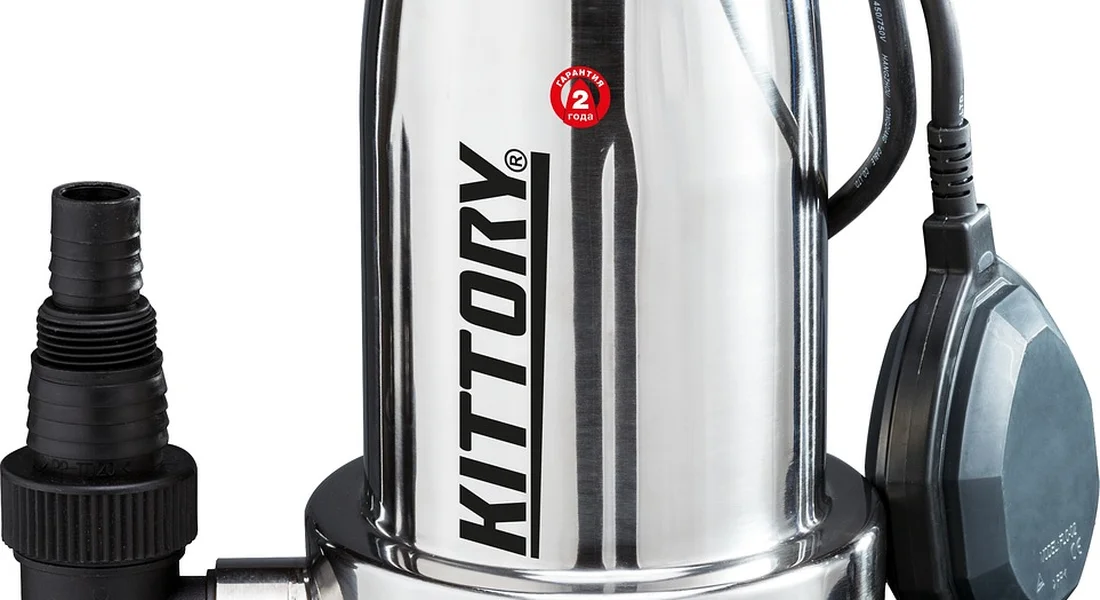
- Tethered Float: This looks like a plastic ball or oblong buoy on a short cable. It’s attached to the pump and floats on the water’s surface.
- Vertical Float: This is a float that slides up and down on a fixed vertical rod mounted near the pump.
- Electronic Switch: This has no moving float. It’s a small, sealed box or probe that senses water level electronically.
For tethered and vertical floats, trace the wires from the switch back to the pump or a junction. You’ll usually find a plug you can simply unclip. If it’s wired directly, you’ll see two wires (often black and white) connected with wire nuts. Unscrew the wire nuts to disconnect.
Step 3: The Deep Clean – Freeing a Stuck Float
Dirt, sludge, and hard water minerals are the enemy. For tethered floats, wipe down the entire float ball and its cable with a rag. For vertical floats, slide the float cup off its rod and clean both parts.
Scrub any visible gunk from the pit walls where the float travels. A stiff brush works well. If the float or rod is crusted with white mineral scale, soak it in a bucket of white vinegar for 20 minutes. The vinegar dissolves the scale without harsh chemicals.
This simple cleaning fixes most “stuck float” problems you’ll encounter on a service call.
Step 4: Inspection and Mechanical Repair
Now, inspect what you’ve cleaned. Fill a bucket with water and drop the float in. It should bob to the top easily. If it sinks or sits low, it has water inside and needs replacement.
Check the movement. A tethered float should swing freely. A vertical float should slide smoothly on its rod without catching. If the tether length is wrong, adjust the clip so the float activates the pump about 8-10 inches off the pit bottom. For a vertical float, adjust the set-screw on the float cup to change the activation height.
Before reconnecting, manually move the switch arm or trigger. You should feel a firm, definite click. If it feels mushy or makes no sound, the internal switch is likely failed. You can buy a replacement switch assembly for most models.
Step 5: Reconnection and the All-Important Test
Reconnect the wires exactly as they were. Match the colors if possible. Secure them tightly with wire nuts. If you had a plug, snap it back in.
The real test is with water, not just by flipping a switch. Plug the pump back in or restore power. Slowly pour about 5 gallons of water into the sump pit. Watch the float. It should rise smoothly with the water level until you hear the switch click and the pump kicks on. The pump should drain the pit and shut off automatically as the float falls. Regular testing is crucial to ensure it’s reliable when you really need it.
If it works, you’re done. Replace the cover. If the pump doesn’t start, you have an electrical issue or a bad pump. If it doesn’t stop, the switch isn’t deactivating and needs replacement. This test never lies.
Keeping Your Float Switch Happy: Annual Maintenance Tips
Fixing a stuck float is good. Never having it stick is better. The goal is to stop problems before they start. This isn’t about complicated routines. It’s about a few simple, scheduled checks that take minutes but save you from thousands in water damage. Think of it like changing your furnace filter. You do it so the system doesn’t fail when you need it most.
Your Quarterly 30-Second Test
Mark your calendar for every three months. I do mine on the weekends when the clocks change. This test confirms the switch and pump will actually work when water rises.
Here is how you do it:
- Locate the float. Find the plastic ball or cup attached to a rod.
- Gently lift it straight up by hand. This simulates the water level rising.
You should hear two distinct sounds in order. First, a solid CLICK from the switch turning on. A second later, the pump motor should hum or vibrate as it starts. Hold the float up for five seconds, then lower it. The pump should shut off.
If you hear a click but no pump hum, your pump has failed. If you hear nothing at all, the float switch is dead. This simple test tells you everything is connected and functional. It’s the best early warning system you have.
Your Annual Pit Cleaning Day
Once a year, you need to get your hands dirty. Pick a dry day, ideally before the heavy spring rains or fall storms hit. This is a 20-minute job that prevents 90% of sump pump failures. For a thorough, step-by-step checklist, consult a sump pump inspection maintenance guide. It will walk you through the full procedure.
Follow these steps in order for safety and thoroughness:
- Unplug the pump from the wall outlet. This is non-negotiable. You are working with water and electricity.
- Remove the sump pit cover. Be ready for a damp, musty smell.
- Scoop out any debris. Use a small garden trowel or your hands (with gloves). You’re looking for gravel, silt, and small stones that settled at the bottom.
- Check the small inlet hole in the pit liner. Make sure it’s not clogged with mud.
- Inspect the discharge pipe where it leaves the pit. Ensure it’s firmly attached and hasn’t been knocked loose.
- Now, visually inspect the float switch and cord. Manually move the float through its full range. It should move freely without catching on the pit wall or the pump cord. Look for any cracks in the float ball itself.
- While you’re in there, wipe down the pump casing and the float rod with a damp rag to remove any grimy buildup.
This annual cleaning prevents debris from jamming the float or clogging the pump impeller. I found a child’s Lego brick in my neighbor’s pit once. It was wedged under the float, keeping it permanently raised and burning out the pump motor. A quick clean-out would have caught it.
After cleaning, plug the pump back in and perform the quarterly float test. You have now completed a full system check. You can rest easier knowing your basement’s first line of defense is ready for work.
The DIY vs. Pro Verdict: When to Call a Plumber
Fixing a float switch is often a simple job. But knowing your limits prevents a small problem from flooding your basement and your wallet. Here’s where to draw the line.
I rate cleaning a jammed switch a 3 out of 10 on the difficulty scale. It’s mostly about clearing gunk and testing. Replacing a basic tethered switch is a 5 out of 10. The complexity jumps to a 7 or 8 if you’re dealing with internal vertical switch wiring or any electrical work that makes you pause.
The line for calling a pro is drawn at electrical safety and diagnosing the pump itself. If you see damaged wires or the pump won’t run, your troubleshooting is over. It’s time for an expert.
You Can Likely Handle This If…
You have the right tools and a methodical approach. This means a bucket, rags, maybe a small brush, and a multimeter to test for power.
- The problem is visible debris. You see a leaf, silt, or a small rock jamming the float’s path. Scoop it out, wipe the float and rod clean, and manually flip the switch a few times.
- The float arm is simply stuck against the pit wall or discharge pipe. Gently reposition it so it moves freely through its full arc.
- You are plugging in a new tethered switch. These are the easiest. You unplug the old one from the pump’s outlet and plug in the new one. Then you set the correct float height by adjusting the tether length. I keep a spare tethered switch on my basement shelf for this exact reason.
For these jobs, your main risk is getting dirty, not getting shocked or causing a flood. Always unplug the pump first, and test that it works by pouring water into the pit after you’re done.
Call a Licensed Professional If…
Electrical and water are a dangerous mix. A licensed plumber or electrician has the insurance, tools, and knowledge you don’t.
- You are uncomfortable with electrical wiring. If the thought of opening the pump’s wiring junction box makes you nervous, stop. This is your sign.
- The pump itself is failing when the switch clicks. You hear the switch activate but the pump doesn’t hum or move water. This points to a motor or impeller issue, not the switch. It’s a pump repair job.
- The wiring in the junction box looks corroded, frayed, or the wire nuts are brittle. Corrosion means moisture has gotten in. A pro needs to replace the components and likely the seal to make it safe again.
- You have a complex dual-switch or battery backup system. These have extra controls and often involve separate high-water alarm switches. Messing with the wiring here can disable your entire backup safety net.
Paying a pro for an hour of labor is cheaper than a flooded basement or a hospital visit. When I see corroded wires in a client’s pit, I replace the entire cord and seal. It’s not a place for temporary fixes.
Quick Answers
How much does a new float switch cost, and is it worth just replacing the whole unit?
A basic replacement switch assembly typically costs between $15 and $40. Given the critical job it does, replacing a faulty switch is always worth the small investment compared to the cost of a flooded basement. I recommend keeping a compatible spare on your shelf for a quick swap during a storm.
What’s the typical lifespan of a float switch, and how can I extend it?
With proper annual cleaning, a good-quality float switch should last 3 to 5 years. You extend its life by keeping the pit free of debris that can jam it and by performing the simple quarterly manual test to ensure it’s operating smoothly and not straining.
Are float switches universal, or do I need an exact match for my pump?
They are not universal. You must match the type (tethered, vertical, electronic) and the voltage/amperage rating. Always pull your old switch and note the model number before buying a new one-taking a photo with your phone is the easiest way to get the right part.
My switch failed during a storm. Is there a safe temporary fix to move water?
If the pump works but the switch is dead, you can temporarily plug the pump directly into an outlet to run it manually. You must stand there and unplug it the moment the pit is empty. This is only a last-resort emergency measure to prevent immediate flooding while you get a new switch.
Can I install a different type of float switch, like switching from a tethered to a vertical model?
Yes, you can often change types, as the basic wiring is the same. However, you must ensure the new switch’s mounting and range of motion work in your specific pit size. A vertical float switch requires clear vertical space, which a cramped pit may not provide.
Final Checks for a Trustworthy Sump Pump
Clean your float switch at least twice a year to stop debris from causing a jam. Test the pump immediately after by pouring a bucket of water into the sump pit and watching for a smooth cycle.
Expert Resources and Citations
- r/HomeImprovement on Reddit: My sump pump doesn’t trigger but it pumps if I nudge the float with a stick.
- How to Replace a Sump Pump Float Switch? | Tameson.com
- Troubleshooting Sump Pump Float Switch Issues
- sump pump – new float switch, lube or replace – DoItYourself.com Community Forums
- How to Replace a Sump Pump Float Switch | Tractor Supply Co. | Tractor Supply Co.
Bob McArthur
Bob is a an HVAC and plumbing industry veteran. He has professionally helped homeowners resolve issues around water softeners, heaters and all things related to water systems and plumbing around their homes. His trusted advice has helped countless of his clients save time, money and effort in home water systems maintenance and he now here to help you and give you first hand actionable advice. In his spare time, Bob also reviews home water systems such as tankless heaters, water softeners etc and helps home owners make the best choice for their dwelling. He lives around the Detroit area and occasionally consults on residential and commercial projects. Feel free to reach out to him via the contact us form.