Sump Pump Height and Water Monitoring: Get It Right the First Time
Is your sump pump installed at the wrong height? That one error can leave you with a wet basement and a huge repair bill.
We will cover the precise height to set your sump pump, practical methods for monitoring water, and how to avoid common installation mistakes.
After countless service calls for failed pumps, here is the takeaway: if the float switch isn’t positioned correctly, your pump is useless.
The Goal: Installing Your Sump Pump at the Perfect Height
The job is simple. You want a dry basement. Your pump should only run when it needs to, not all the time. You also want it to last for years.
Here is the direct answer. Set the bottom of the pump 2 to 3 inches off the floor of the sump pit.
Think of your sump pump like a vacuum cleaner. You would not let your vacuum sit in a puddle of dirty water. It would rust and the motor would fail. You also would not hold it a foot above the floor. It would not pick up anything. You keep it just off the surface to work efficiently. A sump pump works the same way. When a pump fails to activate in rising water, the basement can flood, leading to the consequences of pump failure such as damage and mold. Keeping it properly maintained helps prevent these costly issues.
In my own basement, I use concrete blocks or bricks to create a stable platform. I make sure the pump stands straight and does not wobble. That 2-3 inch gap is your target.
Why Sump Pump Height Really Matters
Getting this wrong causes two main types of failure. Both will leave you with a wet basement and a repair bill.
Installed Too High: The Air Sucking Problem
If the pump sits too high off the pit floor, the water level might not reach the intake. The pump turns on but sucks air instead of water. This is called running dry.
Running a pump dry, even for short bursts, overheats the motor and will burn it out fast.
You might hear a loud humming or grinding noise when it kicks on. That is the sound of a pump dying. It is working hard but moving no water to cool itself.
Installed Too Low: The Sludge Problem
If the pump sits directly on the pit floor, it becomes a vacuum cleaner in the mud. It will suck up every bit of silt, sand, and debris that settles there.
This sludge will clog the pump’s impeller or jam the check valve. A clogged pump might run continuously but move little water. It will also overheat and fail.
Setting the pump on a platform keeps the intake above the layer of muck that always accumulates at the bottom. It is the easiest form of preventive maintenance.
Are Sump Pumps Supposed to Have Water in Them?
Yes, but in the pit, not in the pump. There should always be some water standing in the bottom of the sump pit. This is normal. It keeps the pump’s seal lubricated and prevents the dry-run problem. Following best practices for sump pump pit installation is essential for reliability. Proper setup, including water level management, is a core part of that.
The water should not cover the pump’s motor. The intake is near the bottom of the pump housing. The goal is for the rising water to reach that intake, trigger the float switch, and get pumped out before it gets high enough to flood your floor.
How to Set the Correct Sump Pump Height (Step-by-Step)
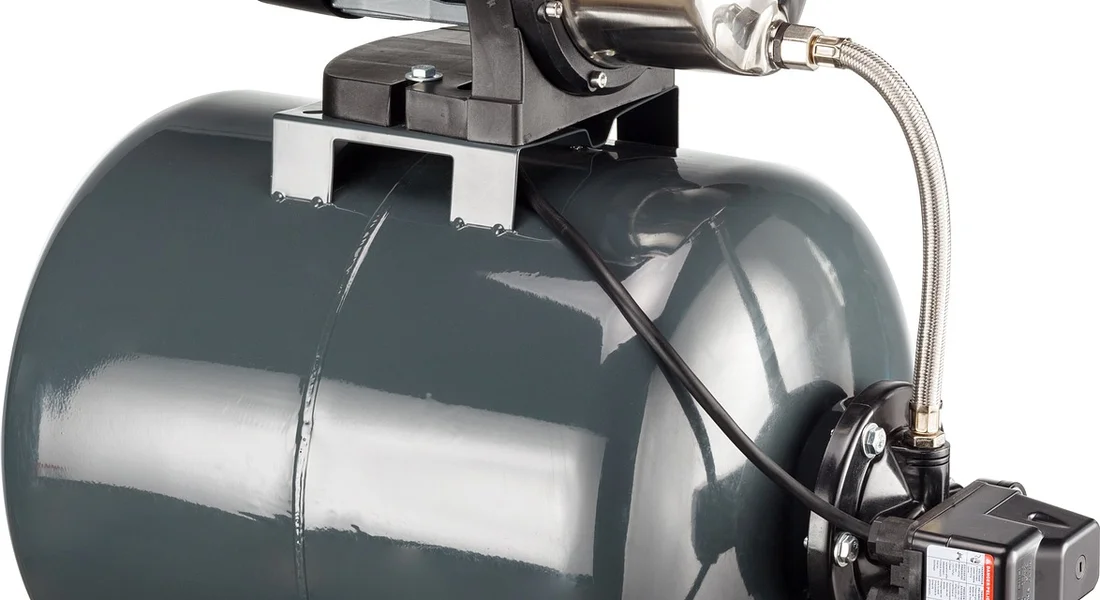
Getting the height right is the difference between a pump that works and one that burns out quickly. You are not just dropping it in the hole.
First, gather your tools.
- A measuring tape
- A 2-foot level
- Concrete bricks, patio pavers, or a plastic pump stand
Now, follow these steps.
- Unplug the pump. Always start with the power off.
- Lower the pump into the empty pit. Let it sit on the bottom.
- Lift the pump and place your bricks or stand under it. The base of the pump must sit 2 to 3 inches off the pit floor. This gap stops the pump from sucking in sediment that will destroy the impeller.
- Use your level on top of the pump. Adjust the bricks until the pump is perfectly level. A tilted pump can wear out unevenly and cause the float to stick.
- Check the discharge pipe. It must be secured to a pit wall or floor joist with a pipe clamp. A loose discharge pipe will push against the pump during operation and can tip it over. A tipped pump is a broken pump.
Can a Sump Pump Push Water Uphill? Understanding “Head”
Yes, a sump pump can push water uphill. This is its main job. But it has limits.
Technicians call this “vertical lift” or “head.” Think of it as the water fighting gravity. The pump’s motor has to work harder to push water up a pipe than sideways.
Most standard 1/3 or 1/2 horsepower residential sump pumps can handle a total head of 15 to 25 feet. Think about your basement’s sump pit depth and drainage when choosing sump pump horsepower for a basement. This helps ensure you select the right horsepower without oversizing. Can a sump pump lift water 100 feet high? Absolutely not. That requires a specialized industrial pump.
Here is the rule of thumb. Do not just measure from your basement floor to the ground outside. You must measure the entire path the water takes. To find your total head, measure from the pump’s discharge port up to the highest point in the pipe, then add the horizontal run to where it exits your house. For every 10 feet of horizontal pipe, add about 1 foot of head. If your pipe goes up 8 feet, then runs 20 feet to the wall, your total head is roughly 10 feet (8 + 2). That is well within a standard pump’s range.
How to Monitor Your Sump Pump’s Water Level
The water level switch is the pump’s brain. It tells the motor when to start and stop. You will mainly deal with two types: old-school mechanical switches and modern electronic sensors.
Using a Mechanical Float Switch
This is the classic setup. There are two common kinds.
The tethered float looks like a plastic ball on a cord, similar to the ballcock in your toilet tank. As water rises, the ball floats up, pulls the cord, and flips the switch.
The vertical float switch has a float that moves up and down a rigid rod. It is less likely to get tangled.
To adjust a tethered float, you change the length of the tether cord. You want the pump to turn on when water is about 12-18 inches deep and turn off when it’s pumped down to about 3-6 inches. Test this by slowly pouring a 5-gallon bucket of water into the pit and watching the cycle.
The most common failure is simple. The float gets stuck. It can snag on the pit wall, the discharge pipe, or a power cord. Keep the pit clear of debris and make sure the float has a clear path to move. Give it a nudge with a stick every few months to make sure it’s free.
Using Electronic Water Sensors and Alarms
These are your backup sentries. They do not replace the main float switch. They warn you if it fails.
A basic standalone water alarm sits on the pit floor. When water touches its probes, a loud, local alarm sounds. You can buy these for under $20. Every basement should have one.
Smart home water sensors take it further. They connect to your Wi-Fi and send an alert to your phone the moment they detect moisture. This gives you a chance to react before a flood happens.
A more advanced water level sensor uses a probe that mounts to the side of the pit. It can monitor the exact water depth and can be programmed to send alerts at different levels. For example, you could get a warning at 6 inches and a critical alert at 18 inches. These electronic systems are excellent for peace of mind, but test the batteries twice a year. A dead sensor is no help at all.
Is Your Sump Pump Working? Simple Tests You Can Do
Never assume your sump pump works. I see it all the time. A homeowner discovers their pump is dead only when their basement is wet. Test it now, before the next big rain. If you’re unsure how to test it, check out our guide on sump pump installation, testing, and troubleshooting.
The Bucket Test
This is your go-to health check. Grab a 5-gallon bucket and fill it with water.
- Slowly pour the water into the sump pit.
- Watch the water level rise.
- Listen closely.
You want to see and hear three things happen in order: the pump kicks on automatically, the water gets evacuated, and then the pump shuts itself off cleanly. If it does this, your primary float switch and pump are likely in good shape.
Warning Signs to Listen For
A working pump has a distinct hum. Any other sound is a clue something is wrong.
- Short Cycling: The pump turns on and off rapidly, like every few seconds. This usually means the float is hung up or the pump is positioned too high in the pit.
- Running Constantly: The pump runs but never lowers the water, or it runs long after the pit is empty. This often points to a stuck switch or a failing pump that can’t build enough pressure.
- Strange Noises: Grinding, screeching, or loud humming means internal components are worn. Bearings are shot or the impeller might be jammed with debris.
If you hear any of these, your pump is asking for help. Don’t ignore it.
Keeping Your Sump Pump Healthy: Routine Maintenance
Your sump pump sits in a dirty hole and only works during emergencies. That’s a recipe for failure. A little maintenance twice a year keeps it ready. I do this every spring and fall. In winter, I also run a quick maintenance check to prep for freezing temps and potential snowmelt. This simple winter maintenance helps prevent failures when you need it most.
The Seasonal Checklist
- Clean the Pit: Unplug the pump. Scoop out any silt, gravel, or debris from the bottom of the pit. This prevents clogs and helps the float move freely.
- Test the Pump: Perform the bucket test described above. It’s the best way to confirm operation.
- Check the Discharge Line: Go outside and find where the water exits. Make sure the opening is clear of leaves, dirt, or ice. The pipe should be secure and slope away from your foundation. Water should never pool at the exit point, as it can freeze or flow right back into the pit.
Clean the Pump Intake Screen
Most submersible pumps have a small screen or grate at the bottom. This is where water gets sucked in. Over time, it gets clogged. Unplug the pump, lift it out of the pit (it will be heavy and wet), and find this screen. Rinse it clean with a garden hose. Check for cracks. A clean screen lets the pump move water efficiently and is crucial for maintaining the longevity of your submersible well pumps.
Check Your Backup System
If you have a battery backup pump, you must maintain it too. A backup with a dead battery is just a paperweight.
- Test the backup pump by unplugging the main pump from the wall and pouring water into the pit. The backup should activate.
- Check the battery fluid levels if it’s a flooded lead-acid type. Top it off with distilled water if needed.
- Look at the battery charger. There should be a light indicating it’s charging properly. No light usually means a problem.
Remember, your primary pump can fail from mechanical issues or a power outage. Your backup handles the outages. They are a team. Keep both ready.
Answering Common Sump Pump Height and Water Questions
Can a Sump Pump Help with Standing Water?
It depends entirely on where the water is coming from. A sump pump is designed to remove groundwater that has collected in a pit beneath your basement floor. When choosing a sump pump for your basement, consider the key factors—like flow rate and power options—to guide your decision.
If the standing water is groundwater seeping up into a sump pit, then yes, a correctly installed pump is the exact tool for the job. You can find a detailed guide on installing a sump pump properly to handle such situations.
If the water is from a leaking pipe, an overflowing washing machine, or surface flooding from a storm, the pump cannot help. That water never enters the pit to be pumped out.
Here’s a quick way to check. Is the water:
- Appearing on the floor first? That’s surface water. You need to find and stop that leak or flood source.
- Appearing in a dedicated hole (the pit) in your basement floor first? That’s groundwater. Your sump pump should handle it.
Can a Pool Pump Be Above the Water Line? (And Why Sump Pumps Can’t)
This is a common mix-up. People see both move water and assume they work the same. They do not.
A pool pump is a centrifugal pump that pulls water to it using suction. It must be primed (filled with water) to start, but it can sit above the water line.
A standard submersible sump pump is designed to be pushed by water pressure. It sits completely underwater in the pit. The water enters through the bottom of the pump, and an impeller throws it up and out the discharge pipe.
If you tried to run a submersible sump pump above the water line, it would just spin air and burn out in seconds. They are not self-priming.
In my own basement, I use a submersible pump. It’s silent until the water rises and activates the float switch, then you hear it push that water out.
How Often Should a Properly Sized Sump Pump Run?
A good pump in a normal home should be quiet most of the time. It’s an emergency runoff system, not a constant circulation pump.
You should expect activity primarily during and immediately after heavy rain or rapid snowmelt. It may cycle on and off every few minutes during these events as the pit fills.
If your pump is running daily or multiple times an hour during dry weather, you have a problem. The most common causes are:
- A high water table (this is a bigger issue requiring professional assessment).
- A leak from a buried pipe or your home’s foundation drain tile directing water into the pit.
- A stuck or miscalibrated float switch causing the pump to cycle endlessly.
Frequent, unexplained cycling wastes electricity and wears out the pump motor fast. If you hear it running on a sunny Tuesday, it’s time to investigate.
Common Questions
My old pump just sits on the pit floor. Do I need to raise it when I replace it?
Yes, you absolutely should. Installing the new pump on a platform is a critical upgrade. It prevents the intake from sucking destructive silt off the bottom, which is a leading cause of premature pump failure.
Is there a better way to check the water level than the “bucket test”?
Yes, for ongoing monitoring, consider a smart water sensor. These devices sit in the pit and send alerts to your phone if the water rises too high, giving you an early warning before a potential flood occurs.
What’s my biggest risk during a storm when the pump is working hard?
A power outage is your greatest threat. Your primary pump is useless without electricity. Always have a battery backup pump system installed and tested to protect your basement when the lights go out.
Can I adjust the float switch myself if the pump cycles too often?
Often, yes. First, ensure the float’s path is clear of debris or cords. For a tethered float, adjusting the cord length changes the water level at which the pump activates and stops. Always unplug the pump before making any adjustments.
What’s a clear sign my pump is installed at the wrong height?
Listen for it running but not moving water (a loud, grinding hum), or if it constantly cycles on and off every few seconds. These are classic signs the pump is too high (sucking air) or the float is incorrectly set.
Keeping Your Basement Dry
Set your sump pump at the correct height first, then make checking it a regular habit. A properly positioned pump is your best defense, but only vigilant monitoring confirms it’s working when you need it most. Being aware of common sump pump failure causes helps you stay ahead of problems. Regular checks spot issues like clogs, power loss, or stuck switches before they fail.
Written by Bob McArthur. Bob is a an HVAC and plumbing industry veteran. He has professionally helped homeowners resolve issues around water softeners, heaters and all things related to water systems and plumbing around their homes. His trusted advice has helped countless of his clients save time, money and effort in home water systems maintenance and he now here to help you and give you first hand actionable advice. In his spare time, Bob also reviews home water systems such as tankless heaters, water softeners etc and helps home owners make the best choice for their dwelling. He lives around the Detroit area and occasionally consults on residential and commercial projects. Feel free to reach out to him via the contact us form.