DIY Home Water Filtration: Build and Service It Yourself
Your tap water tastes bad or looks cloudy. You can fix that without calling a pro.
This article gives you the straight talk on doing it right. We will cover picking the right filter type, putting the parts together safely, and keeping the system running for years.
I have installed and serviced hundreds of these units. Test your water before you buy a single part.
First, Test Your Water – You Can’t Fight What You Don’t Know
Building a filter without a water test is like fixing a leak blindfolded. You are guessing. You must know exactly what is in your water to choose the right tools to remove it. This is your first and most important step.
You have two main options for testing: a do-it-yourself home kit or a professional lab test.
- Home Test Kit: These are fast and cheap. You can get results for basics like hardness, iron, pH, and chlorine in minutes for under $50. They are a great starting point. I keep one in my toolbox for quick checks.
- Professional Lab Test: This is the gold standard. You send a sample to a certified lab. It costs more ($100-$300) and takes a week or two, but it gives you a complete report on dozens of contaminants, including heavy metals and bacteria. For a whole-house system you plan to drink from, the lab test is worth the investment.
Water Science Snippet
Your test results will have numbers you need to understand.
TDS (Total Dissolved Solids) is your “total junk” meter. It measures everything dissolved in the water, good and bad, in parts per million (ppm). A high number (over 500 ppm) means you have a lot of dissolved material, but it does not tell you what that material is.
pH is the acidity scale. It runs from 0 (battery acid) to 14 (drain cleaner). 7 is neutral. Your water should be close to neutral. Very low pH (acidic) water can corrode your pipes. Very high pH water can cause scale.
Hardness is measured in grains per gallon (gpg) or ppm. This is the amount of calcium and magnesium. Hardness is removed by a water softener, not a standard filter. Knowing your hardness number tells you if you need a softener working alongside your filtration system.
Here are the most common enemies you will find and the problems they cause:
- Sediment (Dirt, Sand, Rust): Clogs faucet aerators and appliance valves. Makes water look cloudy.
- Chlorine: City water uses it to disinfect. It causes a bad taste and smell, and can dry out your skin.
- Iron: Causes ugly red or brown stains on sinks, toilets, and laundry. It can also give water a metallic taste.
Choosing Your Filtration Arsenal: Media, Housings, and Valves
Once you have your test results, you can pick your parts. A basic system is built from a few key components.
Filter Housings (Pressure Vessels): These are the plastic or metal canisters that hold the filter media. They screw together and seal with an O-ring.
Cartridges or Bulk Media: This is the actual filter material that traps or treats contaminants. It goes inside the housing.
Shutoff Valves and Fittings: Always install shutoff valves before and after your filter bank. This lets you isolate the system to change filters without shutting off water to the whole house. Use standard plumbing fittings to connect everything.
The filter media is what does the work. You match the media type to the contaminant you need to remove.
| Media Type | Best For Removing | What It Does |
|---|---|---|
| Sediment Filter | Sand, dirt, rust flakes | Acts like a screen, physically trapping particles. Always install this first to protect filters downstream. |
| Activated Carbon | Chlorine, bad tastes, odors, some chemicals | The carbon has a huge surface area that contaminants stick to. Great for making city water taste better. |
| Catalytic Carbon | Chloramines (a persistent disinfectant) | A specialized carbon that breaks down tough chloramines that standard carbon can’t handle. |
| KDF Media | Heavy metals (like lead, mercury), chlorine, inhibits bacteria growth | Uses a copper-zinc alloy that creates a chemical reaction to remove or change contaminants. |
Housing size is about capacity and convenience. A bigger housing holds more media, so it lasts longer between changes.
- Standard 4.5″ x 10″ or 20″: These are common for under-sink or point-of-use systems. They are small and cheap, but cartridges need changing every 2-6 months.
- Big Blue 4.5″ x 20″ or 10″ x 4.5″: These are the workhorses for whole-house systems. They hold large cartridges or loose media. A 4.5″x20″ carbon filter on my main line lasts my family of four about 9 months. You trade a higher upfront cost for less frequent maintenance.
Remember, a standard water filter does not remove hardness minerals (calcium, magnesium). For that, you need a water softener, which is a separate system using ion exchange. Often, the softener is installed in parallel with or after the filtration stages.
The Build: Tools, Assembly, and Connecting the Pipes
The Toolbox You Actually Need
You do not need a truck full of specialty tools. Gather these basics first.
- Two adjustable wrenches (or channel locks)
- A tubing cutter for copper or a sharp utility knife for PEX
- A roll of high-density Teflon tape (the pink or white kind for water)
- A tubing bender if you’re using stiff 1/2″ or 3/4″ PEX
- A hacksaw or reciprocating saw if you need to cut existing pipe
- A bucket and some old towels
If you have CPVC or copper, get the right cutter for a clean, burr-free cut every time.
Assemble on the Bench, Not in the Air
Never try to build a multi-stage filter while holding it against the wall. Lay it all out on a workbench or the floor first.
- Unpack all filter housings and brackets. Mount the brackets to the housings.
- Screw the filter housings onto the mounting brackets. Hand-tighten only for now.
- Connect the filter housings to each other using the provided nipples and tubing. Follow the flow direction arrows.
- Leave the inlet and outlet ports open. This is your dry-run. Ensure everything fits and the manifold is rigid.
Avoiding leaks starts here, with a straight, well-supported assembly before any water is involved.
Shut It Off, Drain It Down, Do It Safe
This is the non-negotiable step. Locate your main water shutoff valve, usually where the water line enters your house or at the meter.
- Turn the valve clockwise to shut off all water to the house.
- Go to the highest and lowest faucets in the house. Open them both to drain the pressure from the lines.
- Identify your installation point. Have your bucket ready for the quart or so of water that will still be in the pipe.
When making connections, wrap male pipe threads with Teflon tape clockwise 5-6 times. For flare or compression fittings, follow the manufacturer’s instructions; tape is wrong for those. Use two wrenches-one to hold the fitting, one to tighten-to avoid twisting and stressing the pipes.
Can You Really Do This Yourself?
Yes. If you can follow these steps and your local plumbing code, you can install a water filter. Check if your municipality requires a permit for cutting into the main water line. Many do for whole-house systems. The work itself is straightforward mechanical assembly. The permit is about safety and protecting your home’s value.
Point-of-Use vs. Whole-House: The Plumbing Difference
The build process changes based on where you install.
For an under-sink point-of-use system, you’re typically tapping into the cold water line feeding that specific faucet, often using a self-piercing saddle valve or a tee fitting. The work area is small and messy, but the water shutdown is localized.
A whole-house system installs directly on the main water line after the meter and pressure regulator. You must cut the main line, which is a bigger commitment. You need more pipe, more supports, and a good drainage path for the filter housings. The scale is larger, but the principle is the same: cut, tee, connect, support.
Keeping It Running: Simple Maintenance and Testing
Your No-Fuss Maintenance Schedule
Set reminders in your phone. Consistency prevents problems.
- Every 3 Months: Visually inspect the system for leaks, especially at the housing sumps.
- Every 6 Months: Replace sediment pre-filters. This is the most frequent change.
- Every 12 Months (or as rated): Replace carbon block or other final-stage cartridges.
- Every Cartridge Change: Sanitize the empty housings (see below).
Replacing Cartridges Without the Flood
Shut off the water inlet to the filter system. Open a downstream faucet to relieve pressure. Place your bucket under the filter housing.
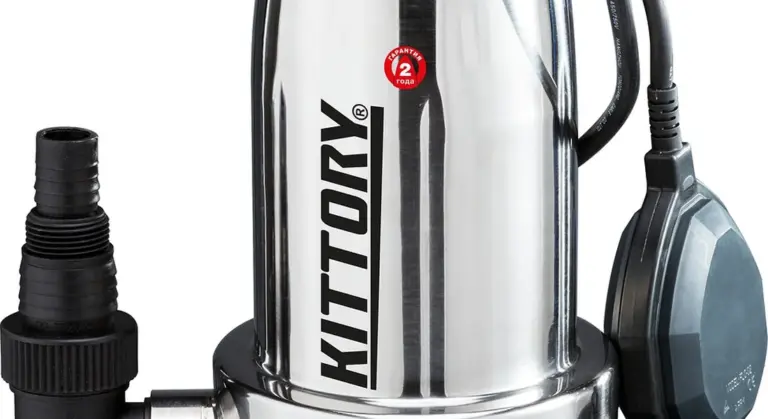
Use the housing wrench to unscrew the clear sump. Have a plastic grocery bag ready. As you loosen the sump, water will spill. Quickly guide the sump and old cartridge into the open bag. The bag contains the mess. Wipe out the inside of the sump with a clean cloth. Then move on to the clean sump pump pit to prep it for the next maintenance step. This helps prevent debris buildup and keeps the system running smoothly.
Insert the new cartridge, lubricating the O-ring on the housing head with a tiny bit of food-grade silicone grease. Hand-tighten the sump, then use the wrench to give it one final quarter-turn. Do not over-tighten.
To purge air, turn the inlet water on slowly with a downstream faucet open until a steady stream flows without sputtering.
How to Sanitize the System
After removing the old cartridge and wiping the sump, make a mild sanitizing solution. Mix 1 tablespoon of unscented household bleach with 1 gallon of water. For ongoing upkeep, you can supplement cleaning with sump pump maintenance chemicals. Our next steps will show how to choose and apply them safely.
Pour about a cup of this solution into the empty filter sump. Reattach the sump to the housing. Now, briefly turn the inlet water valve on and off to fill the housing with the bleach solution. Let it sit for 15 minutes.
Drain it by opening the housing again (bucket ready). Rinse the sump with clean water. Install the new cartridge and reassemble. Run water through the system to a hose bib or tub for 2-3 minutes to flush any residual solution before using kitchen water.
Prove Your System Works: Simple Tests
You don’t need a lab. After installation and after each major cartridge change, do these checks.
- For chlorine removal: Use a free chlorine test strip (from a pool store) on water from a filtered tap. Compare it to a strip from an unfiltered outdoor hose bib. You should see a clear reduction.
- For sediment: Fill a clear glass from the filtered cold water line. Let it sit for an hour on the counter. Look for any particles settled at the bottom. There should be none.
- The pressure test: Time how long it takes to fill a one-gallon jug from your filtered kitchen faucet. Do the same at an unfiltered bath faucet. The times should be very close. A big slowdown means a clogged pre-filter or an undersized system.
When Things Go Wrong: Troubleshooting and Knowing Your Limits
Even a well-built DIY system will have issues. The key is not to panic. Most problems are simple fixes if you know where to look.
Diagnose Common Problems
Listen to your system. It gives you clear signs when something is off.
- Low Pressure: This almost always means a clogged filter. If you installed a sediment filter, it’s done its job and is now full. You’ll notice weak flow from every faucet downstream of the filter.
- Leaks at Connection Points: A slow drip or spray from a housing sump or fitting usually points to a bad or misaligned O-ring. Check for grit on the seal or visible cracks.
- Weird Taste or Odor: If your water starts to taste funny or smell like rotten eggs again, your primary treatment media is exhausted. The carbon filter can’t absorb more contaminants, or the KDF media is spent.
Diagnosis is about isolating the issue-start with the simplest, most common cause first before you assume the worst.
Provide Fix-It Steps
Here’s how to handle those common issues.
Fixing Low Pressure from a Clogged Filter
- Shut off the water supply to the filtration system.
- Relieve pressure by opening a downstream faucet.
- Use a filter wrench to remove the filter housing.
- Take out the old cartridge and inspect it. You’ll likely see it’s brown or black with sediment.
- Insert the new cartridge, hand-tighten the housing, then give it one final snug turn with the wrench. Don’t overtighten.
- Turn the water back on slowly and check for leaks.
Stopping a Leak from a Bad O-Ring
This fix takes five minutes and saves a huge mess.
- Shut off the water and depressurize the system (open a faucet).
- Disassemble the leaking connection or filter housing.
- Remove the old O-ring. Clean the groove it sits in with a soft cloth.
- Lubricate the new O-ring with a plumber’s silicone grease. Never use petroleum jelly. The grease helps it slide into place and seal perfectly.
- Reseat the O-ring in its groove, reassemble the connection, and pressurize the system to check your work.
Addressing Weird Taste (Exhausted Media)
This isn’t a repair, it’s maintenance. You must replace the spent filter media. Keep track of your filter change schedule. If you notice taste returning before that schedule, your water may have higher contaminant levels than expected. Swap the cartridge early.
Legal and Regulatory Considerations
You’re building this for your home, not a hospital or lab. Understand the boundaries.
- Plumbing Permits: In many areas, permanently plumbing a filtration system into your home’s main water line requires a permit and inspection. This ensures it’s done to code and doesn’t create a cross-connection hazard. Check with your local building department.
- System Purpose: A DIY system like this is for personal, whole-house use to improve taste, smell, and sediment. It is not designed to produce certified, sterile “Type IV” laboratory-grade water for medical or scientific use. Do not make health claims about its output.
Advise When to Stop and Call a Professional
Knowing when to put the wrench down is a skill. Call a licensed plumber if you encounter any of the following:
- You have a major leak you cannot isolate or stop at a valve.
- You need to solder or modify copper supply lines and aren’t confident in your soldering skills. A bad joint will fail catastrophically.
- The problem is before your filtration system, like constant low pressure from the main street supply or a suspected leak under your foundation.
- You discover your plumbing involves outdated materials like polybutylene or lead solder, and you’re unsure how to connect to it safely.
A pro call is cheaper than fixing water damage or a collapsed ceiling from a failed DIY repair.
Quick Answers
How do I design the order for a multi-stage filtration system?
Always stage from coarse to fine. Your first stage must be a sediment filter to catch particles and protect the finer, more expensive media downstream. Follow it with your targeted treatment media, like carbon for chemicals, as the second or third stage. This logical order maximizes the life and effectiveness of each component.
How do I properly size a pressure vessel (filter housing)?
Sizing is a balance of flow rate and maintenance frequency. For a whole-house system, a standard 4.5″ x 20″ Big Blue housing is a reliable starting point. Check your water test results and household size; a larger vessel holds more media, which handles higher contaminant levels and extends time between changes. This is just one of the best factors to consider when choosing whole-house filters.
What are the top safety rules when cutting into my main water line?
Confirm your main shutoff valve works before you start. Always shut off water at the main and drain the system by opening the highest and lowest faucets. Use two wrenches on every connection-one to hold, one to tighten-to prevent twisting and stressing pipes, which is a common cause of future leaks.
What’s the simplest way to test my DIY system’s effectiveness after install?
Use targeted, instant tests. For chlorine removal, use a free chlorine test strip on filtered water versus water from an outdoor spigot. For sediment, let a glass of filtered water sit for an hour to check for settling. A noticeable improvement confirms your media is working.
Do I need a permit to install this system myself?
Often, yes. Many municipalities require a permit for any permanent modification to the main water line, which a whole-house system is. This ensures your work meets plumbing code and doesn’t create a health hazard. Always check with your local building department first-it protects you and your home’s value.
Final Tips for Your Home Water Filtration System
Test your water before building to target the right contaminants for your setup. Set a reminder for filter changes and keep common parts on hand to avoid service interruptions.
Bob McArthur
Bob is a an HVAC and plumbing industry veteran. He has professionally helped homeowners resolve issues around water softeners, heaters and all things related to water systems and plumbing around their homes. His trusted advice has helped countless of his clients save time, money and effort in home water systems maintenance and he now here to help you and give you first hand actionable advice. In his spare time, Bob also reviews home water systems such as tankless heaters, water softeners etc and helps home owners make the best choice for their dwelling. He lives around the Detroit area and occasionally consults on residential and commercial projects. Feel free to reach out to him via the contact us form.