Find and Fix Your Water Heater Leaks Before It’s Too Late
Your water heater is leaking or smells like gas, and you need to know what to do right now. I get it, and I’ve been in your shoes on both sides of the service call.
We will cover how to find the source of the leak, step by step fixes for common water leaks, what to do immediately if you smell gas, and when to just replace the whole unit.
I’ve been a water systems tech for years and fixed these in my own home. Here’s the takeaway: catching a leak early is the difference between a simple repair and a flooded basement.
1. The Urgent One: How to Detect a Gas Leak (And What to Do First)
How do you detect a gas leak in your water heater? This is your top priority. For this section, checking for a leak is simple. We give it a Difficulty Rating: Safety Check = 1/10, Repair = 9/10 (Call a pro). It’s one of those immediate safety risks you don’t want to overlook.
Your first clues come from your senses. Trust them.
- The Rotten Egg Smell: Utility companies add mercaptan to natural gas and propane. It smells like sulfur or rotten eggs. If you smell this near the water heater, act immediately.
- Hissing Sound Near the Unit: A quiet, steady hiss from the gas line, valve, or burner assembly is a major red flag. It means gas is escaping under pressure.
- Dead Plants Near the Vent Pipe: Check outside where the flue (exhaust pipe) exits your home. Dying grass or vegetation can be a sign of a combustion leak venting improperly.
If you smell gas strongly, leave the house right away. Do not turn lights on or off. Do not use any electrical switches. Go outside and call your gas company or 911 from a safe distance.
Safe Detection Methods You Can Do
For a faint smell or a routine check, use this safe method. You need a spray bottle with soapy water (dish soap and water works fine).
- Make sure the water heater is running so gas is flowing to the burner.
- Spray the soapy solution generously on all gas line connections. This includes the main shutoff valve, the flexible connector (if you have one), and where the line enters the gas control valve on the heater.
- Watch closely for 30 seconds. If you see bubbles forming or growing at any connection, you have found a gas leak.
For extra peace of mind, buy an affordable home gas leak detector. These handheld devices beep when they sense natural gas or propane. They are great for periodic checks behind the appliance.
What Helped Me: On a service call for a “weird smell” in a basement, the homeowner swore it wasn’t the heater. A soapy water test at the union fitting (where the pipe meets the valve) revealed a tiny, steady stream of bubbles. It was a slow leak from a worn seal, barely detectable by smell until it concentrated in the room. The soap test never lies.
2. Is It Safe for You to Fix a Gas Leak? The DIY vs. Pro Verdict
So, how do you fix a gas leak in your water heater? Here is the major caveat: Homeowners should NOT attempt to fix gas line leaks. This repair is strictly for a licensed plumber or HVAC technician.
Your job ends at detection. Once you confirm or strongly suspect a leak, shut off the gas supply valve at the heater. Then call a professional. For a water heater emergency, know who to call right away—your licensed plumber or the gas utility’s emergency line. They can guide you and respond quickly. The risks of explosion or carbon monoxide poisoning are too high for DIY.
What a Professional Will Do
When the technician arrives, they will perform a series of systematic checks and repairs.
- Check and tighten all gas line fittings using proper tools and techniques.
- Replace faulty components like the thermocouple (the safety device that senses the pilot light) or the entire gas control valve.
- Inspect the burner assembly for cracks, blockages, or corrosion that could cause an unsafe leak during operation.
- Perform a full safety check and combustion analysis to ensure everything operates correctly and vents properly.
The Code & Compliance Reason
This isn’t just about skill. In nearly all areas, gas work legally requires a licensed professional to pull a permit. This ensures the repair meets strict safety codes. Doing it yourself can void your home insurance if something goes wrong later. A pro’s work is documented and guaranteed.
What Not to Do
- Do not use an open flame (a match, lighter, or candle) to check for a leak.
- Do not try to “find it” by listening alone if you smell gas. Just evacuate.
- Do not ignore a small leak. A small leak today can become a big problem tomorrow.
Fixing the gas side of your water heater is one of the few times where paying a professional is non-negotiable. Your safety and your family’s safety depend on it, especially when it comes to gas water heater safety and efficiency.
3. Tracking Down Water: How Do You Know If Your Water Heater Is Leaking?
You asked, “How do I detect a water leak in my water heater?” Start by trusting your eyes and nose. Walk into your utility closet or basement. A musty smell or general dampness in the air is your first clue. Look for these obvious signs, especially symptoms specific to water heaters:
- A visible puddle of water under or around the tank.
- Steady drips from any valve or pipe connection.
- Rust-colored trails running down the side of the tank.
- Unexplained wet spots on the floor or on nearby walls.
Finding water means it’s time to play detective. You need to trace it to its source. Follow this top to bottom inspection guide.
Step-by-Step Inspection Guide
Shut off the power first. For electric heaters, flip the breaker. For gas, turn the dial to “Pilot.” This is non-negotiable for safety.
- Check the Top: Inlet and Outlet Fittings. Feel the cold water inlet and hot water outlet pipes where they screw into the tank. Are they wet? Tighten them gently with a wrench. A quarter turn might stop a drip.
- Find the T&P Relief Valve and Pipe. Locate the temperature and pressure relief valve on the side of the tank. A copper or plastic pipe should run from it down toward the floor. Is the valve itself dripping? Is the pipe wet? This valve can leak if it’s faulty or if pressure is too high.
- Inspect the Drain Valve. At the very bottom of the tank is a faucet-like drain valve. This is a prime suspect. Check for moisture around the handle or from the spigot opening. These valves often fail slowly over time.
- Examine the Tank Itself. Finally, dry the entire tank with a towel. Wait an hour. Look for new water beading on the tank’s steel shell, especially along the middle seam. A leak here is bad news.
Condensation or a Real Leak?
In humid basements, cold water pipes can sweat. This can look like a leak. To tell the difference, feel the water. Condensation feels cool and is everywhere on the cold pipes. A real leak from a fitting is warmer and comes from one specific spot. You can also wrap a dry paper towel around a suspect fitting. If the towel gets soaked in one area, you found your leak.
What helped me over the years is a simple rule of thumb. A slow, intermittent leak often starts at a threaded fitting like the drain valve or a corroded inlet. A steady leak weeping from the middle of the tank body means the inner liner is corroded through. The tank is finished and must be replaced. If you’re facing a leak, a quick guide on how to fix a leaking toilet tank can help you decide what to do next. A practical walkthrough will be linked in the next steps for easy reference.
4. Your Detective Kit: Tools and Step-by-Step Fixes for Water Leaks
So you found the leak. The next question is, “How do I fix a water leak in my water heater?” The answer depends on where it is. Gather your tools first and then check out most common water heater repair options.
Tools & Material Checklist
- Two adjustable wrenches (one to hold, one to turn).
- Pipe tape (Teflon tape) for sealing threaded connections.
- Pipe dope (thread sealant paste) for a more robust seal.
- A standard garden hose.
- A 5-gallon bucket.
- Replacement valves (T&P valve and/or brass drain valve, matching your tank’s size).
Common Fixes and Their Difficulty
Tightening Loose Fittings (Difficulty: 3/10) If the leak is at a pipe connection on top, try tightening it. Use two wrenches-one to hold the tank fitting steady, one to turn the pipe nipple. Just a snug turn is enough. Overtightening can crack the fitting. If it still leaks, drain the tank below the fitting, disconnect it, apply fresh pipe tape and dope, and reconnect.
Replacing the T&P Relief Valve (Difficulty: 4/10)
- Shut off water and power to the heater.
- Connect a hose to the drain valve and run it to a floor drain or bucket. Open the drain valve and the T&P valve to relieve pressure and drain a few gallons.
- Unscrew the old T&P valve from the tank with a wrench.
- Apply pipe tape to the threads of the new valve and screw it in hand-tight, then give it one more firm turn with the wrench.
- Close the drain valve, refill the tank, restore power, and check for leaks.
Replacing the Drain Valve (Difficulty: 5/10) Plastic drain valves are prone to leaking. Replacing it with a brass one is a solid upgrade.
- Shut off water and power. Connect your hose to the old drain valve.
- Open a hot water faucet upstairs to break vacuum. Open the T&P valve and the drain valve to empty the tank completely.
- Unscrew the old valve from the tank. It can be stubborn. A pipe wrench may be needed.
- Wrap the threads of the new brass valve generously with pipe tape and screw it into the tank. Tighten firmly.
- Close the new valve, close the T&P valve, turn the water back on, and let the tank fill completely before restoring power.
Understand that some “fixes” are just delays. If the tank itself is leaking from a seam or a pinhole, no amount of tightening will save it. You can try a water heater repair epoxy putty as a 24-hour patch to buy time for a replacement. It is not a permanent solution. Corrosion inside the tank will only get worse. When the tank leaks, the only real fix is a new water heater.
5. The Big Decision: Can You Repair It, or Is It Time for a New Heater?
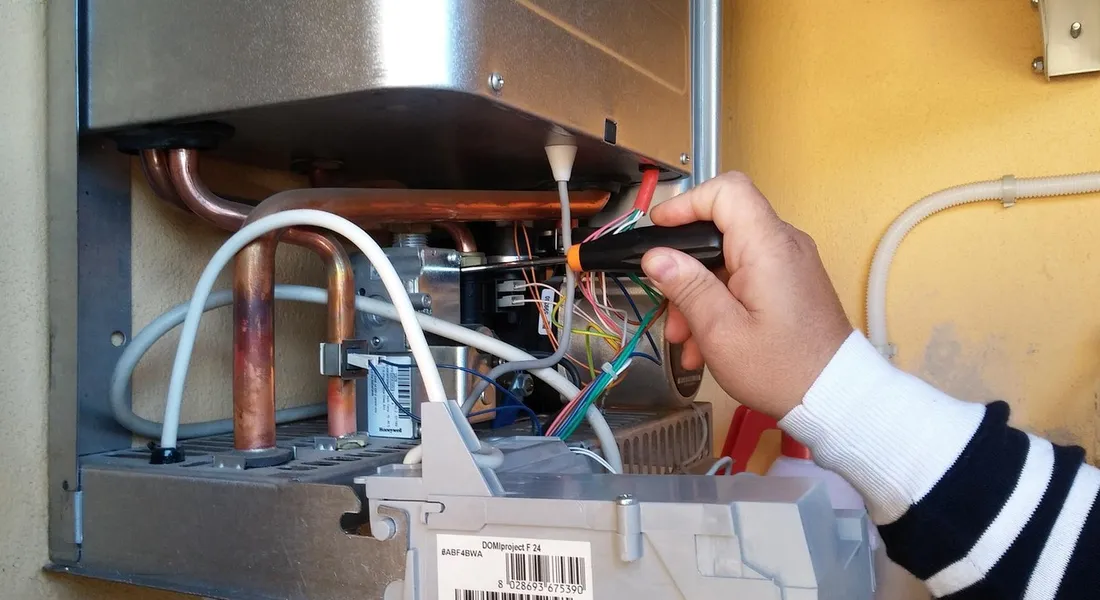
You found a leak. Now you need to decide if you fix it or replace the whole unit. Think of it like car trouble. Fixing a leaky pressure relief valve or a loose pipe fitting is like changing a flat tire. It’s a specific, manageable part. A leak coming from the tank body itself is like a cracked engine block. The core is failing. You don’t repair that, you replace the engine.
Here are the clear signs your water heater needs replacement, not repair.
- Water is actively seeping or dripping from the tank’s steel shell. This is a death sentence for the heater.
- You see severe, flaky corrosion at the top where the pipes connect or at the bottom around the burner assembly or element holes.
- The unit is over 10 years old and showing problems. Most standard tanks are designed for an 8-12 year life.
Water Science Snippet
Why do tanks fail? Your water chemistry is a big player. Constant minor leaks and heavy corrosion are often fed by aggressive water. Low pH (acidic water) slowly eats away at the glass lining inside the tank, exposing the steel to rust. High Total Dissolved Solids (TDS) can accelerate this corrosion. If you have recurring issues, testing your water’s pH is a smart next step. Beyond water chemistry, tank materials safety matters—linings, coatings, and metals all influence long-term reliability. Ensure the materials are compatible with your water and meet safety standards.
System Maintenance Roadmap
Whether you repair a valve or install a brand new heater, this simple plan keeps it running longer and safer.
- Every 6 Months: Manually test the Temperature & Pressure (T&P) Relief Valve. Lift the lever for a few seconds until water flows freely out the discharge pipe, then let it snap back.
- Every Year: Drain a few gallons from the tank to flush out sediment. This prevents buildup that causes overheating and corrosion at the bottom.
- Every 3 Months: Do a quick visual and touch inspection around the top fittings, valves, and the tank base for any moisture or signs of rust.
6. Keeping It Dry and Safe: Your Long-Term Prevention Plan
Dealing with a leak is reactive. A good plan is proactive. Let’s set up your water heater to fail safely and give you early warnings.
If your heater is in a basement, garage, or closet, install a drip pan underneath it. This is a code requirement for indoor installations in most areas, and for good reason. The pan should have a drain line (usually 3/4″ PVC) routed to a floor drain or to the home’s exterior. The one under my own heater drains right to a sump crock. In the next steps, you’ll find the water heater drain pan installation steps to guide sizing, placement, and routing the drainage line. This will help ensure a clean, code-compliant setup.
Recommended Products for Peace of Mind
Combine physical protection with smart alerts.
- Automatic Water Leak Alarm: Place a battery-operated sensor in the drip pan. It will shriek at the first sign of water, long before you notice a puddle. I keep one in my laundry room pan too.
- Gas Leak Detector: For gas water heaters, plug a UL-listed combustible gas alarm into an outlet near the unit. It detects natural gas or propane leaks, adding a critical layer of safety.
- Dielectric Unions: When connecting copper pipes to the steel nipples on the heater, use quality dielectric unions. These fittings prevent galvanic corrosion, which is a common cause of leaks at the pipe connections.
Stick to the maintenance roadmap from the previous section. That annual flush and quarterly check take 20 minutes but can add years to your heater’s life.
Stay calm. You don’t need to be a master plumber. Knowing what to look for, having a simple maintenance habit, and understanding when to absolutely call a professional is the most valuable tool in your box.
Quick Answers
What should I do immediately after detecting a gas leak?
If you smell gas strongly, evacuate everyone from the home immediately. Do not operate light switches or any electrical devices. Call your gas utility or 911 from a safe distance outside. For a faint smell during a check, shut off the gas valve at the heater and call a professional.
What will a professional do to fix a gas leak that I can’t?
A licensed technician will use specialized tools to tighten fittings, pressure-test the line, and replace faulty components like the gas control valve or thermocouple. They also perform a combustion safety check to ensure proper venting, which is critical for preventing carbon monoxide issues.
How can I tell if the water is from condensation or a real tank leak?
Condensation forms on cold water pipes and the tank’s cold inlet in humid conditions and feels cool to the touch. A real leak from a fitting or the tank itself will feel warmer and originate from one specific point, often continuing or worsening when the heater is actively heating.
Which water leak fixes are truly DIY-friendly?
Tightening loose pipe connections and replacing the drain valve or T&P relief valve are common DIY repairs if you’re comfortable with basic tools. However, if the leak is actively coming from the tank’s welded body or you are unsure, stop and call a pro-a tank leak cannot be repaired. If the issue involves the pressure relief valve (PRV) itself, a dedicated PRV leak fix approach may be needed. The next steps cover how to identify and address a PRV leak safely.
What’s the single best thing I can do to prevent future leaks?
Install a leak detection alarm in the drain pan and perform an annual flush to drain sediment. Sediment buildup causes overheating and corrosion, which is a leading cause of tank failure and leaks from the bottom.
Staying Ahead of Water Heater Leaks
If you ever suspect a gas leak, get everyone out of the house immediately and call your utility company from outside. For all other leaks, make a habit of checking the pressure relief valve, drain valve, and tank seams for moisture or corrosion twice a year.
Bob McArthur
Bob is a an HVAC and plumbing industry veteran. He has professionally helped homeowners resolve issues around water softeners, heaters and all things related to water systems and plumbing around their homes. His trusted advice has helped countless of his clients save time, money and effort in home water systems maintenance and he now here to help you and give you first hand actionable advice. In his spare time, Bob also reviews home water systems such as tankless heaters, water softeners etc and helps home owners make the best choice for their dwelling. He lives around the Detroit area and occasionally consults on residential and commercial projects. Feel free to reach out to him via the contact us form.