Heat Pump Water Heaters in a Deep Freeze: The Cold Hard Facts
You’re eyeing a heat pump water heater but worried it’ll gasp and die when the mercury plummets. That’s a smart fear to have.
We will cover how much efficiency you actually lose in freezing temps, why your installation spot is a game-changer, and if the extra cost for a cold-climate model makes sense for your wallet.
I’ve wrenched on these units in basements and garages across three winters. Here’s the takeaway: they don’t fail in the cold, they just work harder, and that’s a bill you’ll pay.
How a Heat Pump Water Heater Steals Heat to Warm Your Water
Think of your refrigerator. It pulls heat from inside the box and dumps it out the back into your kitchen. A heat pump water heater works the same way, just in reverse. It pulls heat from the air in your utility room or basement and dumps that heat into your water tank. It’s a heat thief.
Four main parts make this theft possible. The fan pulls room air over the evaporator coil, which is filled with cold refrigerant. The refrigerant absorbs the heat from that air. The now-warmed refrigerant gas is squeezed by the compressor, which makes it even hotter. This super-heated gas then travels through the condenser, a coil wrapped around or inside the water tank, where it releases its heat into the water. The refrigerant cools down, turns back to a liquid, and the cycle repeats.
This process makes cold air a natural challenge. The unit needs heat in the air to steal. If the air is already cold, there’s less heat to take. The machine has to work longer and harder to gather the same amount of energy, which is the core of the cold climate question.
A quick note on water: minerals are a hidden enemy. If your water has high hardness (measured in grains per gallon, or GPG), limescale can form on the heat exchanger inside the tank. This scale acts like an insulating blanket, making it harder for the stolen heat to actually get into your water. A water softener can reduce hardness and prevent limescale from forming in pipes and appliances. That simple step helps protect plumbing from limescale and keeps heat transfer efficient.
The Simple Physics: Moving Heat, Not Creating It
Here is the step by step cycle that happens over and over.
- Cold liquid refrigerant flows into the evaporator coil.
- Room air blows across the coil. The refrigerant is colder than the air, so it absorbs the air’s heat and boils into a warm gas.
- The compressor squeezes this gas. This compression drastically increases its temperature, often over 120°F.
- The hot, high-pressure gas flows into the condenser coil surrounding the water tank. The cooler water absorbs the heat from the gas.
- The refrigerant, having lost its heat, condenses back into a liquid. An expansion valve cools it further, and the cycle starts again.
Contrast this with a standard electric water heater. Those use resistance elements, like giant versions of the coil inside a toaster, submerged in the tank. They create heat directly by converting electricity into heat. It’s simple but inefficient. A heat pump moves existing heat, which uses significantly less electricity than creating heat from scratch. In homes, hybrid heat pump water heater models blend the heat-pump approach with an electric backup for peak demand. That combination maintains efficiency while ensuring hot water is readily available when demand spikes.
Why Your Basement’s Air Temperature Matters
This connects directly to questions like “do heat pump water heaters work in cold climates.” They do, but with a major caveat. The unit’s performance is tied to its food source: the warmth in the air around it.
Your unfinished Minnesota basement might hover at 50°F in winter. A garage in Wisconsin might dip below freezing. There is still heat energy there, but much less than in a 70°F laundry room. Less ambient heat means the compressor must run more cycles for longer periods to heat the same amount of water. This increased runtime cuts into your energy savings and is the reason efficiency drops when the temperature falls.
The Real Story on Efficiency When the Mercury Drops
So, how efficient are heat pump water heaters in freezing temperatures? The honest answer is less efficient than the sticker says, and sometimes not efficient at all. Their rated efficiency assumes room temperature air (about 67°F). As the intake air gets colder, the system’s ability to transfer heat declines, which raises the question of whether heat pump water heaters are worth it in such conditions.
This is shown by two numbers: Coefficient of Performance (COP) and Uniform Energy Factor (UEF). A COP of 3.0 at 67°F means it moves three units of heat for every one unit of electricity used. At 35°F, that COP might drop to 2.0 or lower. The UEF follows the same trend downward.
For a homeowner in Minnesota asking if these units work well, the practical example is this: during a deep cold snap, your heat pump will run almost constantly. To prevent you from running out of hot water, the system has a backup. Most standard units have a built-in electric resistance element that kicks on automatically when the heat pump can’t keep up, typically when the surrounding air dips below about 40°F. When that happens, you’re back to paying for traditional, less efficient electric heat.
Decoding the Efficiency Labels: What UEF and COP Really Mean
That shiny UEF of 3.5 or 4.0 on the yellow EnergyGuide label is a lab rating. It’s measured under specific, ideal conditions (67°F/19.5°C dry air). It is a great number for comparing models, but it is not a promise for your chilly basement.
Your installation location is not a lab. If your unit will sit in a space that gets cold, you must dig deeper. Look for the manufacturer’s extended performance data, sometimes called a “derate curve,” which shows how efficiency drops with temperature. Some brands now offer “cold climate” models that publish performance data at much lower temperatures, like 5°F or even -5°F. That is the data you need.
The Tipping Point: How Low Can It Go Before Struggling?
For a standard, non-cold-climate heat pump water heater, the struggle begins sooner than you think.
- Many models start to lose significant efficiency below 50°F.
- The common switchover point to backup electric heat is between 37°F and 45°F.
- Most will not operate in heat pump mode at all below freezing (32°F). They’ll lock out and use only the electric elements.
This is why “cold climate” certified models exist. They use different refrigerants and compressor technology designed to extract heat from much colder air. These specialized units can often operate in heat pump mode down to 5°F or lower, preserving your savings through more of the winter.
Water Science Deep Dive: Scale, Hardness, and Heat Transfer
Efficiency isn’t just about air temperature. What’s in your water matters just as much. High Total Dissolved Solids (TDS), specifically calcium and magnesium (measured in GPG), cause limescale.
Inside the tank, the condenser coil where heat is transferred to the water is a prime spot for scale to form. A layer of mineral scale is a terrible conductor of heat. A home with very hard water can force any water heater, heat pump or traditional, to work harder and lose efficiency over time. The unit runs longer to achieve the same water temperature, wasting energy. This is where scale buildup prevention matters. Simple measures like water softening or periodic descaling help maintain efficiency.
You can protect your investment. Get a simple water test strip to check your hardness level. If you have more than 7 GPG, installing a water softener upstream of the water heater is a smart move. It will prevent scale buildup on the heat exchanger, keeping your system running at its designed efficiency for years longer.
Stacking Them Up: Heat Pump vs. Gas, Electric, and Solar in Winter

Choosing a water heater for a cold climate means looking beyond the sticker price. You need to consider how it performs when the outside air is your main source of heat. Here’s a direct comparison based on my service calls and the system in my own basement. To identify the right water heater, compare fuel types, efficiency, and capacity for your climate. Then you can choose the right model and buy with confidence.
| System Type | Cold Weather Performance | Upfront Cost | Operating Cost (Winter) |
|---|---|---|---|
| Heat Pump (Hybrid) | Slows down below 40°F, relies on electric backup. | High | Low to Moderate (with backup use) |
| Gas (Natural/Propane) | Unaffected by outdoor temperature. | Moderate | High |
| Standard Electric | Unaffected by outdoor temperature. | Low | Very High |
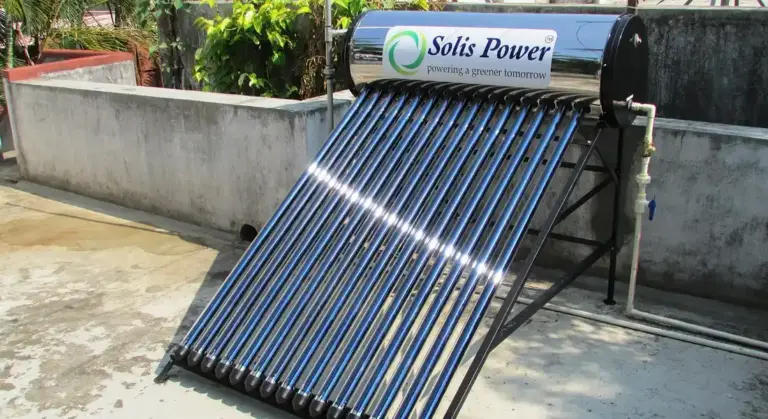
| Solar Thermal | Severely reduced or zero on cloudy days. | Very High | Low (but requires full backup system) |
Gas Water Heaters: The Steady Flame
Gas models don’t care about the weather. The burner creates heat directly, so freezing air has no impact on your hot water supply. You get consistent performance and faster recovery times no matter how cold it gets outside. The trade off is cost. You’re paying for the fuel, and prices can spike. You also must deal with venting, which adds complexity to the install.
Standard Electric Heaters: The Reliable Backup
A standard electric tank uses resistance elements, like a giant toaster. This process is 100% efficient at turning electricity into heat in the tank. The problem is that electricity is often the most expensive way to generate heat, leading to very high monthly bills. This is exactly why electric resistance is used only as the backup heat source in hybrid heat pump models.
Solar Thermal Systems: When the Sun Hides
These systems collect heat from the sun in rooftop panels. In winter, with short days and heavy clouds, they can’t collect enough energy. To get through a cold climate winter, you need a large conventional backup heater, like an electric or gas tank, that handles most of the load. This doubles your system’s cost and complexity.
What to Look For: Recommended Product Types for Cold Areas
If you want a heat pump’s efficiency without freezing your shower, shop for these specific features.
- Hybrid Models: This is non negotiable. You need the built in electric resistance backup for the coldest weeks.
- Cold Climate Certification: Look for units tested and rated to operate in air temperatures down to -22°F or lower. Not all are.
- Higher Insulation Values: An R value of 12 or more keeps stored heat in the tank longer, reducing how often the unit needs to run.
For reliable performance in a place like Minnesota, prioritize a hybrid heat pump water heater specifically tested for low ambient temperatures. It’s the only way to guarantee efficiency without sacrificing hot water. A minimum hot water tank heat pump option can further reduce energy use while maintaining a reliable supply, especially in cold climates.
Installing for Success: A Cold Climate Action Plan
The right heater can still fail if installed wrong. Your location and prep work are just as important as the unit you buy.
Location is Everything: Garage, Basement, or Utility Room?
Heat pumps need warm air to work efficiently. Your best choice is a conditioned interior space like a utility room or finished basement that stays above 40°F year round. An unheated garage is a risky spot. The unit will switch to expensive electric mode more often, and you risk freeze damage to pipes and the tank itself. If the garage is your only option, you must treat it like an outdoor install with pipe insulation and planned freeze protection.
Tools & Material Checklist for a Proper Installation
Don’t start the job missing a key part. Here’s what you’ll need on hand.
Essential Tools:
- Pipe cutters (for PEX or copper)
- Two adjustable wrenches
- Tubing bender (for copper)
- Non contact voltage tester
- Multimeter
- 24 inch level
Common Materials:
- PEX A tubing and fittings or Type L copper
- Foam insulation sleeves for all hot water lines
- High quality Teflon tape and pipe thread sealant
- Condensate drain line (often 3/4″ vinyl tubing)
- Condensate pump (if no floor drain is nearby)
Code & Compliance Check: Staying Legal and Safe
Skipping permits and codes can void your warranty and your home insurance. Follow the local plumbing code (IPC or UPC) for placement, pressure relief valve piping, and pan drainage. Most municipalities require a permit for water heater installation, and the final electrical connection should be made by a licensed professional. Check with your local building department about the permit needed for a water heater install to ensure you meet all requirements. If a permit is needed, inspections will be part of the process you should plan for. You’ll need a dedicated 240 volt circuit. Doing the plumbing yourself is one thing, but the electrical work is where you call a pro.
Proactive Freeze Protection Tactics
If your install is in a marginally heated space, take these extra steps.
- Insulate every inch of cold and hot water pipe connected to the tank.
- Wrap vulnerable pipes with thermostatically controlled heat tape that only turns on near freezing.
- Ensure the room has a minor heat source, like a duct from your furnace or a small, safe space heater for extreme cold snaps.
In my own Michigan basement, I ran the condensate line into a floor drain and wrapped the first three feet of inlet piping with heat tape. It’s cheap insurance.
Your Year-Round Maintenance Roadmap for Peak Performance

Think of a heat pump water heater like a car. Skip the oil changes and it will eventually fail, usually at the worst time. A simple maintenance plan keeps it running smoothly and efficiently, especially when the cold weather hits.
System Maintenance Roadmap: Seasonal Tasks
Stick to this schedule. It’s the difference between a unit that lasts 15 years and one that quits in five.
- Every 3-6 Months: Check and clean the air filter. Clear all dust and debris from around the unit, giving it at least two feet of clear space.
- Annually: Schedule a professional check. They should verify the refrigerant charge, inspect the evaporator coil, and check the anode rod if your model has one.
Neglecting the simple air filter is the most common reason for a sudden drop in heat pump efficiency, especially in dusty winter conditions. A clogged filter makes the fan work harder, pulling less air across the coil and forcing the system to use more backup electric heat.
Winter-Specific Upkeep: Avoiding the Freeze
Cold, dry air creates unique challenges. Your maintenance needs to adapt.
- Inspect the condensate drain line monthly. In freezing temps, this water can ice up and block the line, causing the unit to shut down. Make sure it drains to a proper interior drain.
- Listen for new noises. A struggling fan or a louder compressor in thick, cold air can be an early warning sign.
Troubleshooting Slow Hot Water in Deep Winter
If your showers are getting lukewarm, don’t panic. The first thing to check is the mode. Most units have a status light or display.
- Look for an “E” or “Element” indicator light. This means the electric resistance heating elements are on.
- If they’re running constantly, the heat pump can’t keep up with the demand in the cold. This is normal during extreme cold snaps or very high usage.
- It becomes a problem only if the elements stay on for days on end during moderate weather. That points to a maintenance issue, like a dirty filter or low refrigerant.
This is similar to people asking if heat pump dryers work well in the cold. The principle is the same. They still work, but their efficiency drops and they rely more on backup heat, so runtime increases.
The DIY vs. Pro Verdict: Can You Install This Yourself?
This is the big question. The answer depends entirely on your skill level and local codes.
Difficulty Rating: Why This is a 7/10 for Most Homeowners
I rate this a 7 out of 10. It’s more complex than swapping a traditional electric heater or even converting from a gas to electric water heater. You’re not just connecting two water lines and a wire. You are integrating new plumbing, ensuring proper electrical service (often needing a 240-volt, 30-amp dedicated circuit), and dealing with a sealed refrigerant system. That last part is the deal-breaker. Handling refrigerant is illegal for anyone without EPA certification.
What a Handy Homeowner Can Safely Do
If you’re comfortable with PEX and basic tools, you can handle a lot of prep work. This can save you significant money on the pro install.
- Site Preparation: Moving the old unit, ensuring the new location is level and has sufficient airflow.
- Running New Water Lines: You can rough-in the new hot and cold PEX lines to the installation spot.
- Basic Insulation: Insulating the first few feet of hot water pipe.
- All Routine Maintenance: Every task in the maintenance roadmap above is DIY-friendly.
When You Must Call a Licensed Professional
Know your limits. Some tasks are not just hard, they are illegal and dangerous to attempt yourself.
- Any work on the home’s electrical panel to run a new 240-volt circuit.
- The final water connections if your local plumbing code requires a licensed plumber for the permit.
- Any and all refrigerant servicing. This includes checking the charge or repairing leaks.
Connecting the high-voltage electrical supply and dealing with the sealed refrigerant system are not DIY projects and are crucial for safety and warranty. Most manufacturers will void the warranty if a non-licensed person performs that work. Get a licensed HVAC technician or plumber for the final hookup. You handle the prep, they handle the precision work. That’s the smart split.
Quick Answers
Will my heat pump water heater break if it gets too cold?
No, it won’t break. Standard units are designed to safely switch to their built-in electric resistance heating elements when the surrounding air gets too cold for the heat pump to work efficiently. The system protects itself, but your operating cost will increase.
Is a “cold climate” model worth the extra cost for me?
If your installation space routinely drops below 40°F in winter, yes, it’s a smart investment. These specialized units can extract heat from much colder air, keeping you in the efficient heat pump mode longer and saving more on your bills throughout the season.
Can I install one in my unheated garage?
You can, but I don’t recommend it for most homeowners. The unit will frequently use its expensive backup heat, and you must add serious freeze protection for the pipes and tank. An interior, conditioned space like a utility room is always the better choice for performance and safety.
How much will my efficiency really drop during a cold snap?
Significantly. While a lab might rate it for a UEF of 3.5 at room temperature, in a 35°F basement that efficiency can easily drop by half. When it switches entirely to backup electric heat, it operates at a UEF of about 1.0, just like a standard electric heater.
Will the constant use of backup heat in winter wear the unit out faster?
Not necessarily. The electric elements are robust and designed for this duty. The main wear item from cold-weather operation is actually the air filter, which can clog faster pulling in dry, dusty winter air. Check and clean it every couple of months to keep the system running smoothly.
Keeping Your Heat Pump Water Heater Efficient in Winter
Install your unit in a heated basement or utility room to protect its efficiency when outdoor temperatures drop. Switch to the electric resistance backup setting during extreme cold snaps to guarantee reliable hot water without straining the heat pump.
Written by Bob McArthur. Bob is a an HVAC and plumbing industry veteran. He has professionally helped homeowners resolve issues around water softeners, heaters and all things related to water systems and plumbing around their homes. His trusted advice has helped countless of his clients save time, money and effort in home water systems maintenance and he now here to help you and give you first hand actionable advice. In his spare time, Bob also reviews home water systems such as tankless heaters, water softeners etc and helps home owners make the best choice for their dwelling. He lives around the Detroit area and occasionally consults on residential and commercial projects. Feel free to reach out to him via the contact us form.