How to Find and Choose the Right Breaker for Your Water Heater
Your water heater’s breaker is tripping, or you’re installing a new one and need the right breaker. This guide gets you the answer fast.
We will cover locating the breaker in your panel, reading its amp rating, understanding single pole versus double pole breakers, and checking your wire size.
I’ve swapped out dozens of these breakers on service calls. One rule: never guess on the amp rating, check the water heater’s label first.
Start With the Sticker: Reading Your Water Heater’s Nameplate
You don’t need to guess. The answer is printed right on your water heater, just like a recipe on the back of a food package. Every unit has a nameplate or data sticker. Find it on the side of the tank, near the top, or sometimes on an access panel. Wipe off any dust so you can read it clearly.
Look for two key numbers.
- Voltage (V): This will be either 120 or, more commonly for a full-size tank, 240.
- Wattage (W): This is the heater’s power rating. For a standard 40-gallon heater, it’s often 4500 watts.
These two numbers tell you everything. You use them in a simple formula: Amps = Watts / Volts. Think of voltage as water pressure in a pipe. Think of amperage (amps) as the actual flow of water. The wattage is the total work being done. The formula just figures out the flow needed for that work at a given pressure.
The nameplate gives you the hard numbers; you just need to do the simple math to find the amperage.
Doing the Math: Figuring Out Your Breaker Size
Let’s run the numbers. Say your nameplate shows 4500 watts and 240 volts.
- Take the wattage: 4500
- Divide by the voltage: 240
- 4500 / 240 = 18.75 amps.
Your water heater draws about 18.75 amps when it’s running. Now, you don’t use an 18.75-amp breaker. They don’t exist. You also can’t just use the next size up, a 20-amp breaker, and call it a day. The National Electrical Code (NEC) has a safety rule for this—just like you can’t underestimate the generator size for water heaters.
You must size the breaker for 125% of the heater’s amp draw. Take your calculated amperage and multiply by 1.25.
- 18.75 amps x 1.25 = 23.44 amps.
Now you find the standard breaker size that is at or above this number. A 25-amp breaker is not a common household size. The next standard size up is 30 amps. For a 4500-watt, 240-volt heater, you need a 30-amp, double-pole circuit breaker. This is the most common setup for residential tank heaters. That is just one part of wiring a 240V tankless heater. The next steps cover wire gauge and connection considerations to ensure proper breaker sizing.
For smaller point-of-use 120V heaters, you might calculate a 12-amp draw, which after the 125% rule (15 amps) points you to a standard 15-amp or 20-amp single-pole breaker. The breaker size is non-negotiable. More importantly, the wire in your wall must match the breaker.
The Wire Gauge and Breaker Pairing
The breaker and wire are a married pair for safety. The breaker’s job is to trip if the wire gets too hot from too much current. If the wire is too small for the breaker, it can overheat and start a fire before the breaker ever trips.
Think of it like water hose. A 30-amp circuit needs a thick “fire hose” wire, typically 10-gauge copper. A 20-amp circuit uses a 12-gauge wire. Putting a 30-amp breaker on a 12-gauge wire is like forcing a fire hose’s flow through a garden hose. The garden hose (the wire) will burst (overheat).
If you are replacing a breaker, you must verify the wire gauge in the circuit is correct. If you are running a new circuit, you choose the correct wire for your calculated breaker size from the start. This pairing is what keeps your house safe.
Breaker Types Explained: Standard, GFCI, and More
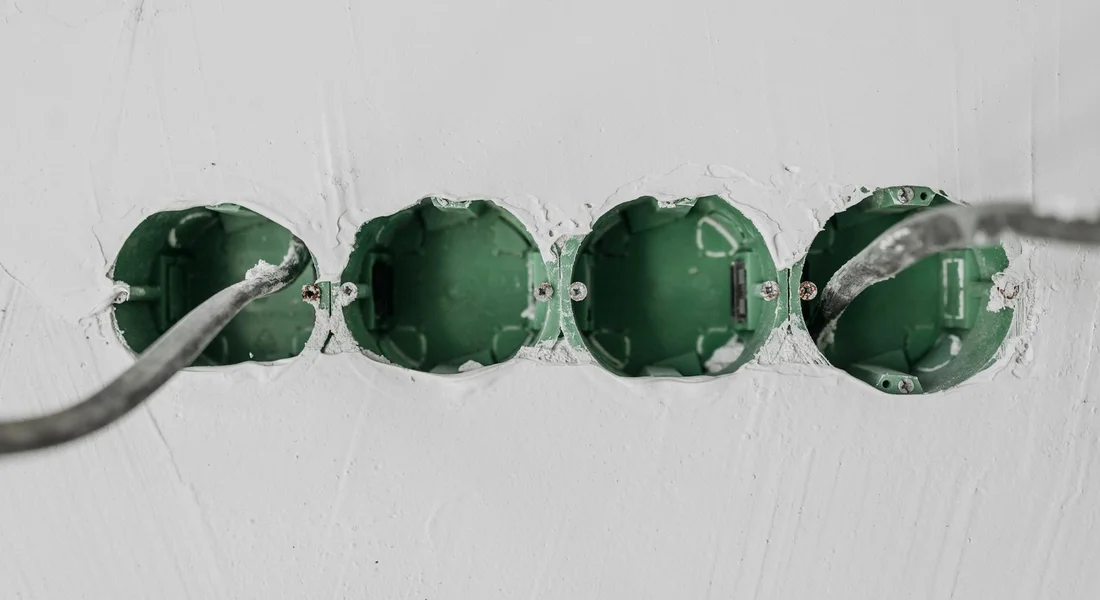
Think of your breaker like a road. A single-pole breaker is a one-lane road for 120 volts. It powers your lights and outlets. A double-pole breaker is a two-lane highway for 240 volts. Your electric water heater needs this 240V highway to run its big heating elements.
A standard double-pole breaker is the most common type you’ll find controlling an existing water heater. It has a single switch handle that controls two connected circuits, cutting off both sides of the 240V power.
A tandem breaker is different. It puts two separate 120V circuits into one panel slot to save space. Do not use a tandem for a water heater. It cannot provide the correct 240V connection and is a fire hazard.
Safety Breaker Types
Beyond the physical style, breakers have different safety jobs.
- Standard Thermal-Magnetic: This basic breaker trips for overloads (too much current) and short circuits.
- GFCI (Ground Fault Circuit Interrupter): This lifesaver trips in a fraction of a second if it detects a ground fault, like electricity leaking into water. It prevents severe shocks.
- AFCI (Arc Fault Circuit Interrupter): This breaker detects dangerous electrical arcs from damaged wires. It’s typically required for bedroom circuits, not water heaters.
Are GFCI Breakers Required for Water Heaters?
The National Electrical Code (NEC) updates every three years. The current rule says all 120V and 240V receptacles in garages need GFCI protection. If your water heater is plugged into an outlet in the garage, that outlet must be GFCI protected.
For hardwired water heaters, the code is moving. The 2023 NEC began requiring GFCI protection for all 240V water heaters. Many local areas adopt codes slowly.
The bottom line is this: if you are installing a brand-new water heater, plan on using a GFCI double-pole breaker to meet the latest safety standards. For an older home, you likely have a standard double-pole breaker, which was perfectly legal when installed.
Recommended Products: Breaker Categories
If you need to replace a breaker, you must match the brand and series of your electrical panel. Using the wrong brand is dangerous and won’t fit correctly.
- Standard Double-Pole Breaker (e.g., 30-amp or 40-amp): For like-for-like replacement in older panels where code doesn’t require an upgrade. Common brands are Siemens QP, Square D Homeline, and GE THQL.
- GFCI Double-Pole Breaker: For new installations or upgrades for safety. Examples include the Siemens QPF2 or Square D Homeline HOM-GFCP.
Before you buy anything, open your panel door and look at the existing breakers. The manufacturer’s name and model series are printed right on them. Buy that exact type.
How to Find and Label Your Water Heater Breaker in the Panel
Never guess which breaker is for the water heater. If you’re unsure where your water heater is located, start by checking common spots like the basement, garage, or utility closet. Guessing leads to accidentally shutting off the fridge or worse, getting a shock. Knowing its location will make finding the right breaker quicker and safer. Here’s the safe way to find it.
Tools & Material Checklist
- Non-contact voltage tester
- Flashlight
- A helper (or a portable radio set to high volume)
- Permanent marker
- Step ladder (if panel is high)
Step-by-Step Identification Method
- Prepare the Area. Go to your water heater. On the upper thermostat access panel, you’ll find a warning label that states the voltage and amperage. Note it (usually 240V, 30A). This confirms what you’re looking for.
- Create a Signal. You need a way to know when the power is cut. Two reliable methods:
- Helper Method: Have your helper stand by the water heater. Tell them to listen for a distinct “click” from the upper thermostat area about 30 seconds after the power is cut.
- Solo Lamp Method: If your heater has a drain valve with a standard 120V outlet next to it, plug a lamp into it and turn the lamp on. When you hit the right breaker, the light will go out.
- Go to the Panel. With your flashlight and voltage tester, go to your main electrical service panel. Do not touch the panel interior with your hands. Use the back of your hand to open the metal door if needed.
- Test and Turn Off. Using your non-contact voltage tester, check that it works on a known live wire. Then, starting at the top, flip one double-pole breaker to the OFF position. Wait 30 seconds. Check with your helper or look at your lamp. If the signal is gone, you found it. If not, turn that breaker back ON and move to the next double-pole breaker.
- Verify with the Tester. Once you think you’ve found it, go back to the water heater. Carefully remove the upper access panel (usually one screw). Use your non-contact voltage tester to check the wires going into the top thermostat. If the tester shows no voltage, you have confirmed the correct breaker.
- Label It Clearly. Go back to the panel. Use your permanent marker to write “WATER HEATER” clearly on the panel’s directory sheet. If the sheet is missing, write it directly on the metal door next to the breaker switch. This is critical for any future emergency or repair work.
If you’re working alone without an outlet, a loud portable radio placed on top of the heater works. When you kill the power, the radio will go silent. Just make sure it’s the only thing on that circuit.
Electrical Code and Safety Compliance Check
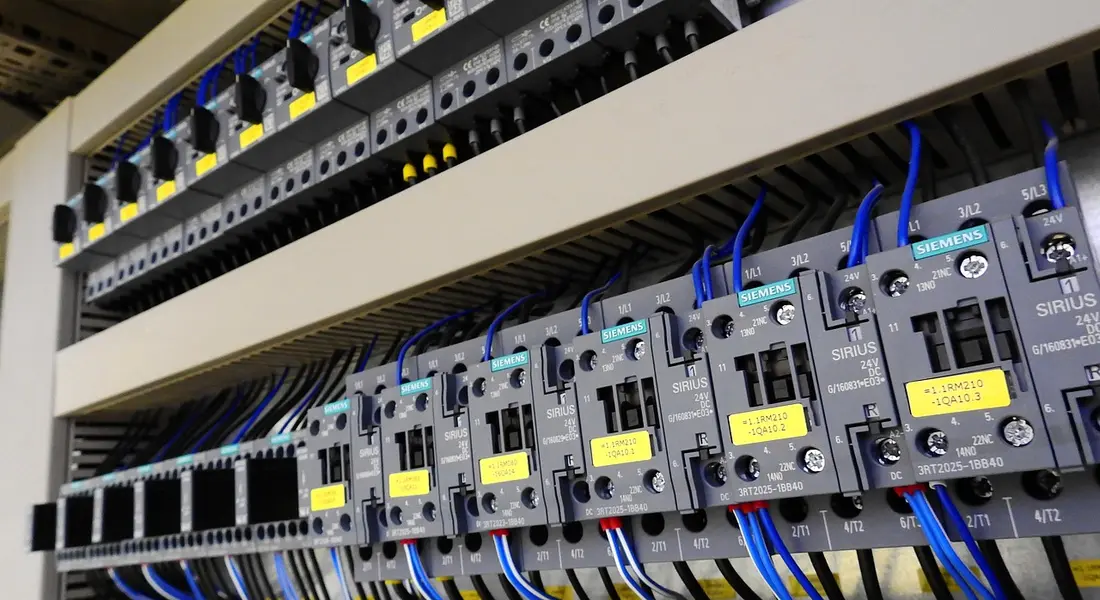
The National Electrical Code (NEC) is your rulebook. It is not a suggestion. Local inspectors use it to pass or fail work. Your insurance company uses it to determine if they pay for a fire. You should use it to stay alive.
Knowing a few key rules helps you understand what a professional should be doing. For a standard 4500-watt electric water heater, you calculate the amperage (4500W / 240V = 18.75A). The breaker must be sized at 125% of that load, which is why you almost always see a 30-amp double-pole breaker for these units. The wire gauge, typically 10-gauge copper, is matched to that breaker size to prevent overheating. In cases where the breaker trips, a quick look at an electric water heater tripping breaker guide can help pinpoint the cause. It often covers overloads, short circuits, and faulty elements that trigger trips.
GFCI protection is now required for all 120V and 240V receptacles in garages, unfinished basements, and within 6 feet of any sink. If your water heater is plugged into an outlet in one of these areas, that outlet needs a GFCI breaker or receptacle. This can save your life.
You can look at your panel to identify the breaker. You can even turn it off to work on the heater. Do not open the panel to change a breaker or wiring yourself unless you are a licensed electrician. This work requires a permit and an inspection for a reason. The code exists to prevent fires and electrocution. Treating it as optional is a major risk.
Red Flags: Troubleshooting a Problem Water Heater Breaker
Some problems mean you need to stop right now. If you notice any of these, shut the breaker off and call an electrician immediately.
- The breaker feels warm or hot to the touch.
- You smell anything burning near the electrical panel.
- You see scorch marks, discoloration, or melting on the breaker.
- The breaker trips the instant you try to reset it.
Other issues point to a problem with the heater itself, not the panel wiring. A breaker that trips only after the heater has been running for a while often points to a failing heating element that’s shorting out as it gets hot. This is a repair for the water heater, not the breaker. Understanding why water heater reset trips occur can help you pinpoint the right fixes and prevent repeat outages. The following sections cover the common causes and practical solutions for reset trips.
For gas water heater owners searching “should i see a flame in my water heater,” remember the electrical part is separate. If a gas unit has no power, the issue is often at the control panel or thermocouple, not with a visible flame. No power means the gas valve won’t open, so you’ll see no flame at all.
System Maintenance Roadmap for Electrical Safety
Once a year, do a simple visual and auditory check. With the panel cover on, look at your water heater breaker. Ensure the area is dry. Listen for any unusual buzzing or sizzling sounds from the panel. Inside your home, check that the space around the water heater is dry and free of clutter. This five-minute check can alert you to small problems before they become expensive or dangerous emergencies.
Your Action Plan: DIY Steps and the Pro Call
DIY vs. Pro: The Verdict and Difficulty
Finding and labeling your water heater’s breaker is a simple, safe task I rate a 2 out of 10 for difficulty. The work happens on the outside of the electrical panel and just requires observation—especially when you need to check if the water heater is on.
Opening the panel to replace a breaker or mess with wiring is a dangerous 9 out of 10, and that’s licensed electrician territory every single time. I tell my neighbors the same thing I’ll tell you: respect the box. Mistakes here can kill you or burn your house down.
What You Can (and Should) Do Yourself
A confident homeowner can handle three key tasks. This gets you the information you need without touching a single wire.
- Read the Nameplate
Your water heater has a manufacturer’s sticker, usually on the side near the top. Find it. Look for the wattage (W) or voltage (V) and amperage (A) ratings. Write these numbers down. These values come in handy when you test voltage components of the water heater. They help you verify electrical specs during checks and ensure safe handling.
- Calculate the Needed Amperage
Most residential electric water heaters are 240-volt systems. If your nameplate shows watts (e.g., 4500W), use this formula: Watts / Volts = Amps. So, 4500W / 240V = 18.75 Amps. This calculation tells you the minimum breaker size your heater requires. However, always consult the manufacturer’s specifications for proper breaker and wiring sizes to ensure compliance with electrical and venting requirements. The standard size for this example would be a 30-amp double-pole breaker, which provides a safe buffer.
- Find and Label the Breaker
Go to your main electrical panel. Have a helper stand at the water heater. One by one, turn breakers off and on while your helper yells when the heater loses power. The breaker that controls the heater will be a double-pole switch, meaning two linked toggle switches that are twice as wide as a standard one. Once you find it, put a clear label on the panel cover next to it. “Water Heater” is perfect. My own panel has a faded label I made ten years ago. It still saves me time.
When You Absolutely Must Call an Electrician
Knowing when to stop is more important than knowing how to start. Call a licensed pro immediately if you see any of these red flags or need any of this work done.
- You need to replace a failed breaker.
- The breaker trips repeatedly, indicating a problem deeper than a simple reset.
- The wiring inside the panel looks damaged, discolored, or you smell burning.
- You see sparks (arcing) when a breaker is moved.
- Your calculation shows you need a different amperage or type of breaker (like switching from a standard to a GFCI breaker for a new installation).
- The existing breaker does not match the wire size connected to it (a major fire hazard).
You’re Already Ahead of the Game
Walking into a situation with the right information puts you in control. If you do need to call an electrician, you can say, ‘My 4500-watt, 240-volt water heater needs a 30-amp double-pole breaker, and the old one is on the right side of the panel.’ That saves them diagnostic time, makes you look informed, and often saves you money on the service call. You handled the safe, logical part. Let them handle the dangerous, technical work.
Common Questions
What does the correct breaker for my water heater look like in the panel?
It will be a double-pole breaker, meaning it has one switch handle that’s twice as wide as a standard one. This controls both sides of the 240-volt circuit your heater needs. Look for a label like “30A” or “40A” on the switch handle.
Is a GFCI breaker required for my water heater?
For new installations following the latest code, yes-a GFCI double-pole breaker is required. If you’re replacing an old, working breaker in an existing setup, it’s likely a standard type. When in doubt, especially for a new heater, plan on using a GFCI breaker for maximum safety.
Can I just match the new breaker to the old one’s amp number?
Yes, but with a critical safety check first. You must verify the wire gauge connected to the breaker is correct for that amperage. Never install a larger amp breaker than what the wiring is rated for, as this is a major fire hazard.
My water heater breaker keeps tripping. Does this mean I need a bigger breaker?
Almost never. A properly sized breaker that trips is doing its job, telling you there’s a problem. The issue is usually a failing heating element or a short in the unit. Installing a larger breaker on the existing wiring is extremely dangerous.
I’ve found the breaker. Is it safe for me to replace it myself?
No. Identifying and turning off the breaker is safe DIY work. Opening the panel to replace or wire a breaker is dangerous, licensed electrician territory. Mistakes here can lead to electrocution or fire. Your job is to find it and label it clearly.
Final Tips for Your Water Heater’s Circuit Breaker
Always start by finding the dedicated breaker in your electrical panel before touching the water heater. Confirm it’s a double-pole breaker with the correct amperage, like 30 or 40 amps, to keep everything running safely. For a complete safety check, refer to the water heater safety guidelines before proceeding with any maintenance.
Written by Bob McArthur. Bob is a an HVAC and plumbing industry veteran. He has professionally helped homeowners resolve issues around water softeners, heaters and all things related to water systems and plumbing around their homes. His trusted advice has helped countless of his clients save time, money and effort in home water systems maintenance and he now here to help you and give you first hand actionable advice. In his spare time, Bob also reviews home water systems such as tankless heaters, water softeners etc and helps home owners make the best choice for their dwelling. He lives around the Detroit area and occasionally consults on residential and commercial projects. Feel free to reach out to him via the contact us form.