Well Water Pump Guide: How to Choose and Install the Right One
Your well pump just failed, and now you’re staring at a confusing list of options. Picking the wrong one wastes money and leaves you without water.
This article cuts through the noise. We will cover jet pumps versus submersible pumps, key selection factors like well depth and household demand, and basic installation steps.
I’ve swapped pumps in my own basement and fixed bad installs on service calls for years. Get the pump type wrong for your well depth, and you’ll be doing this job again in six months.
The Four Main Types of Well Pumps Explained (Without the Jargon)
Think of picking a well pump like choosing a tool. You wouldn’t use a sledgehammer to hang a picture. You need the right tool for your specific well’s depth and your home’s needs. Here are the four main tools in the toolbox.
Submersible Pump: The Workhorse in the Well
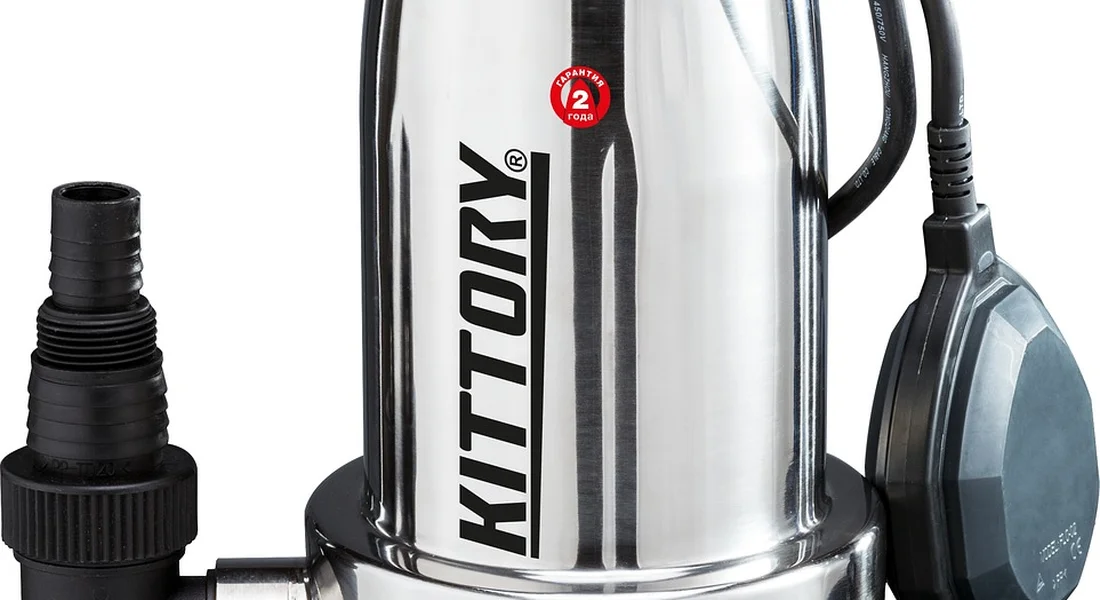
A submersible pump is like a sump pump that lives permanently in your well. The entire pump motor unit is sealed and submerged deep in the water. It doesn’t suck water up; it pushes it from the bottom. Understanding the size and flow features is key to matching a pump to your well and water needs. Different models offer varying flow rates and head pressures, which influence efficiency and performance.
You pick this one because it’s the most efficient and quietest way to get water from a deep well. Since the pump is underwater in the well casing, you hear almost nothing from inside your house. It’s the go-to choice for most modern residential wells deeper than 25 feet.
The setup is straightforward in a diagram: a single pipe runs from the submerged pump, up the well, and into your pressure tank. The big trade-off is service. If it fails, you’re pulling the entire pump up from hundreds of feet of well. This is not a DIY project for most people.
- Pros: Very quiet, energy efficient for deep wells, reliable, protected from freezing.
- Cons: Requires professional installation and specialized equipment for service. More expensive upfront than jet pumps for shallow wells.
Jet Pumps: The Above-Ground Options
Jet pumps live in your basement, garage, or well house, not in the well. They use a mix of suction and pressure to pull water up. Imagine trying to drink a thick milkshake with a long straw. A jet pump adds a booster to that suction to help pull water from shallow wells.
These are the pumps you can see, hear, and touch. Their main advantage is accessibility for maintenance and a lower initial cost for shallow wells. They are louder than submersibles because the motor is in your house. They split into two types based on your well’s depth.
Shallow Well Jet Pumps
This is the simplest system. The pump sits next to your pressure tank with a single pipe running to the well. It can only pull water from a maximum depth of about 25 feet. I installed one of these for a backyard irrigation well at my last house. It’s perfect for a simple, shallow point well or a cistern.
If you look at a shallow well jet pump diagram, you see one pipe going down to a foot valve at the bottom of the well. That’s it.
Deep Well Jet Pumps
Need to go deeper than 25 feet but don’t want a submersible? A deep well jet pump is your answer. The trick is the two-pipe system: one pipe pushes water down to a jet assembly in the well, which helps push water back up the second pipe. For deeper wells, comparing submersible vs jet pumps in depth efficiency can help you decide. Consider which option delivers the best efficiency at your needed depth.
This lets it work for wells down to about 100 or 120 feet. The setup is more complex, with two pipes running down the well casing. They are less efficient than a submersible for these depths, but they keep the pump where you can easily get to it. When planning, consider depth, flow, and pressure for a submersible well pump.
Constant Pressure Systems: For When You Hate Shower Surprises
This isn’t a new pump type. It’s a high-tech upgrade to a standard submersible or jet pump. A constant pressure system uses a variable speed drive (VSD). Instead of the pump just being ON or OFF, the drive lets the pump motor speed up or slow down to match your exact water demand.
The benefit is perfectly steady pressure. Flush a toilet while someone’s in the shower, and the shower flow doesn’t change. It eliminates the pressure roller coaster of a standard pump and pressure tank system. Because the pump starts and stops less often and runs more gently, it can also extend the pump’s life.
It’s a premium choice for comfort. You’re paying for a sophisticated controller and a special pump, but once you have constant pressure, you’ll never want to go back.
Well Pump Comparison Chart: See Your Options Side-by-Side
This chart puts the key facts in one spot. Match your well depth to the “Best For” column to narrow your choices.
| Type | Max Well Depth | Typical Location | Best For | Key Consideration |
| Submersible Pump | 25 feet to 400+ feet | Submerged in the well | Most modern deep wells. Quiet operation is a priority. | Installation & repair require a well professional. |
| Shallow Well Jet Pump | Up to ~25 feet | Basement, well house | Simple, shallow wells or cisterns. Lower upfront cost. | Depth is a hard limit. Can be noisy inside the home. |
| Deep Well Jet Pump | ~25 to ~120 feet | Basement, well house | Medium-depth wells where above-ground service is wanted. | Less efficient than a submersible for the same depth. |
| Constant Pressure System | Varies (uses sub. or jet) | Controller indoors, pump in well or house | Homes where steady water pressure is a must-have. | Higher initial investment for superior comfort and control. |
How to Figure Out “How Big of a Well Pump Do I Need?”
When homeowners ask “how big,” they usually mean power or capacity. In the pump world, “size” means two different things. You need to figure out both. The first is the physical size, which is about whether the pump will actually fit down your well casing. The second is the capacity or horsepower, which is about whether it can quench your home’s thirst.
If you don’t know the size of your well pump, you start by investigating the well itself. The specifications of your well are the non-negotiable starting point for choosing any new pump.
Step 1: Find Your Well’s Specifications
Your first move is to find the well driller’s report. This document should have been given to you when you bought the house. It lists the static water level, the well depth, and most importantly, the casing diameter. If you can’t find the size of the well pump on the old unit, this report is your golden ticket.
No report? It happens all the time. You have two main options to get the info you need:
- Static Water Level: This is the distance from the ground to the top of the water when the pump is off. You can measure it with a simple fishing line, a weight, and a tape measure. Drop the weighted line down until you hear a splash, mark the line, and measure it.
- Well Depth: This is the total depth of the hole. If you don’t have the report, you’ll likely need to call a well professional to measure it safely. Do not attempt to drop a line all the way down a deep well by yourself it’s a major safety hazard.
The casing diameter, usually 4 inches or 6 inches, is your absolute limit for how wide the pump can be. A standard 4-inch casing fits a 3.75-inch submersible pump. If you have a 6-inch casing, you have more flexibility. Trying to fit a pump that’s too wide is like trying to shove a square peg in a round hole it simply won’t go.
Step 2: Calculate Your Home’s Water Demand
Now, figure out how much water your house needs. You don’t need complex math. A solid rule-of-thumb is to count your fixtures. Think about everything running at once during a busy morning: two showers, a flushing toilet, and the kitchen sink.
For a typical 3-bedroom, 2-bath home, you’re generally looking at a system that can deliver 8 to 12 gallons per minute (GPM). Here is a simple way to estimate:
- Each bathroom group (toilet, sink, shower/tub): Add 3-5 GPM.
- Kitchen sink and dishwasher: Add 3-4 GPM.
- Washing machine: Add 3-4 GPM.
- Outdoor spigot or irrigation: Add 4-6 GPM.
Add up your peak simultaneous use. This demand number directly dictates the size of your pressure tank a higher GPM need requires a larger tank to prevent the pump from short-cycling. For that 8-12 GPM range, a 20-gallon pressure tank (which holds about 5 gallons of water) is a common match.
Step 3: Putting It Together: Reading Pump Curves (The Simple Version)
Now you have your two key numbers: your well’s depth (or pumping water level) and your home’s needed GPM. This is where the pump performance chart, or “curve,” comes in. It looks complicated, but you only need to understand one thing.
Find the curve for a pump model you’re considering. On the bottom of the chart is “Flow (GPM).” On the side is “Total Dynamic Head (TDH),” which is essentially your well depth plus the pressure needed to push water through your pipes. Find where your needed GPM meets your well’s depth on the chart.
The pump you choose must have a curve that shows it can deliver your target GPM at your specific well depth without straining. If your point is on the far right, steep drop-off of the curve, the pump will be working too hard and will fail early. You want your operating point to be in the middle, flatter part of the curve for efficiency and longevity.
Think of it like this:
| Your Situation | Pump Choice Focus |
| Shallow well (less than 25 ft.) with high demand | A jet pump or high-flow submersible. Horsepower matters for GPM. |
| Deep well (over 100 ft.) with moderate demand | A submersible pump. The focus is on enough power to lift the water, then deliver the GPM. |
| Deep well with low demand (a cabin) | A smaller, lower GPM submersible. Don’t buy more pump than you need. |
Your final pump must be matched to both your well’s depth and your home’s thirst. Getting one right and the other wrong leads to no water, or a dead pump.
The DIY vs. Pro Verdict: What Can You Actually Handle?
Let’s get straight to it. The difficulty rating for replacing a submersible well pump is an 8 out of 10. It’s a major job. I’ve done it on service calls, and the idea of tackling it alone at my house with my own well gives me pause.
Pulling a submersible pump is a two or three person job that requires specialized tools and involves real risk. You need a proper well cap wrench, a heavy-duty hoist or tripod, and pipe wrenches that can handle hundreds of feet of waterlogged drop pipe. One slip can send the pump crashing down the casing, turning a repair into a catastrophic fishing expedition.
What a Handy Homeowner Can Safely Do
Your zone of control is everything from the well cap outward. If you’re comfortable with basic wiring and plumbing, you can handle these common fixes.
- Replace a faulty pressure switch or pressure gauge on the tank.
- Troubleshoot and repair wiring between the pressure switch and the electrical panel.
- Drain and recharge a waterlogged pressure tank.
- Install or replace a whole-house sediment filter on the main line.
- For a shallow well (less than 25 feet deep), you can install a new shallow well jet pump in a basement or pump house. This is a straightforward plumbing and wiring job on dry land.
These tasks solve a lot of common “no water” or “low pressure” problems. Always shut off power at the breaker before working on any electrical components.
The Firm Line: When You Must Call a Pro
Any work that requires opening the well seal or reaching into the casing demands a licensed well professional. This isn’t just about difficulty. There are major safety and legal risks. A compromised well seal can let surface contaminants seep into your drinking water. In most areas, only licensed contractors can legally pull and reinstall pumps to protect the groundwater supply.
If your problem is with the pump itself, the drop pipe, or the wire inside the well, make the call. The cost is worth the guarantee of a safe, code-compliant, and sanitary water source.
What to Expect When Buying and Installing a Well Pump
This is where theory meets reality. You have a rough idea of what pump type you need. Now you need to get it bought and put in the ground without financial surprises.
Real-World Costs for the Pump and Professional Installation
I tell homeowners to budget for two parts: the hardware and the labor to install it. The total swings wildly based on your well’s depth, pump type, local labor rates, and any extra parts needed.
Professional installation is the major cost. A full submersible pump replacement for a standard 200-400 foot well typically runs between $1,800 and $3,500 total. That price includes the pump, new wiring, pipe, and the day’s labor. For a shallow well jet pump, installation might be $800 to $1,500 because it’s less labor-intensive.
You are not just paying for the hour they are lifting the pipe. You are paying for the skill to get it right the first time, the truck full of specialized tools, and the warranty on their work. A bad splice or a poorly set pump can cost double to fix later.
Do I Have to Go With a Wayne Well Pump?
I get this question a lot. Homeowners hear one brand name and think it’s the only good one. Wayne, Goulds, Grundfos, Franklin-they all make reliable pumps. The brand on the box is less critical than two other factors.
First, proper sizing. A 3-horsepower pump is overkill for a 150-foot well with two bathrooms. It will cycle on and off too much and burn out early. A pro will size it based on your well’s yield and your home’s demand.
Second, quality installation. A top-tier pump installed with poor electrical connections will fail. A mid-grade pump installed perfectly by a meticulous technician will last for years. Focus less on the logo and more on finding a contractor who details their sizing calculations and stands behind their install.
How Big a Generator for a Well Pump?
If you lose power, your pump stops. To run it on a backup generator, you must account for the massive burst of power it needs to start spinning. This is called the “starting wattage” or “surge wattage.”
- A standard ½ HP submersible pump needs about 2,100 starting watts.
- A 1 HP submersible pump needs around 4,000 starting watts.
- A ¾ HP shallow well jet pump needs about 1,400 starting watts.
Your generator’s rated or surge wattage must exceed your pump’s starting wattage requirement. A 5,000-watt generator can usually handle a 1 HP pump, but always check the specs on your specific pump model. Don’t forget to add watts for your fridge, a few lights, and your control box.
Integrating Your Cost Questions
Let’s tie the costs together. The biggest factor in your final price is well depth. Deeper wells need more pipe, more wire, and sometimes a more powerful pump. Labor is the other huge variable. A straightforward swap with easy access is cheaper. A job requiring a special rig to pull a stuck pump from deep underground can double the labor time and cost.
Always get a detailed, written estimate that breaks out parts and labor. Ask what happens if they hit a snag, like a stuck pipe. A reputable installer will explain their process and potential additional costs before they turn a wrench.
The “Red Flag” Troubleshooting Guide: Is Your Pump Failing?
Your well pump should work quietly and reliably for years. When it starts sending you signals, you need to listen. Ignoring these signs can lead to a dry tap or a very expensive repair. Here are the urgent warnings to watch for.
Air Sputtering From Taps
You turn on the kitchen faucet and it coughs and spits before the stream runs clear. This isn’t normal. Air in your water lines means air is getting into the system somewhere between the pump and your faucet.
A constant stream of air bubbles points directly to a failing check valve or a leak in the drop pipe inside your well. The check valve’s job is to hold water in the pipes so the pump doesn’t have to start from empty every time. If it’s stuck open or broken, water can drain back into the well, sucking air in behind it.
First, listen at the wellhead. A hissing or gurgling sound after the pump shuts off confirms water is draining back. The fix is pulling the pump to replace the check valve (usually on the pump itself) and inspecting the pipe for leaks. I had to replace a sunken check valve on my own deep well submersible last season. It’s not a fun job, but it’s straightforward for a pro.
Dramatic Loss of Pressure
Your shower becomes a weak drizzle. The washing machine takes forever to fill. A gradual decline might be a clogged sediment filter or a failing pressure tank. A sudden, severe drop is a major red flag.
A sudden, severe pressure loss often means the pump is failing to lift water, potentially due to a broken impeller, a clogged intake screen, or a more serious issue like a falling water table.
Before you panic, rule out simple problems. Check and replace any whole-house sediment filters. Look for a leaking pressure tank (tap the tank; it should sound hollow on top and solid on the bottom). If those are fine, you need to test the well’s yield. Time how long it takes to fill a 5-gallon bucket. If the flow is weak, the pump may be struggling. Continuing to run it dry can burn up the motor.
Pump Cycling On and Off Rapidly (Short Cycling)
You hear the pump start, run for 10 seconds, shut off, and then start again 30 seconds later. This rapid cycling will destroy a pump motor quickly through heat and wear.
Short cycling is almost always a problem with the pressure tank or the pressure switch, not the pump itself. The pressure tank’s bladder is designed to hold compressed air to give you water between pump cycles. If the bladder ruptures, the tank becomes waterlogged and the pump turns on for every glass of water you use. Understanding the causes of well pump short cycling can help you pinpoint the fix more quickly. Common culprits include a faulty pressure switch or a waterlogged tank, and leaks can also trigger frequent cycling.
Diagnose this by pressing the schrader valve (like a tire valve) on the tank. If water comes out, the bladder is shot and the tank needs replacement. If air comes out, the problem is likely a failed pressure switch. You can test this. With the pump off, gently lift the switch’s contact arm. If the contacts are fused and don’t separate, the switch is bad. A quick temporary check is to tap the side of the switch with a screwdriver handle; if the pump stops, the switch contacts are stuck.
No Water At All (Check Power First!)
This is the most alarming sign. The handle is open, but nothing comes out. Your first move is not to call a well driller.
When you have no water, always start with a simple three point check: power at the outlet, the breaker, and the pressure switch. Well pumps are hardwired, so find the disconnect box or breaker panel that feeds it. Check for a tripped breaker or a blown fuse. Look at the pressure switch. If you see corrosion or burned marks, that’s your culprit.
Next, listen. Go to the wellhead or pressure tank. Have someone turn on a faucet. Do you hear a hum or click from the pump? A hum without pumping means the pump is getting power but not running, which could be a seized motor or a failed capacitor. No sound at all points to an electrical fault in the switch, wiring, or the pump motor itself. I once spent an hour diagnosing a “dead pump” only to find the GFCI outlet the control box was plugged into had tripped.
Recommended Products: The Categories to Look For
Stainless Steel vs. Thermoplastic Submersible Pumps
The pump itself is the heart of the system. For a submersible pump for home water systems, your main choice is the material of the pump housing.
Stainless steel housings are the standard for reliability in residential wells. They handle mineral-rich water, slight acidity, and the pressure of being hundreds of feet down for decades. My own well pump is stainless. It’s been down there for 15 years without a hiccup. You pay more upfront, but you get proven durability.
Thermoplastic or composite housings are a newer option. They won’t corrode and are often lighter, which can make installation a bit easier. They can be a good fit for wells with very neutral water. For a shallow well or a tight budget, a quality thermoplastic pump can work. Just know that extreme heat or certain water chemistries can be tough on plastic over the long haul.
Good Quality Pressure Switches
The pressure switch is the brain. It tells the pump when to start and stop based on your home’s water pressure. A cheap switch fails fast and can wreck your pump.
The numbers on the switch, like 30/50 or 40/60, are the pressure settings in PSI. A 30/50 switch turns the pump on when pressure drops to 30 PSI and off when it reaches 50 PSI. A 40/60 switch gives you higher pressure, turning on at 40 PSI and off at 60 PSI.
Most standard home systems use a 30/50 or 40/60 switch. Never install a switch with a higher “cut-off” pressure (the second number) than your pump and pressure tank are rated for. If your old switch is 30/50, replace it with a 30/50. Look for switches with a genuine metal diaphragm, not a plastic one. The few extra dollars buy a lot of reliable cycles.
Importance of a Quality Torque Arrestor and Safety Cable
These are the safety devices most DIYers forget. Don’t be that person.
When the pump starts, the motor spins and creates torque. This can make the whole pump and pipe twist and bang against your well casing. A torque arrestor is a simple clamp with a rubber bushing that grips the pipe and absorbs that twisting force. Installing a torque arrestor prevents wear on your drop pipe and protects the well casing from damage.
The safety cable is a stainless steel cable that runs from the well cap down and is securely fastened to the pump. Its only job is to catch the pump if the pipe or fittings fail. If everything lets go, that cable is what keeps a very expensive pump from plummeting to the bottom of your well. It’s non-negotiable insurance.
Get a Complete Kit for a Replacement
If you’re replacing an existing submersible pump, save yourself a major headache. Buy a complete replacement kit.
A good kit includes the pump, a pre-wired length of submersible wire, the correct pipe fittings, a torque arrestor, a safety cable, and sometimes a new check valve. A kit ensures all the components are compatible and saves you from making five separate trips to the store. You’ll be focused on the tough job of pulling and setting the pump, not scrambling for a forgotten brass coupling.
Match the kit specifications to your old pump’s horsepower, voltage, and diameter. Double-check the pipe size. Taking a clear photo of your old pump’s nameplate before you shop is the smartest five seconds you’ll spend on this project.
Keeping Your Well Pump Happy for Years
Picking the right pump is only half the job. The other half is taking care of it. A little regular attention can add years to its life and save you from a nasty, expensive surprise.
Simple Maintenance You Can Do Yourself
You don’t need to be a pro to spot problems early. A few minutes every season makes a big difference.
Check your pressure tank’s air charge twice a year. A waterlogged tank makes the pump cycle on and off too fast, which burns it out. Here’s how to check it:
- Turn off the pump’s power at the breaker.
- Open a faucet to drain all water pressure from the system.
- Use a standard tire gauge on the tank’s air valve (the one that looks like a bike tire stem).
- The air pressure should be 2 PSI below your pump’s cut-on pressure. For a common 30/50 pressure switch, that’s 28 PSI.
- If it’s low, use an air compressor to add air. If water sprays out the valve, your tank’s bladder is ruptured and the whole tank needs replacing.
Listen with a purpose. Get to know the normal sound of your pump’s cycle. When you walk by your well house or basement, pause and listen for five seconds.
- A constant grinding or screeching sound often means a bearing is failing.
- Loud rattling or banging can signal a loose pipe or a failing check valve.
- If it’s running but no water comes out, you could have a clog, a leak, or a failing impeller.
Protect it from freezing. This seems obvious, but I’ve seen it too many times. If your pump or pipes are in an unheated space, they will freeze and burst. In my own well house, I use a simple foam pipe insulation and a thermostatically controlled heat lamp for the coldest weeks. A $50 fix beats a $2,000 pump replacement.
What’s the Lifespan of a Well Pump?
People want a single number. It’s not that simple.
You can reasonably expect 15 to 25 years from a quality submersible pump installed correctly. But that’s like saying a car lasts 200,000 miles. Some die at 80,000, some go 300,000. It depends on three big things:
- Water Quality: Sand, grit, and high mineral content act like sandpaper inside the pump. This is the biggest killer.
- Usage: A pump serving a family of five cycles more than one for a couple. More cycles mean more wear.
- Electrical Supply: Frequent power surges or low voltage from the utility company stresses the motor.
A jet pump in your basement might last 10-15 years. They’re easier to service but have more parts that wear out.
The Non-Negotiable: An Annual Check-Up by a Pro
Think of this like changing the oil in your car. You might check the oil yourself, but a mechanic puts it on the lift and finds the small leak you can’t see.
Once a year, have a licensed well systems technician do a full inspection. They will test things you can’t, like the pump’s actual amperage draw, which can show a motor winding failure before it dies. They check the pressure switch contacts for burning, verify the control box capacitors are within spec, and ensure the well seal is intact to keep contamination out.
This service call costs a fraction of a new pump and installation. It finds small, cheap problems before they become big, wet, expensive disasters in the middle of the night. I schedule mine every fall, so I know the system is ready for winter.
Common Questions
Is there a difference between water well pumps and the “oil well pump types” I see online?
Yes, they are entirely different machines. The “oil well pump” (or pumpjack) you’re thinking of is for extracting crude oil, not water. For your home’s drinking water, you will be choosing from the residential types: submersible, jet, or constant pressure systems.
What do the numbers on a well pump pressure switch mean, and can I adjust them myself?
The two numbers (like 30/50) are your system’s cut-in and cut-off pressures in PSI. The pump turns ON at 30 PSI and OFF at 50 PSI. You can adjust them slightly, but doing it wrong causes dangerous short-cycling. Unless you have a specific reason and know your tank’s limits, this is a job best left to a technician.
Where can I find a manual or PDF for my specific well pump model?
Start by locating the manufacturer’s name and model number on the pump’s nameplate. Then, visit that company’s official website and search their support or literature section. If the model is discontinued, a general pump installation manual from a major brand can provide useful safety and wiring standards.
Can I replace my old jet pump with a more modern submersible pump?
Often, yes, but it’s not a simple swap. Your well casing must be wide enough (typically 4″ or more), and the electrical service may need an upgrade. This is a major conversion that requires a professional to assess your well’s specific depth, yield, and construction for a safe and efficient installation.
My pump runs fine, but the pressure fluctuates. Should I consider a constant pressure system?
If you’re frustrated by pressure drops when multiple fixtures run, a constant pressure system is an excellent solution. It provides steady pressure by varying the pump’s speed. Consult a pro to see if your existing pump is compatible or if you need a new variable-speed drive and pump package.
Putting It All Together
Start with your well’s depth and your home’s water use to narrow your choices. Then, pick a pump type that reliably fits your home’s needs and your maintenance comfort level.
References & External Links
- well pump setup: 10 Essential Steps for a Powerful 2025 Success
- Deep Well Hand Pumps – Lehmans.com
- Well Pump Buyer’s Guide – How to Pick the Perfect …
- How Do Home Well Water Pump and Pressure Systems Work
Bob McArthur
Bob is a an HVAC and plumbing industry veteran. He has professionally helped homeowners resolve issues around water softeners, heaters and all things related to water systems and plumbing around their homes. His trusted advice has helped countless of his clients save time, money and effort in home water systems maintenance and he now here to help you and give you first hand actionable advice. In his spare time, Bob also reviews home water systems such as tankless heaters, water softeners etc and helps home owners make the best choice for their dwelling. He lives around the Detroit area and occasionally consults on residential and commercial projects. Feel free to reach out to him via the contact us form.