Why Water Holds Heat: The Practical Science for Your Home
Your water heater works hard because water is stubborn to warm up and slow to cool down.
We will cover what specific heat capacity actually means, the simple science behind water’s unique property, and the direct impact on your appliances and utility bills.
I’ve serviced enough boilers and pools to know the score. Get this: understanding why water holds heat is the first step to running a more efficient home.
What Exactly is Specific Heat Capacity? A Plumber’s Definition
In your basement, your water heater fights this battle every day. Specific heat capacity is essentially water’s “thermal inertia.” It’s a measure of its stubbornness to change temperature.
Think of it like this. You turn your stove burner to high. Place a pot of water and a pot of cooking oil of equal size on that same flame. The oil gets hot fast, maybe even starts smoking. The water takes its sweet time. That’s specific heat capacity in action.
The scientific unit is joules per gram per degree Celsius (J/g°C). For us, the practical meaning is simple: water is a phenomenal sponge for heat energy, soaking up a huge amount before its own temperature climbs noticeably. This is why moving heat into or out of water takes serious equipment, like the large burners in your water heater or the big coils in a heat pump.
A common question is, “What is specific heat capacity?” You just experienced it. It’s the reason your well water stays cool in summer and why your hot water tank holds heat for hours. It’s water’s resistance to temperature change, and it’s the single most important thermal property you deal with in home water systems.
The Molecular Reason: It’s All About the Hydrogen Handshake
So why is water so stubborn? It comes down to a molecular “handshake” called hydrogen bonding. Water molecules (H₂O) are sticky. The oxygen side has a slight negative charge, the hydrogen side a slight positive charge.
These opposite charges attract, forming a temporary bond between molecules. Imagine a powerful magnet you can slide apart easily, but pulling it straight away from another magnet takes real effort. Hydrogen bonds work like that. They constantly break and reform, creating a networked structure.
When you add heat energy to water, that energy has a big job before the temperature can rise. The first wave of energy doesn’t make the molecules move faster. Instead, it’s used to break those millions of hydrogen “handshakes” holding the molecules together.
Only after expending energy to break these bonds can additional heat make the molecules vibrate and move faster, which is what we measure as a temperature increase. This process directly answers how hydrogen bonds contribute to water’s high specific heat. The bonds act as an energy sink, absorbing massive amounts of heat without a corresponding rise in temperature. How does hydrogen bonding affect water’s high specific heat? It’s the entire reason. It forces heat energy to be a demolition crew before it can be a speeding ticket.
Water Science Snippet: Why Polarity and Bonding Matter for Heat
Water’s polar nature (those slightly charged ends) is what allows hydrogen bonds to form in the first place. This isn’t just chemistry trivia. It dictates how your appliances work.
Contrast water with methane, the main component of natural gas. A methane molecule is symmetrical and non-polar. There are no hydrogen bonds between its molecules. When you add heat to methane, all the energy goes directly into making its molecules move faster. Its temperature shoots up with little energy input.
The takeaway is clear: substances with strong intermolecular forces, like hydrogen bonding in water, have high specific heat. Substances without them, like methane, have low specific heat. This is why moving heat with water is efficient for heating systems but requires robust hardware. The water won’t temperature-spike and damage things easily, but it demands a powerful heat source to get moving.
By the Numbers: How Water Stacks Up Against Common Materials
You hear that water holds heat really well. But what does that mean next to the stuff in your walls and floors? The numbers tell a clear story.
Specific heat is measured in calories per gram per degree Celsius (cal/g°C). It’s how much energy it takes to heat one gram of something by one degree. A higher number means it soaks up more heat before it gets hot.
Water holds over 4 times the heat of an equal weight of air, and 10 times the heat of copper pipe. That’s the kicker. When your water heater warms up a tank, it’s building a massive reservoir of thermal energy that gets doled out slowly.
Why Water is the MVP in Your Home Systems
This isn’t just a science fact. It’s the engineering reason behind your home’s comfort.
Your hot water system relies on this. The water in your tank heater stores so much energy that you can draw a hot shower while cold water enters the tank, without the whole system cooling down instantly.
Radiant floor heating uses this principle. PEX tubing carries warm water through a concrete slab. The water heats the concrete, and because both materials hold heat well (water especially), the floor releases warmth steadily for hours, even after the boiler cycles off.
The high specific heat of water makes it a stable, efficient carrier of energy from your boiler or heater to where you need it. A material that heats up too fast also cools down too fast. Water’s resistance to temperature change is its superpower. This means it can store a significant amount of heat energy before its temperature rises.
FAQ: How does water compare to other substances in terms of specific heat?
As the table shows, water’s specific heat is exceptionally high compared to most common solids and gases. Few everyday materials come close. This unique property is why water is the universal choice for hydronic heating and cooling, engine coolant, and even why large bodies of water moderate coastal climates. For your home systems, it simply has no practical equal for the job. These water heating properties and heat rates—how quickly water takes in and releases energy—define water’s performance in systems. Understanding these rates helps optimize system sizing and energy efficiency for home setups.
Why This Matters for Your Home’s Water Systems
Forget the lab. This science matters in your basement and behind your walls. Water’s stubborn ability to hold heat directly shapes how your equipment works, how much energy it uses, and how comfortable you feel. Let’s translate that molecular handshake into practical home mechanics.
For Your Water Heater: Efficiency and Consistency
Think of your water heater tank as a thermal battery. Because water has a high specific heat, it soaks up a lot of energy (from the gas burner or electric elements) to get hot. The benefit? It also gives up that heat very slowly. That steady output is controlled by the thermostat, which holds the water at a target temperature. Small adjustments to that set point can cut energy use without sacrificing comfort. Your water heater isn’t constantly reheating the same tank of water, which saves you significant money on your energy bills.
Once the system is up to temperature, you get steady performance. That’s why, after the initial cold water is purged from the line, your shower temperature stays consistent. The hot water coming from the tank retains its heat so well that minor draws don’t cause wild swings at the tap.
Code & Compliance Check: Every water heater’s sizing (its BTU/hour input and gallon capacity) is calculated by engineers who have baked water’s specific heat into the math. This is non-negotiable. When you tamper with the thermostat, you’re not just changing water temperature. You’re altering the energy load on safety components like the Temperature and Pressure Relief (TPR) valve, which is rated for a specific BTU capacity. Crank the heat too high, and you risk exceeding that safety rating. Understanding water heater temperature safety settings helps balance comfort with safety. Keeping temps within recommended ranges reduces scald risk and protects safety components.
For Your Plumbing and Hydronic Heating: The Silent Performer
This property is why your hot water even makes it to the faucet. As hot water moves through your pipes, its high specific heat capacity fights against cooling down. This reduces standby heat loss and means you don’t need a booster heater halfway across the house. For recirculating loops, it makes the entire concept efficient.
In a hydronic radiant heating system (like in-floor heat or baseboard radiators), this is the star of the show. Water can carry a massive amount of heat compared to air. This allows a hydronic system to operate at a lower, gentler temperature while still delivering even, comfortable warmth, unlike forced-air systems that blast hot air then cycle off. The water in the tubes releases its heat slowly and steadily over a long period.
The DIY vs. Pro Verdict (Difficulty 8/10): You can maintain a hydronic system-bleeding air from radiators, checking pressure gauges. But designing or modifying one? Leave it to a pro. They perform precise heat loss calculations for each room and determine required flow rates (in gallons per minute) and BTU output. These calculations are entirely dependent on water’s specific heat and the temperature differential (ΔT) you plan to use. Get this wrong and you’ll have cold rooms or a wasteful, overworked boiler.
For Your Water Softener and Filtration: Protecting the Process
Most chemical and physical processes are temperature-sensitive. The ion exchange in your water softener and the reactions in certain filters work best within a consistent temperature range. Because your home’s incoming water temperature is relatively stable year-round (thanks in part to ground temperature and your water heater), your treatment systems get a steady feed, which leads to predictable performance.
There’s another subtle factor. Warm water can hold slightly less dissolved hardness minerals (calcium and magnesium) in solution than cold water. In practice, for a homeowner with extremely hard water, this means a softener might be slightly more effective on cold inlet water. It’s a minor point, but it’s part of why a professional might upsize a softener slightly in very cold climates-they’re accounting for the real-world physics of your specific water.
The Bigger Picture: Bodies, Homes, and the Planet
You now know the science of why your water heater works so hard. Let’s look at why this same property matters far beyond your basement.
How Your Body Uses Water as a Thermal Buffer
Your body is about 60% water, and that’s not an accident. Your cells use it as a built in temperature control system.
When you get hot, your body pumps water to the skin as sweat. Water’s high heat capacity is the key. It can soak up a massive amount of your body’s heat before it even begins to evaporate.
This is why sweating is so effective for cooling you down a single gram of sweat can remove over 500 calories of heat from your body as it evaporates.
Your blood is mostly water, too. It acts like your home’s radiant heating system, but in reverse. As blood circulates, it absorbs excess heat from your core and muscles. It then moves that heat to your skin where it can be released.
This process keeps your internal temperature stable. For living systems, water’s high specific heat creates a stable internal environment, preventing the rapid temperature swings that would damage sensitive cells and chemical processes.
How This Property Helps Moderate Your Local Climate
Think about your local lake or ocean. It works like a giant, natural thermal mass for your entire region. This is often called the “lake effect,” but it’s more about moderation than snow.
In summer, the sun beats down. The land heats up quickly, but the water warms very slowly because of its high heat capacity. The air over the water stays cooler. Breezes blow from the water to the land, bringing relief.
In winter, the opposite happens. The land loses heat fast and gets cold. The water, still holding its summer warmth, cools down slowly. It releases stored heat, warming the air above it and the nearby land.
This is why coastal cities and towns near large lakes have milder, less extreme temperatures than areas far inland.
This has a direct impact on your home. If you live near a large body of water, your local climate has a natural buffer. Your home experiences fewer drastic temperature swings.
This environmental buffering means less strain on your home’s heating and cooling systems, which can lead to lower energy use over time.
Home System Maintenance Roadmap: Working With Water’s Heat
The science means water holds heat stubbornly. For your home systems, this is a double-edged sword. It makes water great for storing and moving warmth, but it also means inefficiencies and corrosion can hide in plain sight. This roadmap gives you the specific checks to keep thermal performance sharp.
For Hydronic/Radiant Heating Systems
These systems rely on water to ferry heat from your boiler to your floors or radiators. Any problem that slows the water or blocks heat transfer forces your boiler to work harder and longer. You feel cold spots and hear strange noises. An annual tune-up keeps it silent and effective.
Start with the annual boiler inspection and pressure check. Look for leaks, listen for odd sounds from the circulator pump, and verify the pressure. Most residential systems run between 12 and 15 psi when cold. If it’s low, use the boiler’s fill valve to bring it up. If it’s consistently high (over 25 psi), you likely have a failed expansion tank.
Bleeding air from the lines is your best tool for maintaining heat transfer. Air is an insulator. A pocket of it in a baseboard radiator or an upstairs loop will block the hot water. You’ll know because that section stays cold. To fix it, locate the bleeder valve on the end of the radiator or the highest point in the zone. Place a cup under it, open the valve slowly with a key, and let the hissing air escape until a steady stream of water flows. Then close it tight.
Make monitoring system pressure gauges a weekly habit during heating season. A sudden drop often means a leak. A slow, steady rise usually points to a waterlogged expansion tank or a failing fill valve. Catching this early prevents pressure relief valves from blowing and water from damaging your boiler.
For Water Heaters
Hot water accelerates everything, especially corrosion and mineral buildup. Your maintenance goal is to protect the tank and ensure every watt or BTU goes into heating water, not fighting scale. Ignore this and you pay for it with higher bills and premature failure.
Annual anode rod inspection is non-negotiable. This rod sacrifices itself to protect your steel tank from corrosion, and hot water eats it alive. Knowing why it’s important helps you understand its role better. Shut off the power (or gas) and the cold water supply. Drain about 10 gallons from the tank to lower the water level below the rod’s port. Unscrew it. If it’s less than 1/2 inch thick or is heavily coated in calcium, replace it. A coated rod can’t protect your tank.
Flushing sediment annually directly fights thermal inefficiency. Minerals drop out of heated water and collect at the bottom. That sediment acts like a blanket, insulating the water from the burner or heating elements. Connect a garden hose to the drain valve, run it to a floor drain or outside, and open the valve. Let it flow until the water runs completely clear. If the valve is clogged, you may need to close it, briefly reopen the cold supply to stir the tank, and try again.
Checking and insulating hot water pipes is the easiest efficiency win. Feel the pipes running from your heater. If they’re warm, you’re losing heat into your walls and basement. Slip pre-slit foam pipe insulation over every accessible hot water pipe, especially the first 10 feet from the tank. This keeps the water hotter for your shower and reduces how often the heater cycles on.
The “Red Flag” Troubleshooting Guide
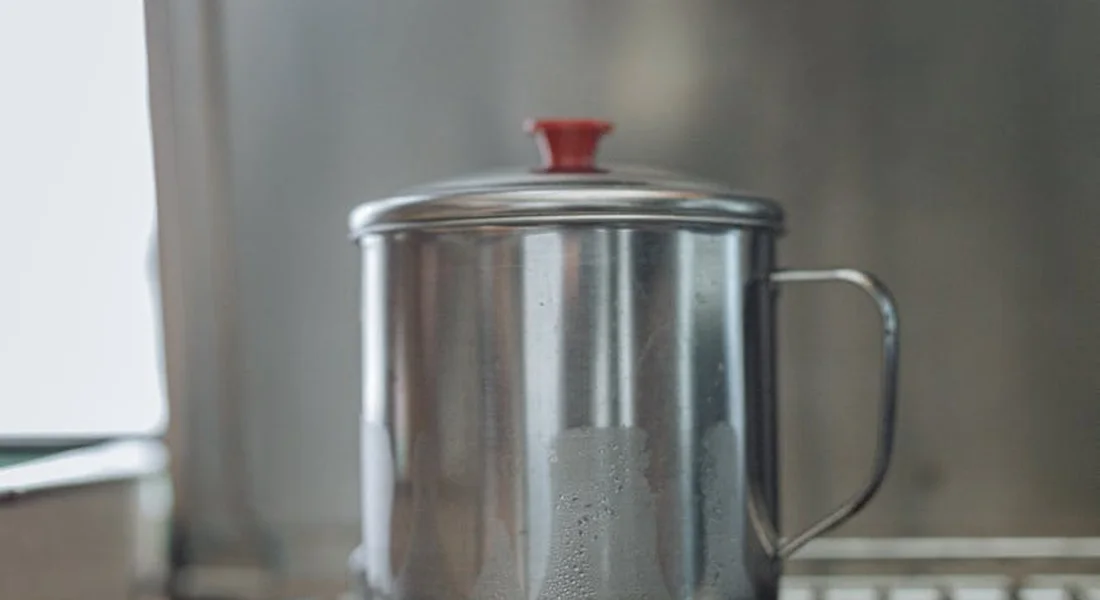
You don’t need a science degree to see water’s high heat capacity in action. You see it every time your plumbing acts up. Many common problems in your home are directly tied to heat not moving correctly through water. Here’s how to spot them.
Hot Water Runs Out Extremely Fast
This feels like a small water heater, but it’s often a heat transfer failure. Your tank has a plastic dip tube that sends cold water to the bottom to be heated. If this tube cracks or dissolves, cold water mixes at the top. The heater can’t grab and heat that water efficiently.
Your first check should be the dip tube, as a failed one sabotages the entire heating process.
You can often confirm this. Run the hot water for a minute, then feel the pipe coming out of the water heater. If it’s cool or lukewarm while the tank itself is hot, you’ve likely got a bad dip tube. Replacing it is a standard plumbing repair.
One Room is Cold in a Radiant Floor System
Radiant heat uses water in loops to warm your floors. If one loop has an air pocket or a flow problem, the heat-carrying water can’t circulate. That room stays cold because the thermal energy is stuck, not moving.
Start by checking the manifold. Each loop has its own flow meter. Compare them. A loop with no flow or significantly lower flow than the others is your culprit.
Air locks are a common enemy here; purging the system to remove trapped air often restores proper flow and heat. You may need to isolate the problem loop and use a transfer pump to force water through it and push the air out.
Water Heater is Constantly Running
A heater that never seems to satisfy its thermostat is struggling to store heat. Water’s ability to hold heat is being defeated by a loss of system integrity. Three main causes are at play:
- Sediment: A thick layer of sand or minerals at the tank bottom acts like a barrier. The burner or element heats the rock, not the water.
- Scale: Hard water scale coats the heating element itself, insulating it from the water it’s trying to heat.
- Failing Element: The electric heating element itself is degraded and can’t transfer energy effectively.
For electric heaters, you can test the elements with a multimeter for continuity. For all tanks, an annual flush to remove sediment is the best preventative maintenance you can do.
Pipes are Knocking When Hot Water Runs
This is a direct demonstration of thermal expansion. Water expands when you heat it. If it’s trapped in a pipe between a closed valve and the water heater, that expanding water has nowhere to go. It hammers against the restriction, causing loud knocking sounds called water hammer.
This knocking isn’t just noisy; the repeated pressure spikes can stress joints and eventually cause leaks.
The fix is to give that expanding water a place to go. Check that your system has a working thermal expansion tank installed on the cold water line near the heater. If you have one, it may be waterlogged and need to be recharged or replaced.
Recommended Products & Tools Checklist
Water’s stubborn ability to hold heat isn’t just a science fact. It’s a daily reality for your water heater, your pipes, and your wallet. The right gear helps you work with this property, not against it, saving energy and preventing problems.
For Efficiency & Maintenance:
This category is about trapping heat in the water and in the system. It’s the easiest way to save money and reduce strain on your equipment.
-
Pipe insulation sleeves (foam) for hot water lines.
This is your number one, low-cost win. That hot water sitting in your pipes after you shut off the shower? It cools down fast without insulation. Sleeves slow that heat loss dramatically. You get hot water faster at the faucet and waste less energy. I wrapped the lines in my own basement, and the difference at my kitchen sink was noticeable. Get the pre-slit foam tubes that fit your pipe diameter and seal the seams with foil tape.
-
Water heater insulating blanket (for older, non-integrated models).
If your tank feels warm to the touch, it’s bleeding money. A fiberglass blanket adds an extra layer of insulation. This is only for older tanks without built-in high-efficiency insulation. Check your manual first. Never cover the top, thermostat access panels, or the pressure relief valve. Doing it wrong is a fire hazard.
-
Digital infrared thermometer to check pipe and radiator surface temperatures.
This tool turns guesswork into fact. Point it at a pipe to see its surface temp. Use it to find cold spots in baseboard heaters (which mean air blocks) or verify your pipe insulation is working. A simple check: measure the temperature of a hot water pipe at the heater and again 10 feet away. A big drop means you need insulation. I use mine at least once a month for a quick system scan.
- Point the laser at the surface you want to check.
- Press the button to get a reading.
- Compare temperatures along the length of a hot water line or across different fins on a radiator.
-
High-quality hydronic system air vent (like an automatic micro-vent).
Air is the enemy of hot water heating systems (like boilers for radiators). Air pockets get trapped, blocking the flow of hot water. This makes the system noisy and inefficient. An automatic vent, installed at high points in the system, purges this air continuously. If you hear banging or gurgling, you likely need to vent. Installing one quieted down my second-floor radiator completely.
Tools for the DIY Thermal Checks:
These are the hands-on tools for maintaining the heart of your hot water system-the water heater itself. Sediment buildup insulates the heating element from the water, making it work harder.
-
Basin wrench (for anode rod checks).
This long, T-shaped wrench is the only practical way to remove the anode rod from the top of your water heater. This rod sacrifices itself to protect your tank from corrosion. Check it every 2-3 years. If it’s less than 1/2 inch thick, replace it. A spent rod lets your tank rust out fast.
-
Hose and bucket for heater flushing.
You need a standard garden hose to connect to the drain valve at the bottom of the tank. Flushing removes sediment that acts like a blanket, forcing the burner or element to use more energy to heat the water. Do this once a year. Turn off the power or gas to the heater before you start. Let the water run into the bucket until it runs clear.
-
Adjustable wrench, pipe tape.
The adjustable wrench is for opening the drain valve and closing it back up tight. Use pipe tape (Teflon tape) on the threads of the new anode rod or any fittings you disconnect. This ensures a watertight seal when you reassemble everything. Two wraps in the direction of the threads is all you need.
When to Seek Professional Help
Knowing when to call a pro saves money, prevents damage, and keeps you safe. This isn’t about discouraging DIY. It’s about recognizing the line where experience and licensing matter most.
Any time you are designing or significantly altering a closed-loop heating system (radiant floor, baseboard).
These systems are unforgiving. A mistake in sizing the boiler, the pump, or the piping layout doesn’t just cause a leak. It creates cold spots, wasted energy, and noise you can’t fix without tearing up floors or walls.
You need a pro to calculate the heat load, size the components correctly, and ensure proper air elimination and expansion control. I once helped a neighbor retrofit his basement. We thought we could just extend the existing baseboard loops. The result was a barely-warm new room and a now-too-loud pump struggling to push water through the added resistance. A pro had to redo the manifold design.
Steps they take that are hard to DIY:
- Performing a Manual J heat loss calculation for your home.
- Sizing the circulator pump (GPM, head pressure) for the specific loop length and tubing size.
- Designing a proper manifold system with balancing valves and air vents.
If you suspect a failure in your water heater’s internal heat exchange system (e.g., a leaking tank, cracked heat exchanger in a combi-boiler).
This is a hard stop for DIY. A leaking tank water heater cannot be fixed. Period. The glass lining is compromised. Continuing to run a leaking tank risks catastrophic failure and flooding.
A cracked heat exchanger in a combi-boiler or tankless unit is a serious safety issue. It can allow flue gases (including carbon monoxide) to mix with your domestic water. If you see sooty water or smell exhaust near a faucet, shut the unit down and call for service immediately.
How to suspect a failure:
- Water pooling under the tank (after confirming it’s not from a valve or connection).
- Rust-colored water from your hot side only.
- A combination boiler that is losing pressure frequently and/or sooting up.
For persistent air locks or flow imbalances in a multi-zone heating system.
You’ve bled the radiators a dozen times. One zone is cold, the pump is humming, but you just can’t get flow. This is often more than just “air in the lines.”
Persistent air usually means the system is taking in air somewhere, often at a faulty automatic air vent or a leaking gasket on a circulator pump. Flow imbalances point to a failed zone valve, a stuck check valve, or a system that was never properly hydronically balanced. A technician has the tools-like a differential pressure gauge-to diagnose this quickly.
What a pro will check:
- Pressure of the system (should typically be 12-25 PSI cold).
- Operation of each zone valve actuator.
- The fill valve (pressure reducing valve) and expansion tank charge.
- For balancing, they will adjust the setting on the balancing valves at the manifold or near the last radiator.
When local code requires a licensed professional for permit sign-off on water heater or boiler installation.
This isn’t a suggestion. Many municipalities require a licensed plumber or gas fitter to pull a permit and get a final inspection for any water heater or boiler replacement. A permit is typically required for a water heater install, and the installer will handle this as part of the job. This ensures the work meets code and safety standards. Failing to do this can void your home insurance if a problem occurs, and you’ll likely fail a future home inspection.
The code exists for safety-proper gas venting, water temperature and pressure relief, seismic strapping, and pan drainage. Even if you are skilled enough to do the physical swap, the legal and financial risk isn’t worth it. I always pull a permit for my water heater jobs at home. The inspector caught a slightly undersized relief valve discharge tube I’d missed. It was a five-minute fix that mattered.
Common Questions
How does water’s high specific heat make my water heater more efficient?
Because water absorbs a massive amount of heat before its temperature rises, your water heater creates a large, stable reservoir of thermal energy. This “thermal battery” doesn’t need to constantly reheat, saving energy. To maximize this efficiency, ensure your tank is insulated and flushed of sediment annually.
Is this property why my hot water system is generally safe and stable?
Yes, precisely. Water’s resistance to rapid temperature change prevents dangerous spikes that could damage components or create scalding risks. This stability is why safety devices like your T&P relief valve are so effective; they’re designed for water’s predictable thermal behavior, not a volatile liquid’s.
Why do most home heating systems use water instead of another liquid?
Water’s unmatched ability to store and smoothly release heat makes it the ideal, cost-effective carrier for energy. Other liquids with high specific heat may be toxic, corrosive, or expensive. For the job of moving BTUs safely and steadily through your home, water has no practical equal.
Could a different liquid in my radiant floor system make it heat up faster?
Technically yes, but it’s a bad trade-off. A liquid that heats faster also cools faster, leading to uneven “on-off” heating and reduced comfort. The steady, even warmth of a hydronic system relies on water’s stubborn heat retention. Never use automotive antifreeze; only use glycol blends specifically designed for hydronic systems if freeze protection is needed.
How does this science directly impact my monthly utility bills?
Water’s high specific heat means your heater uses significant energy to reach the set temperature. However, once hot, it loses that energy slowly. Your bills are determined by how well you maintain that stored heat. Insulating pipes, flushing sediment, and checking the anode rod are direct actions that combat wasted energy and high costs. Paying attention to water heater consumption efficiency can further reduce energy use. Small adjustments and maintenance keep that efficiency high and your bills lower.
Keep Your Home Systems Efficient with This in Mind
The next time you adjust your water heater, remember that water’s stubborn heat capacity is the very reason your system works. For the best performance and energy savings, always keep your water heater and boiler clean and well-maintained to let this natural property work for you.
Bob McArthur
Bob is a an HVAC and plumbing industry veteran. He has professionally helped homeowners resolve issues around water softeners, heaters and all things related to water systems and plumbing around their homes. His trusted advice has helped countless of his clients save time, money and effort in home water systems maintenance and he now here to help you and give you first hand actionable advice. In his spare time, Bob also reviews home water systems such as tankless heaters, water softeners etc and helps home owners make the best choice for their dwelling. He lives around the Detroit area and occasionally consults on residential and commercial projects. Feel free to reach out to him via the contact us form.