
Water Filtration vs. Softener: What a Homeowner Needs to Know
Your water tastes funny and your appliances are crusty. You probably think you need a water softener, but you might actually need a filter, or even both.
We will cover how each system works, what they actually remove from your water, what kind of maintenance they need, and how much they cost.
I’ve installed and serviced hundreds of these systems. Here’s the first thing you do: get your water tested. Knowing your problem is the only way to pick the right fix.
Core Job #1: What Does a Water Softener Actually Do?
Its mission is singular. A water softener swaps the calcium and magnesium in your water for sodium or potassium ions. This ion-exchange process softens hard water minerals by replacing them with softer ions.
Think of the resin tank as a mineral swap meet. Tiny resin beads are coated with sodium ions. When hard water flows past, the calcium and magnesium molecules trade places with the sodium. The hard minerals stick to the beads, and softer water continues to your pipes.
The results you feel are immediate: soap lathers easily, your skin and hair feel less dry, and your laundry comes out noticeably softer. The big win is protecting your home. You prevent scale from cementing itself inside your water heater, dishwasher, and plumbing. This saves your appliances and your energy bills.
Do salt water softeners remove chlorine? No, not effectively. The ion exchange process isn’t designed for it. Chlorine can actually damage the resin beads over time. If you have chlorine in your water, you often need a filter before the softener. For those using a salt-based system, potassium chloride is a common alternative to traditional sodium chloride. It’s also a practical choice for reducing sodium in softened water.
Water Science Snippet: Hardness is measured in Grains Per Gallon (GPG). One GPG equals about 17.1 parts per million (ppm) of calcium carbonate. Water over 7 GPG is generally considered hard and needs softening. My own well water tested at 25 GPG, which is why my softener works overtime.
The Mechanics of Softening: Inside the Brine Tank
The resin beads can’t swap minerals forever. They get full. That’s where the brine tank and regeneration cycle come in.
Here’s the basic cycle:
- Backwash: The system reverses water flow to flush out dirt from the resin bed.
- Brine Draw/Rinse: Salty water from the brine tank is pulled through the resin. This high-concentration brine kicks the hard minerals off the beads and reloads them with sodium.
- Fast Rinse: Fresh water rinses the brine and loose minerals to the drain.
- The system returns to service, ready to soften again.
The key components making this happen are the control valve (the brain), the resin tank (where the swap happens), and the brine tank (holds the salt or potassium). The control valve’s internal piston and seals are common failure points that cause leaks or regeneration problems.
What a Softener Does NOT Remove
A softener is not a catch-all filter. It specifically exchanges minerals. It does not remove:
- Chlorine or chloramines
- Fluoride
- Bacteria or viruses
- Pesticides and herbicides like glyphosate
- Heavy metals like lead or arsenic
- Sediment, sand, or rust particles
Its purpose is mineral exchange, not broad-spectrum filtration. If your water has these other contaminants, you need a separate filtration system. Many homes use a carbon filter to remove chlorine before the water even hits the softener. Understanding what a softener can and can’t do helps debunk home water filtration myths. This clearer picture shows where additional filtration is actually needed.
Core Job #2: What Does a Water Filtration System Actually Do?
A filter’s job is to strip things out. It uses a physical barrier or a chemical process to remove unwanted particles, chemicals, and organisms from your water.
Imagine a security checkpoint with different screening methods. A sediment filter is like checking bag size. A carbon filter is like a chemical sniffer. Reverse Osmosis is a full background check and pat-down.
The results are better tasting and smelling water, and the removal of specific health or nuisance concerns. You install a filtration system to target your specific water problems, whether that’s sandy well water, a chemical taste from city treatment, or concerns about heavy metals. Considerations for well water filtration can help guide your choice.
The Filter Types: From Sediment to Super-Clean
Filters are defined by what they catch. Here are the main types for homes:
- Sediment Filters: These are simple mesh or pleated screens. They catch dirt, sand, rust, and silt. They protect appliances and are often the first stage in a multi-filter setup.
- Carbon Filters: Activated carbon bonds with and removes chemicals. This is what eliminates chlorine taste and odor, and many volatile organic compounds. It comes in granular form or solid carbon blocks, which are more effective.
- Reverse Osmosis (RO) Systems: These force water through a super-fine membrane. They remove almost everything: dissolved salts, heavy metals, fluoride, bacteria, and most chemicals. They typically include pre-filters (sediment/carbon) and a post-filter for polish.
Do home water filtration systems remove fluoride? Only specific types. A standard carbon filter won’t. A reverse osmosis system or a filter using activated alumina media will reduce fluoride significantly.
Do they filter out glyphosate? High-quality carbon block filters and reverse osmosis systems are effective at reducing this common herbicide. Check the filter’s performance data sheet for certification against NSF Standard 53 for glyphosate removal.
Where You Install a Filter: Point-of-Entry vs. Point-of-Use
This decision changes what water gets treated.
Point-of-Entry (POE): Installed where water enters your house, treating all water. Whole-house sediment filters and large carbon tanks are common here. This protects every faucet, shower, and appliance from particulates and chlorine.
Point-of-Use (POU): Installed at a single location, like under your kitchen sink or on a shower head. This treats water for a specific purpose, like drinking or bathing. Reverse osmosis systems and under-sink carbon filters are classic POU solutions.
A sediment filter almost always goes at the point-of-entry to protect everything downstream. An RO system is almost always a point-of-use under the kitchen sink for drinking water. A large carbon filter can be either, depending on your goal of whole-house chemical removal or just better tasting drinking water.
Side-by-Side: The 5-Point Homeowner’s Comparison

Forget the confusing sales pitches. Here is a direct, point-by-point breakdown of how these systems stack up in your home.
1. Target Contaminants: Minerals vs. Particles & Chemicals
A water softener has one job, while a filter’s job depends entirely on the cartridge you choose. For a fuller picture, our water softeners work guide explains how those jobs fit into your home system.
- Water Softener: It targets only hardness minerals. We are talking about calcium and magnesium ions. It does nothing for chlorine, dirt, or lead.
- Water Filter: Its target list is long and specific. A sediment filter catches sand and rust. A carbon filter removes chlorine, bad tastes, and some chemicals. Other filters can address heavy metals like lead, or even bacteria and pesticides. You pick the filter for your specific problem.
2. Water Feel & Taste: Silky vs. Crisp
The experience at your tap tells you exactly what system is working.
- Water Softener: The water feels slick and silky when you wash your hands. Soap lathers easily. The taste usually stays the same, though some people with sensitive palates might detect a faint saltiness from the process.
- Water Filter: The biggest change is in taste and smell, especially if you have chlorine in your water. That chemical or metallic taste vanishes, leaving clean, crisp-tasting water. The feel of the water on your skin does not change.
3. What Happens to Your Pipes and Appliances
This is where the long-term investment pays off, or doesn’t.
- Water Softener: This is your best defense against scale. By removing hardness minerals, it stops that white, crusty buildup inside your water heater, dishwasher, and pipes. Your appliances will last longer and run more efficiently. My home’s water heater is 12 years old and shows zero scale when I flush it, thanks to the softener.
- Water Filter: It protects appliances from abrasive sediment that can wear out valves and seals. It does not prevent scale buildup. If you have hard water, your water heater will still get coated in mineral deposits even with a filter.
4. The DIY Installation & Maintenance Reality
Be honest with yourself about your skill level before you buy.
Difficulty Rating: Whole-House Softener: 7/10. Whole-House Filter: 4/10.
Tools & Material Checklist: You will need most of this for either job.
- Pipe cutter (for copper or PEX)
- Adjustable wrenches (two are better)
- Teflon tape or pipe thread sealant
- Bypass valve fittings (often included)
- Flexible copper tubing or braided supply lines
- A drain line hose and a place to run it
- A nearby 120V electrical outlet
Basic Upkeep:
- Softener: You keep the brine tank filled with salt (potassium chloride or sodium chloride). Once a year, I clean the brine tank and check the resin bed with a cleaner to keep it working its best.
- Filter: You replace the cartridge on a strict schedule. Mark the date on your calendar. A clogged filter slows your water pressure to a crawl.
5. The Real Cost: Purchase, Operation, and Long-Term
Look beyond the sticker price on the box.
- Upfront Equipment: A decent whole-house softener runs $600 to $1,500. A basic whole-house filter housing with a sediment/carbon cartridge is $300 to $800. More advanced filters cost more.
- Ongoing Costs: Softeners need bags of salt ($5-$10 each, used monthly). Filters need replacement cartridges ($30-$100, changed every 3-12 months).
- Potential Savings: A softener saves you money on soap, detergent, and energy bills (a scaled water heater is inefficient). It delays costly appliance repairs. A filter can eliminate your need to buy bottled water.
How to Choose: Diagnosing Your Home’s Water Problem
Do not guess. Look for these clear signs to know which path to take.
Signs You Need a Water Softener
Hard water leaves a trail of evidence.
- White, chalky scale on showerheads and faucet aerators.
- Glasses and dishes spot and streak right out of the dishwasher.
- Laundry feels stiff, and whites turn dull gray.
- Your skin and hair feel dry after showering.
- Your water heater or kettle has heavy mineral buildup inside.
Confirm it with a test. Buy a hardness test strip online or at a hardware store. Anything above 7 grains per gallon (GPG) means you should seriously consider a softener.
Signs You Need a Water Filtration System
Your senses are the best tool here.
- You smell chlorine or a rotten-egg odor (sulfur) from the tap.
- The water tastes like chemicals, metal, or dirt.
- You see sand, rust flakes, or cloudiness in a glass of water.
- You are on a private well and are concerned about specific contaminants.
Get your local water quality report (the Consumer Confidence Report). It lists what is in your municipal water. For well water, get a lab test. This tells you exactly what you need to filter out. Use those findings to choose a filter that targets the specific contaminants identified. In the next steps, we’ll show you how to select a water filter from the quality report.
When You Absolutely Need Both Systems
This is a very common setup, especially with municipal water.
You need both if you have high hardness minerals and bad taste, odor, or sediment. My house has this combo. The city water is hard and chlorinated.
The installation order is critical. You always install the whole-house filter before the water softener. The filter removes chlorine and sediment that would damage the softener’s resin beads. It is a one-two punch: filter for taste/sediment, softener for scale. Make sure to follow all water softener installation and repair guidelines to ensure optimal performance.
People often ask, “Can I use a water softener and a descaler?” A descaler (like an electronic or template-assisted scale inhibitor) is an alternative to a softener, not a partner. You pick one method to handle scale: either a softener that removes the minerals, or a descaler that tries to keep them from sticking. You would not use both.
Installation & Upkeep: The Homeowner’s Roadmap
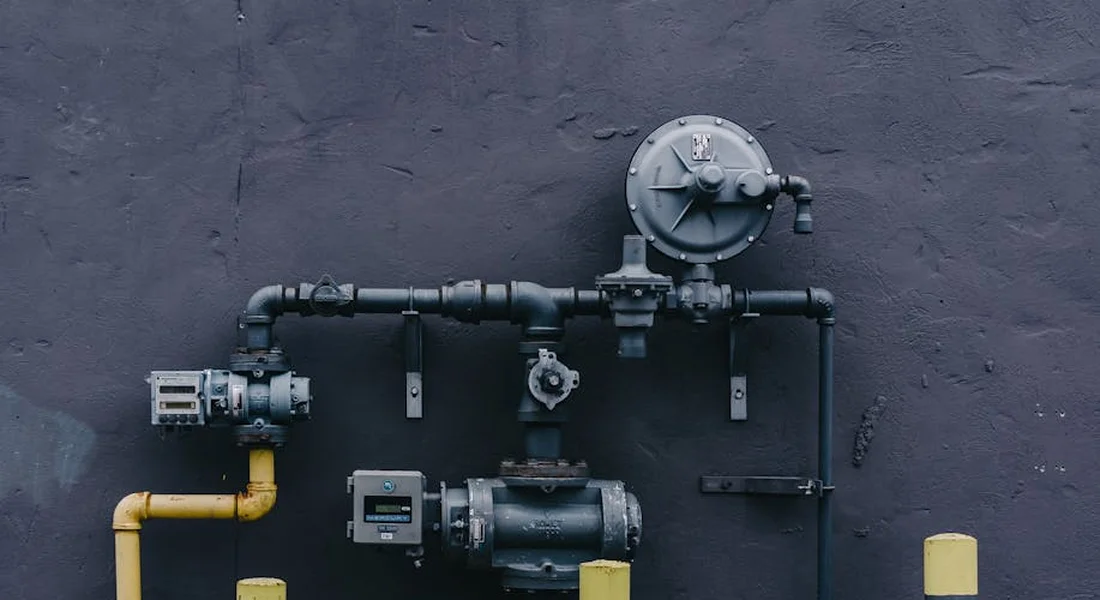
Knowing the difference is good. Getting it installed and keeping it running is what matters. Let’s move from theory to your toolbox.
The DIY vs. Pro Verdict
Where do you draw the line? If you’re comfortable swapping a faucet or connecting a washing machine, you might handle a standard install. You’ll need a good main shutoff, straightforward copper or PEX pipes, and a nearby drain.
Call a professional plumber or water system technician for these jobs.
- Your plumbing is complex, with many elbows or old galvanized pipe.
- There’s no reliable main water shutoff valve for the house.
- You’re on a well system with pressure tank or pump concerns.
- Your local building code requires a licensed professional for any permanent plumbing alteration.
Any system you install must follow local plumbing codes (IPC or UPC), which often mandate a proper air gap for the drain line to prevent contaminated water from siphoning back. If a filter or softener makes health claims, look for an NSF certification on the unit itself. That’s your stamp of independent testing.
System Maintenance Roadmap
These systems are not install-and-forget. A simple schedule prevents big problems. Here’s a basic homeowner’s checklist.
Set calendar alerts on your phone. I label mine “Check Softener Salt” on the first of every month. It works.
The “Red Flag” Troubleshooting Guide
When something’s wrong, your system will tell you. Here’s how to listen.
For Water Softeners:
- You feel scale on dishes or shower doors again. Hard water is back.
- The salt in the brine tank is a hard, hollow dome you can stand on (a salt bridge).
- You hear constant cycling, clicking, or humming from the control valve.
- There’s standing water in the bottom of the salt tank (this can mean a clogged injector or brine line).
For Water Filters:
- Water pressure from faucets suddenly drops. A clogged sediment filter is the usual suspect.
- The taste or smell of chlorine returns, or a new odd taste appears.
- You see water dripping from the filter housing or connections.
- Your filter change alert goes off, or you simply can’t remember the last time you changed it.
Recommended Products & Final Advice
Forget brand hype. Shop for the type of system that matches your water test results and your home’s layout.
Recommended Product Categories
- For Hardness (Calcium & Magnesium): Choose a standard ion-exchange water softener. Size it by its grain removal capacity based on your household size and water hardness number.
- For Taste, Odor, or Chlorine: Install a whole-house activated carbon filtration system. It treats all the water entering your home.
- For Drinking Water & Comprehensive Contaminant Removal: Get an under-sink Reverse Osmosis system. It’s the most effective point-of-use option for clean drinking and cooking water.
- For Sand, Silt, and Sediment Only: A whole-house spin-down filter or a big blue housing with a pleated sediment cartridge will protect your appliances and other filters.
When NOT to Try This: Limitations & Considerations
These systems aren’t magic. Know the limits before you buy.
- Sodium-Restricted Diets: A standard softener adds sodium. You can use potassium chloride salt pellets instead, or look into a salt-free conditioner (which doesn’t actually soften but can help prevent scale).
- Very Low Water Pressure: Some systems, especially RO units, need a minimum pressure (often 40 PSI) to work. You may need to install a booster pump first.
- Septic Systems: In some areas, the salt brine discharge from a softener’s regeneration cycle is not allowed because it can affect the bacterial balance in your septic tank. Check your local regulations.
- Rental Properties: Do not permanently plumb anything into a house or apartment you do not own. Always get written permission from your landlord first. They may even agree to pay for it.
Common Questions
1. Will a water softener fix my bad-tasting water?
No, it will not. A softener only exchanges minerals; it does not remove chemicals like chlorine that cause bad taste or odor. For that, you need a carbon-based filtration system installed, typically before the softener.
2. Do I need to test my water before buying anything?
Absolutely. Testing is the critical first step. A simple hardness test tells you if you need a softener. A full lab test (for well water) or your city’s Consumer Confidence Report reveals the specific contaminants a filter must target.
3. Which system is easier for a homeowner to maintain?
A filtration system is generally simpler: you replace cartridges on a schedule. A softener requires more active upkeep, like regularly filling the salt tank and annual cleaning to prevent salt bridges and mushing. Regular upkeep helps maintain water softener efficiency. This keeps your system performing at its best.
4. Can one system protect my pipes *and* improve taste?
Not on its own. A softener protects pipes from scale but doesn’t improve taste. A filter improves taste but doesn’t prevent scale. For comprehensive treatment, you often need both systems installed in the correct order: filter first, then softener. A water softener whole-house filtration setup can streamline installation and ensure consistent performance across the home.
5. What’s the bigger long-term investment: filtration or softening?
The softener usually has a higher ongoing cost for salt, but it directly saves money by extending appliance life and reducing energy/soap use. Filter costs are more variable but predictable; you’re investing primarily in water quality and eliminating bottled water. Over the long term, these savings boost the water softener’s cost effectiveness. When you balance upfront costs and ongoing salt use with extended appliance life and lower energy/soap needs, it often comes out ahead.
Your Practical Path to Better Water
Test your water first to see if you’re battling hardness minerals or specific contaminants. Base your choice on that result-get a softener for scale and soap issues, or a filter for taste, smell, and health concerns.
Written by Bob McArthur. Bob is a an HVAC and plumbing industry veteran. He has professionally helped homeowners resolve issues around water softeners, heaters and all things related to water systems and plumbing around their homes. His trusted advice has helped countless of his clients save time, money and effort in home water systems maintenance and he now here to help you and give you first hand actionable advice. In his spare time, Bob also reviews home water systems such as tankless heaters, water softeners etc and helps home owners make the best choice for their dwelling. He lives around the Detroit area and occasionally consults on residential and commercial projects. Feel free to reach out to him via the contact us form.