Backflow Prevention for Homeowners: Device Types Explained
Worried about dirty water siphoning back into your clean lines? That’s backflow, and it’s a real threat to your home’s water.
This guide breaks down the common fixes. We will cover air gaps, pressure vacuum breakers, double check valves, and reduced pressure zone assemblies.
I’ve swapped and tested these devices on hundreds of jobs. Get the right one installed and you won’t have to think about it again.
Backflow Basics: How Your Home’s Plumbing Gets Contaminated
Backflow is simple. It is your clean water flowing backward into your home’s supply lines. The water in your pipes is supposed to move in one direction. When it reverses, it can pull contaminants from sinks, hoses, or appliances back toward your faucets and even into the public water main. Backflow prevention is essential to keep your water safe.
This reversal happens for two main reasons.
- Backpressure: This occurs when the pressure in your home’s system becomes higher than the pressure in the incoming city main. A booster pump for a well irrigation system or thermal expansion in a hot water boiler can create this push.
- Backsiphonage: This is like a straw. A sudden drop in main pressure, from a nearby water main break or high demand like firefighting, creates a vacuum that sucks water back from your home.
Both need a link to cause trouble. This link is called a cross connection. A cross connection is any physical point where clean water and potentially dirty water can meet. The classic home example is a garden hose.
If you leave your hose submerged in a bucket of soapy water, a pool, or a fish tank, a pressure drop in the main can siphon that liquid right back into your home’s pipes.
Water Science Snippet
Forget water chemistry for a second. Backflow is about physics. Water seeks equilibrium, always trying to balance pressure. It flows from high pressure to low pressure. If pressure drops in the supply line, water from a connected source (like your bucket) will flow backward to fill that void. The contaminants pulled back can be biological, like bacteria from soil. They can be chemical, like fertilizer from a hose-end sprayer. They can be physical, like sediment from a water heater tank.
The Main Backflow Prevention Methods, Explained Simply
You can stop backflow. The methods range from a simple, foolproof space to complex mechanical assemblies. All solutions fall into two categories: physical air gaps or mechanical barriers. We will start with the simplest and most reliable before we dive into the complex mechanical assemblies.
The Air Gap: Your Simplest (and Most Reliable) Defense
An air gap is not a device. It is an empty space. It is a physical, vertical separation between the end of a water outlet and the flood rim of the receptacle it drains into.
It has zero moving parts to fail. This makes an air gap the only truly fail-safe method for preventing both backpressure and backsiphonage.
Your home is full of them. The gap between your kitchen faucet spout and the rim of the sink is an air gap. Your washing machine hose should be secured high above the machine’s water level, creating an air gap.
This directly answers how a dishwasher prevents backflow. Many dishwashers drain through a hose looped up and connected to a dedicated air gap device installed on your sink countertop or into a disposer. This creates that mandatory vertical air space. If a clog causes dirty sink water to back up, it hits the air gap opening and spills onto your counter instead of being siphoned into the dishwasher and your pipes. This is separate from the water supply line that you connect to the dishwasher for hot water.
The key difference between an air gap and a mechanical preventer is this: one is a guaranteed space, the other is a device with seals and springs that can, and eventually will, wear out.
Atmospheric Vacuum Breaker (AVB) & Pressure Vacuum Breaker (PVB)
These devices are one-way gates that only protect against backsiphonage, not backpressure. Their job is simple. If pressure in the line drops, a check valve closes and an air inlet opens. This lets air into the line, breaking the vacuum and stopping the siphon. However, they are different from backflow preventers which are designed for more comprehensive protection.
You will find these on residential irrigation lines. They are also common where water treatment equipment, like a softener or reverse osmosis system, drains into a standpipe.
The critical rule for an AVB is it must be installed at least 6 inches above the highest point of water use, like the highest sprinkler head. If you install it too low, it will not work. A Pressure Vacuum Breaker (PVB) is similar but has a spring-loaded check valve and is used in more pressurized situations. They both need to be checked for debris annually to ensure the air inlet doesn’t clog.
Double Check Valve Assembly (DCVA)
Think of this as two independent one-way check valves stuffed into one housing. If the first valve fails, the second acts as a backup. This provides protection against both backsiphonage and backpressure, but it is designed for low-hazard situations where a contaminant would be a nuisance, not a health threat.
Common residential uses include protecting the main house supply from a fire sprinkler system or a dedicated irrigation line. The problem with a DCVA is it can fail in the closed position, blocking your water, or fail silently in the open position, offering no protection. That is why many codes require annual testing by a certified technician. You cannot just install it and forget it.
Reduced Pressure Zone (RPZ) Assembly
This is the maximum protection unit. It is the heavy-duty solution for high-hazard connections. An RPZ has two independent check valves, just like a DCVA. But it also has a relief valve sitting in a chamber between them.
If pressure drops between those two check valves, the relief valve pops open and dumps water out of the assembly. This keeps a contaminant from being pushed backward. You will see these protecting connections to boilers with antifreeze, industrial process lines, or a well system that also feeds an irrigation pond.
An RPZ is big, expensive, and complicated. You must have a licensed professional install and test an RPZ assembly, and most jurisdictions require an annual test report to prove it still works. For most homes, this is overkill unless your local code or a specific hazard demands it.
Where Backflow Happens at Home and What Device to Use
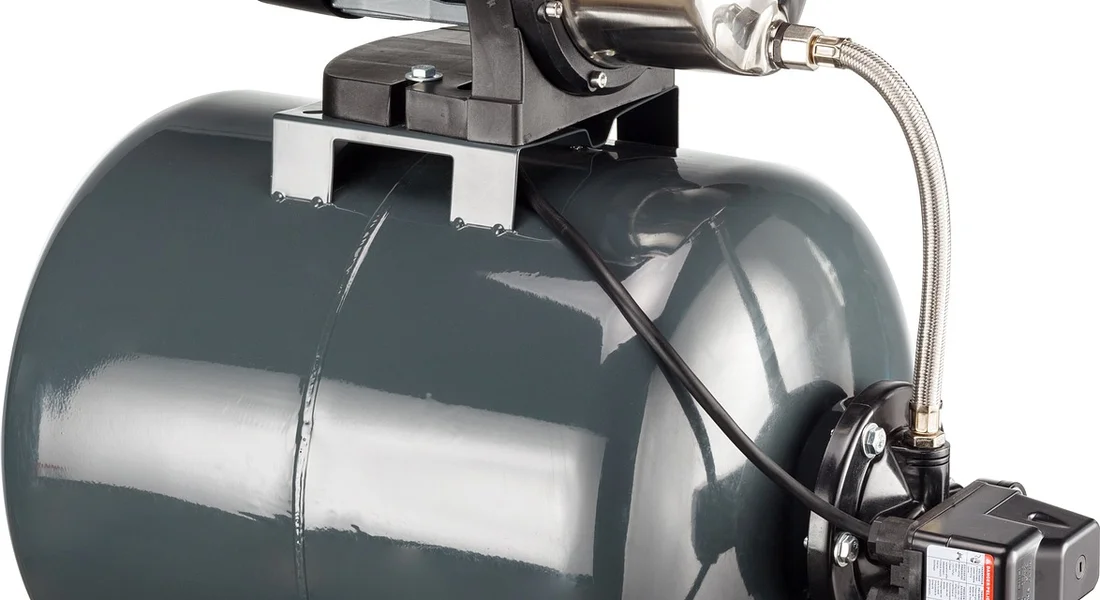
Let’s walk through a typical house. You’ll see the spots where your drinking water can get contaminated. These are called cross-connections. Every one needs a specific guard.
Your goal is to put the right lock on every door.
Outdoor Faucets (Hose Bibs) and Irrigation Systems
The hose bibb on the side of your house is a huge risk. Imagine your garden hose lying in a muddy puddle or connected to a fertilizer sprayer. If the city main pressure drops, that gunk can get sucked right back into your pipes.
The fix here is stupid simple: screw a hose bib vacuum breaker onto every single outdoor thread. They cost a few dollars and are a non-negotiable.
For an in-ground sprinkler system, the rules are stricter. The backflow device is usually installed above ground where the irrigation line branches off your main water line. A Pressure Vacuum Breaker (PVB) or an Atmospheric Vacuum Breaker (AVB) is standard plumbing code. You’ll see its brass valves sticking up near your foundation. When choosing the exact location, follow backflow preventer installation location orientation guidelines to ensure proper alignment with the main line and ease of service. Proper orientation also keeps test cocks accessible for inspection.
Boilers, Heaters, and Solar Thermal Systems
Your home’s heating water is not drinking water. Boilers and closed-loop systems have chemicals like corrosion inhibitors and algacides mixed in. You do not want this in your kitchen sink.
These systems need high-level protection. A Reduced Pressure Zone (RPZ) assembly is common. Some codes allow for a specific boiler drain valve. This isn’t a DIY guess. The type of device is dictated by the hazard and your local inspector’s book.
Water Treatment Equipment Drains
This is a big one folks miss. Your water softener or whole-house filter has a drain line. It flushes out brine or dirty backwash water during the regeneration cycle. That line usually runs to a laundry sink drain or a floor drain.
If a sewer backup occurs or a vacuum forms in that drain, it can pull sewage or dirty water back into the softener and then into your clean water. I saw this on a service call. It was not pretty. Proper drain discharge water softener setups prevent exactly this kind of backflow. Keeping the drain path secure helps ensure your softened water stays clean.
You must have an air gap or an AVB on this drain line. For my own softener, I installed a simple air gap tailpiece kit on the laundry sink. The drain hose connects to it, leaving a visible air space between the hose end and the flood rim of the sink. This physical break is foolproof.
Utility Sinks and Laundry Tubs
Here, the faucet itself is usually the air gap. The problem happens when people bypass it. Never connect a hose directly from the faucet to the drain. Never submerge the faucet or a hose in the standing water of a sink.
Keep the end of the hose or the faucet spout well above the flood rim of the sink. That open air space is your free backflow preventer. Don’t defeat it. Understanding how sink backflow prevention works can help you keep your water safe.
Choosing, Installing, and Code Rules for Your Home
Now you know the where. Let’s talk about the how and the what. Picking the right device comes down to understanding the risk.
How to Know Which Backflow Preventer You Need: Hazard Levels
Plumbers classify the risk as a “hazard level.” It decides the device.
- Low Hazard (Pollutant): Something that tastes or looks bad but isn’t a direct health threat. Examples include food coloring, softened water, or stagnant water. A Double Check Valve Assembly (DCVA) often handles this.
- High Hazard (Contaminant): Something that can make you sick or worse. This includes sewage, boiler chemicals, pesticides, or medical fluids. This needs the strongest protection: an RPZ or an Air Gap.
Match the hazard to the device. Sprinkler water with fertilizer? High hazard. A softener drain line? High hazard (it contacts drain water). An outdoor hose with no chemicals? Could be low hazard, but use a vacuum breaker anyway.
Are Backflow Preventers Required by Code? Yes, Here’s When.
This is not a suggestion. The International Plumbing Code (IPC) and all local variants require approved backflow prevention at every cross-connection. Your house probably has code violations right now if you’ve never checked.
The specific device required is determined by your local plumbing inspector, not a blog or a video. Always call your local building department before you buy parts. What’s code in one town might fail inspection in the next.
The DIY vs. Pro Verdict & Tools Checklist
Some jobs are easy. Some are for licensed pros only. Here’s the breakdown.
Difficulty Rating:
- Screw-on Hose Bib Vacuum Breaker: 1/10. Hand-tighten it. Done.
- Installing a PVB or RPZ on your main irrigation line or boiler supply: 9/10. This involves cutting your main water line, sweating or threading multiple connections, and understanding local test port requirements. In many areas, installing and testing these devices legally requires a licensed plumber with a backflow certification.
Tools & Material Checklist for a Basic Device Install:
- Two pipe wrenches (one to hold, one to turn)
- Teflon tape or pipe thread sealant (pipe dope)
- Tubing cutter for copper or PEX lines
- A hacksaw for PVC pipe
- The correct backflow prevention device with brass or stainless steel fittings
If you are installing any device indoors or on your main home supply line, pull a permit. The inspection is a pain, but it’s for your family’s safety. A pro will handle this for the big jobs. For the hose bib, just go do it now.
Maintenance, Testing, and Spotting Problems
You have a backflow preventer installed. Good. Now you need to know how to keep it working and what to do when it isn’t. This section covers the simple checks you can do and the problems you can spot before they become emergencies. Even if you’re setting one up, the next steps walk you through how to install and maintain a sprinkler backflow preventer. Proper installation and routine care keep the system safe and reliable.
How Often to Test and Maintain Backflow Preventers
The testing schedule depends entirely on the type of device you have.
For mechanical assemblies like a Double Check Valve Assembly (DCVA) or a Reduced Pressure Zone (RPZ) device, you must get them tested by a certified backflow tester once a year. This isn’t a suggestion. Many local plumbing codes and water utilities require it by law because these devices protect the public water supply. The tester uses special gauges to measure the pressure differentials inside the device to confirm it’s sealing properly.
As a homeowner, you should do a visual inspection every three months. For an RPZ device, pop off the plastic cover on the relief valve. Look inside for leaks, mineral buildup, or small debris like pebbles or insect nests. A clean, dry chamber is what you want. For any device, scan the body for green corrosion or signs of water weeping from the seams.
The “Red Flag” Troubleshooting Guide
When a backflow preventer fails, it usually gives you a clear signal. Here’s what to look for.
- Water continuously dripping from an RPZ relief valve. This means one of the internal check valves is not holding. Dirt has fouled the seal, or the spring is broken. The device is not safe and needs professional service immediately.
- No water flow to an outdoor faucet with a built-in preventer. The atmospheric vacuum breaker on a frost-proof sill cock has a spring that can stick shut. Before you call a plumber, try gently tapping the side of the vacuum breaker body with a screwdriver handle. Often, this frees the spring and restores flow.
- A foul smell or discolored water coming from one faucet after a water main break. This is a potential sign of backflow contamination entering your home’s pipes. Don’t panic. Immediately run all your cold water taps for at least five minutes to flush the lines. If the problem persists, contact your water utility.
- Your water softener brine tank fills with dirty water. The drain line for your softener must have an air gap. If that air gap fitting is missing, or if the drain hose is shoved too far down the drain pipe, sink water can be siphoned back into the softener. Check that the drain line terminates above the flood rim of the standpipe with a clear air gap.
Can You Repair a Backflow Preventer? Usually, No.
For the small, inexpensive devices, repair isn’t an option. The plastic or brass vacuum breaker on your garden hose is a five-dollar part. If it stops working, you replace it.
Internal repairs to Pressure Vacuum Breakers (PVBs), DCVAs, and RPZs are almost always a job for a certified professional. They require specific, certified repair kits, special tools for disassembly, and most importantly, the device must be re-tested with official gauges after the repair. Attempting a DIY fix on these can void its approval and leave you with a false sense of security. I keep spare hose bib vacuum breakers in my toolbox, but I call a pro for my irrigation system’s PVB.
Recommended Product Types for Homeowners
Knowing what to buy prevents headaches. Stick with these proven types.
- For every outdoor faucet: Use a standard hose thread vacuum breaker. Screw it on between the faucet and your garden hose. It’s the simplest, cheapest protection against back-siphonage from a submerged hose.
- For basic irrigation systems: Install a frost-proof pressure vacuum breaker (PVB) with test ports. It must be installed at least 12 inches above the highest sprinkler head. The test ports are for your annual certified inspection.
- For water softener or filter drain lines: Use a dedicated plastic or brass air gap fitting. Do not just run the hose into the drain pipe. The air gap is your physical, non-mechanical guarantee that drain water cannot come back.
- For whole-house protection (if required): A bronze double check valve assembly (DCVA) is the standard. Buy from a known plumbing brand like Watts, Wilkins, or Febco that you can find at a professional plumbing supply house. Avoid no-name online brands for this critical component.
Common Questions
How do I know which backflow preventer my home needs?
Start by identifying the hazard level of the connection. For a basic garden hose, a simple hose bib vacuum breaker is non-negotiable. For integrated systems like in-ground irrigation or a boiler, your local plumbing code dictates the device-typically a PVB, DCVA, or RPZ-so consult a licensed pro to be sure.
Are backflow preventers required by plumbing codes for residential properties?
Yes, absolutely. Modern codes require approved backflow prevention at any point where clean water could meet contaminated water, called a cross-connection. The specific device is determined by your local inspector based on the hazard, so always check with your building department before you buy parts.
What are the red flags that my backflow preventer is failing?
Listen for constant dripping from an RPZ’s relief valve or notice severely reduced flow from an outdoor faucet with a built-in vacuum breaker. If you see discolored water or get a foul taste after a known water main break, shut off the valve and call a professional immediately to inspect your device.
What’s the practical difference between an air gap and a mechanical backflow preventer?
An air gap is a physical, empty space (like your faucet spout above the sink rim) and is 100% reliable with no parts to fail. A mechanical preventer uses valves and springs to block reverse flow and is used where a physical gap isn’t practical, but it must be tested annually as its parts can wear out.
Can I install a backflow prevention device myself, or do I need a professional?
You can hand-tighten a hose bib vacuum breaker yourself. However, installing any device on your main water line or irrigation system (like a PVB or RPZ) requires cutting into pressurized pipes and often a certified test afterward-this is licensed professional territory for safety and legal compliance.
How to Choose and Maintain Your Backflow Protector
The right choice always depends on your specific home’s risk level and local plumbing code requirements. Your first step is to contact a licensed plumber for an assessment; they will tell you which device you need and handle the critical installation and testing. This process also sets the stage for choosing pipes installation practices that fit your home’s layout and future maintenance needs.
Bob McArthur
Bob is a an HVAC and plumbing industry veteran. He has professionally helped homeowners resolve issues around water softeners, heaters and all things related to water systems and plumbing around their homes. His trusted advice has helped countless of his clients save time, money and effort in home water systems maintenance and he now here to help you and give you first hand actionable advice. In his spare time, Bob also reviews home water systems such as tankless heaters, water softeners etc and helps home owners make the best choice for their dwelling. He lives around the Detroit area and occasionally consults on residential and commercial projects. Feel free to reach out to him via the contact us form.