Water Heater Installation: Permit or Pro Required?
You want to replace your old water heater yourself. Before you start, you need to know if it’s legal and safe.
We will cover local permit rules for gas versus electric units, the real safety risks of DIY, and how to find a qualified installer.
I fix these for a living. Here’s the takeaway: messing up a gas line installation can burn your house down.
The Simple Answer First: Permit or Pro?
Yes. For both gas and electric water heaters, you usually need a permit and a licensed professional to do the work, especially when dealing with electrical and venting requirements.
Treat this as a non-negotiable safety and legal step, not a piece of red tape. The rules exist because getting it wrong is dangerous. Gas and electricity mixed with water are a serious combination.
The core risks are different for each type. A bad gas hookup can lead to explosion or carbon monoxide poisoning. A faulty electrical connection can cause a lethal shock or start a fire. A pro knows the codes to prevent these disasters.
Think of it like adding a new circuit to your breaker panel. You wouldn’t just splice wires behind the drywall and hope for the best. You’d get it inspected. Your water heater deserves the same respect. That same care applies when you install or adjust an electric water heater. Seek professional guidance to ensure safety and efficiency.
What a Permit Actually Does For You (It’s Not Just a Fee)
A permit is your guarantee of an independent review. It means the local building department will send an inspector to check the installation against current plumbing, venting, and electrical codes.
This inspection is the only way to know for sure the job was done right, not just done. It catches mistakes even a well-meaning DIYer might miss, like improper vent sizing or a missing earthquake strap.
Your home insurance policy is directly tied to this. If an unpermitted water heater fails or leaks and floods your house or causes a fire, the insurance company can deny your claim. They’ll argue the work wasn’t to code, and you assumed the liability.
When you sell your home, unpermitted work becomes a major problem. A savvy buyer’s inspector will flag it. You’ll likely face demands to get it permitted retroactively, reduce the sale price, or watch the deal fall apart. I’ve seen sales delayed for weeks while a homeowner scrambles to get old work inspected.
Any competent, licensed plumber will pull the permit for you as part of the job. If a contractor offers a “discount” to skip the permit, walk away. They are cutting corners that protect your home and family.
Who Can Legally Do the Work? Handyman, Contractor, or You?
You want a straight answer, so here it is. A general contractor can oversee the installation, but they almost always must subcontract the final gas, electrical, and plumbing connections to a licensed specialist. This is the hard rule: the person who makes the final, pressurized water connection or fuels the appliance must hold the proper state or local license.
Think of it like building a house. A general contractor manages the project, but a licensed electrician wires it and a licensed plumber pipes it. It’s the same for your water heater.
Can a Handyman Install a Hot Water Heater?
Legally, almost never for the full job. The “handyman rule” is widely misunderstood. Here’s how it typically breaks down.
A handyman can often handle the prep work if no official permit is being pulled. This might include:
- Draining and removing the old unit.
- Moving the new unit into place.
- Installing a new drip pan or drain line.
But the moment the work involves connecting the water lines under pressure, venting a gas unit, or wiring a 240-volt electric unit, their role must stop. In most jurisdictions, it is illegal for an unlicensed person to perform this work, and doing so voids the manufacturer’s warranty and your home insurance if something goes wrong.
I’ve been on service calls where a handyman tried a “simple swap.” The result was a slow gas leak from a poorly threaded connection and a $1200 emergency call for us to rip it out and start over. The small fee you save isn’t worth the risk.
The Non-Negotiable: The Licensed Pro for the Final Connection
This isn’t a suggestion, it’s code. The licensed professional is your guarantee of safety and compliance.
- For gas water heaters, you need a licensed plumber who is also certified for gas fitting, or a dedicated gas fitter.
- For electric water heaters, the final 240-volt electrical hookup often requires a licensed electrician, though some plumbers hold this license too.
- For all water heaters, the final plumbing connections to your home’s pressurized water system must be done by a licensed plumber.
One pro can hold multiple licenses. Your job is to verify they have the specific one your job requires. Ask to see their license before they start.
Addressing Location: Can a Handyman Install a Water Heater in Florida?
Florida law is explicit and stricter than many other states. A handyman cannot install or replace a water heater in Florida, especially when it comes to repairing or replacing them. Period.
Florida’s statute limits handyman work to “nonstructural” repairs under $1,000. Installing a water heater is considered a major mechanical system change. It requires a state1 certified plumbing contractor’s license for the plumbing work and, if gas, proper certification for that fuel. Any handyman in Florida offering to fully install your water heater is operating outside the law.
Always check with your own county or city building department. Local rules can be even more restrictive than state law. A five minute phone call can save you from massive fines and an unsafe installation.
Gas vs. Electric: The Rulebook is Different
The codes and dangers for installing these two types of heaters are worlds apart. Getting it wrong with one is an expensive mistake. Getting it wrong with the other can be deadly.
Gas Water Heater: Why Pros Are Non-Negotiable
With a gas water heater, you are not just dealing with water and electricity. You are managing an open flame and an invisible, explosive gas. This changes everything when it comes to safety and efficiency.
The critical steps that demand a licensed professional are not just recommendations, they are lifesaving protocols.
- Gas Line Pressure Testing: After connecting the new gas line, a pro will pressurize it with air or an inert gas and monitor for drops. This finds leaks before natural gas is introduced. A homeowner using soapy water might miss a tiny, dangerous leak.
- Venting for Carbon Monoxide: This is the most common fatal error in DIY installs. The heater’s exhaust (flue gases) must be piped outside with the correct type, size, and slope of vent pipe. A restriction or backdraft sends carbon monoxide into your home.
- Gas Valve Connection: Connecting the flexible gas line to the unit’s valve requires specific fittings and pipe dope rated for gas. Overtightening can crack the valve, and undertightening guarantees a leak.
A common FAQ is about the plenum. The plenum is the open space around the water heater, usually in a closet or small room. Proper venting pulls combustion air from this space and sends exhaust out. If the vent is wrong or the room is too tight, the heater can’t breathe. It will suck air from other house vents, potentially pulling CO back into living spaces instead of up the chimney.
Can a homeowner install a gas water heater? Almost never legally, and never safely without specific certification. Most local codes explicitly require a licensed plumber or gas fitter to obtain the permit and perform the work. Your homeowners insurance may also void your policy if an unlicensed installation causes damage. If you’re interested in understanding more about proper gas water heater installation and operation, it’s best to consult a professional.
Electric Water Heater: Where DIY Has a Slim Chance
An electric heater is essentially a giant, wet toaster. The risks are electrocution and water damage, not explosion or poisoning. This gives a skilled, cautious DIYer a narrow path for a simple swap, especially when following proper water heater safety guidelines.
A DIYer might handle a like-for-like replacement. This means the new unit has the same voltage (240V), same wattage, and same physical size as the old one. The existing wiring and circuit breaker are already correct and in good condition. In this case, the job is about safely disconnecting the old unit, swapping the water lines and temperature/pressure relief valve, and reconnecting the wires exactly as they were.
But you hit a wall the moment anything about the electrical system needs to change. These are pro-only tasks:
- Assessing Wire Gauge: If your new heater has a higher wattage, the existing wires may be too small. This causes overheating and is a major fire risk. An electrician knows how to match wire gauge to amperage.
- Upgrading the Circuit: A bigger heater may need a larger amp breaker (like going from 30-amp to 40-amp). Only a pro can safely upgrade the breaker and ensure the panel can handle the new load.
- Installing a New Disconnect: Code often requires a dedicated disconnect switch within sight of the heater. An electrician must install this correctly between the breaker panel and the unit.
Here’s a key FAQ: if your water heater constantly trips the breaker, that’s a sign you need an electrician. It usually means one of three things: the heating element has failed and is shorted (a simple fix), the wiring or connection point is faulty, or the circuit is undersized for the load. An electrician can diagnose and fix this safely. Just putting in a larger breaker on undersized wires is how fires start. For a deeper dive, our electric water heater tripping breaker guide covers common causes and safe next steps. It’s a quick read designed to help you know when to call an electrician.
The DIY vs. Pro Water Heater Installation Verdict
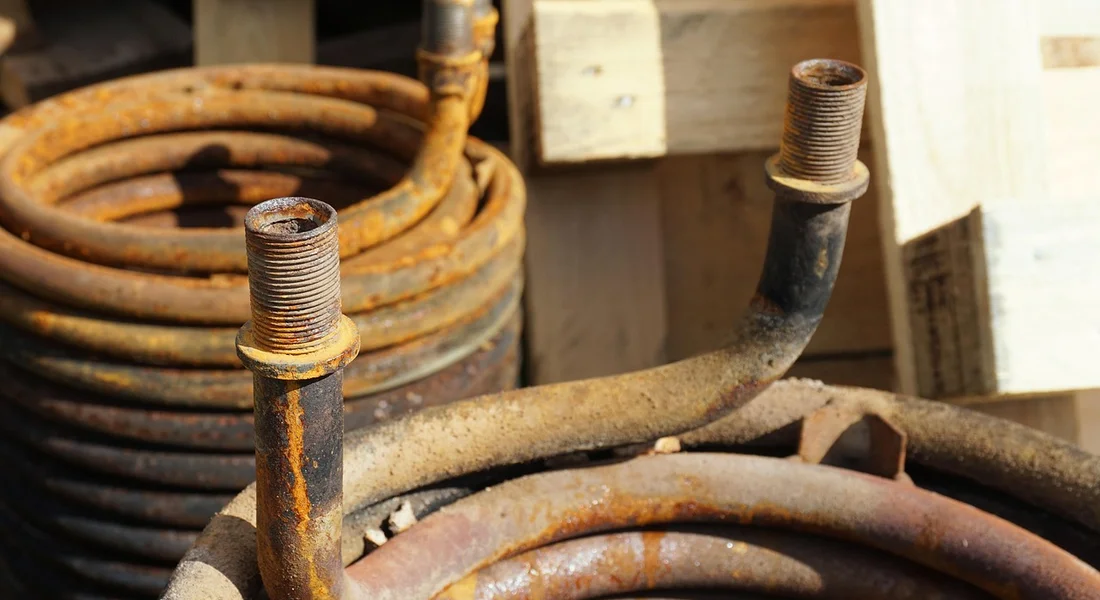
Let’s cut through the confusion. Your ability to install a water heater yourself depends entirely on the type and your exact situation. Here’s the plain truth.
Difficulty Rating: What You’re Really Up Against
We’ll use a 1-10 scale, where 1 is changing an air filter and 10 is replumbing your entire house.
- Gas Water Heater (Any Install): 9 (Pro-Only). Working with gas lines and combustion venting is non-negotiable. A small mistake can lead to carbon monoxide poisoning or an explosion.
- Electric Water Heater Swap (Like-for-Like): 6 (Advanced DIY). If you’re replacing an old electric with a new one in the exact same spot with compatible wiring, a very skilled DIYer can manage it. You must be confident working inside an electrical panel.
- New Electric Water Heater Install (First Time or Relocation): 8 (Pro-Only). Running new 240-volt circuit cables, installing a dedicated breaker, and ensuring the wiring and conduit are up to code is a job for a licensed electrician or plumber.
The rating jumps from a 6 to an 8 because running new electrical circuits involves your home’s main panel and strict building codes, which are outside most homeowners’ skill and legal scope.
Where to Draw the Line: Your Jobs vs. The Pro’s Jobs
The division of labor is actually pretty clear. As a homeowner, you can often handle the prep and heavy lifting.
- What You Can Do: Turn off the power or gas supply. Drain and disconnect the old unit. Haul the old heater out. Move the new heater into position. You’re preparing the site.
- What The Licensed Pro Must Do: All final, pressurized, and live connections. This includes sweating or threading new water supply lines, connecting the gas line with proper leak testing, and making the final electrical connections at the unit and the breaker panel.
You can remove the old unit and get the new one in place, but the pro must seal the deal by connecting it to your home’s water, fuel, and power. This isn’t just about skill. In most areas, plumbing and electrical code legally requires these final connections to be made by a licensed contractor for the installation to be legal and insurable.
The Smart Money: Pay for the Plan, Save on the Labor
There’s a hybrid approach that makes a lot of sense. Hire a licensed plumber for a consultation and the final hookup, but you do the demolition and grunt work.
Have the pro come out first. They will diagnose your old system, specify the exact new model you need, identify any code issues (like needing a new expansion tank or seismic straps), and pull the permit. You then buy the unit, drain and remove the old one, and get the new one staged. Finally, you schedule the pro to come back for a shorter, less expensive service call to perform the critical connections and inspection.
Paying a pro for an hour of diagnosis and planning can save you thousands in mistakes, like buying the wrong heater or failing a city inspection. I did this with my own furnace replacement. I handled the removal and cleanup, but the HVAC tech handled all the refrigerant and gas line work. It saved me money and ensured the job was done right.
Tools & Materials You’ll Need (For Prep or Full DIY)
Having the right gear makes the job safer and smoother. Whether you’re doing prep work for a pro or tackling the full install, this is your shopping list. I keep most of these in my service van and my home workshop.
Specific Tools
This isn’t a job for a basic toolbox. You need specialized tools to do it right.
- Pipe Wrenches (Two is ideal): You need leverage to break old connections without damaging pipes. One wrench holds the fitting steady while the other turns the pipe. A single wrench just twists everything and causes leaks.
- Tubing Cutter: This gives you a clean, square cut on copper water lines. A hacksaw can leave burrs that disrupt water flow and make fitting connections leak.
- Hacksaw: For cutting old galvanized pipe or the new T&P valve discharge pipe to length. It’s a backup for the tubing cutter on harder materials.
- Voltage Tester: For electric heaters, you must confirm the power is completely off at the breaker before you touch any wires. This non-negotiable safety step prevents a deadly shock.
- Non-Contact Gas Leak Detector (For pros): After making gas connections, a pro will use this to check for invisible leaks at every joint. Soapy water in a spray bottle works for DIY, but this tool is faster and more reliable.
- Pipe Thread Sealant: Use gas-rated paste (yellow) on all gas fittings. Use PTFE tape (Teflon tape) or pipe dope on water connections. They are not interchangeable. Using the wrong one on a gas line is a serious fire hazard.
Common Materials
Never reuse the old connectors and valves. They are worn out and will fail. Buy new for a reliable installation.
- New Flex Lines: Get new stainless-steel braided lines for both the hot/cold water connections and the gas line. They are easier to route and connect than rigid pipe and have built-in shut-off valves.
- Dielectric Unions: These are special connectors that go between the copper water lines and the steel tank nipples. They prevent electrolytic corrosion, which is the number one cause of pinhole leaks in your tank. If your old heater didn’t have them, install them now.
- T&P Valve Discharge Pipe: Your new temperature and pressure relief valve needs a dedicated pipe (usually CPVC or copper) that runs down to within 6 inches of the floor. This directs scalding water safely away if the valve ever opens.
- Sediment Trap (Drip Leg): For gas heaters, a short vertical pipe section before the flex line is required by code. It catches debris and moisture so they don’t clog the gas valve inside your heater.
A Note on Pro-Supplied Items
If you hire a licensed technician, they will bring and install certain specialized parts themselves. This is for liability and warranty reasons. Don’t buy these yourself for a pro install.
- Gas Valve Connector: The specific flexible corrugated metal line that connects the gas supply to the heater’s control valve. A pro will supply the correct length and type rated for your appliance.
- Venting Materials: For atmospheric gas heaters, the pro will supply the correct type and size of metal flue pipe and roof jack. Getting the draft right is critical for safety.
- Expansion Tank: If your home’s plumbing code requires one, the pro will provide and install the correctly sized tank for your water pressure.
How to Get a Permit for a Water Heater Installation
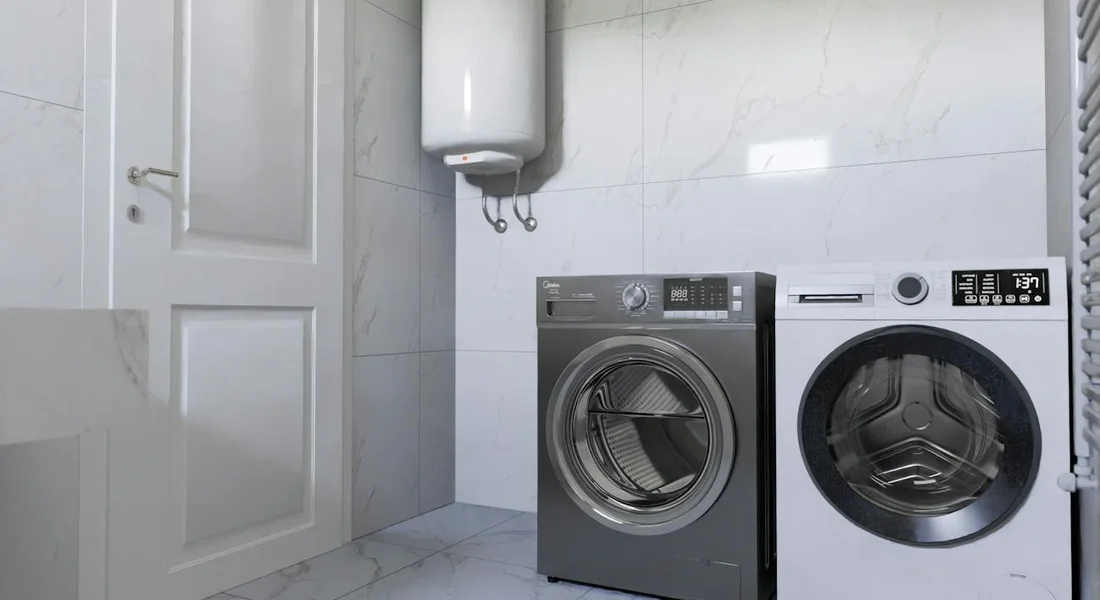
Getting a permit is straightforward. The process is the same whether you’re doing it yourself or a pro is doing it for you. Your first and only call should be to your local building or code enforcement department.
The Step-by-Step Process
Here is what you need to do, in order.
- Find the phone number for your city or county’s building department. A quick online search for “[Your City] building permit” will get you there.
- Call them. Tell the person you speak with that you need to inquire about a permit for installing a new water heater. They will tell you exactly what your locality requires.
- Have your information ready. Before you call, know the details of your new unit and your home’s setup.
Do not guess on the phone with the building department. Having your facts straight saves everyone time and prevents mistakes on the permit application.
What Information They Will Ask For
The building department needs to know if your installation meets code. To figure that out, they will ask you for specific details. Be prepared to answer these questions.
- Fuel Type: Is it natural gas, propane, or electric? This is the most critical question, as gas line work has strict rules.
- Capacity: What is the gallon size (for tank) or flow rate (for tankless)?
- Location: Where in the house will it be installed? Is it replacing an old one in the same spot, or are you moving it? Moving it often triggers more code requirements.
- Venting (for gas models): What type of vent system will be used? Is it a direct-vent, power-vent, or atmospheric vent?
- Energy Source: They may ask for the model number to verify its energy rating meets current standards.
The Licensed Contractor Advantage
If you hire a licensed plumber or HVAC technician, they almost always pull the permit for you. This is a major benefit of hiring a pro.
The contractor is responsible for the work passing inspection, so they have a direct incentive to get the permit and do the job right. They know the local inspectors, understand the specific code quirks in your area, and handle all the paperwork. You pay for the permit as part of your job quote, but you avoid the hassle of dealing with the bureaucracy yourself.
What a Permit Typically Costs
Permit costs are set by your local municipality. They are not standardized. You can expect a range, but it is usually not the most expensive part of the job.
A typical water heater installation permit often falls between $50 and $150. In some major cities or for complex jobs (like relocating a tankless unit), it could be higher, sometimes up to $300. The fee is generally a flat rate or based on the estimated job value. When you call your building department, they can give you the exact fee schedule. Beyond permit fees, it’s useful to consider the overall water heater installation operating costs. These include energy efficiency, maintenance, and potential upgrades that impact long-term expenses.
Consider the permit fee as an insurance policy. It pays for a professional inspector to verify your gas lines are safe, your electrical connections are correct, and your pressure relief valve is properly installed. That peace of mind is worth the cost.
What Really Happens If You Skip the Permit and DIY Wrong?
Skipping the permit is about more than breaking a rule. It creates a hidden problem that can surface years later and cost you far more than the original fee. I’ve seen it happen during home sales and insurance claims.
The Real World Consequences
Think of a permit as official proof that your work was done safely. Without it, you’re on the hook.
- Failed Home Inspection When Selling: A sharp inspector will spot an unpermitted water heater installation. This becomes a major red flag for the buyer’s lender. The sale can stall until you retroactively get it permitted and inspected, which often means paying a pro to redo the work and any fines. I helped a neighbor through this exact nightmare last spring.
- Insurance Denying a Claim: If a faulty water heater connection floods your basement or causes a fire, the insurance adjuster will investigate. If they find unpermitted work was the cause, they can legally deny your entire claim. You’d be left covering all the water damage or structural repair costs yourself.
- Utility Company Refusing Service: If you need your gas line shut off for any reason, the utility company might require an inspection before turning it back on. An unpermitted gas water heater installation will fail this inspection. They will leave your gas off until a licensed professional fixes it and gets it permitted.
The Plain Safety Hazards
This isn’t just about paperwork. It’s about preventing very real dangers in your home.
For Gas Water Heaters
Getting the gas and venting wrong is deadly serious.
- Carbon Monoxide Poisoning: An improperly vented gas heater sends this odorless, invisible gas into your home. It replaces oxygen in your bloodstream. Headaches and nausea are the first signs. Prolonged exposure is fatal. Proper vent sizing and draft are not DIY guesses.
- Gas Leaks: A tiny mistake in threading a pipe or using the wrong sealant can cause a leak. Natural gas and propane are highly explosive. Even a small, steady leak can fill a confined space and ignite from a pilot light or spark.
For Electric Water Heaters
The risks are different but just as severe.
- Electrical Fire: Wiring a 240-volt circuit incorrectly can lead to overheating at connections. This can melt wires inside your walls and start a fire long after you think the job is done.
For All Water Heaters
Both types share a common, expensive risk.
- Flood Damage from a Failed Fitting: If the temperature and pressure relief valve isn’t installed correctly, or if the water connections leak, you can have 40 or 50 gallons of water dumping onto your floor. This can ruin floors, ceilings, and personal belongings in minutes.
Taking the Safe, Legal Path
It feels like a hassle, but the permit and inspection process is your backup. The inspector is a second set of eyes to catch a dangerous mistake you might have missed. Getting a licensed professional to do the install is the simplest way to ensure it’s done right, permitted, and documented. It protects your home’s value, your insurance coverage, and most importantly, the people inside. Your local building department’s website will have the specific rules for your area. A quick call to them can give you all the clarity you need to move forward safely.
Common Questions
1. What does the inspector actually check when they come out?
The inspector isn’t just glancing at it. They verify critical safety items: proper gas pressure and leak-free connections, correct electrical wiring and grounding, secure water fittings, and that the temperature & pressure relief valve is piped correctly. Their stamp of approval is your proof the job is safe and insurable.
2. I’m handy. Can I do the prep work and just have a pro make the final connections?
Absolutely, and this is a smart way to save money. You can drain, remove, and haul away the old unit and move the new one into place. The licensed professional must handle all final pressurized plumbing, gas, and electrical hookups. Always coordinate this plan with your pro before you start.
3. Are the rules really that different for gas versus electric?
Yes, and the difference is safety-critical. Gas work always requires a licensed professional due to explosion and carbon monoxide risks. For a simple, like-for-like electric swap, codes in some areas may allow a skilled homeowner to proceed, but you must still pull a permit for an inspection to ensure it’s electrically safe.
4. What if I discover my current water heater was installed without a permit?
Don’t panic, but address it. When you get a permit for your new, professional installation, the inspector will check the entire setup. They may require the pro to bring any old, non-compliant work up to current code. This fixes hidden problems and officially clears the record for your home.
5. How can I verify a contractor’s license is legitimate?
Always check with your state’s licensing board online; don’t just take their word for it. A legitimate pro will gladly provide their license number. This quick step confirms they are insured, bonded, and legally accountable for the safety and quality of their work on your home.
Your Action Plan for Water Heater Installation
Start by calling your local building department to get a straight answer on permit rules for your specific project. If the install involves touching gas lines or new electrical circuits, hiring a licensed plumber or electrician isn’t just about codes-it’s the best way to protect your home and family.
Bob is a an HVAC and plumbing industry veteran. He has professionally helped homeowners resolve issues around water softeners, heaters and all things related to water systems and plumbing around their homes. His trusted advice has helped countless of his clients save time, money and effort in home water systems maintenance and he now here to help you and give you first hand actionable advice. In his spare time, Bob also reviews home water systems such as tankless heaters, water softeners etc and helps home owners make the best choice for their dwelling. He lives around the Detroit area and occasionally consults on residential and commercial projects. Feel free to reach out to him via the contact us form.