Your Water Heater’s Secret Weapon: The Anode Rod Explained
That rumbling noise or rusty water means your water heater is eating itself alive. Your anode rod is the only thing stopping it.
We will cover what an anode rod actually does, how to know when it’s failed, why gas and tankless systems need different types, and how to pick the right one.
I’ve pulled more rotten rods out of tanks than I can count. The one in my own heater gets checked every year. Change this cheap part and your tank can last decades instead of a few years.
What Does That Anode Rod Actually Do Inside Your Heater?
Think of your anode rod as the sacrificial lamb of your water heater. Its entire job is to get eaten away so your tank doesn’t. This simple metal stick is the most important part for keeping your heater alive. To keep that protection reliable, know how often the anode rod should be inspected or replaced. The right frequency depends on your water and heater, but regular checks pay off.
The science is called galvanic corrosion. It’s like a tiny battery inside your tank. Water contains minerals that want to react with the steel tank walls, which causes rust. The anode rod is made of a more “active” metal, like magnesium or aluminum. Because it’s more reactive, the corrosive elements in the water attack it first. It gives itself up to protect the tank lining.
Without an anode rod, your water heater tank will rust out from the inside, leading to leaks and total failure. That leak you find one day usually starts as a tiny pinhole in the steel, caused by unchecked corrosion. A leaking tank is an immediate safety risk—the hot water can scald, and nearby electrical components can pose a shock hazard. The rod’s purpose is solely to prevent this. I’ve pulled out anode rods that were completely gone, just a skinny wire left, but the tank was still fine. That’s a rod that did its job perfectly.
Do All Water Heaters Have an Anode Rod? Gas, Tankless, and RV Systems
No, not all systems use one, and that’s a critical distinction.
Most traditional tank-style water heaters have an anode rod. This includes both gas water heaters and electric models. The heat source doesn’t matter. Even modern heat pump hybrid water heaters have a tank, so they also include an anode rod for the same protective reason.
If someone asks “do gas water heater have anode rod,” the answer is yes, almost always. You’ll find it screwed into the top of the tank.
Tankless systems are completely different. They don’t have a storage tank to protect from rust. Instead, they fight mineral scale buildup. A tankless unit does not have an anode rod; it requires different maintenance, like flushing with vinegar to remove scale from its heat exchanger. Confusing these two needs is a common mistake.
For RVs, the answer is usually yes. Most RV hot water tanks are steel and face the same corrosion issues. So, do all RV hot water tanks have anode rods? The well-built ones do. You should check your owner’s manual. I keep a spare magnesium rod in my camper because they corrode faster with constant use and movement.
Be aware that some very cheap or older tank-style units might not have a proper, replaceable rod. Sometimes it’s just a plug. That’s a bad sign. It means the tank itself is the sacrifice, and its lifespan will be much shorter.
The Red Flags: How to Spot a Failing Anode Rod
You do not need to open your water heater to know the anode rod is dying. The heater tells you. Look for these clear signs that indicate your hot water heater is failing.
Rusty or discolored hot water is your first major warning. If only your hot water looks rusty, the tank liner is corroding because the anode rod can no longer protect it.
A rotten egg smell from your hot water taps is another dead giveaway. This happens when sulfate-reducing bacteria in your water react with a depleted magnesium anode rod, producing hydrogen sulfide gas.
Listen for unusual sounds. A failing rod can leave chunks of itself in the tank that rattle and sizzle when the heater fires up.
Visible corrosion on the water heater’s top, where the hot water outlet is, can indicate internal corrosion working its way out.
Here is the simplest check: if your water heater is over 5 years old, assume the anode rod is working hard and is likely more than half sacrificed. Plan to inspect or replace the anode rod soon. Replacing the water heater anode rod when it’s worn can extend the life of the tank. The next steps will guide you through the replacement.
The Water Science Snippet: How pH and TDS Affect Your Rod
Your water’s chemistry decides how fast your anode rod dissolves. Think of the rod as a battery sacrifice. Aggressive water drains that battery faster.
Water with a low pH is acidic. Acidic water aggressively attacks and consumes the anode rod metal. If you have copper piping with blue-green stains, your water is probably acidic.
High Total Dissolved Solids (TDS) means your water is full of minerals and salts. This highly conductive water lets the sacrificial current flow more easily, speeding up corrosion.
If you have a salt-based water softener, it accelerates anode rod depletion. The soft water is more conductive and lacks the hardness minerals that can form a slight protective scale. Check your rod every 2-3 years if you have a softener.
Choosing the Right Anode Rod for a Gas or Electric Tank Heater
Choosing an anode rod for a gas water heater follows the same rules as for an electric one. The heat source does not matter. Your water quality and the symptoms you want to fix are what guide you, unlike when selecting an electric heater element.
You have three main material choices.
- Magnesium: This is the standard rod. It offers the best protection for the steel tank because it is the most “sacrificial.” Use it if your water smells fine and is not softened. It can cause a sulfur smell in some well water.
- Aluminum (or Aluminum/Zinc): These rods corrode slower than magnesium. They are a good choice for homes with softened water, as they last longer in that environment. They can also help reduce sulfur smells.
- Zinc/Aluminum Blend: This is the go-to rod for fighting persistent rotten egg smells. The zinc helps kill the sulfate-reducing bacteria. If smell is your main problem, start here.
Size is critical. You must match the diameter, length, and head style of your old rod.
- Diameter is usually 3/4″ or 1″. A 1-1/16″ socket fits most 3/4″ hex heads.
- Length must be correct. A rod too long will hit the bottom of the tank. A rod too short won’t protect the entire tank height. Measure your old one.
- Head style is either hex, square, or sometimes a special design for your brand. Know what you have. Major brands like an A.O. Smith water heater anode rod often need a specific style.
For tight spaces where you cannot pull out a straight rod, consider a flexible anode rod. It comes in linked sections you can bend to install.
Tools & Material Checklist for Replacement
Gather everything before you start. You do not want to drain your heater and then realize you have the wrong socket.
- The correct new anode rod (check material, length, diameter, head style).
- A 1-1/16″ deep socket (this fits the vast majority of 3/4″ hex heads).
- A breaker bar or a very long ratchet handle. These rods are installed very tightly.
- Teflon tape or pipe sealant for the new rod’s threads.
- A garden hose long enough to reach from the heater drain valve to a floor drain or outside.
- A bucket and rags for minor spills.
- A helper. Some rods are long and awkward to guide into the tank opening while you turn the wrench.
Turn off the power to an electric heater or the gas to a gas heater before you start. Shut off the cold water supply to the tank.
The Tankless Water Heater Anode: A Different Beast
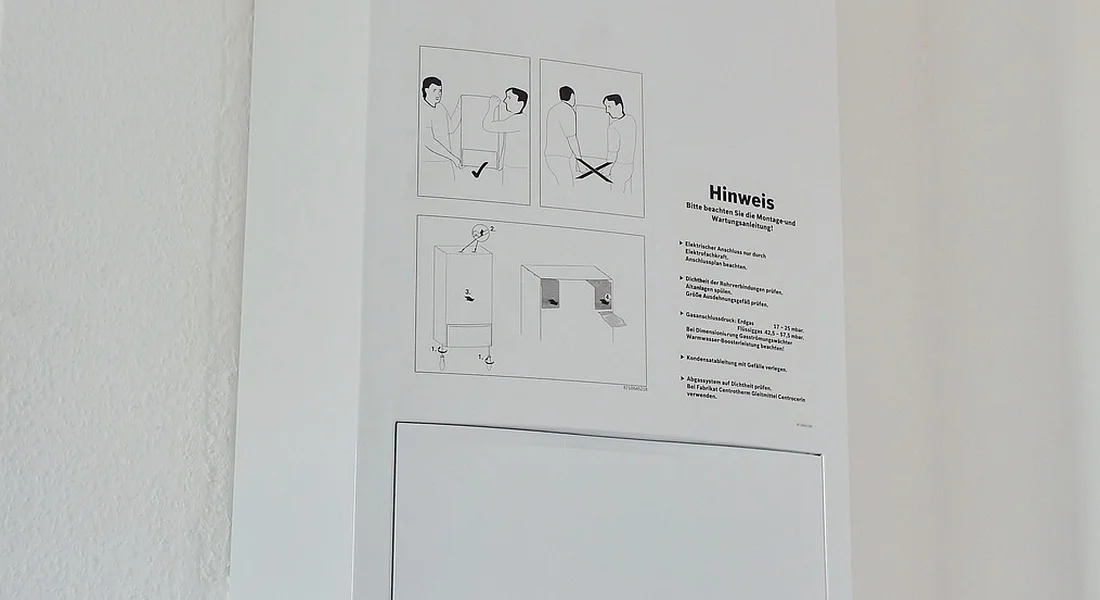
How do you choose an anode rod for a tankless water heater? You don’t, not in the traditional sense. Tankless systems use a completely different component. If you’re searching for one, you’re likely looking for what the industry calls a “service cartridge” or an “in-line anode.” It’s a small, replaceable part that threads directly into the water line, not a long rod that hangs inside a tank. These components are part of the tankless water heater system itself.
The primary job of a tankless anode is to fight scale buildup on the critical heat exchanger, not to prevent a tank from rusting. There is no storage tank to protect. Instead, hard water minerals (scale) are the enemy, as they can coat the heat exchanger and destroy your unit’s efficiency. The anode sacrifices itself to keep those components clean.
Choosing the right part is simple but non-negotiable. Selection is almost always model-specific, meaning you must find and use the exact part number specified by your water heater’s manufacturer. There is no universal “one size fits all” option here. In my own shop, I keep a binder of model numbers because getting this wrong means a return trip and a frustrated customer. Find your unit’s model tag and order the matching service cartridge.
DIY vs. Pro: The Anode Rod Replacement Difficulty Rating
Let’s talk difficulty. For a standard tank-type water heater in an open basement or garage, I rate the job a 6 out of 10. It’s a solid DIY project. For a tank in a tight utility closet or with a severely corroded rod, the difficulty easily hits an 8 out of 10. The extra points are for the frustration and potential for broken parts.
The DIY sweet spot has three requirements. You can do this yourself if you have good overhead clearance for a long wrench, basic tools like a 1-1/16″ socket and a breaker bar, and a standard gas or electric storage tank. I replaced the rod in my own 50-gallon heater last fall. I drained a few gallons first, used a cheater pipe on my breaker bar, and it came right out.
Know your limits. You should call a professional plumber if the anode rod is completely seized in the tank, if there is literally zero room above the heater to work, or if you are servicing the in-line anode on a tankless unit. A seized rod can snap the tank’s boss if forced. Tankless cartridge replacement often requires partial disassembly and recalibration, which is best left to a technician with the right tools and experience.
How to Install a New Anode Rod in a Standard Tank
Replacing an anode rod is a straightforward job you can do in an afternoon. You need a few basic tools: a 1-1/16″ deep socket (or the size for your heater’s hex head), a breaker bar or long ratchet, and Teflon tape. Beyond this, it’s helpful to know the most common water heater repair options. These include replacing the heating element or thermostat, and flushing the tank.
Follow these steps carefully.
- Turn off the power or gas supply to your water heater at the breaker or gas valve. This is non-negotiable for safety.
- Turn off the cold water supply valve at the top of the heater.
- Connect a garden hose to the tank’s drain valve and run it to a floor drain or outside. Open the valve and a hot water faucet in the house. Drain only 3-5 gallons of water. This lowers the water level below the anode rod’s port to prevent a flood when you open it. Close the drain valve.
- Locate the anode rod. On most tanks, it’s on top, screwed into a large hexagonal plug. Some are on the side, mounted on the hot water outlet.
- Place your socket on the plug and attach the breaker bar. This is the critical moment: use steady, firm pressure to break the rod loose, avoiding any jarring impact that could twist and damage the tank’s internal piping. A shot of penetrating oil can help if it’s stubborn.
- Once loose, unscrew and pull out the old rod. Be ready for a surprise. If it’s severely corroded, it may be much thinner or even break apart. This is a good sign you replaced it just in time.
- Wrap the threads of your new anode rod 3-4 times with Teflon tape, going clockwise.
- Thread the new rod in by hand to avoid cross-threading, then tighten it firmly with your tools. Do not overtighten.
- Turn the cold water supply back on, let the tank fill, then restore power or gas. Check for leaks at the anode rod port.
If the old rod is completely eaten away, its core wire can snap when you pull it, causing broken pieces to tumble down into the tank-a messy “water heater avalanche” that can clog valves. If you hear rattling inside afterward, you may need to flush the tank more aggressively to clear the debris.
System Maintenance Roadmap: Keeping Your Heater Healthy
Your water heater works hard. A simple maintenance routine adds years to its life and protects your investment.
For standard tank heaters, stick to this schedule:
- Inspect the anode rod every 3 to 5 years. Pull it out and check its thickness. If it’s less than 1/2 inch thick or the steel core wire is exposed, replace it.
- Drain and flush the tank once a year. This removes sediment that insulates the heating element (wasting energy) and corrodes the tank floor.
Tankless systems are different. They don’t have an anode rod. Their enemy is scale (mineral buildup). You must follow the manufacturer’s manual for descaling with a pump kit and vinegar solution. Also, replace any inline filter cartridges or scale inhibitor devices as recommended.
A $50 anode rod and an hour of your time is always cheaper than a $1,200+ full tank replacement due to a rusted-out liner. Regular checks are the best insurance policy you can buy.
Code & Compliance Check
Anode rods are not just an accessory. They are a core component for the certified longevity and safe operation of your water heater. Anode rods are one of many important parts that work together to protect your water heater.
Using the correct, OEM-specified anode rod helps ensure your appliance meets the performance and safety standards it was built for. Installing the wrong type or skipping it altogether can void the manufacturer’s warranty on the tank liner. It also helps maintain proper ground continuity in some electrical systems. Always choose a rod certified for use with your specific model.
What Helped Me: A Pro-Tip on Stubborn Rods
You will face a stuck anode rod. Every technician has a story. Mine was in my own 12 year old gas water heater. The rod was completely frozen in the tank’s hot water outlet nipple.
I tried a big breaker bar first. It did not move. I was worried about snapping the fitting or twisting the tank’s top. Forcing it was a bad plan.
Here is what worked.
- I soaked the hex head and the threads at the tank top with a quality penetrating oil. I applied it three times over 24 hours, letting it creep into the threads.
- I used a 1/2-inch drive impact socket and a long ratchet. I slid a four foot piece of steel pipe over the ratchet handle for maximum, controlled leverage.
- I pushed slowly and steadily. The rod groaned, then creaked, and finally turned. Patience and the right leverage beat brute force every time.
If the rod head strips or the socket won’t grip, you can hammer on a slightly smaller socket or use a pipe wrench on the exposed threads, but you risk damaging the rod for reinstallation. Sometimes, you just need to win the battle and install a new one.
Recommended Anode Rod Products by Type
Choosing a rod is not about brand loyalty. It is about matching the rod material to your water and your heater’s physical space. Buy from a local plumbing supply house or a reputable online retailer. They will have the correct specifications for length, thread size (usually 3/4″ NPT), and hex head size.
Standard Magnesium Rods
This is the default rod that comes in most new tanks. Magnesium is highly active, which makes it sacrifice itself quickly to protect the steel tank. Use a standard magnesium rod if you have relatively good water with low sulfate content and no rotten egg smell. It offers the best protection but may need replacing more often, especially in soft or acidic water.
Aluminum/Zinc Combo Rods
These rods are made from an aluminum core with zinc nodes. They are less active than magnesium. Choose an aluminum/zinc rod if you have moderate to hard water or a persistent sulfur (rotten egg) smell from your hot water taps. The zinc helps suppress the bacteria that cause the smell, while the aluminum still provides solid tank protection.
Flexible Anode Rods
A flexible rod is made of connected aluminum or magnesium segments coated with a polymer. They bend. This is your only solution for water heaters installed in closets, under low ceilings, or anywhere you cannot fit a 40-inch straight rod down through the top of the tank. You snake them in. They protect well but can be more expensive.
Manufacturer-Specific Tankless Cartridges
Tankless water heaters do not have a traditional anode rod. They use a small, serviceable cartridge, often called a sacrificial anode or a line filter. You must buy the exact replacement cartridge specified by your tankless unit’s manufacturer (like Navien, Rinnai, or Noritz). Regular adherence to your brand’s maintenance schedule is essential for keeping the unit in top condition. Brand-specific maintenance guides from the manufacturer provide the proper cleaning and inspection intervals. These are not universal. Failure to replace this as scheduled can lead to serious scale buildup and heat exchanger damage.
Common Questions
1. Is the anode rod’s only job to stop my tank from leaking?
Essentially, yes. It sacrifices itself through corrosion so the steel tank lining does not. Think of it as a cheap, replaceable shield. No rod means the tank rusts out, leading to inevitable leaks.
2. How do I pick the right anode rod for my gas water heater?
Ignore the heat source; focus on your water. Use a standard magnesium rod for normal, non-softened water. Choose an aluminum-zinc rod if you have a water softener or notice a rotten egg smell. Always match the physical size and head style of your old rod.
3. My tankless heater doesn’t have an anode rod. What protects it?
Tankless units are protected by regular descaling, not a sacrificial rod. You must flush the system with vinegar to remove mineral scale from the heat exchanger. Some models have a small, model-specific service cartridge that acts as a scale inhibitor-check your manual.
4. Can using the wrong anode rod void my warranty?
It can, especially if skipping it causes tank failure. Manufacturers design their warranties around proper maintenance, which includes anode rod protection. Using an OEM-specified rod or an equivalent certified material is your safest bet for compliance.
5. What’s the one tool I absolutely need for replacement?
A 1-1/16″ deep socket and a long breaker bar. The rod is installed extremely tight. Do not attempt this with a short ratchet; you need the leverage to break it loose without jarring the tank’s internal plumbing.
Maintaining Your Water Heater’s Protection
Check your anode rod every three years and replace it when it’s more than 50% corroded. This simple task is the most effective way to stop tank corrosion and add years to your water heater’s life.
Bob is a an HVAC and plumbing industry veteran. He has professionally helped homeowners resolve issues around water softeners, heaters and all things related to water systems and plumbing around their homes. His trusted advice has helped countless of his clients save time, money and effort in home water systems maintenance and he now here to help you and give you first hand actionable advice. In his spare time, Bob also reviews home water systems such as tankless heaters, water softeners etc and helps home owners make the best choice for their dwelling. He lives around the Detroit area and occasionally consults on residential and commercial projects. Feel free to reach out to him via the contact us form.