How to Test and Fix a Backdrafting Water Heater
Is your water heater making a rumbling noise or smelling like burning dust? You might have a backdrafting gas water heater, and that’s a serious safety issue you need to handle right now.
We will cover the simple match test to confirm backdrafting, how to check for the two most common causes, and the step-by-step repairs you can do yourself.
I’ve fixed this exact problem on dozens of service calls and in my own basement. The cause always comes down to two things: a blocked vent or not enough combustion air getting into the room.
Stop Backdrafting: What It Is and Why It’s a Red Flag
Backdrafting is when your water heater’s exhaust gases reverse flow. Instead of going up and out your chimney or vent pipe, they spill backwards into your home. This is a serious safety failure of the venting system.
The primary danger is carbon monoxide poisoning, a colorless and odorless gas that can be deadly. This is not a minor issue you can put off. It requires immediate attention. A leaking water heater also poses immediate safety risks, such as water damage and electrical hazards. Addressing both carbon monoxide risks and leaks promptly is crucial.
Your water heater will usually give you clear warning signs. Watch for these red flags:
- Soot or black carbon stains around the draft hood or on the top of the heater.
- A low, growling or rumbling noise coming from the burner compartment when it’s firing.
- A noticeable “hot” or burned-dust smell near the unit.
- Your carbon monoxide alarm sounds. Never ignore this.
- A lazy, yellow burner flame instead of a crisp, blue flame with a sharp inner cone.
If you see or hear any of these signs, act fast. Open windows in the area to ventilate the space. For gas heaters, consider shutting off the gas supply valve to the unit until a professional can inspect it.
How to Test for Backdrafting (The Matchstick Method and Beyond)
The simplest test uses smoke. You need a smoke match, a lit incense stick, or a thin piece of smoking paper. Do this with the water heater both OFF and then ON.
- Light your smoke source and let it produce a steady, thin stream of smoke.
- Hold it near the opening of the draft hood, which is the sheet metal funnel sitting on top of your water heater where the vent pipe connects.
- Observe the smoke direction carefully.
Good draft will pull the smoke up into the hood and out the vent. If the smoke is blown outward into the room or just hangs there, you have a backdrafting problem. Testing with the heater off checks for household depressurization. Testing with it on checks the draft created by the burner’s heat.
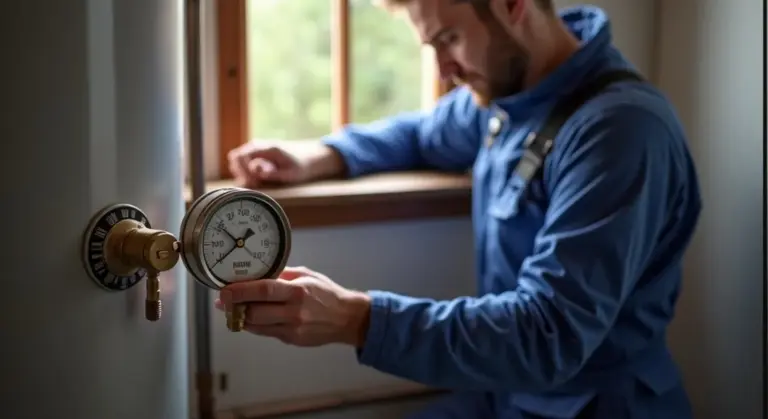
For a more precise check, you can use a draft gauge. This is a tool for more advanced DIYers. Connect it to a port in the vent pipe or hold the probe at the draft hood opening. You’re looking for a slight negative pressure, typically between -0.01 and -0.03 inches of water column, when the burner is running. A positive reading or no reading confirms the draft has failed.
The Usual Suspects: Common Causes of Water Heater Backdrafting
What are the common causes of water heater backdrafting? The answer is usually one of five things. These issues all break the simple physics that makes your vent system work. Hot exhaust wants to rise. Anything that blocks it, slows it down, or creates a vacuum pulling it back down will cause a spill, which can lead to overflow issues in the water heater.
Blocked or Damaged Vent Pipe
This is the number one problem I see on service calls. The vent pipe on your roof is an open invitation to birds, squirrels, and leaves. A nest built last spring will cause problems by fall. Snow and ice can cap the vent in winter. Over decades, the metal corrodes and develops holes. Any breach in the vent pipe, from a blockage to a rust hole, destroys the draft by letting in cold air or letting hot exhaust escape before it reaches the roof.
Undersized or Long Vent Run
Your heater needs the right size chimney. If the vent pipe diameter is too small for the heater’s BTU output, it can’t move the exhaust volume. Too many horizontal runs or elbows add friction. Picture trying to breathe through a long, skinny, twisted straw. It’s hard work. An undersized or overly complicated vent run creates too much resistance for the natural draft to overcome, so exhaust gases stall and spill out the draft hood.
Negative Air Pressure in the House
Modern homes are tight. When you turn on a powerful kitchen range hood, a bathroom fan, or a clothes dryer, these devices suck air out of the house. They create a vacuum inside. That low pressure needs to equalize, so it pulls air down any available opening, including your water heater vent. Your house is fighting against itself, with exhaust fans pulling combustion gases back into the living space instead of letting them go up the flue.
Faulty or Misaligned Draft Hood
The draft hood is that sheet metal box sitting on top of your heater. Its job is to mix room air with hot exhaust to cool it slightly and prevent downdrafts. If it gets knocked crooked during cleaning, rusts through, or was never installed level, it fails. A damaged or tilted draft hood disrupts the critical air mixing at the base of the vent, allowing the draft to fail and exhaust to spill into the room.
Lack of Combustion Air
The heater needs oxygen to burn. If it’s sealed in a small closet or a room with weather-stripped doors, it will starve for air. The heater will then pull air down the vent pipe to feed the flame, which is a major backdraft. Combustion air is non-negotiable; without a steady supply of fresh air, the heater will scavenge it from the only other source, the vent, pulling exhaust back into the room.
Your Fix-It Toolkit: Solutions for Common Backdraft Problems
Here is how you tackle each of those common causes. Start with the simple, visual checks before you get on the roof.
How to clean or clear a blocked vent or flue
Safety first. Turn off the gas or power to the water heater. Use a sturdy ladder and have someone spot you. From the roof, remove the rain cap if possible. Shine a bright flashlight down the pipe. Use a plumbing mirror to see around bends. If you see debris, a specialized vent brush on a flexible rod is your tool. Work it gently up and down. Clearing a physical blockage from the vent is often the immediate and complete fix for a backdrafting heater. For snow, carefully clear the area around the vent stack.
How to check and adjust the draft hood
With the heater off and cool, remove the outer access panel. Look at the draft hood. It should be sitting perfectly level and square on the heater’s top. Push on it gently. It should not wobble or shift. Inspect the metal for rust holes or large cracks. Ensure the draft hood is level, secure, and intact; a proper seal here is the foundation of a good draft. If it’s damaged, buy the exact replacement model for your heater. It just bolts on.
How to ensure adequate combustion air supply
If your heater is in a closet, look for two vent grilles. You need one low (within 12 inches of the floor) and one high (within 12 inches of the ceiling). Each grille must provide enough free area, usually specified in your heater’s manual and local code. No grilles? You need to add them. Installing proper upper and lower combustion air vents to a confined closet is a code requirement that solves starvation and backdraft issues permanently. Cut the openings to the outside or into a larger room that has ample air.
When should I inspect or replace the vent pipe?
Inspect the entire vent run annually. Look for these signs it needs replacement:
- Rust flakes or visible holes, especially at joints.
- Sections that sag or don’t slope upward toward the roof.
- Loose, disconnected, or poorly sealed connections.
Single-wall vent pipe must be at least 6 inches from combustible materials. Type B double-wall pipe can be 1 inch away. Replace any corroded, disconnected, or improperly supported sections of vent pipe immediately; a compromised chimney is a serious safety hazard.
Dealing with negative pressure
This is about household habits. When you’re about to run multiple exhaust appliances, like the dryer and the range hood, crack a window near the water heater just an inch. Feel for air coming in. That’s all it takes. Opening a window near the water heater when using strong exhaust fans relieves negative house pressure and stops it from overpowering the water heater’s draft. For a chronic issue in a very tight home, a dedicated makeup air system may be needed.
Tools & Material Checklist
Gather these before you start:
- Work gloves
- High-power flashlight
- Inspection mirror (for looking up vents)
- Vent brush kit (correct diameter for your pipe)
- Screwdrivers (flat and Phillips)
- Sheet metal screws
- High-temperature silicone sealant (red tube) for minor vent pipe seal repairs
- Tape measure
- Combustion air vent grilles (if needed)
While You’re at It: Tying in Other Common Water Heater Repairs
A heater struggling with backdrafting doesn’t work in a vacuum. A poor draft forces the unit to operate inefficiently, which can cause or worsen other common problems. Fixing your draft issue is the perfect time to tackle these other maintenance items that keep your whole system running safely and efficiently.
How Do I Troubleshoot and Relight a Pilot Light?
If your pilot light keeps going out, a backdraft is a prime suspect. A strong negative pressure or a sudden down draft in the flue can literally blow the flame out. Before you relight it, you must rule out the draft issue we just fixed. Always turn the gas control knob to “OFF” and wait five full minutes for any gas to clear before attempting to relight.
Here is the standard relighting procedure for most units:
- Find the gas control knob. Turn it from “ON” to “PILOT.”
- Push the knob down. This starts the gas flow to the pilot.
- While holding the knob down, press the igniter button repeatedly until you see the pilot flame light. Keep holding the knob down for 60 seconds after it lights.
- Slowly release the knob. The pilot should stay lit. Turn the knob to “ON.”
If the pilot won’t stay lit after you release the knob, the thermocouple (a safety sensor) is likely bad and needs replacement. This is a common, fixable issue.
How Do I Flush the Tank to Remove Sediment?
Sediment (sand, minerals) settles at the bottom of the tank, acting like an insulator. The burner has to work harder and longer to heat the water, wasting gas and putting extra thermal stress on the tank and vent system. An annual flush clears this out and restores efficiency. Here’s how you can identify and remove the sediment from your water heater:
- Turn off the gas or power to the heater.
- Connect a standard garden hose to the drain valve at the base of the tank. Run the other end to a floor drain or outside.
- Open a hot water faucet somewhere in the house (like a sink) to break the vacuum.
- Open the tank’s drain valve. Let the water run until it becomes clear, usually 3-5 minutes. If the flow is weak, you may need to poke a wire into the valve opening to break up compacted sediment.
- Close the drain valve, remove the hose, turn the gas/power back on.
How Do I Test and Replace the Pressure Relief Valve?
This valve is your heater’s most critical safety device, preventing a pressure explosion. Testing it should be part of any heater maintenance session. Its job is to relieve excess pressure by venting water or steam when the tank builds up too much pressure. Knowing how it works helps you spot signs of a failing valve. Locate the valve (usually on the top or side of the tank with a discharge pipe running down).
Lift the test lever halfway up and let it snap back. You should hear a loud gurgle or see water discharge out the pipe, then stop when you release the lever. If no water comes out, or if it continues to drip afterward, the valve is failed and must be replaced immediately. Replacement involves draining the tank below the valve level, unscrewing the old one, and threading in a new one with pipe sealant tape.
How Do I Inspect the Anode Rod?
The anode rod is a sacrificial metal rod that corrodes instead of your steel tank. It’s the key to a long tank life. Knowing the recommended inspection frequency helps you plan maintenance for your water heater. This is why many DIYers tie anode checks to their annual flush. Inspecting it during your annual flush tells you if your tank’s corrosion protection is still active. You’ll need a 1 1/16″ deep socket and a long breaker bar.
Shut off the water and power, drain a few gallons from the tank, then locate the anode rod’s hex head on top of the heater (often under a plastic cap). Unscrew it and pull it out. If the rod is less than 1/2 inch thick, or if the steel core wire is exposed over much of its length, replace it. A new rod simply screws back into the opening.
Water Heater Maintenance Roadmap: A Schedule to Prevent Problems
Consistency is cheaper than crisis. Stick to this simple schedule and you’ll avoid most major heater failures.
- Every 6 Months:
- Visually check the exterior vent termination for blockages (bird nests, leaves).
- Look inside at the burner area (viewing window) for any signs of soot.
- Test the pressure relief valve as described above.
- Annually:
- Perform a full tank flush to remove sediment.
- Inspect the anode rod and replace if worn.
- Conduct the draft test with a smoke source or mirror.
- Every 3-5 Years:
- Have a licensed technician inspect the burner assembly, flue passageways, and heat exchanger. A damaged heat exchanger, often signaled by soot on the burner or water in the combustion chamber, is a serious safety hazard that requires immediate replacement of the heater.
Water Science Snippet
Your gas water heater is a controlled combustion appliance. It needs oxygen (O2) from your home’s air to mix with natural gas or propane. When venting works correctly, this clean combustion mainly produces carbon dioxide (CO2) and water vapor, which are safely carried up the flue. If the vent draft fails, incomplete combustion occurs. This process creates carbon monoxide (CO), a deadly, odorless gas that can backdraft into your home. Proper venting isn’t just about efficiency, it’s a fundamental life safety issue.
The DIY vs. Pro Verdict: When to Roll Up Your Sleeves and When to Call
Fixing backdrafting is a mix of simple checks and complex repairs. You need to know your limits.
Difficulty Rating: What You’re Up Against
| Task | Difficulty (1-10) | Why |
| Diagnosis & Basic Testing | 3 | Simple visual checks and a draft test with a match or incense stick are straightforward. Knowing what to look for is most of the work. |
| Cleaning an Accessible Vent Section | 5 | Requires working on a ladder, removing vent caps, and using brushes. It’s messy and needs care not to damage the pipe. |
| Replacing a Long or Complex Vent Pipe | 8 | Involves precise measurements, proper slope, secure supports, and correct termination. A mistake here creates a dangerous situation. |
What a Confident DIYer Can Handle
If you’re comfortable with basic tools and a ladder, you can handle these steps safely.
- Visual Inspections: Look at the vent pipe from the water heater to the roof. Check for obvious dips, sags, or disconnections. Go outside and look at the roof cap. Is it crushed? Is there a bird’s nest? Are there leaves packed in there?
- Basic Draft Testing: With the water heater running, hold a lit match, incense stick, or a puff of baby powder near the draft hood. The smoke should be pulled steadily up into the hood. If it’s pushed back into the room or dances erratically, you have a draft problem.
- Cleaning Accessible Vents: If the horizontal run in your basement or the vertical section in a garage is accessible, you can clean it. Turn off the water heater. Disconnect the pipe at a union or elbow. Use a flexible brush and a shop vacuum. Reconnect it tightly.
- Relighting Pilots and Checking Air Intakes: If your pilot light keeps blowing out, you can relight it following the unit’s manual. Also, ensure the air intake near the floor (if your heater has one) is not blocked by boxes or debris.
What Requires a Licensed Professional
This is not a place for guesswork. Call a licensed plumber or HVAC technician immediately for these issues.
- Any Gas Line Work: Adjusting, repairing, or extending the gas supply line. A leak or improper pressure is an explosion risk.
- Replacing a Heat Exchanger or Burner Assembly: This is major internal surgery on the appliance itself.
- Major Vent Pipe Replacement or Sizing: Running a new vent through the attic and roof, or correcting an undersized pipe. The diameter, length, and number of elbows are all calculated for safe operation.
- Persistent Backdrafting After Basic Fixes: If you’ve cleaned the vent and checked for blockages but it still backdrafts, the problem is deeper. Continuing to run an appliance that backdrafts introduces carbon monoxide into your home.
Code & Compliance Check
Combustion air and venting aren’t suggestions. They are law. The International Fuel Gas Code (IFGC) and National Fuel Gas Code (NFPA 54) dictate the requirements for proper sizing, materials, and installation. A professional doesn’t just fix the symptom. They ensure the entire system is up to code, which is your guarantee of long term safety.
What Helped Me
In my old house, I fought intermittent backdrafting for a season. I cleaned the cap, checked for leaks. It would work, then act up on the coldest days. The vent pipe ran through an uninsulated attic. The problem was condensation and cool flue gases losing their lift. A pro diagnosed it and installed an insulated, smaller-diameter metal liner inside the old vent. It created a hotter, faster draft. That was the permanent fix. Sometimes the solution isn’t cleaning, it’s physics.
Common Questions
What immediate steps should I take if I suspect backdrafting?
Your first move is to ventilate the area immediately by opening windows. For gas heaters, consider shutting off the gas supply valve to the unit as a safety precaution. Do not restart the heater until the venting problem has been identified and fixed.
How can I test for proper venting beyond the simple match test?
For a more precise check, use a draft gauge at the draft hood opening with the burner running. You should see a slight negative pressure. Also, inspect for soot stains around the draft hood, which are a clear visual indicator of chronic spillage that needs addressing.
When should I inspect or replace the vent pipe?
Inspect the entire vent run annually for rust, holes, sags, or loose connections. Any section that is corroded, disconnected, or improperly supported must be replaced immediately. A compromised vent is a critical safety failure, not just an efficiency issue.
How do I ensure adequate combustion air supply?
Verify your heater’s room has two permanent ventilation grilles: one high and one low. Ensure they are not blocked by storage or debris. If the heater is in a confined space and these vents are missing, installing them to code is a mandatory fix for air starvation.
When is it absolutely necessary to call a professional?
Call a licensed technician if you find major vent damage, need to replace the vent pipe, or if backdrafting persists after clearing blockages and checking airflow. Any work involving gas lines or internal components like the heat exchanger also requires a pro for safety and code compliance.
Keeping Your Water Heater Safe and Venting Properly
Start by making sure your heater’s vent pipe is clear and securely attached all the way to the outside; that single check solves most backdrafting problems. Schedule a quick visual inspection of the vent and area around your heater every few months to catch small issues before they become dangerous.
Written by Bob McArthur. Bob is a an HVAC and plumbing industry veteran. He has professionally helped homeowners resolve issues around water softeners, heaters and all things related to water systems and plumbing around their homes. His trusted advice has helped countless of his clients save time, money and effort in home water systems maintenance and he now here to help you and give you first hand actionable advice. In his spare time, Bob also reviews home water systems such as tankless heaters, water softeners etc and helps home owners make the best choice for their dwelling. He lives around the Detroit area and occasionally consults on residential and commercial projects. Feel free to reach out to him via the contact us form.