Water Heater Smelling Like Rotten Eggs? Fix the Sulfur Stink Fast
That foul rotten egg smell from your hot water is a red flag. Let’s get straight to what’s causing it and how to make it stop.
We will cover the main culprit behind sulfur odors, how to safely check for a gas leak, and the step-by-step process to flush and treat your water heater.
I’ve replaced more anode rods and flushed more tanks than I can count. Trust me on this: if the smell is only in your hot water, you’re dealing with a bacteria problem in the tank, not your gas supply.
The Science of the Stink: It’s Usually Not Your Gas Line
That rotten egg smell coming from your faucet is almost never a natural gas leak. It is almost always hydrogen sulfide gas created in your water system, which is a different and far more common problem. While you should always rule out a gas leak first (we’ll cover that next), the source of the odor is almost certainly your water.
The Two Main Culprits
You’re dealing with one of two issues, and sometimes both at once.
Sulfur bacteria live in groundwater, in your well, or in your plumbing and water heater tank. These bacteria don’t make you sick, but they produce hydrogen sulfide gas as a waste product. They thrive in oxygen poor environments, like the bottom of your water heater.
Your anode rod is a sacrificial metal component designed to rust instead of your tank’s steel lining. The electrochemical reaction that causes it to corrode can, in water with sulfate, produce hydrogen sulfide gas. If your water smells fine from the cold tap but stinks from the hot, the anode rod is likely the villain.
Water Science Snippet: Hydrogen Sulfide & pH
Hydrogen sulfide (H₂S) is that classic “rotten egg” gas. It’s detectable by smell at very low concentrations. A low pH level (acidic water) aggressively attacks your anode rod, speeding up corrosion and often making the sulfur smell stronger and appear faster. If your home has acidic water, you’re more prone to this issue. Testing your water’s pH is a smart first diagnostic step. You should also check your hot water heater for rust signs, which can signal internal corrosion. Early detection helps prevent leaks and more costly damage.
Emergency First Steps: When to Panic and When to Plunge
Before you touch the water heater, you must confirm this is a water issue and not a gas emergency. Use this guide.
Red Flag Troubleshooting: Gas Leak vs. Sulfur Smell
| Signs of a NATURAL GAS LEAK | Signs of SULFUR in WATER |
|---|---|
| Smell is in the air, strongest near gas appliances or pipes. | Smell is only present when running water, especially hot water. |
| You may hear a hissing or blowing sound. | No sound is associated with the smell. |
| Dead or discolored vegetation near a gas line outside. | Smell may be in all faucets or just some. |
| You feel dizzy, nauseated, or have headaches indoors. | The smell is isolated to sinks, showers, and tubs. |
If You Suspect a Natural Gas Leak: The Action List
This is not a DIY moment. Follow these steps in order.
- Leave the building immediately. Do not turn light switches on or off.
- From a safe distance outside, call your local gas utility company or 911. They have detectors and will respond fast.
- Do not re enter the building until utility personnel say it is safe.
This is why gas lines are installed and inspected under strict safety codes. A professional needs to handle it.
The Simple “Hot vs. Cold” Smell Test
If you’ve ruled out a gas leak, find the odor’s source. Go to a faucet and run only the cold water for two minutes. Smell it. Now run only the hot water for two minutes. Smell it. If the smell is strong in the hot water but faint or gone in the cold, your water heater is the confirmed source of the problem. This test tells you where to focus your fix. Be aware of other hot water heater signs and symptoms, such as fluctuating temperatures, unusual noises, or discolored water. These cues can help you plan the next steps.
Step-by-Step Fixes: From a Simple Flush to a Rod Swap

Start with the easiest fix and work your way up. If the first method doesn’t kill the smell, move to the next one.
Flush the Tank
This is your first line of defense. It removes the smelly, stagnant water sitting at the bottom of your tank where bacteria thrive.
You will need a standard garden hose and a floor drain or a large bucket.
- Turn off the power to your electric water heater at the breaker panel, or turn the gas control knob on a gas heater to “Pilot.”
- Shut off the cold water supply valve on the pipe feeding the top of the heater.
- Connect your garden hose to the drain valve at the bottom of the tank. Run the other end to a drain or outside.
- Open a hot water faucet in a nearby sink or tub to let air into the system.
- Open the tank’s drain valve and let the water flow until it runs completely clear. This may take 5-10 gallons.
- Close the drain valve, remove the hose, turn the cold water supply back on, and let the tank fill completely. Once water runs steadily from the hot faucet you opened, turn it off.
- Restore power or turn the gas knob back to its normal setting.
Run the hot water for a few minutes to see if the odor is gone. If the smell remains, the bacteria are still alive and you need to disinfect, as water softeners won’t remove bacterial odors.
Disinfect with Peroxide or Bleach
Killing the sulfur bacteria requires a chemical shock. You can use either household hydrogen peroxide (3%) or regular, unscented chlorine bleach. Both work, but there is a key safety difference.
Never use chlorine bleach if your water heater has an aluminum anode rod, as it can cause rapid, destructive corrosion. If you don’t know what rod you have, use peroxide. It’s the safer, more universal choice.
Here is the process for either chemical:
- Follow steps 1 through 4 from the flush procedure above to drain a few gallons of water from the tank. This creates space for the disinfectant.
- Close the drain valve. For a 40-50 gallon tank, measure 1-2 quarts of 3% hydrogen peroxide OR 1-2 cups of bleach.
- Turn the cold water supply on for just a moment to create some water flow, then slowly pour the disinfectant directly into the cold water inlet opening at the top of the tank. You may need to temporarily remove a flexible hose or loosen a union fitting.
- Fill the tank completely with cold water and restore power or gas.
- Let the heater bring the full, treated tank of water up to temperature. This can take a few hours.
- Once hot, run every hot water faucet in your house for 5-10 minutes to push the treated water through all the pipes. You will smell the disinfectant.
- Wait 6-8 hours, then flush the entire tank again using the flush procedure to remove all the chemical residue.
This treatment usually solves the problem for months or longer. If the rotten egg smell returns quickly, your sacrificial anode rod is likely feeding the bacteria and needs to be changed.
Replace the Anode Rod
DIY Difficulty Rating: 7/10. This is a physical job and the rod can be extremely difficult to remove.
The anode rod is a metal stick screwed into the top of your tank. It corrodes instead of your tank’s steel lining. The problem is, the most common types (magnesium and aluminum) can produce sulfur gas as they break down, which feeds the smelly bacteria.
You have three main choices for a replacement:
- Magnesium: The standard rod. Offers excellent corrosion protection but is most likely to cause a sulfur odor in water with bacteria.
- Aluminum/Zinc (Alum-Zinc): Less likely to cause odor than magnesium. A common direct replacement for odor issues.
- Powered (Titanium) Anode: The permanent solution. It uses a small electrical charge to protect the tank and doesn’t corrode, so it gives bacteria nothing to eat. It costs more upfront but never needs replacing.
Tools & Material Checklist:
- New anode rod (correct length and type)
- 1/2-inch drive Breaker bar (18″ or longer) and correct socket (usually 1-1/16″)
- Teflon tape or pipe thread sealant
- Garden hose and bucket (for a small drain-down)
- Assistant to help hold the tank (optional but recommended)
- Turn off power and water to the heater as described in the flush steps.
- Drain about 5 gallons of water from the tank to lower the water level below the anode rod’s port on top.
- Locate the anode rod’s hex head. It’s on top of the tank, often under a separate plastic cap, and looks like a large bolt head.
- Fit your socket and breaker bar. You will need significant force. Use steady pressure, not jerking motions, to avoid damaging the tank. If it won’t budge, applying penetrating oil and waiting an hour can help. In some cases, you need to call a pro.
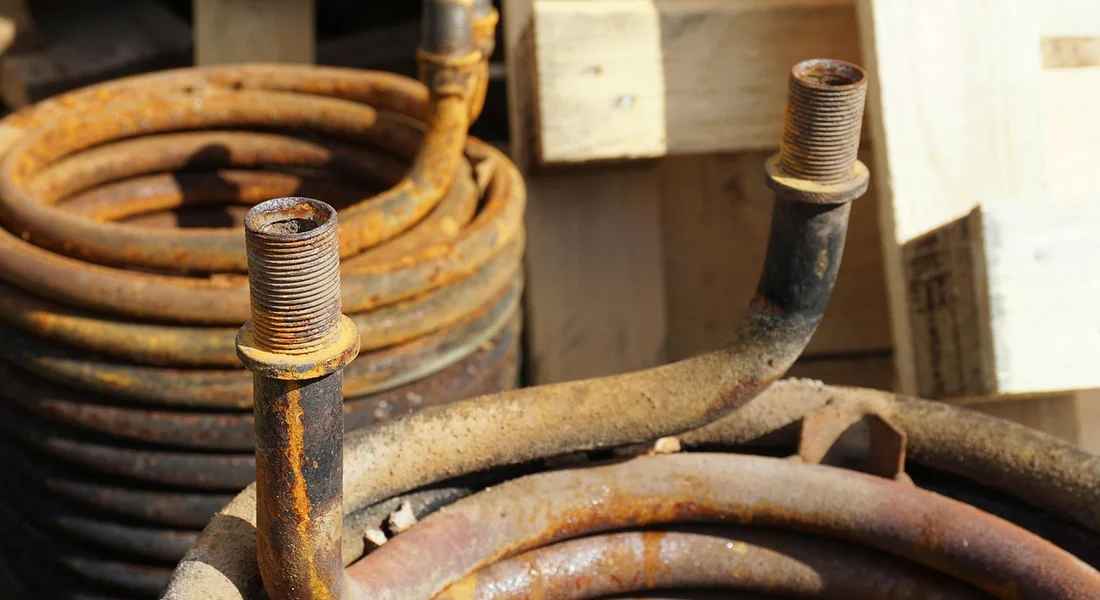
- Once loosened, unscrew and remove the old rod. Inspect it. If it’s less than 1/2 inch thick or has completely corroded away, it was due for replacement.
- Wrap the threads of the new rod with Teflon tape or apply pipe sealant.
- Thread the new rod into the tank by hand, then tighten it firmly with your wrench. Do not overtighten.
- Turn the water supply back on, let the tank fill, restore power, and check for leaks at the new rod.
Switching to an aluminum-zinc or powered anode rod often solves chronic odor problems for good.
Keeping the Smell Gone: Your Maintenance Roadmap
A little regular care prevents the problem from ever coming back.
Your Simple Maintenance Schedule
- Annual Flush: Do the full tank flush procedure once a year. This clears out sediment that bacteria love.
- Anode Rod Inspection: Check the anode rod every 3-5 years. If it’s heavily corroded, replace it before it fails completely and before it can start causing odors.
Recommended Products for Prevention
If you have a well or persistent issues, these products add an extra layer of protection.
Inline Hot Water Filters: These small filters install on the hot water pipe leaving your heater. Look for models filled with a copper-zinc mineral media (like KDF-55). This media kills bacteria and removes sulfur odors directly from the hot water line. It’s an excellent band-aid for a single problem heater, although it’s better to address water quality issues at the source.
Whole-House Chlorination Systems: For homes with well water, this is the real solution. A chlorinator injects a tiny amount of bleach into your water supply where it enters the house. It kills sulfur bacteria in the entire plumbing system, not just the heater. The chlorine is then removed by an activated carbon filter, so your drinking water tastes normal.
Point-of-Use Filter vs. Whole-House System
Choosing the right fix depends on the scope of your problem.
A point-of-use filter on your hot water line is a band-aid solution when the odor is isolated to your water heater only. It cleans the symptom (the smelly hot water) but doesn’t treat the cause (bacteria in your well or plumbing).
A whole-house chlorination system is the real solution when you have recurring odors in both hot AND cold water, or if you are on a private well. It treats the entire water supply, protecting every faucet, appliance, and your water heater from bacterial contamination. It’s a more involved installation, but it solves the problem at its source.
The DIY vs. Pro Verdict and Final Checks
You’ve got a plan to tackle the rotten egg smell. Here’s the final call on what you should handle and when to pick up the phone.
Difficulty Ratings Recap
Let’s review the main fixes from easiest to most complex.
- Flushing the Tank (Difficulty: Easy): This is basic maintenance. If you can hook up a hose and turn a few valves, you can do it. The goal is to stir up and flush out the smelly sediment.
- Replacing a Standard Anode Rod (Difficulty: Medium): This gets trickier. You need the right socket and some muscle. If your rod is on the top of the heater and accessible, it’s a solid DIY project for a confident homeowner.
- Treating with Hydrogen Peroxide (Difficulty: Medium): The process is simple (adding chemical to the tank), but requires careful calculation. You’re working with a strong oxidizer. If you’re precise and follow safety data sheet instructions, it’s doable.
- Installing a Well Water Chlorination System (Difficulty: Hard/Pro): This is a whole-house solution for persistent well water issues. It involves plumbing, electrical, and chemical feed pumps. This is almost always a job for a professional water treatment specialist.
When to Call a Plumber or Technician
Don’t be a hero. Call a pro for these situations.
- Gas Line Concerns: Any work near the gas line or thermocouple on a gas water heater requires a licensed professional. One mistake here is dangerous.
- Complex Anode Rod Location: If your anode rod is buried under plumbing, or if the heater is in a tight closet where you can’t get proper leverage, a pro has the tools and experience to swap it without causing damage.
- Persistent Well Water Issues: If flushing, rod replacement, and a peroxide treatment don’t solve the smell, your problem is likely at the source. A water systems technician can test your water and design a correct treatment system.
When NOT to Try This
Stop immediately and get professional help if any of these apply.
- You Suspect a Gas Leak: That “rotten egg” smell is added to natural gas. If the smell is strongest at the heater’s control area (not from the hot water taps) and you haven’t run hot water, you might have a real gas leak. Leave the area and call your gas company.
- You’re Not Comfortable with Basic Plumbing: If the idea of draining a heater or using pipe wrenches makes you nervous, hire it out. A mistake can cause flooding or injury.
- The Heater is Very Old: If your heater is 15+ years old, a vigorous flush can dislodge corrosion and actually cause new leaks. Sometimes it’s better to let a sleeping dog lie and start planning for a replacement.
Your Remaining Questions, Answered
Here are the last few common questions that pop up.
“Is this smelly water safe to drink?”
Usually, yes. The hydrogen sulfide that causes the rotten egg odor is unpleasant but typically not harmful at the levels found in household water. The smell itself is the main health concern, as it can cause nausea and make the water unpalatable. If you have well water, it’s a good idea to test for related contaminants like coliform bacteria to be sure.
“Why does only my hot water smell?”
This is the classic sign. The bacteria that produce hydrogen sulfide thrive in the warm, cozy environment of your water heater tank. They often live in your cold water supply too, but the heater provides the perfect incubator. That’s why the stink kicks in only when you turn on the hot tap.
Common Questions
Is it ever a gas leak if the smell is only in the hot water?
Almost never. A natural gas leak will smell in the air around appliances, not just from your faucet. Always perform the “hot vs. cold” smell test first to confirm the odor is isolated to your water.
Can I use chlorine bleach to disinfect my tank, or is peroxide better?
Hydrogen peroxide is the safer, universal choice. Never use chlorine bleach if your water heater has an aluminum anode rod, as it can cause rapid corrosion. When in doubt, use peroxide.
My smell came back after flushing. What’s the next step?
A quick return means your sacrificial anode rod is likely feeding the bacteria. The most effective permanent fix is to replace a standard magnesium rod with an aluminum-zinc or powered anode rod.
How do I choose between an aluminum-zinc and a powered anode rod?
An aluminum-zinc rod is a great direct replacement that often solves the odor. A powered (titanium) anode is a higher upfront investment but provides permanent protection and never needs replacing.
When should I consider a whole-house system instead of just treating the heater?
If you have a private well or the rotten egg smell is present in both your hot AND cold water, the source is your water supply. A whole-house chlorination system treats the problem at its origin.
Your Action Plan for Odor-Free Hot Water
If you smell gas, turn off the gas valve and call a technician right away. For rotten egg smells, flush the tank and replace the anode rod to solve the problem.
Bob is a an HVAC and plumbing industry veteran. He has professionally helped homeowners resolve issues around water softeners, heaters and all things related to water systems and plumbing around their homes. His trusted advice has helped countless of his clients save time, money and effort in home water systems maintenance and he now here to help you and give you first hand actionable advice. In his spare time, Bob also reviews home water systems such as tankless heaters, water softeners etc and helps home owners make the best choice for their dwelling. He lives around the Detroit area and occasionally consults on residential and commercial projects. Feel free to reach out to him via the contact us form.