Water Heater Burst? Your Homeowners Insurance Guide
Your water heater just leaked or burst. You’re staring at the water and wondering if your insurance will pay for it.
We will cover what types of damage are usually covered, how to file a claim the right way, and when you pay for replacement yourself.
I’ve been on thousands of service calls for busted heaters. In my own basement, I tape my policy number to the shut-off valve. Here’s the deal: your coverage depends on why it failed, not just the water on the floor.
Understanding What Your Policy Actually Covers
Homeowners insurance is not a maintenance plan. It exists to cover “sudden and accidental” damage, not the slow breakdown of things from age or wear and tear. Think of it like a car accident versus a worn out tire. Insurance handles the crash, but you pay for the new tires.
Your policy has two main parts that matter here. Dwelling coverage protects the physical structure of your house, like walls and floors. Personal Property coverage is for your belongings inside, like furniture and electronics.
Does homeowners insurance cover water heater leaks? It depends completely on the cause. Understanding the exact cause is key to determining coverage. A leak from a corroded, 15 year old tank is wear and tear. That’s on you. A leak from a supply line that spontaneously cracks while you’re on vacation is sudden and accidental. That’s likely covered. In the next steps, we’ll outline common water heater leak causes and simple troubleshooting tips.
Does homeowners insurance cover water heater bursts? Usually, yes, but for the damage it causes. If the tank splits open and floods your basement, the water damage to your drywall and carpet is typically covered. The insurance company sees that as a sudden event.
Does homeowners insurance cover water heater replacement costs? Only if the failure causes other, covered damage. Insurance will pay to fix your soaked flooring, but you will still need to buy and install the new water heater yourself. The heater itself is considered a failed appliance, not a casualty. If the damage isn’t catastrophic, you may first look at most common water heater repair options to see if a fix is feasible. This can help you weigh repair versus replacement and plan your next steps.
Picture this. A slow drip from a rusty tank base leaves a stain on the concrete floor for months. Not covered. A brand new, correctly installed cold water inlet valve suddenly fails and sprays water everywhere. That should be covered. The difference is in the timeline and cause.
What “Sudden and Accidental” Really Means for Your Tank
I got a call for a heater leaking in a garage. The homeowner said it just started. When I got there, the bottom of the tank was wet, and there was a small pinhole leak. More telling, there was a ring of rust and sediment on the floor around the base. That heater was 12 years old. The insurance adjuster later denied the claim. The evidence showed long term corrosion, not a sudden accident.
Contrast that with another job. A two year old heater had a faulty temperature and pressure relief valve. It opened on a hot day and wouldn’t reseal, dumping water. There was no prior rust or neglect issues. It was a genuine, unexpected failure. That claim was approved for the water damage. Adjusters are trained to look for these signs. They want to see if you ignored a problem or if it was a genuine, unexpected failure.
The Big Difference Between Damage to the Heater and Damage From the Heater
Your water heater is part of your home’s plumbing system, like your pipes. Insurance sees it as a component that can fail. The key rule is this: homeowners insurance pays for the flooded basement drywall, not the broken heater. It covers the consequence, not the source.
So, are water tanks covered by insurance? Directly, almost never. If a tree falls on your tank, that’s a different story. But for standard failure, the tank is your responsibility. You insure the house, not the things that make it run. Keep that in mind when budgeting for home repairs.
For Renters and Landlords: Who Pays for What?
Landlords have a legal responsibility, often called the “implied warranty of habitability.” This means they must provide working essential systems, including hot water and heat. If the water heater fails, it’s generally the landlord’s job to fix or replace it.
Are tenants responsible for water heater repairs? Generally, no. Tenants are responsible for damage they cause through misuse or neglect. For example, if a tenant deliberately drains the tank incorrectly and burns out the elements, they might be liable. Normal failure from age is the landlord’s problem.
Can a landlord leave you without heating and hot water? No. In most places, that violates habitability laws. Landlords must make repairs in a reasonable time. If they don’t, tenants may have legal recourse, like withholding rent or calling a local housing authority.
Tenants should have their own renter’s insurance. If the landlord’s water heater bursts and ruins your couch and laptop, your landlord’s insurance won’t cover your stuff. Renter’s insurance will. It’s cheap protection for your personal property.
Do tenants pay for water heater repairs? Only in very rare cases of clear, provable damage caused by the tenant. For almost all standard failures, the answer is no.
Your Prevention and Maintenance Roadmap
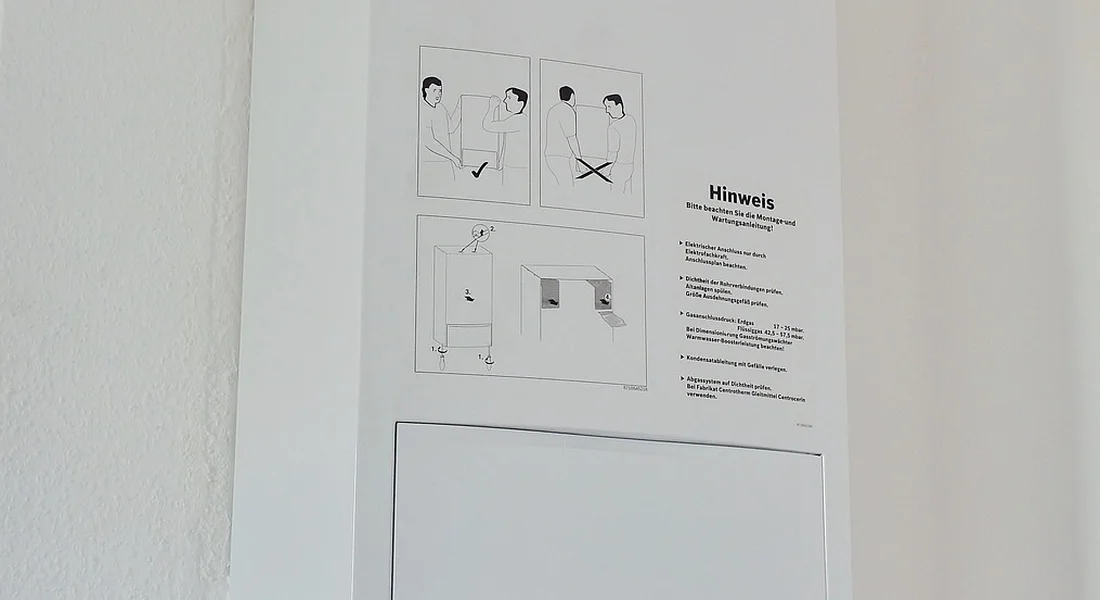
Good maintenance is your best insurance against a catastrophic water heater failure and a denied claim. Think of it as active risk management for your property and your future premiums. Insurance companies look for signs of negligence. A documented maintenance schedule shows you are a responsible homeowner.
The Water Heater Maintenance Schedule
Treat this like an oil change for your house. Stick to this schedule to maximize your heater’s life.
- Monthly: Do a visual check. Look for any moisture, drips, or puddles at the base of the tank and around all pipe connections.
- Every 6 Months: Test the Temperature & Pressure (T&P) Relief Valve. Lift the test lever for a few seconds. You should hear a rush of air or see water discharge into the drain pipe. If nothing happens, the valve is bad and must be replaced immediately.
- Annually: Flush the tank. Connect a garden hose to the drain valve, run it to a floor drain or outside, and open the valve to let sediment blast out until the water runs clear. This single task can add years to your heater’s life by preventing corrosion and inefficiency.
- Every 3-5 Years: Inspect the anode rod. This rod sacrifices itself to protect your tank from rust. Once it’s more than 50% corroded, replace it. In my own home, I check it every 4 years without fail.
A standard tank water heater lasts 8-12 years. Insurers know this. A sudden failure in a 15-year-old unit is often seen as wear and tear, not a covered “sudden and accidental” event. Proactive replacement before total failure is cheaper than a basement flood. For deeper context, our average water heater lifespan guide covers typical lifespans by model and usage. It helps homeowners plan proactive replacements before failures occur.
The “Red Flag” Troubleshooting Guide
Your water heater talks to you. Learn its language. When you see these five signs, it’s shouting for help.
- Rusty Water from Hot Taps Only: The tank lining is corroding. This is a terminal diagnosis. Start planning for a full replacement immediately.
- Rumbling or Popping Noises: Sediment has hardened at the bottom of the tank. The heater is overheating and straining. Flush the tank right away. If the noise continues, the tank is likely damaged.
- Water Pooling at the Base: The tank has a crack or a major fitting has failed. Turn off the power and water supply to the heater immediately. Call a plumber now.
- Moisture on Valves or Pipe Connections: A small leak from a valve or fitting. This is often a simple, out-of-pocket repair. Tighten connections or replace the faulty valve before it worsens.
- The Heater is Over 10 Years Old: Age itself is a red flag. Even if it seems fine, its risk of failure is high. Budget for its replacement and inspect it monthly.
Tools & Materials Checklist for Basic Care
You don’t need a fancy toolbox. These basics will handle 90% of maintenance.
Tools:
- A standard garden hose (at least 5/8″ diameter, 6 feet long)
- A large bucket (for catching initial sediment when draining)
- Channel-lock pliers or an adjustable wrench
- A standard screwdriver (for T&P valve testing)
Helpful Materials to Have On Hand:
- Pipe thread tape (Teflon tape) for sealing new connections
- A new T&P relief valve (matching your heater’s BTU and pressure rating)
- A replacement anode rod (check your heater’s manual for type)
Home Warranty vs. Insurance vs. Paying Out-of-Pocket
When your water heater quits, you have three paths. Knowing the difference saves you time, money, and frustration.
Home Warranty: The Service Contract
A home warranty is a service contract for breakdowns due to age and normal wear. You pay an annual premium and a service call fee (usually $75-$125).
Are water lines covered by home warranties? Often yes, but check the fine print. Most cover the internal water lines from the heater and fixtures. Exclusions for pre-existing conditions or lack of maintenance are common.
The downside is waiting. They assign a contractor, which can take days. The contractor may use builder-grade parts for repair, not premium replacements.
Homeowners Insurance: The Catastrophe Policy
Insurance is for sudden, accidental damage. It does not cover the broken appliance itself if it just wore out.
Are water lines covered by homeowners insurance? Only if they burst from a sudden event (like freezing). Damage from a slow drip over years (deterioration) is not covered.
You must pay your deductible first, which often exceeds the cost of a new water heater. Filing a claim can also raise your premiums.
Paying Out-of-Pocket: Direct Control
You hire your own trusted plumber, choose the exact unit you want, and get it done on your schedule. There are no deductibles, waiting periods, or claim forms.
For a straightforward replacement, this is frequently the fastest and most cost-effective choice, especially if you were already budgeting for it.
How to Choose: A Simple Guide
- Sudden Major Flood? This is an insurance claim. Document the damage, stop the water source, and call your agent.
- Old Heater Simply Stops Heating? This is wear and tear. Use your home warranty if you have one, or pay out-of-pocket for a replacement.
- Minor Leak from a Drain Valve or Pipe Connection? This is almost always an out-of-pocket repair. It’s a simple fix that costs less than most insurance deductibles or warranty service fees.
The Technical Side: Water Science and System Links
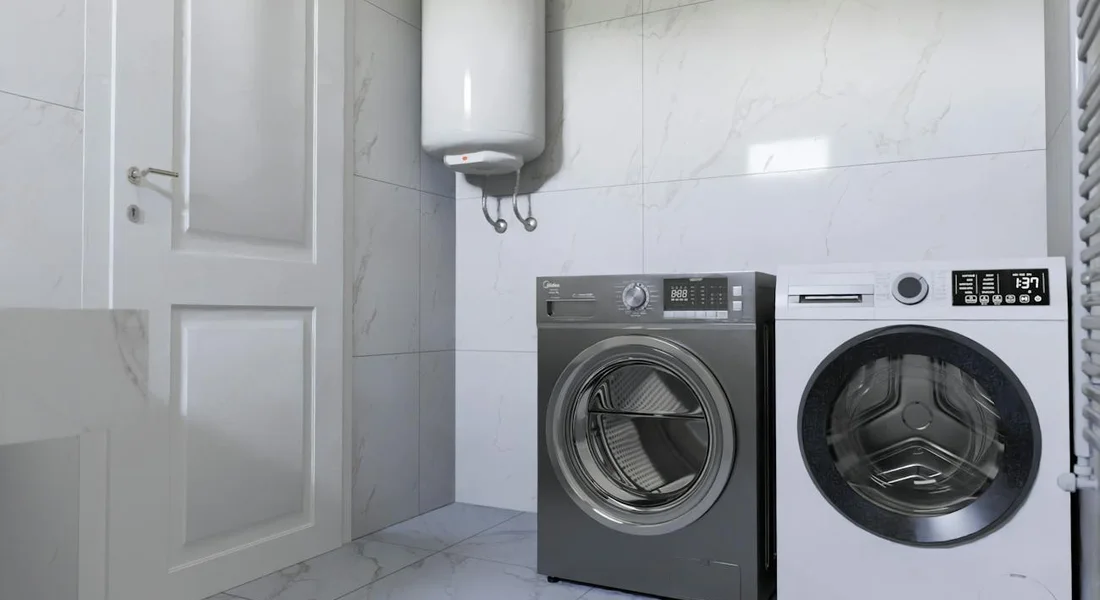
Your water heater doesn’t work in a vacuum. What happens in your pipes, your water softener, and your pressure system directly affects its health and your insurance standing. Understanding these links is key to prevention.
Water Chemistry and Your Tank’s Lifespan
Think of your water heater tank as a battlefield. The enemy is corrosion. Two common water conditions speed up this attack: high Total Dissolved Solids (TDS) and low pH (acidic water).
High TDS means your water is packed with minerals like calcium and magnesium. This scale builds up on the heating element and tank lining, creating hot spots that weaken the steel. Low pH water is simply corrosive. It actively eats away at the glass lining and metal of your tank from day one.
Your main defense is the anode rod, a sacrificial metal rod that corrodes instead of your tank. Check it every 2-3 years. In terrible water, it can be gone in 12 months. If you see more than 6 inches of core wire exposed, replace it immediately.
A water softener swaps hard minerals for sodium, which changes the chemistry. Soft water is less scale-forming but can be more corrosive to some metals. This makes checking that anode rod even more critical. On the flip side, by removing scale, a softener lets your heater run more efficiently, which can lower bills and extend its life if you stay on top of maintenance.
Altering your building’s water chemistry has wider implications. In a multi-unit building, installing a whole-house filter or softener without notifying the condo association or checking bylaws can change the water for everyone downstream. This can lead to accelerated corrosion in shared pipes. It’s a scenario that directly relates to the question, can condo be sued by owner water filtration? If your modification causes plumbing damage in another unit, you could be held liable.
How Your Whole House Water System Works Together
Pressure is the other silent killer. Your entire plumbing system, including the water heater, is designed for a specific pressure range, typically 40-80 psi.
When water heats up, it expands. In a “closed” plumbing system (one with a backflow preventer or check valve), this expanding water has nowhere to go. The pressure spikes. This is why an expansion tank on the cold water line feeding your heater is not optional; it’s mandatory for closed systems. A failed or missing expansion tank lets thermal expansion hammer your water heater and fixtures with repeated pressure surges.
The first line of defense for whole-system pressure is the pressure reducing valve (PRV), usually located where the main water line enters your home. If this valve fails, your house pressure can skyrocket to street pressure, which can be over 100 psi. That’s enough stress to burst a weak water line, blow a hose connection on your washing machine, or rupture the internal tank of your water heater.
Here’s a simple check you can do now: find your pressure gauge, usually near the water heater or PRV. If you don’t have one, they cost about $15 at any hardware store. Screw it onto an outdoor hose bib, turn on the water, and read the pressure. If it’s consistently above 80 psi, your PRV may be failing and your entire system is under unnecessary stress.
Connecting this to insurance is straightforward: proof of systemic maintenance builds a strong case that you weren’t negligent. A log showing you checked pressure, replaced an anode rod, or installed a required expansion tank demonstrates you took reasonable care of your equipment. This documentation can be the difference between a covered “sudden and accidental” failure and a denied claim for “lack of maintenance.”
Quick Answers
1. What’s the very first thing I should do if my water heater leaks?
Turn off the water supply valve on the cold water line feeding the heater, then turn off its power (circuit breaker for electric, gas valve for gas). This stops the flow and eliminates a fire or shock hazard. Immediately move valuable items and start drying the area to limit secondary damage. Follow proper water heater safety guidelines to prevent accidents.
2. How can I prove a leak was “sudden and accidental” for my insurer?
Document everything before you clean up. Take clear photos and videos of the leak’s origin, the overall damage, and the condition of the tank (look for absence of old rust or sediment rings). A technician’s report stating the failure was due to a manufacturing defect or faulty part, not age, is your strongest evidence.
3. My heater is leaking slowly from a valve. Should I file a claim?
Probably not. Minor leaks from valves or fittings are typically maintenance issues, not sudden catastrophes. The repair cost is often less than your insurance deductible, and filing a small claim can increase your premiums. Call a plumber for an out-of-pocket repair.
4. Will filing a water heater claim make my insurance more expensive?
It can. A single claim might not, but insurers see you as a higher risk. Multiple claims can lead to a significant rate increase or even non-renewal. This is why proper maintenance and paying for small failures yourself is crucial for long-term cost control.
5. What’s the most important maintenance task to avoid a denial?
Test your Temperature & Pressure (T&P) Relief Valve every six months and flush your tank annually. A failed T&P valve is a major red flag for negligence. Document these tasks with a note on your calendar or a simple log-it shows the insurer you were proactive, not negligent.
What to Do When Your Water Heater Leaks
When you hear water running where it shouldn’t, your first move is always to check your insurance policy’s declarations page and look for the words “sudden and accidental.” That specific phrase is the gatekeeper for most water damage claims related to a failing appliance.
Before you call your insurer, shut off the water and power to the heater and take detailed photos of all the damage. Clear documentation is what turns a frustrating leak into a supported claim.
Written by Bob McArthur. Bob is a an HVAC and plumbing industry veteran. He has professionally helped homeowners resolve issues around water softeners, heaters and all things related to water systems and plumbing around their homes. His trusted advice has helped countless of his clients save time, money and effort in home water systems maintenance and he now here to help you and give you first hand actionable advice. In his spare time, Bob also reviews home water systems such as tankless heaters, water softeners etc and helps home owners make the best choice for their dwelling. He lives around the Detroit area and occasionally consults on residential and commercial projects. Feel free to reach out to him via the contact us form.