Well Pump Running Non-Stop? Your Straight-Shooting Troubleshooting Guide
Hearing your well pump run constantly is a warning sign you can’t ignore. Let’s figure out why it’s happening before it fails or costs you a fortune.
This article walks you through the fix. We will cover normal pump operation, common causes like a bad pressure switch or water leak, step-by-step diagnostics, and permanent solutions.
I’ve wrenched on these systems for years. Here’s the deal: a constantly running pump usually points to a pressure tank problem, so start your check there.
How a Well Pump System Should Work: The Normal Cycle
Think of your well system as a simple three-person team. The pump pulls water from the well. The pressure tank stores it under pressure. The pressure switch is the boss. It watches the pressure and tells the pump when to start and stop.
A healthy system works in short, powerful bursts.
A normal pump cycle lasts one to two minutes to refill the tank after you’ve used about half the stored water, and then the pump rests for 30 to 60 minutes. This cadence describes the pump’s cycling frequency and duration. It can vary with water demand, tank size, and pressure settings, which is why monitoring these cycles matters.
Here’s a common question answered. A pump that runs for two or three minutes after a long shower or running the laundry is perfectly fine. A pump that runs non-stop for 20 minutes is a red flag.
Your well pump is built like a sprinter, not a marathon runner. It’s designed for powerful, short runs with plenty of rest in between. Constant running will burn it out fast. If you notice the pump short-cycling—turning on and off more often than normal—there are practical short cycling fixes to address the cause. Early fixes can extend its life and stabilize water pressure.
The First Thing to Check: Your Pressure Tank
The pressure tank is usually the culprit. Its job is to hold a cushion of compressed air. This air pushes the water out to your house, so the pump doesn’t have to kick on for every faucet you open.
A “waterlogged” tank means this air cushion is gone. Usually, the internal bladder has failed, letting water fill the entire tank. With no air to compress, water pressure drops instantly with any use. This makes the pump start. Pressure rises instantly and the pump stops. This repeats in seconds.
A waterlogged tank is the number one cause of short, rapid cycling, which destroys a pump faster than anything else.
Start with the simple “knock test.” Using a wrench or your knuckle, tap the top, middle, and bottom of the tank. It should sound hollow and metallic at the top and solid or dull at the bottom. If it sounds solid all the way up, it’s likely full of water.
For a precise check, you need a standard tire pressure gauge.
- Turn off the pump’s electrical power at the breaker.
- Open a faucet to drain all water pressure to zero. Leave it open.
- Find the Schrader valve on the tank (it looks like a tire valve).
- Press the tire gauge onto the valve to get a reading.
The air charge must be 2 PSI below the pump’s cut-in pressure. If your pressure switch turns the pump on at 40 PSI, the tank should read 38 PSI with no water pressure. If it reads 0 PSI or 20 PSI, the bladder has failed or the air charge is wrong.
Water Science Snippet: Water with high Total Dissolved Solids (TDS) or high iron content is more corrosive. This can accelerate the breakdown of a tank’s rubber bladder, leading to premature failure. If you have hard water or rust, your tank may have a shorter lifespan.
Look for these symptoms of a failing tank:
- The pump kicks on for just 5-10 seconds, then shuts off.
- You hear a rapid “click-click-click” from the pressure switch.
- The pressure gauge needle jumps erratically when water is running.
Is Your Pressure Switch Lying to You?
Your pressure switch is the command center for your pump. Find it on a small pipe tee right near your pressure tank. It has wires coming out and a plastic cover. You can manually operate a well pump pressure switch if needed.
Look for the settings stamped on the side, like 40/60. The first number (40 psi) is the “cut-in” pressure where the pump should start, and the second (60 psi) is the “cut-out” where it should stop. Knowing these numbers helps when you adjust well pump pressure switch settings for proper cycling. If needed, you can tweak the switch to change when the pump turns on and off.
This switch can fail. The metal contacts inside can weld themselves together from electrical arcing. When that happens, the circuit never breaks, so the pump gets a constant “on” signal and runs without stopping.
Other times, dirty or worn contacts cause short cycling. The pump turns on for a few seconds, shuts off, and immediately turns on again. This rapid firing will burn out your pump motor fast, and can even trip your breaker.
Start with a simple, safe test. Have a helper turn on a basement faucet to slowly drain the system. Put your ear close to the switch. You need to hear a solid “click” when the pressure gauge drops to your cut-in setting (like 40 psi). If you don’t hear it, the switch is likely bad.
For a definitive check, you can test for electrical continuity with a multimeter. This is for the brave who know how to safely shut off power and use a meter. If the meter shows a continuous circuit even when the pressure is high, the contacts are stuck.
Warning: Never turn the adjustment nuts on the switch without knowing your pressure tank’s air pre-charge. I learned this the hard way on an old tank at my cabin. If the bladder pressure is wrong, adjusting the switch can destroy it. The rule is simple: your tank’s air pre-charge must be 2 psi below the cut-in pressure. For a 40/60 switch, pump the tank’s schrader valve to 38 psi first.
Hunting for Hidden Water Leaks
A hidden leak is the sneakiest culprit for a constantly running pump. Your system is trying to fill a bucket with a hole in it. Even a small, steady drip forces the pump to cycle endlessly to keep pressure up.
Toilets are the prime suspect. The flapper valve wears out and lets water silently leak from the tank into the bowl. Fixing the leaky toilet tank can help stop water waste.
- Take the lid off the toilet tank.
- Drop in 10 drops of food coloring or a dye tablet.
- Wait 20 minutes without flushing.
If you see color in the toilet bowl after waiting, you have found your leak. Replace the flapper. It’s a five dollar, five minute fix.
If you are on a municipal supply or have a meter, use it. Go to your water meter and write down the numbers. Then, don’t use any water in the house for two hours. Check the meter again. If the numbers have changed, water is moving somewhere you can’t see.
For well systems, check the pitless adapter. This is where the pipe from your well enters the house. Look for dampness, puddles, or overly green grass in that spot. A leak here is underground and serious.
Outdoor irrigation lines and frost-free spigots are common leak sources that homeowners forget. A crack in a sprinkler line or a washer failure in a hose bib can waste huge amounts of water. Check them every spring after the ground thaws. I find at least one leaky spigot a year on my own property.
When the Problem Is the Well Itself: Water Volume & Pump Issues
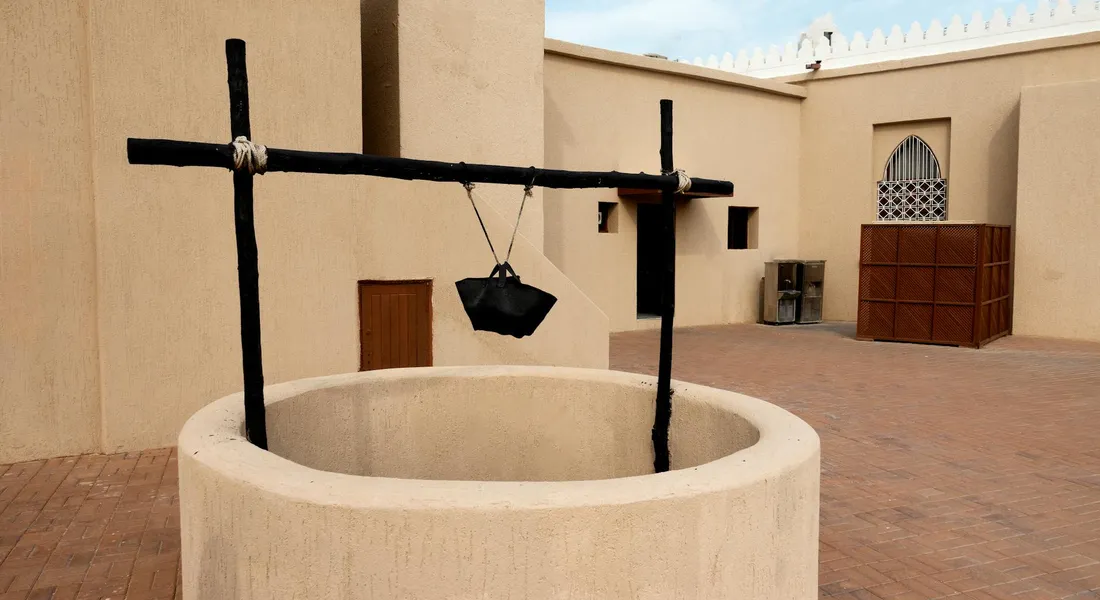
Sometimes the issue isn’t in your house. It’s in the ground. The pump runs a long time because it’s struggling to get enough water. There are two main scenarios here: no water at all, or not enough water.
First, know the difference. If the pump runs but your faucets are completely dry, you likely have a dry well or a failed foot valve (check valve). The pump is spinning but pulling only air. If the pump runs and no water comes out, turn off the pump’s power at the breaker immediately to prevent motor burnout. A pump needs water flowing through it to stay cool.
If you’re getting some water, but it’s a weak trickle and the pump runs forever, you’re likely dealing with low well yield. The water level in the well has dropped. The pump sits in water, but it’s so low that it can only pull a small amount at a time. It takes a very long cycle to fill the pressure tank.
A failing pump motor or a clogged intake screen from sand and sediment can mimic low yield. The pump is working harder to pull less water, leading to those long, inefficient run times. I pulled a pump last year that was so caked with iron bacteria and silt it looked like a muddy log.
Your well’s performance isn’t always static. “Are the well water pumps working all year round?” is a common question. The answer depends on your local aquifer. In dry summer months or periods of high demand, the water table can drop. A well that keeps up in spring might struggle by late August. This is the aquifer’s natural recharge cycle.
The DIY Fixes vs. When to Call the Well Pro
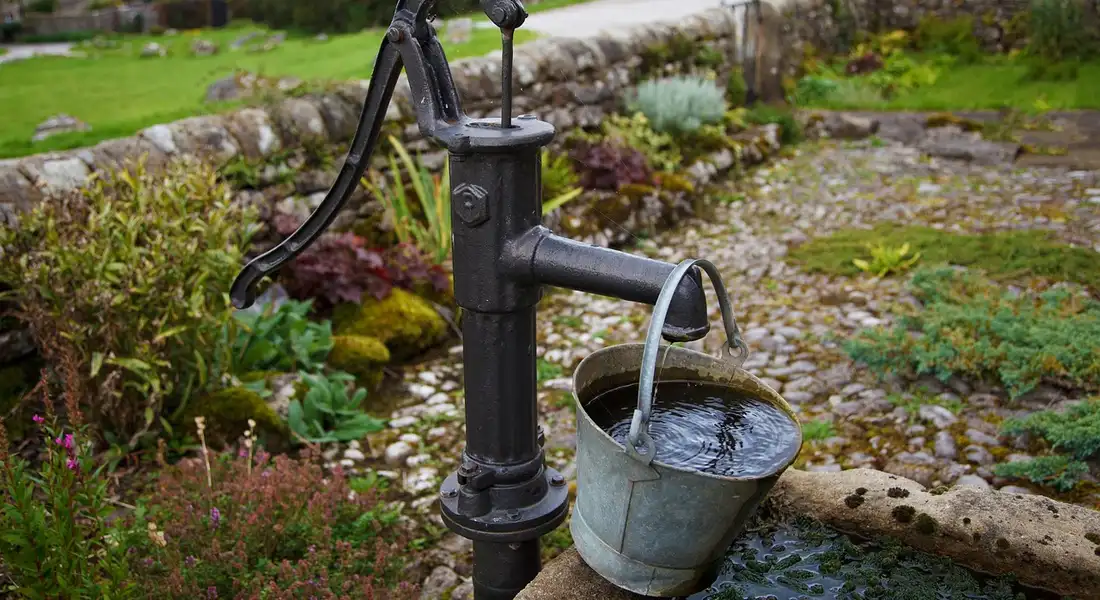
Not every fix requires a $2,000 service call. But knowing your limits protects your wallet and your safety. Here’s a verdict on common tasks.
| Task | Difficulty (1-10) | Verdict |
| Checking Pressure Tank Air Charge | 2 | DIY |
| Testing for Toilet/Faucet Leaks | 3 | DIY |
| Replacing a Pressure Switch | 5 | DIY |
| Pulling a Submersible Pump | 9 | PRO |
| Replacing a Deep Check Valve | 9 | PRO |
| Diagnosing Well Yield & Depth | 10 | PRO |
DIY Zone (Difficulty 2-5)
These are accessible tasks with basic tools.
- Checking Tank Air Charge: With the pump off and water pressure drained, use a standard tire gauge on the tank’s Schrader valve. Compare to the switch’s cut-in pressure. It should be 2 psi below. For a 30/50 switch, tank air should be 28 psi.
- Replacing a Pressure Switch: Turn off power. Note the wire connections, take a picture. Swap the old switch for a new one with the same pressure range (like 30/50 or 40/60). Turn power back on and adjust the differential nut if needed.
- Testing for Toilet Leaks: Put a few drops of food coloring in the toilet tank. Don’t flush. Wait 20 minutes. If color appears in the bowl, the flapper valve is leaking and constantly calling for water, making your pump cycle.
Pro Zone (Difficulty 8-10)
This is where you call a licensed well contractor. No debate.
- Pulling the Submersible Pump: This requires a pump hoist, specialized pipe wrenches, and knowledge of electrical disconnects hundreds of feet down. One slip can drop the pump or damage the well casing.
- Replacing a Check Valve at Depth: The check valve is on the pump itself. You must pull the entire pump assembly to service it.
- Diagnosing Well Yield: A pro performs a drawdown test. They measure how far the water level drops during pumping and how fast it recovers. This tells you if the problem is the well or the pump.
Well work often requires permits and licensed professionals for safety and legal compliance with local health department codes. A mistake can contaminate your entire aquifer. It’s not worth the risk.
Tools & Material Checklist
For the DIY tasks, gather these items:
- Tire Pressure Gauge (standard)
- Multimeter (for verifying power is off at the switch)
- Adjustable Wrench
- Food Coloring (for leak tests)
- Replacement Pressure Switch (if needed, match your system’s PSI)
- Bucket and rags (for the inevitable small spill)
Keeping It Running Smoothly: Your System Maintenance Roadmap
Your well system works hard. A little regular attention keeps it reliable and can add years to its life. This isn’t a complex checklist. It’s the bare minimum to avoid big headaches.
The Simple, Non-Negotiable Schedule
Think of this like changing the oil in your truck. Ignore it, and you’ll pay more later. Stick to these three intervals.
Every 3 Months: The Quick Listen & Check
This takes five minutes. Your ears are your best tool here.
- Listen for pump cycle changes. You know your pump’s normal rhythm. If it starts kicking on more frequently for short bursts, or if a single cycle sounds longer, note it. That’s often the first sign of a pressure tank issue or a tiny leak.
- Check the tank air pressure. Shut off the pump power. Drain all water pressure from the system by opening a faucet. Use a standard tire gauge on the tank’s air valve (the schrader valve, like on a bike tire). The air pressure must be 2 PSI below the pump’s cut-in pressure. If your pump turns on at 40 PSI, the tank air charge should be 38 PSI. If it’s low, use a bicycle pump or small compressor to fill it.
Forgetting to drain the water pressure first is the most common mistake, giving you a false reading. My own tank is in the basement, and I check it every season when I change my whole-house filter.
Every Year: The Hands-On Inspection
Once a year, give the system a closer look. This is about catching small problems before they become floods or burn out your pump.
- Test pressure switch operation. With the pump running, watch the pressure gauge. The pump should stop (cut-out) at its high setting (like 60 PSI). Open a faucet and let the pressure drop. The pump should restart (cut-in) at its low setting (like 40 PSI). If it doesn’t turn on or off at the right pressures, the switch may be failing or clogged with sediment.
- Inspect for any leaks at fittings and valves. Look at every connection from the pressure switch to the main water line. Check the relief valve on your water heater and the drain valve on your pressure tank. A single drop per second wastes over 2,000 gallons a year and forces your pump to cycle.
A simple trick is to dry a fitting with a paper towel, wait 15 minutes, and check for new moisture. For tiny seeps, a spray bottle with soapy water can reveal bubbles at the leak source.
Every 3-5 Years: The Professional System Check
Some jobs need a pro with the right tools. This inspection is about the parts you can’t see.
- Have a pro perform a full well system inspection, including a drawdown test. A technician will measure your well’s recovery rate and your pump’s output. This tells you if your water supply is declining or if the pump itself is wearing out. They’ll also check the well seal, wiring, and lightning protection.
A proper drawdown test is the only way to know the true health of your well and submersible pump. It’s like a stress test for your entire water supply.
What Your Maintenance Buys You: Component Lifespan
This routine directly impacts how long your parts last. A neglected system fails early.
- A standard pressure tank lasts 5-10 years. Waterlogged from a lost air charge, it can fail in 2.
- A quality submersible pump lasts 8-15 years. Let it short-cycle daily because of a bad tank, and you might replace it in 5.
Regular maintenance pushes every component toward its maximum service life. Replacing a $30 pressure switch is far better than replacing a $1,200 pump burned out from constant cycling.
If your pump is running constantly, don’t ignore it. A small fix today prevents a $2,000 replacement tomorrow.
Common Questions
What’s a normal pump run time?
A healthy pump runs in bursts of 1-2 minutes to refill the pressure tank, then rests for 30-60 minutes. It’s a sprinter, not a marathon runner. If it starts running continuously, something’s off. Common causes include a stuck float switch, a faulty pressure switch, or a leaking sump basin. Constant 20-minute runs are a major red flag.
What’s the difference between running constantly and running too long?
Constant running means the pump never shuts off, often due to a stuck pressure switch or massive leak. Running too long (e.g., 10+ minute cycles) typically points to low well water volume, a failing pump, or a significant hidden leak. Both are urgent issues that differ from short cycling problems.
How can I tell if my pump is the wrong size for my well?
Suspect an undersized pump if pressure drops severely when two fixtures are used, even with a healthy tank. An oversized pump will fill the tank too quickly, causing rapid, short cycles that destroy the switch and motor. Sizing requires a professional drawdown test of your well.
The pump is running but no water comes out-what’s my first move?
Turn off the pump’s power at the breaker immediately. A pump needs water flow to stay cool, and running it dry will destroy the motor in minutes. This indicates a dry well, a failed check valve, or a broken pipe.
What’s a quick way to test for a hidden plumbing leak?
Go to your water meter, note the reading, and ensure no water is used for two hours. If the meter moves, you have a leak. For well systems without a meter, listen closely at the pitless adapter outside; a hissing sound can indicate an underground leak.
Final Steps for a Steady Water System
Always start by checking your pressure tank’s air charge, as it’s the most common and easiest fix for a short-cycling pump. If the pump still runs too long, methodically work through checking for leaks and testing the pressure switch before calling for service.
Bob McArthur
Bob is a an HVAC and plumbing industry veteran. He has professionally helped homeowners resolve issues around water softeners, heaters and all things related to water systems and plumbing around their homes. His trusted advice has helped countless of his clients save time, money and effort in home water systems maintenance and he now here to help you and give you first hand actionable advice. In his spare time, Bob also reviews home water systems such as tankless heaters, water softeners etc and helps home owners make the best choice for their dwelling. He lives around the Detroit area and occasionally consults on residential and commercial projects. Feel free to reach out to him via the contact us form.